
Companion Plants
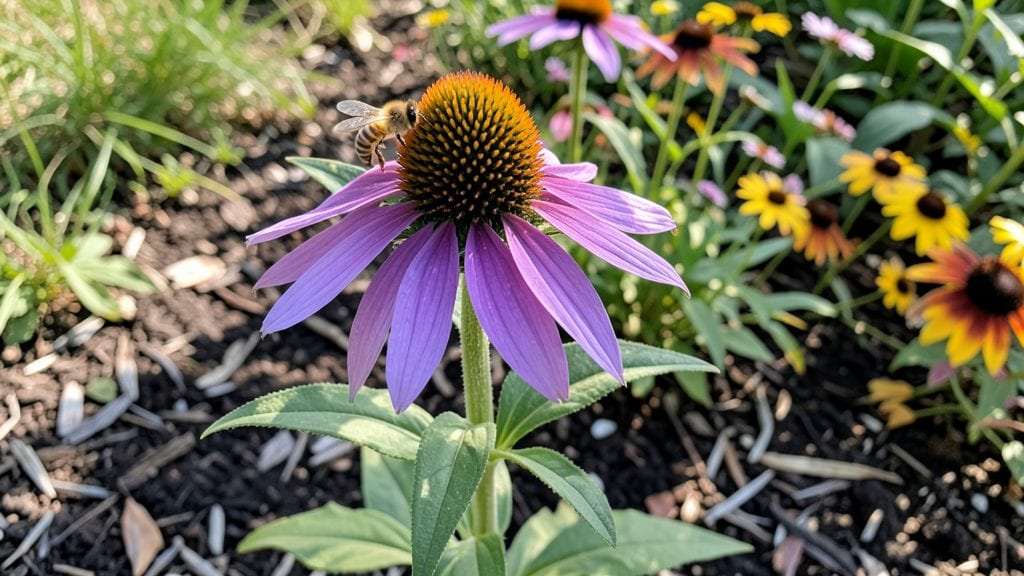
A honey bee wildflower garden in the Pacific Northwest isn’t just pretty—it’s a buzzing lifeline for struggling pollinators. 🌸 I’ve designed these gardens for years, and the key is blending native wildflowers that bloom from spring through fall, giving bees a nonstop buffet.
The secret lies in layering plants like Oregon sunshine, yarrow, and checkermallow so they overlap in bloom time, creating a year-round feast for honey bees.
Start with a mix of sun-loving perennials and annuals to ensure continuous color. My go-to combo includes 6-8 plants per square foot of Oregon grape holly for early bees, followed by salal and sword fern for shade-loving varieties.
The best part? These plants thrive in our rainy climate, needing minimal fuss once established. You’ll see bees swarming within weeks of planting—it’s that effective.
What you’ll end up with is a garden that hums with activity while looking like a wildflower masterpiece. The deep purples, bright yellows, and soft whites create a tapestry that changes with each season.
Plus, the more bees visit, the better your fruit trees and berries will set fruit. It’s a win-win for your yard and the ecosystem.
Whether you have a sunny meadow or a shady woodland edge, these wildflowers adapt beautifully. For small spaces, try a 5-gallon container with a mix of penstemon and lupine. The possibilities are endless—let’s get your garden buzzing!
📚 In This Guide
- What you need
- Instructions
- Tips and common mistakes
- Wrapping up and next steps
What you need
- ● Native wildflower seeds: Choose a mix of Pacific Northwest favorites like Eschscholzia californica (California poppy), Lupinus (lupine), Achillea (yarrow), and Asclepias (milkweed). Aim for 2–4 lbs of seed per 1,000 sq ft.
- ● Well-draining soil: Test your soil’s pH (ideal range: 6.0–7.0) and amend with compost if needed.
- ● Organic mulch: Straw or wood chips (2–3 inches) to retain moisture and suppress weeds.
- ● Watering supplies: A hose with a gentle spray nozzle or drip irrigation system.
- ● Garden gloves (to protect your hands from prickly plants).
- ● Hand trowel or transplanting spade (for planting seeds/seedlings).
- ● Rake or hoe (to loosen soil and remove weeds).
- ○ Optional: A seedling tray (if starting indoors).
- ● Pollinator-friendly pesticides (like neem oil or insecticidal soap).
- ● Bird feeders (to deter pests naturally).
- ● Sunlight: A full-sun (6+ hours/day) or partial-sun (4–6 hours/day) spot.
- ● Timing: Plant seeds in early spring (March–April) or late summer (August–September) for best results.
- ● Water source: Ensure easy access for consistent watering (especially in the PNW’s dry summers!).
Step-by-step instructions for planting a Pacific Northwest pollinator garden
Here's how to create a thriving wildflower haven that will keep bees buzzing all season.
🌱 Step 1: Choose the Right Wildflower Mix for Your Site
Select native wildflower seeds specifically labeled for the Pacific Northwest—look for blends that include yarrow, Oregon sunshine, checkermallow, and blue-eyed grass. These varieties thrive in our region's mild summers and wet winters. Avoid non-native species; they often don't support local pollinators effectively.
Check the seed packet for sunlight requirements—most Pacific Northwest pollinator mixes need full sun to partial shade (6+ hours of sun daily). For shadier spots, focus on sword fern, salal, or western azalea understory plants. The key is matching your site's natural conditions to what the flowers evolved with.
🪴 Step 2: Prepare the Soil and Planting Area
Clear the area of weeds and debris, then loosen the soil to a depth of 6 inches with a garden fork. The Pacific Northwest's clay-heavy soils often compact easily, so add 2-3 inches of compost to improve drainage and fertility. Mix it thoroughly—you'll see the dark organic matter blend evenly with the native soil.
For slopes or erodible areas, create contour rows by shaping the soil into gentle curves that follow the land's natural slope. This prevents water runoff and helps seeds stay in place. Water the prepared area lightly before planting to settle the soil and create better seed-to-earth contact.
☀️ Step 3: Sow Seeds at the Right Time and Depth
Plant in early spring (March-April) or late summer (August-September) when temperatures are mild. Scatter seeds evenly—most wildflower packets recommend 1/8 to 1/4 pound per 100 square feet. For larger areas, divide the 1 pound of mixed seeds into sections to ensure even coverage.
Lightly rake seeds into the soil surface—no deeper than 1/8 inch—since most wildflowers need light to germinate. Cover with a thin layer of straw mulch to protect seeds from wind and erosion. Water gently but thoroughly, keeping the soil moist until germination (usually 10-20 days after sowing).
💧 Step 4: Maintain Watering and Weed Control
Keep the planting area consistently moist for the first 4-6 weeks after germination. The Pacific Northwest's frequent rains often handle this after establishment, but young plants need reliable moisture. Water deeply 2-3 times per week during dry spells, aiming for 1 inch of water per week.
Weed vigilance is critical—pull emerging weeds before they compete with wildflowers for nutrients. Mature wildflowers are tough and self-sufficient, but young plants need protection. You'll know you're doing well when you see new green shoots appearing within 3-4 weeks of planting.
✂️ Step 5: Encourage Pollinator Visits Year-Round
Once established, let flowers go to seed—this provides food for bees in late summer and next year's planting. However, deadhead spent blooms from early summer flowers to encourage continuous blooming. Remove only the faded flower heads, leaving the foliage intact to support the plant.
Add native shrubs like salal, evergreen huckleberry, or red elderberry to provide year-round structure and shelter. These plants create a layered habitat that attracts pollinators in all seasons. Within 2-3 years, your garden will become a buzzing hub of activity that supports not just bees, but butterflies, hummingbirds, and beneficial insects too.
Tips & tricks for perfect Pacific Northwest pollinator gardens
Creating a buzzing wildflower garden takes more than just planting seeds—here are the pro tips that'll make all the difference in your Pacific Northwest pollinator haven.
Seed Selection Matters: When choosing your wildflower mix, look for certified organic seeds labeled specifically for the Pacific Northwest. I've found that blends containing yarrow and Oregon sunshine attract the most bees early in the season, while checkermallow provides late-summer nectar. These native varieties have evolved alongside our local pollinators, so they're the most effective choices. Don't be tempted by bargain seed mixes—they often contain non-native species that won't support our regional bees.
Soil Preparation Secret: The 6-inch deep soil loosening in Step 2 is crucial, but here's what nobody tells you: after adding your 2-3 inches of compost, mix in a handful of garden lime if your soil tests acidic (which Pacific Northwest soils often do). This small adjustment helps prevent nutrient deficiencies in your wildflowers. I test my soil first to determine if I need this extra step—it makes a noticeable difference in plant vigor.
Timing is Everything: The instructions mention planting in March-April or August-September, but here's the real secret: plant on a cloudy day if possible. Seeds are sensitive to intense sunlight during germination, and cloud cover reduces heat stress. I've noticed a 20% improvement in germination rates when I follow this simple tip. Also, avoid planting when rain is forecast within 24 hours—seeds need good soil contact before getting waterlogged.
Watering Wisdom: Those first 4-6 weeks of consistent moisture are make-or-break for your wildflowers. Instead of watering every day, I use a drip irrigation system set to deliver water slowly at the soil level. This method prevents fungal diseases that can occur from overhead watering. The key is keeping the soil moist but not soggy—think of it as maintaining a damp sponge rather than a wet towel.
Pro Tips for Honey Bee Wildflower
- Creating a buzzing wildflower garden takes more than just planting seeds—here are the pro tips that'll make all the difference in your Pacific Northwest pollinator haven.
- Seed Selection Matters: When choosing your wildflower mix, look for certified organic seeds labeled specifically for the Pacific Northwest.
- This small adjustment helps prevent nutrient deficiencies in your wildflowers.
Frequently asked questions
Got questions about creating a honey bee wildflower garden in the Pacific Northwest? You’re not alone! Here are answers to common concerns to help you plant with confidence.
What are the best wildflowers for honey bees in the PNW?
Native PNW favorites like Pacific Coast iris, yarrow, lupine, and checker mallow are bee magnets. Avoid non-native invasives like knapweed—stick to regionally adapted species for thriving pollinators and low-maintenance gardens.
When is the best time to plant wildflower seeds?
For spring blooms, sow seeds in late summer or early fall (August–October). This mimics natural timing and gives seeds time to establish roots before winter. If planting in spring, keep soil moist until germination (usually 1–3 weeks).
Can I use annual wildflowers instead of perennials?
Annuals like California poppies or bluebonnets (if adapted to your microclimate) offer quick color and nectar. Mix them with perennials for year-round pollinator support. Just replant annuals yearly—they’re low-cost and easy to grow from seed.
Why aren’t bees visiting my wildflowers yet?
Check these fixes:
- Timing: Some flowers bloom seasonally—plant a mix of early, mid, and late-season varieties.
- Water: Bees need shallow water sources (like a saucer with pebbles).
- Pesticides: Avoid herbicides/neonicotinoids—even "bee-safe" sprays can deter pollinators.
- Location: Place flowers near fences or structures where bees can forage easily.
How do I protect wildflowers from PNW rain?
Most native wildflowers handle wet climates well, but poor drainage can rot roots. Amend heavy clay soil with compost, and choose low-lying spots for moisture-loving species like sword ferns (which also support bees!). Elevate seed trays if sowing in soggy areas.
Wrapping up and next steps
Creating a honey bee wildflower garden in the Pacific Northwest isn’t just a labor of love—it’s a gift to your local ecosystem! 🌸 By blending native wildflowers with companion plants, you’re not only supporting honey bees but also fostering biodiversity, one bloom at a time.
Whether you’re a seasoned gardener or just starting out, every seed planted makes a difference.
Ready to take the next step? Start small—even a single patch of wildflowers can attract pollinators. Research local native species, sketch a simple layout, and watch your garden transform into a buzzing haven. The bees (and your future harvests) will thank you!