
Pests
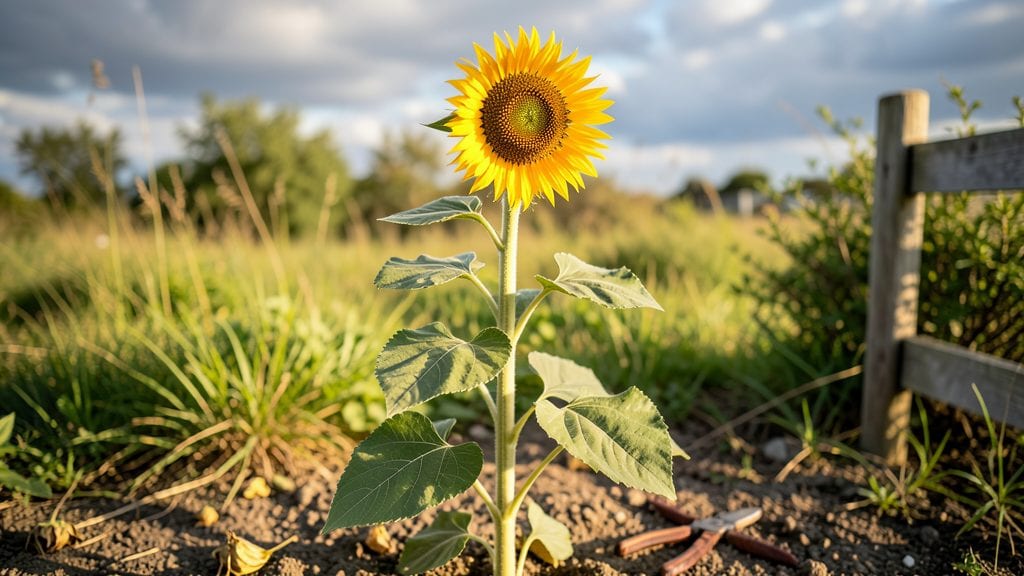
Growing Hopi dye sunflowers unlocks a vibrant connection to Native American traditions while adding striking color to your garden. 🌻 These sunflowers aren't just drought-tolerant—they're the heart of Hopi dye-making, producing rich yellows and oranges from their petals that have been used for centuries in textiles and ceremonies.
The secret to their success lies in their adaptability: they thrive in poor, dry soils where other plants struggle, and they need only 6-8 hours of sunlight daily. Start seeds indoors 8-10 weeks before your last frost, then transplant when soil warms to 55°F or higher.
The key is spacing—give them 18-24 inches apart so their strong stems don’t compete for nutrients.
What you’ll end up with is a sun-drenched border bursting with deep yellow blooms that attract pollinators while providing sustainable dye. The petals yield 3-4 ounces of dried dye per plant, perfect for natural fabric coloring.
Just time your harvest for late summer when flowers are fully open but before they brown.
They’re tough enough to handle pests like aphids with minimal fuss, but watch for powdery mildew in humid climates—spraying neem oil early prevents outbreaks. Whether you’re growing for tradition or just love their bold beauty, these sunflowers deliver both practical and cultural rewards.
📚 In This Guide
- What you need
- Instructions
- Tips and common mistakes
- Wrapping up and next steps
What you need
- ● Seeds: Certified organic Helianthus annuus (Hopi dye variety) – 20-30 seeds (or 1-2 plants if starting with seedlings).
- ● Soil: Well-draining, sandy loam (mimics Hopi’s arid conditions). Mix in compost (20% by volume) for nutrients.
- ● Sunlight: Full sun (6+ hours/day)—critical for vibrant dye production!
- ● Water: Drip irrigation or soaker hoses (1-2 gallons per plant/week once established).
- ● Avoid overhead watering to prevent mildew.
- ● Support: Sturdy stakes (5-6 ft tall) or cages for tall varieties (Hopi sunflowers can reach 8+ ft).
- ● Pest Control: Neem oil (2% solution) for aphids/spider mites.
- ● Row covers (lightweight fabric) to deter birds/squirrels.
- ● Dye Extraction: Large stainless-steel pot (5+ gallons) for boiling flower heads.
- ● Mulch: Straw or gravel to retain moisture and deter weeds.
- ● pH Test Kit: Ideal soil pH for sunflowers: 6.0–7.5.
- ● Journal: Notebook to track growth stages and dye yield!
Step-by-Step instructions for growing Hopi dye sunflowers
Here's how I grow these drought-tolerant beauties—perfect for arid climates and pollinator gardens.
🌱 Step 1: Choose the Right Location and Prepare Soil
Hopi dye sunflowers thrive in full sun with at least 6-8 hours of direct light daily. I always pick the sunniest, most exposed spot in my garden because these plants reward generous light with vibrant color and sturdy stems. Avoid low-lying areas where cold air settles—they’re sensitive to frost once established.
These sunflowers tolerate poor soil but grow best in well-draining, slightly alkaline soil with a pH between 7.0 and 8.0. If your soil is heavy clay, amend it with 2-3 inches of compost mixed into the top 12 inches of soil. I never fertilize heavily—too much nitrogen produces lush foliage at the expense of those stunning dye-rich blooms.
☀️ Step 2: Plant Seeds at the Correct Depth and Spacing
Sow seeds ¼ inch deep after the last frost when soil temperatures reach 60°F or warmer. I plant 4-6 seeds per mound, spacing mounds 2-3 feet apart in rows 3 feet apart. This gives mature plants plenty of room to develop their signature 3-foot-tall stems without competing for nutrients.
Don’t overcrowd—thin seedlings to the strongest 2-3 plants per mound once they reach 4 inches tall. I use scissors to snip weak stems at soil level rather than pulling, which disturbs roots. Watch for first true leaves (the second set after the initial cotyledons) to appear in 7-10 days—this confirms germination success.
💧 Step 3: Water Deeply but Infrequently
Hopi dye sunflowers are drought-tolerant once established, but young plants need consistent moisture. Water deeply once a week during dry spells, ensuring the soil is moist to a depth of 6 inches. I use a soaker hose to avoid wetting foliage, which reduces fungal risks. Let the top 2 inches of soil dry out between waterings—this encourages deep root growth.
Once plants reach 12 inches tall, cut back to watering every 10-14 days unless your region experiences extreme heat. You’ll know they’re thriving when leaves stay deep green and crisp rather than wilting or yellowing. Mulch with 2 inches of straw around the base to retain moisture and suppress weeds—just keep mulch 4 inches away from stems to prevent rot.
✂️ Step 4: Support Stems and Harvest for Dye
These sunflowers develop thick, sturdy stems but may lean in windy conditions. I install bamboo stakes (3 feet tall) at planting and tie stems loosely with soft garden twine as they grow. Avoid tight ties—you want stems to flex naturally to strengthen.
For dye purposes, harvest fully open blooms in the morning when petals are at peak moisture. Strip petals by hand and dry them in a single layer on a screen out of direct sunlight for 3-5 days. Once dry, store in an airtight container away from light. You’ll get bright yellow to golden hues—perfect for natural fabric dyeing.
⏰ Step 5: Prepare for Winter and Next Year’s Growth
After blooming, cut back stems to 6 inches tall and remove debris to prevent pests from overwintering. Hopi dye sunflowers are annuals, but their seeds self-sow readily in warm climates. If you want to collect seeds for next year, leave 2-3 stems uncut and harvest when seed heads turn brown and dry.
I always mark planting locations with stakes—these sunflowers return with vigor if given consistent care. Their deep roots break up compacted soil, improving garden conditions for future plantings. Plus, they attract bees, butterflies, and hummingbirds, making them a pollinator magnet.
Tips & tricks for perfect Hopi dye sunflower growth
These hard-won insights will help you coax vibrant, dye-rich sunflowers from your garden—even in tough conditions.
Location is Everything: In Step 1, don't just look for sun—look for the sunniest spot in your yard. I've seen these sunflowers struggle in areas that get only 6 hours of direct light, even though they technically need 6-8. The extra 2 hours makes a dramatic difference in stem strength and bloom intensity. Check your yard at noon—if there are shadows, that's where you'll want to plant.
Soil Science Matters: When preparing your soil in Step 1, grab a handful and squeeze it. If it forms a tight ball that doesn't crumble easily, you've got clay soil that needs amending. The 2-3 inches of compost recommendation is non-negotiable for clay—it's not just about drainage, but also about creating that slightly alkaline environment (7.0-8.0 pH) these sunflowers crave. I use a simple pH test kit to verify before planting.
Timing is Critical: In Step 2, wait until soil temperatures consistently reach 60°F before planting—this prevents seed rot and ensures strong germination. I test soil temperature with a simple thermometer inserted 2 inches deep. If you plant too early, seeds may sprout but then rot when nighttime temps dip. The 7-10 day window for first true leaves is your confirmation everything's on track.
Watering Wisdom: The deep watering technique in Step 3 is crucial—it mimics natural rainfall patterns and encourages those deep roots. When watering young plants, stick your finger 6 inches down. If it's dry, water again. Once established, the 10-14 day watering schedule becomes your friend, but always check leaf crispness as your guide. I've seen these sunflowers survive on even less in extreme drought conditions!
Pro Tips for Hopi Dye Sunflower
- These hard-won insights will help you coax vibrant, dye-rich sunflowers from your garden—even in tough conditions.
- Location is Everything: In Step 1, don't just look for sun—look for the sunniest spot in your yard.
- Soil Science Matters: When preparing your soil in Step 1, grab a handful and squeeze it.
Frequently asked questions
about growing Hopi Dye Sunflowers—here’s what you need to know!What’s the best time to plant Hopi Dye Sunflowers?
Plant seeds after the last frost when soil temps reach at least 55°F (13°C). In arid climates, aim for late spring to early summer (April–June) for optimal growth. They thrive in heat but hate cold—wait until nighttime temps stay above 50°F (10°C)!
How much water do they need in dry climates?
These sunflowers are drought-tolerant once established, but young plants need 1–1.5 inches of water weekly. In extreme heat, water deeply 2–3 times per week and mulch to retain moisture. Overwatering causes root rot—let soil dry slightly between waterings.
What pests commonly attack Hopi Dye Sunflowers?
Watch for aphids, spider mites, and squash bugs, which love tender leaves. Use neem oil or insecticidal soap early. Birds may peck seeds—cover young plants with netting if needed. Healthy plants resist pests better, so prioritize well-draining soil and sunlight.
Can I grow Hopi Dye Sunflowers in containers?
Yes! Choose a large pot (12+ inches deep) with drainage holes. Use lightweight potting mix and fertilize monthly. Containers dry faster—water daily in hot weather. They’ll grow shorter but still produce vibrant dye-rich blooms!
How long until they’re ready for dyeing?
Flowers bloom 60–90 days after planting, but harvest petals when fully open (usually late summer to early fall). For best dye, pick bright yellow or orange blooms—they yield the most vibrant natural pigments. Dry petals thoroughly before storing!
Wrapping up and next steps
Growing Hopi dye sunflowers isn’t just about cultivating a stunning, drought-resistant plant—it’s about connecting with tradition, sustainability, and the resilience of Native American heritage. 🌻 With the right soil, sunlight, and care, you’ll not only nurture a thriving garden but also contribute to preserving a cultural legacy.
Ready to take the next step?
Start by saving seeds from your first harvest to share with fellow gardeners or local communities—spreading the beauty (and benefits!) of this iconic plant. And if you’re feeling inspired, explore traditional dyeing techniques to turn your sunflowers into vibrant, handcrafted treasures!