
Propagation
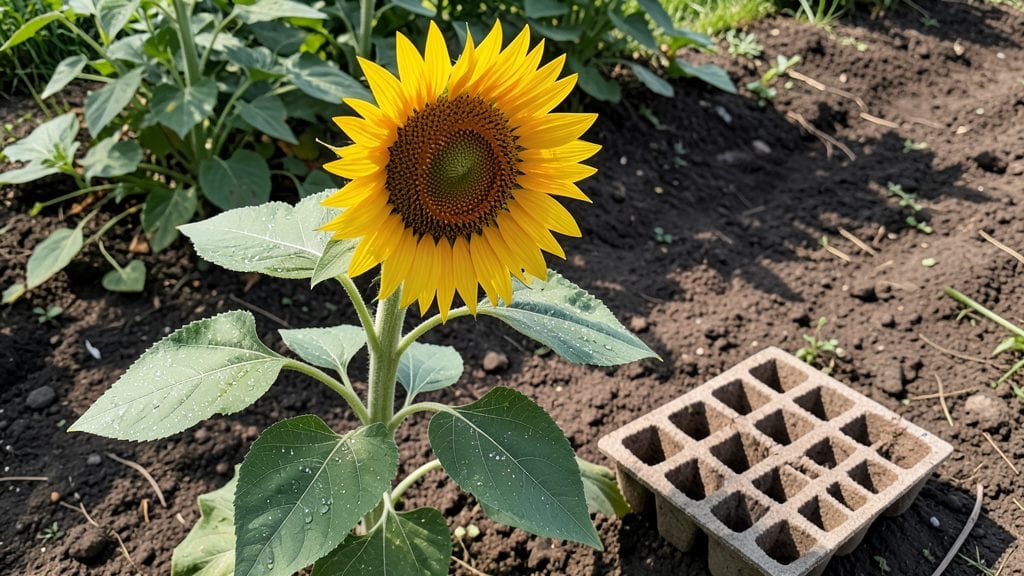
Growing sunflowers from seed is the fastest way to get those towering, cheerful blooms in your garden—90 days from seed to sun. I still remember the first time I watched a 6-inch sprout stretch into a 12-foot giant in just three months.
The secret isn't complicated: it's about timing, soil, and a little patience when the sprouts take their sweet time to appear.
You'll need sunflower seeds (pick a variety like 'Mammoth' or 'Autumn Beauty' for quick results), well-draining soil, and a sunny spot that gets at least 6-8 hours of sunlight daily. Plant seeds 1 inch deep and 6-12 inches apart, depending on the mature size of your variety.
The key to success? Don't overwater—sunflowers hate soggy roots, but they do love deep drinks once a week.
Within 7-14 days, you'll see those first green shoots pushing through the soil, and by summer, you'll be snapping photos of blooms that turn heads. The plants are surprisingly hardy—they shrug off pests and drought once established.
Just watch for damping off (a fungal issue) in damp soil, and thin seedlings if they get too crowded.
This method works in gardens, containers, and even urban spaces with enough sunlight. By late summer, you'll have sunflowers tall enough to hide behind—and maybe even cut for arrangements. Ready to grow your own sunflower giants?
📚 In This Guide
- What you need
- Instructions
- Tips and common mistakes
- Wrapping up and next steps
What you need
- ● Sunflower seeds: Choose heirloom or hybrid varieties (e.g., ‘Mammoth’, ‘Autumn Beauty’, or ‘Russian Giant’). Buy 5–10 seeds per plant for optimal spacing.
- ● Growing containers: For indoor starts: Biodegradable seedling pots (3–4 inches deep) or 6-pack cell trays (1 seed per cell).
- ● For direct sowing: Well-draining pots (5+ gallons) or a sunflower-friendly garden bed (at least 12–18 inches deep).
- ● Potting mix: 1–2 bags of seed-starting mix (sterile, lightweight, and peat-based or coco-coir blend). Avoid garden soil—it’s too dense!
- ● Watering can or spray bottle: With a fine rose nozzle for gentle watering.
- ● Fertilizer: Starter fertilizer: Balanced 10-10-10 or 5-5-5 (1 tbsp per gallon of water).
- ● Growth booster: Low-nitrogen, high-phosphorus (e.g., 3-4-6) for flowering (apply when plants are 6–8 inches tall).
- ○ Grow lights (optional but helpful): LED or fluorescent (12–16 inches above seedlings) if starting indoors before last frost.
- ● Plant labels: Waterproof markers or stakes to track varieties.
- ● Gloves: Garden or work gloves to protect hands from prickly seed coats.
- ● Trowel or transplant tool: For digging small holes (2–3 inches deep) for seeds.
- ● Mulch: Straw or wood chips (1–2 inches thick) to retain moisture and suppress weeds.
- ● Trellis or stakes (for tall varieties): Bamboo stakes or wire cages (6+ feet tall) to support heavy heads.
- ● Pruning shears: For trimming dead leaves or harvesting.
- ● Sunflower seed saver: Paper bag or breathable container to dry seeds for next season.
Step-by-step instructions for growing sunflowers from seed
Here's how I grow towering sunflowers every season—no fancy tools, just patience and the right timing.
🌱 Step 1: Choose the Right Variety and Plant at the Correct Time
Start with large seeds from a reputable supplier—mammoth varieties like 'Russian Giant' or 'Mammoth' need 90-120 days to reach full height. Plant seeds 1-2 weeks after your last frost date when soil temperatures reach 55°F or warmer. Cold soil delays germination and weakens seedlings.
Sunflowers thrive in full sun with at least 6-8 hours of direct sunlight daily. If you're in a cooler climate, opt for shorter varieties like 'Teddy Bear' (3-4 feet) to avoid staking. I always check my frost dates and count backward—this ensures blooms appear before fall frost.
🌱 Step 2: Prepare the Soil and Plant Seeds Directly
Sunflowers despise transplanting, so plant seeds directly in the garden where they'll stay. Work 2-3 inches of compost into the top 6 inches of soil to improve drainage and fertility. Sunflowers need deep, loose soil—amend heavy clay by mixing in sand or perlite if needed.
Dig holes 1 inch deep, spacing them 18-24 inches apart for giant varieties or 6-12 inches apart for dwarf types. Drop 2-3 seeds per hole and cover lightly—don’t bury them deeper than 1 inch. I tap the soil gently to ensure good seed-to-soil contact, which speeds up germination.
💧 Step 3: Water Deeply and Maintain Moisture Without Overdoing It
Water deeply right after planting to settle the soil around seeds. Keep the area consistently moist (not soggy) until germination, which typically occurs in 7-14 days. Once seedlings emerge, water at the base—avoid wetting leaves to prevent fungal diseases like powdery mildew.
After the first true leaves appear, water 1-2 times per week, providing 1 inch of water each session. Sunflowers are drought-tolerant once established, but deep, infrequent watering encourages stronger stems. I use a soaker hose to deliver water slowly at the soil level—this prevents runoff and keeps roots hydrated.
☀️ Step 4: Provide Support and Monitor for Pests
Tall varieties often need staking or cages to prevent toppling. Install 6-foot stakes or wire cages at planting time—waiting until the plant is mature makes it harder to insert supports without damaging roots. I tie stems loosely with soft garden twine, checking weekly to adjust as the plant grows.
Watch for sunflower moths, beetles, and birds, which may snack on leaves or seeds. Handpick larger pests or spray with neem oil for organic control. If you notice yellowing leaves, it could signal aphids or powdery mildew—remove affected foliage immediately and improve airflow around plants.
✂️ Step 5: Harvest Seeds and Enjoy the Blooms
Cut sunflowers when the back of the bloom turns yellow and the petals droop—this signals seed maturity. Hang heads upside down in a dry, well-ventilated area for 2-3 weeks until seeds rattle inside. Remove seeds, clean them, and store in a cool, dark place for next year’s planting.
For fresh blooms, harvest before the back browns by cutting stems at a 45-degree angle. Place stems in warm water immediately to extend vase life. I always leave 1-2 plants to mature for seeds—this ensures I have fresh stock for future seasons without buying new seeds.
Tips & tricks for growing sunflowers from seed
These garden-tested strategies will help you cultivate sunflowers that reach their full potential with minimal fuss.
Timing is Everything: The 90-120 day growth window for mammoth varieties is non-negotiable, but you can adjust planting dates based on your climate. In warmer regions, aim for early spring planting to avoid summer heat stress, while cooler climates may benefit from late spring planting. I always check my local frost dates and count backward—this ensures blooms appear before the first frost. For shorter varieties like 'Teddy Bear', you can extend the planting window by 2-3 weeks since they mature faster.
Soil Preparation Secret: The deep, loose soil requirement isn't just about drainage—it's about creating space for those massive roots to develop. If you're working with heavy clay, mix in 2-3 inches of coarse sand or perlite to break up compaction. I like to add a handful of organic matter like leaf mold or worm castings to the bottom of each planting hole—this gives roots an instant nutrient boost right where they need it most.
Germination Hack: Those 7-14 days until germination can feel like forever, but you can speed things up by pre-soaking seeds overnight in warm water. Just don't soak them too long—24 hours max—or they'll start sprouting before you even plant them. I also recommend planting seeds in small pots indoors 2-3 weeks before your target outdoor planting date if you're in a short growing season area. This gives you a head start on the 90-120 day timeline.
Pest Prevention Strategy: The yellowing leaves warning sign is crucial—don't ignore it! Powdery mildew thrives in humid conditions, so improve airflow by spacing plants properly (18-24 inches apart for giants) and watering at the base rather than overhead. For organic control, I've had great success with a weekly neem oil spray during peak growing season. It's preventative, not curative, so start early rather than waiting for problems to appear.
Pro Tips for How Do I Grow Sunflowers From Seed
- These garden-tested strategies will help you cultivate sunflowers that reach their full potential with minimal fuss.
- Timing is Everything: The 90-120 day growth window for mammoth varieties is non-negotiable, but you can adjust planting dates based on your climate.
- Soil Preparation Secret: The deep, loose soil requirement isn't just about drainage—it's about creating space for those massive roots to develop.
Frequently asked questions
Got questions about growing sunflowers from seed?
You’re not alone! Here are answers to the most common queries to help you cultivate those stunning, towering blooms with confidence.
How long does it take for sunflower seeds to germinate?
Sunflower seeds typically sprout within 7–14 days after planting, depending on soil warmth and moisture. Keep the soil consistently moist (but not soggy) and place seeds in a sunny spot or under grow lights. If your garden stays cool (<50°F), germination may take longer—consider using a heat mat for faster results!
Can I plant sunflower seeds directly in the ground, or should I start indoors?
Sunflowers thrive when planted directly outdoors after the last frost, as they dislike transplanting. Start seeds indoors only if you’re in a short-season climate—sow 1–2 weeks before the average last frost date. If you do transplant seedlings, harden them off for 3–5 days to avoid shock.
Why aren’t my sunflower seeds sprouting? Troubleshooting tips.
If your seeds refuse to germinate, check these common issues:
- Cold soil: Sunflowers need soil temps of at least 55°F to sprout. Wait until the ground warms up or use a seedling heat mat.
- Too deep: Plant seeds only 1 inch deep—burying them deeper can suffocate them.
- Old or low-quality seeds: Store seeds in a cool, dry place and use them within 1–2 years for best results.
- Moisture issues: Keep soil damp (not waterlogged) until sprouts appear.
How close can I plant sunflower seeds together?
Spacing depends on your sunflower variety:
- Dwarf varieties: 6–12 inches apart.
- Standard varieties: 12–18 inches apart.
- Giant varieties (e.g., ‘Mammoth’): 24–36 inches apart.
Do sunflowers need full sun? What if I have limited sunlight?
Sunflowers love full sun (6–8+ hours daily), but they can tolerate partial sun (4–6 hours) if given extra care. In shadier spots:
- Choose dwarf varieties (e.g., ‘Teddy Bear’).
- Ensure rich, well-draining soil with compost.
- Water consistently—they’ll need more moisture in low light.
Wrapping up and next steps
Growing sunflowers from seed is a rewarding journey that brings joy, beauty, and even delicious snacks to your table! 🌻 With the right soil, sunlight, and care, you’ll be amazed at how quickly these cheerful giants sprout into towering blooms—often in just 90 days.
Whether you’re a gardening newbie or a seasoned pro, sunflowers are forgiving and fun to cultivate.
Now that you’re armed with tips and tricks, plant those seeds and watch your garden transform! Next, consider experimenting with different varieties, sharing your harvest with neighbors, or even pressing the blooms for crafts. Happy growing—your sunflowers are waiting for you! 🌱✨