
Flowers
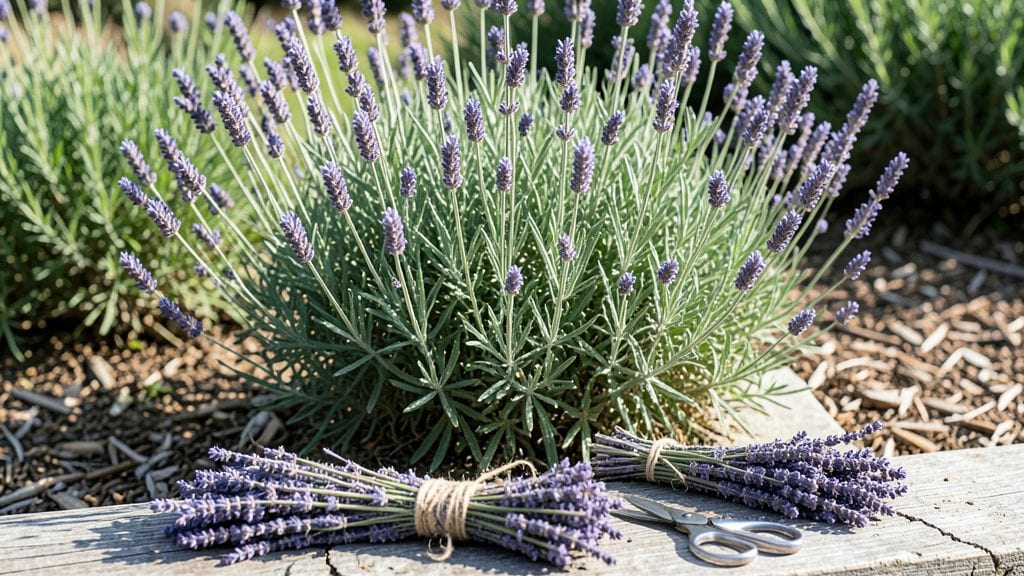
Dried lavender flowers smell like summer in a jar—if you harvest at the right moment and dry them properly. 🌿 The secret isn’t just patience; it’s knowing when the buds are just starting to open, before they turn brown.
I’ve ruined batches by waiting too long, but once you get the timing down, you’ll have fragrant bundles that last for years.
You’ll need fresh lavender stems, a dark, dry space (or a microwave), and maybe some rubber bands or twine. The air-drying method takes about 2-3 weeks but preserves the best color and scent.
If you’re short on time, the microwave trick works in 30 minutes—though it’s less traditional. Either way, the goal is to remove moisture without losing that signature purple hue or earthy aroma.
Once dry, you’ll have lavender that stays vibrant for months, perfect for sachets, potpourri, or even homemade lavender oil. The best part? No more wilting stems—just endless uses from your garden.
Store them in an airtight container away from light, and you’ll have a fragrant stash ready for winter crafts or stress-relieving aromatherapy.
Here’s where it gets interesting—dried lavender isn’t just for decor. Use it in homemade soaps, infused oils, or even as a natural insect repellent. The key is keeping it dry and protected, so you can enjoy that garden-fresh scent all year long.
📚 In This Guide
- What you need
- Instructions
- Tips and common mistakes
- Wrapping up and next steps
What you need
- ● Fresh lavender flowers – Choose Lavandula angustifolia (English lavender) or Lavandula x intermedia (Grosso or Provence lavender) for best results. Aim for 1-2 bunches (about 10-15 stems per bunch), harvested when buds are just starting to open.
- ● Scissors or pruning shears – Sharp, clean tools to harvest stems 3-4 inches from the base.
- ● Brown paper bags – 2-3 sturdy, unbleached bags (one per bunch) with small holes punched in the bottom for airflow.
- ● Drying rack or mesh screen – A flat, breathable surface (like a wooden rack, wire mesh, or even a clean towel) to lay stems out once dried.
- ● Rubber bands or twine – To bundle stems into small, loose clusters (3-5 stems per bundle).
- ● Air-tight storage containers – Glass jars with lids (like mason jars) or fabric pouches for long-term storage.
- ● Desiccant packets – Silica gel or dried rice in jars to absorb excess moisture.
- ● Food dehydrator – For faster drying (2-4 hours at 95°F) if you’re short on time.
- ● Essential oil diffuser – To boost fragrance in your drying space (lavender + 1-2 drops of lavender oil in water).
- ● Labeling tags – To mark harvest dates or varieties.
- ● Small fan – For gentle airflow if drying in a warm, dry room.
Step-by-Step guide to drying lavender flowers at home
Here's how to preserve those fragrant blooms—simple, effective, and perfect for sachets or potpourri!
🌿 Step 1: Harvest Lavender at Peak Freshness
Pick your lavender on a dry, sunny morning when the flowers are fully open but before they start to fade. Use sharp pruning shears to cut 4-6 inch stems—longer stems make handling easier later. Avoid harvesting after rain, as moisture slows drying and invites mold. I like to trim just above a leaf node to encourage bushier growth next season.
Remove any damaged or discolored flowers immediately—they’ll spoil the whole batch. Bundle 10-12 stems together with a rubber band or twist tie, leaving the flowers exposed. This keeps them airy and speeds up drying. If you’re working with a large harvest, process in small batches to avoid overcrowding.
🪴 Step 2: Prepare for Drying with Proper Airflow
Choose a warm, dry, well-ventilated space with indirect sunlight—a kitchen counter, pantry, or garage works perfectly. Avoid direct sunlight, which can bleach the petals and fade their color. I hang my bundles upside down from a clothesline, wire rack, or even a sturdy hook to ensure even airflow around every stem.
Leave 2-3 inches of space between bundles so air circulates freely. If you’re short on hanging space, lay stems flat on a screen or mesh tray in a single layer. Check daily for 10-14 days—when the stems snap crisply and the buds turn a papery grayish-brown, they’re ready. Don’t rush it; proper drying preserves that signature lavender scent.
☀️ Step 3: Speed Up Drying with Optional Heat (If Needed)
For faster results, place bundles in a dryer on low heat with a towel (to catch stray petals). Run for 15-20 minutes, then remove and check for dryness. Repeat in short bursts until fully dried—this method cuts drying time to 3-5 days. Just avoid high heat, which can scorch the delicate blooms and ruin their fragrance.
Alternatively, use a dehydrator set to 95°F for 2-4 hours, flipping bundles halfway. Monitor closely to prevent over-drying. If you notice any buds still soft or green, return them to air-dry for another day or two. The goal is to preserve color and scent, not crispiness.
✂️ Step 4: Store Dried Lavender Properly
Once fully dried, remove the flowers from stems and store in airtight containers—glass jars, tin boxes, or even muslin bags work well. Keep them in a cool, dark place (like a pantry or closet) away from moisture. Label with the date—properly dried lavender stays fragrant for 1-2 years, though the scent fades gradually over time.
For long-term use, add a dried lavender sprig to sachets, potpourri, or even homemade soaps. Avoid crushing the buds too much, as this releases oils quickly and can make them lose potency faster. A little goes a long way—just a pinch adds that calming aroma to pillows or drawers.
Tips & tricks for perfectly dried lavender flowers
Here's what I've learned to keep your lavender vibrant and fragrant—no more sad, faded bundles!
Harvesting Tip: In Step 1, I can't stress enough how important that dry, sunny morning is. The dew on lavender flowers slows drying and can lead to mold—trust me, I learned this the hard way after tossing a whole batch! If you must harvest after rain, wait until the stems are completely dry before bundling. Also, those 4-6 inch stems are perfect for handling—any shorter and they'll be too flimsy to bundle properly.
Airflow Secret: The 10-14 day drying time in Step 2 might seem long, but proper airflow is everything. I've found that placing bundles near a fan (not directly in airflow) speeds things up by about 2-3 days. Just make sure the fan's not blowing directly on them—you want gentle circulation, not a wind tunnel. The key is that papery grayish-brown color when stems snap crisply.
Heat Hack: When using the dryer method in Step 3, I've discovered that 15-minute bursts with 5-minute cooling periods between each cycle prevents overheating. That 95°F dehydrator setting is perfect—any hotter and you risk losing that beautiful purple hue. Pro tip: Place a small piece of cardboard under the bundles to elevate them slightly, which helps air circulate underneath too.
Storage Wisdom: For long-term storage in Step 4, I add a small silica gel packet to my glass jars—it absorbs any lingering moisture that could shorten shelf life. And here's a trick I picked up: store lavender with a few bay leaves. The bay leaves' natural oils complement lavender's scent and help preserve it even longer. Just don't crush the lavender buds when packing them!
Pro Tips for Dried Lavender Flowers
- Here's what I've learned to keep your lavender vibrant and fragrant—no more sad, faded bundles!
- Harvesting Tip: In Step 1, I can't stress enough how important that dry, sunny morning is.
- Airflow Secret: The 10-14 day drying time in Step 2 might seem long, but proper airflow is everything.
Frequently asked questions
Got questions about drying lavender? You’re not alone! Here are some of the most common queries—and their straightforward answers—to help you master the process like a pro.
How long does it take to dry lavender flowers?
With the hanging bundle method, lavender typically takes 1–3 weeks to dry completely, depending on humidity and airflow. In a drying rack or oven, it can be ready in 24–48 hours at low heat (160–180°F). Test for doneness by gently rubbing stems—if no green moisture remains, they’re dry!
Can I dry lavender in the sun?
While partial sun exposure (like morning sunlight) speeds up drying, direct, hot sun can bleach the petals and fade their color. Opt for shady spots or indoor drying to preserve vibrancy. If you must use sun, limit it to 2–3 hours max and finish indoors.
What if my lavender smells weak or loses fragrance?
Weak scent often means incomplete drying or oxidation over time. To revive it: Store dried lavender in airtight containers (like glass jars) away from light. For extra potency, add a bay leaf or cinnamon stick to the jar. If the smell is gone, try re-drying at 150°F for 1–2 hours to refresh it.
Can I use dried lavender for cooking or tea?
Yes! Dried lavender is safe for culinary uses in small amounts—think 1 tsp per cup of tea or a pinch in baked goods (like lavender shortbread). Never use wild-harvested lavender for cooking; stick to food-grade, pesticide-free varieties. Start with tiny doses, as lavender has a bold, floral flavor that can overpower dishes.
What’s the best way to store dried lavender long-term?
To keep lavender fragrant and vibrant for 1–2 years, store it in:
- Air-tight glass jars (like mason jars) with a silica gel packet to absorb moisture.
- Dark, cool places (like pantries or closets) to block light.
- Avoid plastic, as it traps moisture and speeds up degradation.
Wrapping up and next steps
Drying lavender flowers is a simple yet rewarding process that unlocks their full potential—whether for soothing sachets, calming teas, or fragrant home decor. By following these steps, you’ll preserve their vibrant color and signature scent while avoiding common pitfalls like mold or fading.
Now that you’re equipped with the know-how, why not turn your garden (or local harvest) into a treasure trove of natural beauty?
🌿 Next step: Start small—grab a bundle of fresh lavender, gather your supplies, and experiment with your first batch! Share your creations (or tips!) with fellow lavender lovers—your dried blooms might just inspire someone else’s next DIY project. Happy drying! 🌸