
Companion Plants
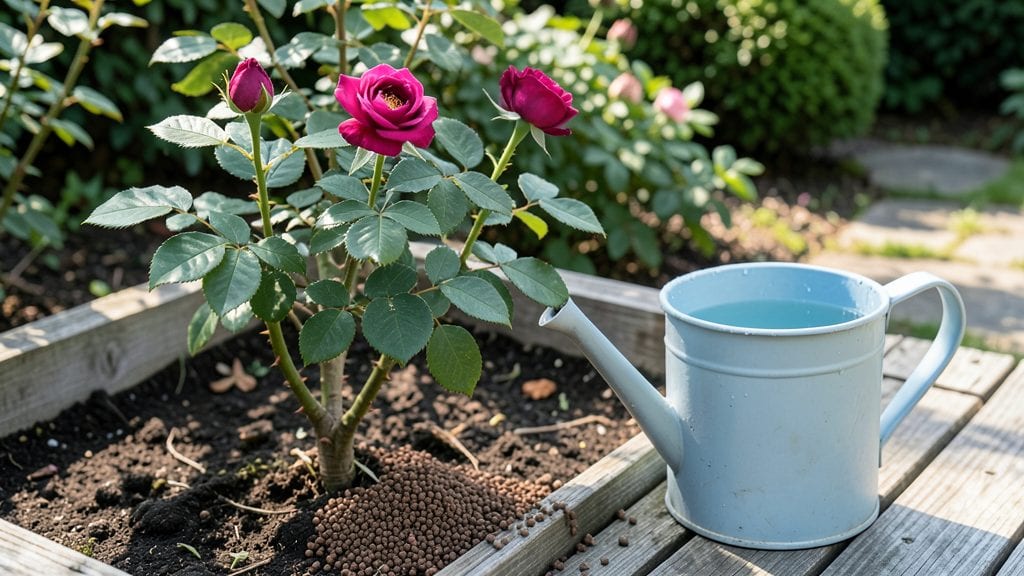
Learn how to increase flowering in these rose plants—they used to put out a few blooms in spring and then call it quits until I discovered the proven tricks that turn them into nonstop flowering machines. 🌹 The secret isn’t just more fertilizer or water; it’s about timing. pruning, and understanding what roses really need to keep producing.
I went from a handful of blooms to a yard full of color by making just three key adjustments, and you can too.
Start with spring pruning—cutting back old wood in late winter forces new growth, which means more buds. Pair that with balanced fertilizer (high in phosphorus for blooms) every 4-6 weeks, and water deeply but infrequently to avoid stress.
Most gardeners overwater or prune at the wrong time, both of which kill flowering potential. My roses now bloom from early summer through fall with minimal effort.
You’ll notice the difference within 6-8 weeks of adjusting your routine: tighter, bushier growth and clusters of buds instead of sparse stems. The key is consistency—no skipping fertilizing or letting the soil dry out completely. Even my black thumb can’t mess this up once you get the rhythm right.
Works for hybrid teas, floribundas, and shrub roses alike—no fancy varieties required. The same principles apply whether you’re in a hot climate or a cooler zone, though watering frequency may shift with the seasons. Let’s get those roses blooming like crazy.
📚 In This Guide
- What you need
- Instructions
- Tips and common mistakes
- Wrapping up and next steps
What you need
- ● Rose plants: Disease-resistant varieties (e.g., Knock Out®, David Austin) for best results.
- ● Well-draining potting mix or garden soil: 5–10 gallons (or enough to fill containers for potted roses). Amend with compost (20–30%) for nutrients.
- ● Balanced fertilizer: 10-10-10 or 5-10-10 (organic or synthetic), 1–2 tbsp per plant (follow label instructions).
- ● Slow-release rose fertilizer: Granular or spikes (e.g., Osmocote), 1–2 per plant (spring/fall).
- ● Pruning shears: Sharp, sterilized (rubbing alcohol or bleach), and bypass-style (not anvil).
- ● Mulch: 2–3 inches of organic mulch (e.g., wood chips, straw) to retain moisture and regulate soil temp.
- ● Watering can or hose with adjustable nozzle: For deep watering (1–1.5 inches per week).
- ● pH test kit: To check soil acidity (ideal range: 6.0–6.5 for roses).
- ● Epsom salt (magnesium sulfate): 1 tbsp per gallon of water (monthly foliar spray or soil drench).
- ● Companion plants: Marigolds (pest repellent), garlic (disease prevention), or lavender (attracts pollinators).
- ● Fish emulsion or seaweed extract: 1 tbsp per gallon (monthly liquid feed for organic boost).
- ● Rose-specific bloom enhancers: Products like Bloom Booster or Miracle-Gro Bloom (follow directions).
- ● Drip irrigation system: Automates watering for consistent moisture (critical for flowering).
- ● Reflective mulch: White plastic mulch to increase sunlight exposure (especially for shaded roses).
- ○ Pruning sealant: (Optional) To coat cuts after pruning (controversial—skip if using organic methods).
Step-by-Step guide to boosting rose blooms
Here’s how I transform finicky roses into flowering powerhouses—no fancy tools, just smart care.
🌿 Step 1: Prune Correctly for Airflow and Light
Start by removing dead, crossing, or inward-growing canes—these block airflow and invite disease. I cut just above an outward-facing bud, about ¼ inch above, using sharp bypass pruners. This ensures fresh growth heads outward, maximizing sunlight exposure for buds.
Next, thin out crowded stems to 15-20 per plant (for standard roses) or 3-5 main canes (for shrub roses). You’ll see new growth emerge within 2-3 weeks—this is your signal the plant is focusing energy on blooms, not just foliage.
☀️ Step 2: Feed for Flower Power
Roses need phosphorus and potassium to bloom, not just nitrogen for leaves. I switch to a balanced 10-10-10 or 5-10-10 fertilizer in early spring, then bump to 5-10-10 or 0-10-10 once buds form. Apply every 4-6 weeks during the growing season, always watering deeply afterward to prevent root burn.
Here’s the thing—granular fertilizers work best. They release slowly, so I sprinkle them 2-3 inches away from the base, then scratch into the top inch of soil. Avoid liquid fertilizers during bloom time; they can stress the plant when it’s already working hard to produce flowers.
💧 Step 3: Water Deeply and Strategically
Roses hate shallow roots, so I water once a week (more in extreme heat) with 1-2 gallons per plant, delivered slowly at the base. The goal? Moist soil 6-12 inches deep—check by pushing a screwdriver down; if it resists, water again. Wet leaves encourage fungal diseases, so I avoid overhead watering.
Mulch heavily with 2-3 inches of organic mulch (like shredded bark) to retain moisture and regulate soil temperature. Keep mulch 2 inches away from the stem to prevent rot. You’ll notice fewer wilting leaves and more consistent blooms once the roots stay evenly hydrated.
✂️ Step 4: Deadhead and Encourage Reblooming
Deadheading isn’t optional—it’s the secret to nonstop blooms. As soon as a flower fades, I snip the stem just above the first set of 5 leaflets (the "leaf cluster"). This redirects the plant’s energy from seed production to new bud formation. I do this every 2-3 days during peak bloom season.
For hybrid teas and grandifloras, I also cut back spent stems to a strong outward-facing bud. Shrub roses? Just snip at the base. Watch for new buds forming within 3-5 weeks—that’s your reward for pruning correctly.
🌱 Step 5: Adjust Light and Space for Maximum Blooms
Roses need 6+ hours of direct sun daily, but morning sun with afternoon shade prevents stress in hot climates. If your roses are in partial shade, move them or prune nearby trees to open the canopy. You’ll see fewer blooms but larger, longer-lasting flowers once they get the right light.
Overcrowded roses compete for nutrients. If your plant has more than 20 canes, it’s time to thin. Dig up and divide congested roots in early spring—each section needs 3-5 canes and its own space. Transplant on a cool, cloudy day to reduce shock, then water deeply for 2 weeks to establish roots.
Tips & tricks for boosting rose blooms
A few simple adjustments can transform your roses from occasional bloomers to nonstop flowering powerhouses. Here's how to maximize every step.
Pruning Precision: In Step 1, when thinning crowded stems to 15-20 for standard roses, focus on removing the oldest canes first. These are typically the thickest stems at the center of the plant. I've found that keeping the youngest, most flexible canes encourages more vigorous new growth within those critical 2-3 weeks. Use a clean cut just above an outward-facing bud—this ensures the new growth will angle away from the center, creating an open structure that catches more sunlight for bud development.
Fertilizer Timing: The transition from 10-10-10 to 5-10-10 fertilizer in Step 2 is crucial for bloom production. I've learned the hard way that applying high-nitrogen fertilizers during bud formation can actually reduce flowering. Instead, make that switch as soon as you notice buds swelling—this phosphorus and potassium boost is what triggers those stunning blooms. Remember to water deeply after each application to prevent root burn, especially with granular fertilizers.
Watering Wisdom: When aiming for that 6-12 inch deep moisture in Step 3, I've developed a simple test: push a screwdriver into the soil. If it slides in easily with minimal resistance, your watering is perfect. The key is consistency—watering once a week is ideal for most climates, but during heatwaves, I increase to every 2-3 days. Always water at the base rather than overhead to prevent fungal diseases that can stress your roses and reduce blooming.
Deadheading Discipline: The 2-3 day deadheading schedule in Step 4 might seem frequent, but it's what keeps your roses producing continuously. I've found that using clean, sharp pruners makes this task much easier and prevents damage to healthy stems. For hybrid teas, I look for that first set of 5 leaflets—cutting just above them ensures the plant redirects energy to new buds rather than seed production. This simple habit can double your blooming season!
Pro Tips for Increase Flowering In Rose Plants
- A few simple adjustments can transform your roses from occasional bloomers to nonstop flowering powerhouses.
- Pruning Precision: In Step 1, when thinning crowded stems to 15-20 for standard roses, focus on removing the oldest canes first.
- Fertilizer Timing: The transition from 10-10-10 to 5-10-10 fertilizer in Step 2 is crucial for bloom production.
Frequently asked questions
Got questions about boosting your roses’ blooms?
Here are answers to the most common ones—so you can grow a garden bursting with color!
Why aren’t my roses flowering at all?
Lack of blooms often means your roses aren’t getting enough sunlight (6+ hours daily), water (deep soaking 1–2x/week), or nutrients (especially phosphorus for flowers). Prune dead wood in late winter, too—old, overgrown canes hog energy from blooming. If they’re leafy but no flowers, they might be over-fertilized with nitrogen (focus on bloom-boosting fertilizers instead).
When is the best time to fertilize for more flowers?
Feed roses early spring (when new growth starts) and mid-summer (after the first flush of blooms) for continuous flowering. Use a balanced 10-10-10 or rose-specific fertilizer with extra phosphorus (the middle number). Avoid late-season fertilizing—it encourages tender new growth that won’t survive winter. Pro tip: Top-dress with compost in spring for slow-release nutrients!
Can heat or drought stress stop roses from blooming?
Roses love consistency—sudden heatwaves or dry spells cause buds to drop or flowers to wilt. Mulch (2–3 inches of organic matter) retains moisture, and water deeply at the base (not overhead) in the morning to prevent stress. For extreme heat, provide light shade (like a sheer cloth) during peak sun hours. Stressed roses? Trim back damaged leaves and give them a half-strength fertilizer to recover.
Do companion plants help roses bloom more?
Yes! Planting companion flowers like marigolds (repel pests), lavender (deters aphids), or garlic/chives (boosts soil health) near roses can reduce stress and improve blooming. Avoid competitive plants like mint or walnut trees, which steal nutrients. Bonus: Interplanting with clover adds nitrogen to the soil naturally!
What should I do if my roses bloom once but then stop?
This is often called the “one-and-done” bloom cycle, common in hybrid teas or climbers. To encourage repeat blooming:
Try these fast-acting tricks:
Some roses (like shrub roses) bloom repeatedly naturally—check your variety!
Are there any quick fixes for weak flowering?
For long-term fixes, amend soil with compost and adjust fertilizing habits.
Wrapping up and next steps
Growing roses with lush, never-ending blooms is totally within reach—just follow these proven tricks! With the right mix of pruning, sunlight, soil care, and companion plants, your rose bushes will reward you with vibrant flowers all season long. 🌸
Now that you’re armed with the know-how, roll up your sleeves and give it a try! Start with one or two rose bushes, experiment with a few of these techniques, and watch your garden transform. Happy gardening—and enjoy those stunning blooms! 🌿
Next step: Grab your pruners and head to the garden—your roses are waiting for their big bloom boost! 🌺