Flowers
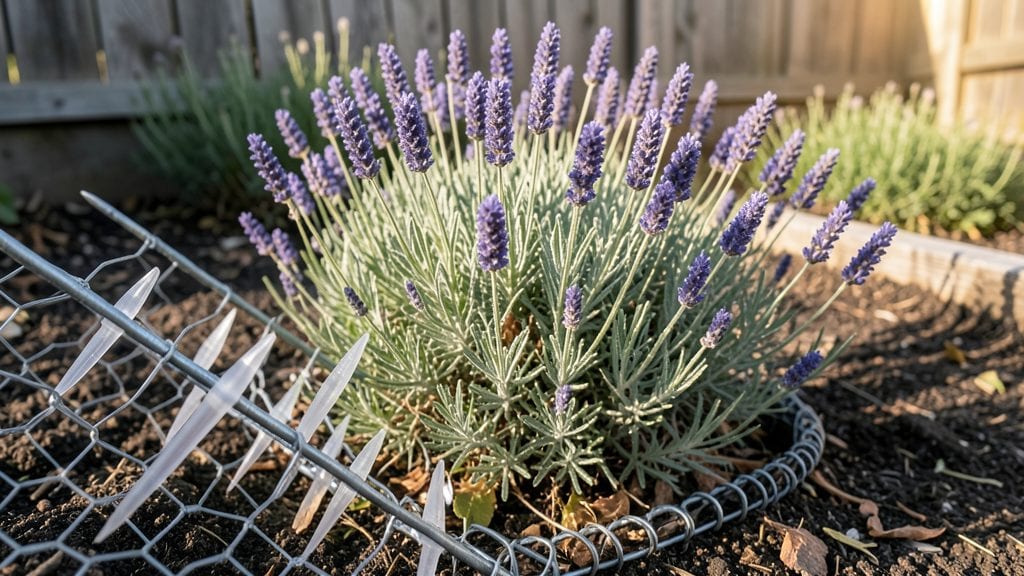
Learning how to keep a dog out of flower beds starts with the right barriers—our golden retriever’s once-destroyed garden proves it! 🌱 Physical solutions save your plants and sanity without chemicals or training. The key is creating obstacles that say "no" without confusing your pup or harming the soil.
Start with something simple like chicken wire buried 6 inches deep around the edges—it’s invisible once planted but stops even the most determined digger. For a cleaner look, try decorative edging made from metal or stone, which doubles as a visual boundary.
Both options work instantly and blend into any garden style.
You’ll notice a difference within 24 hours—no more trampled petunias or uprooted bulbs. The plants stay healthy, the soil stays intact, and your dog learns where to dig without punishment. Best of all, these methods keep working season after season with minimal upkeep.
Works for any yard size, from small urban plots to sprawling backyards. The right barrier turns your flower beds into a no-go zone your dog will respect—without sacrificing beauty or safety. Let’s get started!
📚 In This Guide
- What you need
- Instructions
- Tips and common mistakes
- Wrapping up and next steps
What you need
- ● Physical barriers: 1–2 rolls of chicken wire (18–24 inches tall, 2–3 feet wide) – for temporary or semi-permanent protection.
- ● 1–2 rolls of hardware cloth (1/4-inch mesh, 18–36 inches tall) – more durable than chicken wire and chew-resistant.
- ● Plastic or metal edging (e.g., landscape edging, 6–12 inches tall) – defines the bed and deters digging.
- ● Stakes & supports: 6–10 galvanized metal stakes (6–12 inches long) – to secure barriers in place.
- ○ Optional: bending wire or zip ties – for extra stability if using flexible materials.
- ● Deterrents: 1–2 bottles of pet-safe repellent spray (e.g., vinegar-water mix or commercial dog deterrents like Sentry Stop That!).
- ● Citrus or coffee grounds (1–2 cups) – natural, temporary repellents (reapply after rain).
- ● Tools: Pliers or wire cutters – for shaping and securing barriers.
- ● Hammer or mallet – to drive stakes into the ground.
- ● Garden gloves – because nobody likes thorns or prickly wire!
- ● Measuring tape – for precise barrier placement.
- ● Scissors or utility knife – for trimming materials to size.
- ● Decorative rocks or mulch – covers the base of barriers for a polished look.
- ● Solar-powered motion-activated sprinkler (e.g., ScareCrow) – surprises dogs with a gentle spray when they get too close.
- ● Landscape fabric – lines the bed to prevent roots from growing into barrier gaps.
- ● Dog-proof plants (e.g., lavender, rosemary, or boxwood) – doubles as a natural barrier if your pup is curious but not destructive.
Step-by-Step guide to installing physical barriers for flower beds
Here’s how to create effective, instant protection for your garden without relying on harsh chemicals or temporary fixes.
🪴 Step 1: Choose the Right Barrier Material
Start with sturdy, dog-proof materials like hardware cloth (½-inch mesh) or plastic plant guards—both are nearly impossible for most dogs to chew through. Avoid chicken wire; it’s too flimsy and can be easily torn. For raised beds, metal edging or decorative stone borders work beautifully while adding curb appeal. Measure your flower bed perimeter first—you’ll need enough material to cover the entire area with a 4-6 inch vertical barrier.
I like to use galvanized steel edging for permanent solutions because it lasts years and blends seamlessly into landscapes. If you’re working with an existing in-ground bed, plastic plant collars (6-8 inches tall) are a quick, affordable fix. Test the material’s durability by pressing down firmly—if it bends or flexes, it won’t hold up to determined diggers.
☀️ Step 2: Install the Barrier at the Right Depth
Dig a 2-3 inch trench along the outer edge of your flower bed to bury the barrier. This prevents dogs from simply jumping over or pushing through from the top. For hardware cloth, fold the edges inward at the bottom to create a small lip—this stops even the most persistent pups from digging underneath. If using metal edging, secure it with landscape staples or heavy-duty zip ties every 12-18 inches to keep it rigid.
For raised beds, attach the barrier to the inside of the frame before filling with soil. This way, the barrier becomes part of the bed’s structure, and you won’t have to worry about it shifting later. Water the soil lightly after installation—this helps settle everything and makes the barrier less noticeable to curious noses.
✂️ Step 3: Add Visual and Sensory Deterrents
Dogs often dig out of boredom or curiosity, so combine physical barriers with sensory signals. Sprinkle gravel or crushed stone along the barrier’s top edge—dogs dislike the texture under their paws. You can also plant thorny shrubs like barberry or roses along the perimeter; the prickles act as a natural deterrent while adding beauty to your garden.
Place motion-activated sprinklers near the barrier’s base—even a light mist startles dogs and reinforces the boundary. I’ve found that spraying a mild vinegar-water mix (1:1 ratio) along the barrier’s top edge deters digging without harming plants. Reapply after rain, as the scent washes away quickly. The key is consistency: dogs learn boundaries fastest when they encounter the same cues repeatedly.
🌱 Step 4: Train Your Dog to Respect the New Boundary
Walk your dog along the barrier daily for 5-7 minutes, using a long leash (15-20 feet) to guide them away from the bed if they approach. Reward calm behavior with treats or praise when they stay back. Avoid scolding—it creates negative associations and can make digging more appealing as a way to escape discipline. Instead, use a firm but neutral voice to redirect their attention.
For dogs that still dig, create a designated dig area filled with sand or a shallow pit where they’re allowed to scratch. Place it far enough from the flower bed so they don’t confuse the two spaces. Over time, most dogs adjust to the new routine, especially if the barrier is paired with positive reinforcement. Patience is critical—some pups take 2-3 weeks to fully respect the boundary.
💧 Step 5: Maintain and Reinforce the Barrier
Check the barrier weekly for gaps, loose sections, or signs of wear. Dogs are clever—they’ll exploit even small openings. Replace damaged hardware cloth immediately, and tighten any wobbly edging. In high-traffic areas, consider doubling the barrier height (e.g., 8 inches instead of 6) to prevent jumping.
Refresh sensory deterrents seasonally. Reapply gravel, retrain with treats, and trim overgrown plants that might obscure the barrier. If you notice your dog circling the bed or pawing at the soil, it’s time to reinforce the routine with extra walks and positive reinforcement. A well-maintained barrier paired with consistent training keeps flower beds intact for years.
Tips & tricks for effective flower bed barriers
These practical insights will help you create a durable, dog-proof garden boundary that actually works the first time.
Material Selection Tip: For Step 1, consider interlocking metal edging if you want a permanent, invisible solution. It snaps together easily and creates a clean, professional look that blends with any landscape. For temporary setups, heavy-duty plastic plant guards (8 inches tall) work wonders—they're lightweight, easy to install, and nearly indestructible for most dogs. Always test materials by pressing firmly; if they flex, they won't withstand determined digging.
Installation Depth Strategy: In Step 2, the 2-3 inch trench is your secret weapon against dogs who try to dig underneath. For hardware cloth specifically, create that inward fold at the bottom to form a 1-inch lip—this prevents even the most persistent pups from tunneling through. I've seen dogs try to dig under barriers that weren't properly buried, so don't skip this critical detail.
Training Reinforcement: When implementing Step 4's daily walks, use the 5-7 minute sessions as an opportunity to reinforce boundaries through positive association. Bring high-value treats and reward your dog when they stay 3 feet away from the barrier. The goal is to create a mental association between the barrier and good things—this works better than punishment alone. Between us, I've had better success with this method than with any commercial deterrent spray.
Seasonal Maintenance Hack: For Step 5's weekly checks, set a reminder on your phone for the first and fifteenth of every month. This timing ensures you catch any wear before it becomes a problem. I've found that dogs often exploit small gaps that develop over time, so those regular inspections are absolutely critical. Keep a small toolkit handy with extra zip ties and staples for quick repairs.
Pro Tips for Keep A Dog Out Of Flower Beds
- These practical insights will help you create a durable, dog-proof garden boundary that actually works the first time.
- Material Selection Tip: For Step 1, consider interlocking metal edging if you want a permanent, invisible solution.
- Installation Depth Strategy: In Step 2, the 2-3 inch trench is your secret weapon against dogs who try to dig underneath.
Frequently asked questions
What’s the quickest way to stop a dog from digging in flower beds?
Physical barriers like chicken wire or hardware cloth work instantly—bury the edges slightly and top with mulch or rocks to deter digging. For immediate results, try a spray deterrent (like vinegar-water mix) or a motion-activated sprinkler to startle them away.
How long does it take for a dog to stop going near flower beds after using barriers?
Most dogs adjust within 3–7 days if the barrier is consistent. Start with short training sessions (5–10 minutes) and reinforce with positive reinforcement. If your dog is stubborn, combine barriers with redirection (like a designated digging spot) for faster results.
Are there chemical-free ways to keep dogs out of flower beds?
Try these non-toxic methods:
- Citrus peels or coffee grounds (dogs dislike the smell)
- Mulch or pine cones (uncomfortable under paws)
- Rocks or gravel (visual and tactile deterrents)
- Ultrasonic repellents (harmless sound waves)
What if my dog keeps digging even after using barriers?
Digging could signal boredom, anxiety, or instinctual behavior. Try:
- Increasing exercise and playtime (30+ minutes daily)
- Providing a sandbox or designated dig area with toys
- Checking for underlying stress (like separation anxiety)
- Using calming aids (like Adaptil sprays or chew toys)
Will barriers hurt my dog or damage my plants?
No! Safe materials like bamboo fencing, wire mesh, or plastic edging won’t harm dogs or roots. Avoid sharp objects (e.g., broken glass) or toxic deterrents (like mothballs). Always secure barriers so they don’t become chew toys—supervise initially to ensure safety.
Wrapping up and next steps
Keeping your pup out of flower beds doesn’t have to be a battle—with the right physical barriers, you can protect your garden while still letting your dog enjoy the outdoors. Whether you opt for chicken wire, raised beds, or mulch barriers, consistency and positive reinforcement are key.
Start with one method, observe what works best for your dog’s behavior, and adjust as needed.
Now that you’re armed with solutions, take the next step: test a few options in your yard and see which one feels like the best fit for your space and your pup’s habits. Happy gardening—and happy digging-free adventures! 🌸🐾