Pests
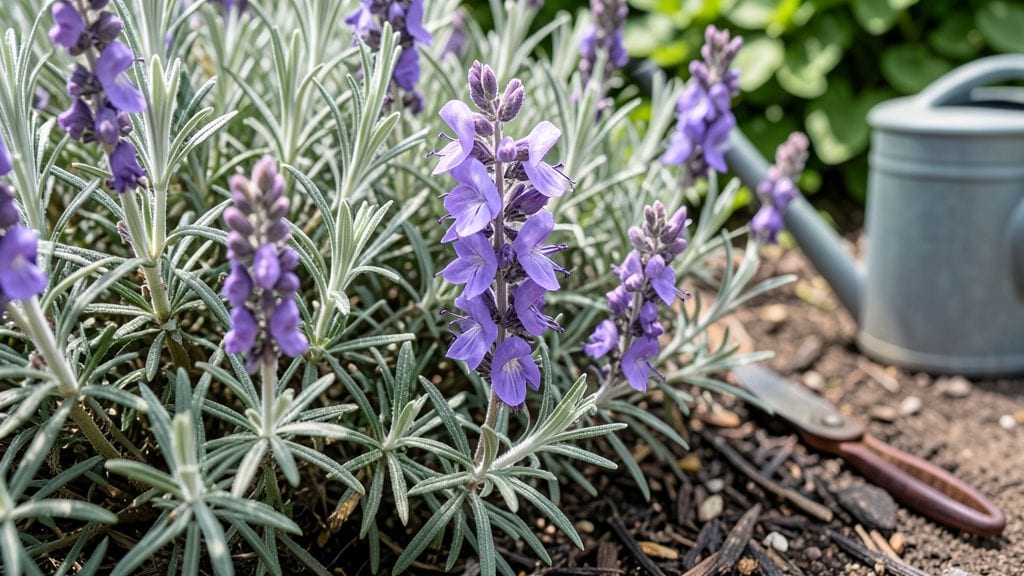
Learn how to keep squirrels out of flower beds before they turn your carefully planted annuals into their midnight snack stash—again. The good news? A spice-infused barrier that actually works—no more trial-and-error repellents that squirrels ignore after a week.
The secret lies in combining physical deterrents with natural scents squirrels hate—think cayenne pepper, garlic powder, and crushed red pepper flakes. You’ll need a few basic supplies: a 2-inch mesh hardware cloth for the barrier, cotton gloves (trust me), and a spray bottle for the spice mix.
This isn’t just a quick fix; it’s a year-round solution that adapts as squirrels try to outsmart you.
By the time you’re done, your flower beds will look untouched, your plants will thrive without constant replanting, and you’ll finally get that peace of mind. The spice barrier confuses their sense of smell while the mesh keeps them from digging through—no more buried bulbs or chewed stems.
Here’s exactly how to set it up without turning your yard into a war zone.
Works for perennials, annuals, and even vegetable patches—just adjust the mesh height for taller plants. The best part? It’s humane, chemical-free, and squirrels don’t build up a tolerance to it like they do with other repellents.
Let’s get those flower beds back to looking like your design, not a squirrel’s buffet.
📚 In This Guide
- What you need
- Instructions
- Tips and common mistakes
- Wrapping up and next steps
What you need
- ● Cayenne pepper or red pepper flakes – 1–2 cups (hotter = better deterrent!)
- ● Castor oil – 1 cup (non-toxic and squirrel-hating!)
- ● Water – 1 gallon (for mixing)
- ● Spray bottle or garden sprayer – 1–2 (1-gallon capacity recommended)
- ● Gloves – 1 pair (to avoid pepper burns!)
- ● Measuring cups/spoons – 1 set (for precise mixing)
- ○ Stakes or markers – Optional but helpful (to mark treated areas)
- ● Garlic or onion powder – ½ cup (adds extra stink power!)
- ● Mothballs (outdoor-grade) – 2–3 (place in mesh bags near beds)
- ● Chicken wire or hardware cloth – Enough to cover vulnerable spots (for physical barriers)
- ● Refillable spray bottles – Extra for touch-ups
- ● Pruners or shears – 1 pair (to trim back overgrown areas)
How to create a spice-infused barrier against squirrels
This natural, long-lasting method keeps squirrels away without harming them or your plants.
Choose Your Spice Blend and Application Method
Start with a combination of cayenne pepper, black pepper, and crushed red pepper flakes—these create an unpleasant scent and taste for squirrels. I like to mix 2 tablespoons of cayenne, 1 tablespoon of black pepper, and 1 tablespoon of red pepper flakes per 1 gallon of water. This creates a strong but safe deterrent.
For larger flower beds, you can also sprinkle the spices directly along the edges. Just be sure to reapply after rain or watering, as the scent will wash away. If you have pets or children, avoid using this method near areas they frequent, as the spices can irritate their eyes or paws.
Prepare and Apply the Spice Solution
Mix the spices with warm water in a bucket to dissolve them fully. Stir well until the mixture is uniform—you want every drop to carry that sharp, deterring scent. Once ready, pour the solution along the perimeter of your flower beds, focusing on the edges where squirrels typically dig or nibble.
For a stronger barrier, combine this with diatomaceous earth (food-grade only) along the bed’s edge. The earth creates a physical barrier while the spices add the scent deterrent. Reapply every 7-10 days or after heavy rain to maintain effectiveness. Avoid spraying on foliage, as it can harm plants.
Reinforce with Physical Barriers for Extra Protection
While the spice solution works well, adding a physical barrier like chicken wire or hardware cloth buried 2-3 inches deep around the bed’s edge can prevent squirrels from tunneling underneath. Secure the wire tightly to stakes or posts, leaving no gaps larger than 1 inch—squirrels can squeeze through surprisingly small openings.
For raised flower beds, line the inside of the bed with landscape fabric before adding soil. This adds an extra layer of protection while still allowing water and nutrients to reach your plants. Combine this with the spice solution for a two-pronged defense that’s nearly foolproof.
Monitor and Maintain the Barrier
Check your flower beds weekly to ensure the spice solution hasn’t washed away or lost its potency. If you notice squirrels returning, reapply the mixture and consider adding reflective tape or old CDs along the edges—squirrels dislike the flashing light and movement.
If you’re dealing with persistent squirrels, try rotating deterrents. For example, alternate between the spice solution and motion-activated sprinklers (set to a gentle spray). The combination of scent, movement, and occasional water mist keeps them guessing and away from your plants.
Tips & tricks for perfect spice-infused squirrel barriers
Here's what I've learned from years of keeping squirrels at bay—these little tricks make all the difference in creating an effective, long-lasting barrier.
Spice Strength Matters: For maximum effectiveness, use food-grade cayenne pepper—it's the most potent deterrent for squirrels. If you're concerned about the heat level, you can reduce the cayenne slightly (to 1.5 tablespoons per gallon) while keeping the black and red pepper flakes at the same amounts. The combination creates a scent squirrels find truly unpleasant without harming them or your plants.
Application Technique: When applying the spice solution, focus on the outer 6-12 inches of your flower beds where squirrels typically dig. Use a watering can with a narrow spout to precisely target these areas. For raised beds, apply the solution to the outer edges of the soil rather than pouring it directly onto plants. This creates a scent barrier without damaging your flowers.
Combine Methods for Extra Protection: The instructions mention diatomaceous earth and physical barriers—these work best when combined. Sprinkle the diatomaceous earth along the bed's edge first, then apply the spice solution on top. This creates both a physical and scent barrier that squirrels won't want to cross. For particularly troublesome areas, bury the chicken wire 3 inches deep (instead of 2-3) to prevent any tunneling attempts.
Seasonal Adjustments: In winter, you may need to apply the spice solution more frequently—every 5-7 days instead of 7-10—as the scent dissipates more slowly in cooler weather. Conversely, during hot summer months, you might find the solution lasts 10-12 days before needing reapplication. Always check after heavy rain regardless of season.
Pro Tips for Keep Squirrels Out Of Flower Beds
- Here's what I've learned from years of keeping squirrels at bay—these little tricks make all the difference in creating an effective, long-lasting barrier.
- Spice Strength Matters: For maximum effectiveness, use food-grade cayenne pepper—it's the most potent deterrent for squirrels.
- Application Technique: When applying the spice solution, focus on the outer 6-12 inches of your flower beds where squirrels typically dig.
Frequently asked questions
Got questions about keeping squirrels away from your flower beds?
You’re not alone! Here are answers to the most common concerns—so you can protect your garden without stress.
What’s the best time of year to set up squirrel deterrents?
Spring or early fall is ideal! Install barriers before squirrels start digging (spring) or caching food (fall). If they’re already active, act fast—squirrels learn quickly. For year-round protection, combine physical barriers (like spice-infused mesh) with seasonal checks.
Will cayenne pepper or other spices harm my plants?
Not if used correctly! Pure spices (like cayenne or garlic powder) are safe in small amounts. Mix them into a spray or barrier away from direct plant contact. Avoid concentrated oils—they can burn foliage. Always test a small patch first to ensure compatibility with your flowers.
How do I make a spice barrier last longer?
Reapply every 4–6 weeks or after rain. Store spice mixes in airtight containers away from moisture. For extra durability, blend spices with a carrier (like flour or cornmeal) to slow dissolution. Check for squirrel activity weekly—if they’re tunneling, reinforce the barrier immediately.
What if squirrels keep coming back after I’ve tried everything?
Try a multi-layered approach: Combine spice barriers with physical obstacles (like chicken wire) and ultrasonic repellents. Squirrels are persistent, so rotate deterrents (e.g., swap cayenne for predator urine scents). If all else fails, consider live traps for relocation—humane and effective!
Are there chemical-free alternatives to spice barriers?
Try these:
- Predator scents: Use cotton balls soaked in predator urine (available at garden stores). Refresh weekly.
- Motion-activated sprinklers: Startles squirrels without harming them.
- Plant companions: Marigolds or daffodils deter squirrels with their scent.
- DIY noise makers: Wind chimes or old CDs strung above beds create unpredictable movement.
Wrapping up and next steps
Keeping squirrels out of your flower beds doesn’t have to be a battle—just a smart, spice-powered strategy! 🌿 By combining cayenne pepper, garlic, and a few DIY barriers, you’ve got a year-round solution that’s safe, effective, and budget-friendly.
The key is consistency: reapply your spice mix seasonally and reinforce physical deterrents to keep those bushy-tailed intruders at bay.
You’ve got this! Start by testing one section of your garden this weekend—observe how the squirrels react, then expand your defenses. Happy gardening, and may your blooms thrive without the squirrel snack attacks! 🌸