Flowers
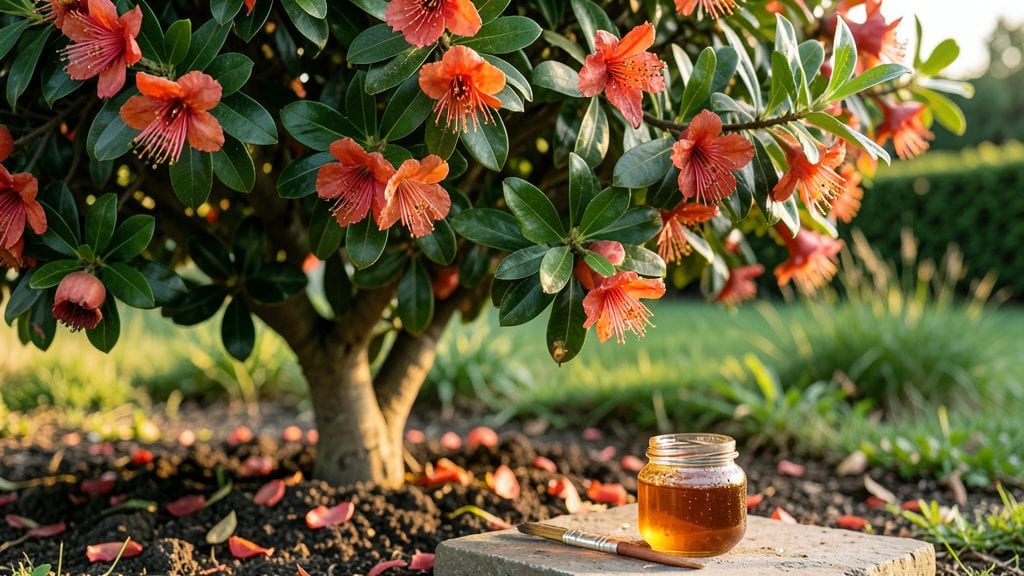
Pollinating pomegranate flowers by hand turns a handful of fruit into a bountiful harvest—and it’s easier than you’d think. 🌸 I’ve watched my pomegranate bushes go from sparse clusters to heavy branches under the weight of fruit simply by spending 10 minutes a day during bloom.
The key is timing: flowers open in late spring, and you’ve got just 5-7 days to act before petals fall.
You don’t need fancy tools—just a soft paintbrush or cotton swab and a little patience. Bees help, but they’re not always reliable, especially in cool or rainy weather. My trick?
Gently transfer pollen from one flower to another by brushing the stamens (those fuzzy yellow bits) onto the pistil (the green center). Do this twice daily for the best results, and you’ll see fruit set within 2-3 weeks.
The payoff is worth it: instead of a few scattered pomegranates, you’ll end up with dozens of plump, jewel-toned fruits ready to harvest in fall. The texture of the rind stays firm, the seeds stay juicy, and you’ll finally get that showstopping harvest you’ve been dreaming of.
Plus, the process is oddly satisfying—like giving your plants a little helping hand.
Works for both backyard bushes and container-grown plants, though larger varieties need more frequent attention. If your flowers aren’t setting fruit, check for pests or weather delays—but with this method, you’ll have control over the outcome. Ready to turn those blossoms into a harvest?**
📚 In This Guide
- What you need
- Instructions
- Tips and common mistakes
- Wrapping up and next steps
What you need
- ○ Soft-bristled paintbrush (size 00 or 000—optional but ideal for precision)
- ● Small hand mirror (compact, 3–4 inches—helps spot hidden flowers 🔍)
- ● Gloves (lightweight, nitrile or cotton—keeps hands clean and protected)
- ● Magnifying glass (3x–5x magnification—highly recommended for close-up work)
- ● Spray bottle (filled with water—keeps flowers hydrated during pollination)
- ● Notebook & pen (to track pollinated flowers and progress)
- ● Pruning shears (sterilized, for trimming spent blooms or excess growth)
- ● Mature pomegranate tree (2+ years old, with open flowers—ideal time: early morning)
- ● Two or more pomegranate varieties (for cross-pollination—e.g., ‘Wonderful’ + ‘Eversweet’)
- ● Sunny, dry weather (humidity avoid rain or dew)
- ● Patience & steady hands (pomegranate flowers are tiny—go slow!)
- ● Honey or sugar water (1 tsp honey in 1 cup water—boosts pollinator attraction)
- ● Labeling tags (for marking pollinated flowers)
- ● Knee pad or stool (for comfort during long sessions)
- ● Camera or phone (to document progress—fun for tracking fruit development!)
Step-by-step instructions for hand-pollinating pomegranate flowers
Here’s how I ensure my pomegranate trees set fruit like crazy—no bees required.
🌿 Step 1: Identify and Select Healthy Flowers
Pick flowers that are fully open with visible stamens (the yellow pollen-covered parts) and a slightly raised stigma (the fuzzy red tip). I avoid flowers with damaged petals or signs of pests—they won’t produce fruit even if pollinated. The best time to work is on a dry morning after dew has evaporated, when pollen is most active.
Gently shake each flower to release loose pollen onto your fingertip. If no pollen comes off, skip it—it’s either too young or already spent. I like to work with 4-6 flowers at a time to keep things manageable. Focus on flowers that are 3-5 days old—they’re at peak fertility.
🌱 Step 2: Cross-Pollinate Between Flowers
Dip your fingertip (or a small paintbrush if you prefer) into the pollen from the first flower, then transfer it to the stigma of a different flower on the same tree. I move in a zigzag pattern—never pollinate two flowers from the same cluster in a row. This mimics how bees naturally cross-pollinate, increasing genetic diversity and fruit set.
Press lightly but firmly for 2-3 seconds to ensure pollen sticks. I’ve found that pomegranates respond best when pollen is transferred directly to the stigma’s center. If working with multiple trees, alternate between them to maximize cross-pollination. Repeat this process for all open flowers on the tree every 2-3 days during peak bloom.
☀️ Step 3: Monitor for Fruit Set and Thin as Needed
Within 7-10 days, you’ll see small green fruit begin to form. This is your signal that pollination worked! However, pomegranate trees often set too many fruits, which weakens the tree. Once fruits are pea-sized (about ½ inch), thin them to 6-8 inches apart along each branch. I always keep the largest, healthiest-looking fruits and remove the rest with clean pruners.
Thinning isn’t just about quantity—it’s about quality. Overloaded branches can split, and fruits may stay small or develop poorly. After thinning, give the tree a deep watering to help it recover. Watch for any fruits that turn brown or drop prematurely—these were likely under-pollinated or stressed.
💧 Step 4: Support Fruit Development Through Maturity
Once fruit is set, focus on consistent care. Pomegranates need deep watering once a week (more in extreme heat) to prevent stress. I mulch around the base with 2-3 inches of organic mulch to retain moisture and regulate soil temperature. Avoid fertilizing heavily now—too much nitrogen can reduce fruit quality.
By mid-summer, fruits will turn from green to a dull yellow or pinkish hue. This is when they’re nearing maturity. I check for firmness—ripe pomegranates should feel heavy for their size. If birds or squirrels become a problem, cover fruits with light netting until harvest time.
Tips & tricks for perfect pomegranate pollination
These simple tricks will help you maximize fruit set and avoid common pitfalls when hand-pollinating your pomegranate flowers.
Timing is Everything: Focus on flowers that are 3-5 days old—this is when they're at peak fertility and most receptive to pollination. I check for slightly raised stigmas (the fuzzy red tips) and visible stamens covered in yellow pollen. Morning is ideal because dew can interfere with pollen transfer later in the day.
The Technique That Changed Everything: Use a clean paintbrush instead of your fingertip for more precise pollen transfer. I dip the brush into pollen from one flower, then gently brush the stigma of a different flower in a circular motion. This ensures better coverage and reduces the risk of spreading diseases between flowers. Remember to alternate between clusters to mimic natural cross-pollination.
Monitoring for Success: After pollination, watch for small green fruits forming within 7-10 days. If you see brown or dropping fruits, they were likely under-pollinated—give them another try! I always keep a pollination log to track which flowers I've worked on, so I don't accidentally re-pollinate the same ones.
Thinning Strategy: When fruits reach pea-size (½ inch), thin them to 6-8 inches apart along each branch. This might seem harsh, but it prevents overloading the tree and ensures larger, healthier fruits. I always remove the smallest or damaged fruits first, keeping only the largest, healthiest-looking ones. After thinning, give the tree a deep watering to help it recover.
Pro Tips for Pollinate Pomegranate Flowers
- These simple tricks will help you maximize fruit set and avoid common pitfalls when hand-pollinating your pomegranate flowers.
- Timing is Everything: Focus on flowers that are 3-5 days old—this is when they're at peak fertility and most receptive to pollination.
- The Technique That Changed Everything: Use a clean paintbrush instead of your fingertip for more precise pollen transfer.
Frequently asked questions
Got questions about hand-pollinating pomegranates? You’re not alone! Here are some of the most common concerns—plus quick, actionable answers to keep your pomegranate tree thriving.
How do I know if my pomegranate flowers are ready for pollination?
Pomegranate flowers are ready when their petals fully unfurl (usually in late spring or early summer, depending on your climate). Look for vibrant, open blooms with visible stamens (the male parts) and pistils (the female parts). Pro tip: Pollinate in the morning when humidity is low—this helps pollen stick better!
How often should I pollinate pomegranate flowers?
Pollinate every 2–3 days during peak bloom (when most flowers are open). Pomegranates have a short pollen lifespan, so frequent checks ensure maximum fruit set. If you’re short on time, focus on the healthiest flowers first—they’ll produce the best fruit.
Can I skip hand-pollination if I have bees?
Bees can pollinate pomegranates, but they often miss the deep, tubular flowers. Hand-pollination guarantees a heavier fruit load, especially in areas with low bee activity or cool weather. For best results, combine both methods—let bees help where possible, then fill in the gaps manually.
Why aren’t my pomegranates setting fruit after pollination?
Fruit drop can happen due to stress (overwatering, extreme heat), poor nutrition (low phosphorus/potassium), or immature flowers. Thin excess fruit early to reduce strain on the tree. If issues persist, test soil pH (ideal: 6.0–7.0) and fertilize with citrus-specific nutrients.
Do I need to pollinate every single flower?
No! Focus on 1–2 flowers per branch to avoid overloading the tree. Pomegranates produce larger fruit when spaced properly. Save energy for the healthiest blooms—you’ll end up with juicier, more manageable harvests.
Wrapping up and next steps
Pollinating pomegranate flowers may seem like a delicate task, but with patience and the right techniques, you’ll soon be rewarded with juicy, abundant fruit! 🌸 Remember, timing, gentle handling, and consistency are key—whether you’re using a soft brush, tweezers, or even a feather. Don’t be discouraged if results take a little time; even the most experienced gardeners see gradual progress.
Now that you’re armed with these tricks, take the next step! Monitor your flowers for signs of pollination (like swelling buds) and keep an eye out for pests or weather challenges. Before you know it, you’ll be harvesting homegrown pomegranates—worth every effort! 🍇