
Propagation
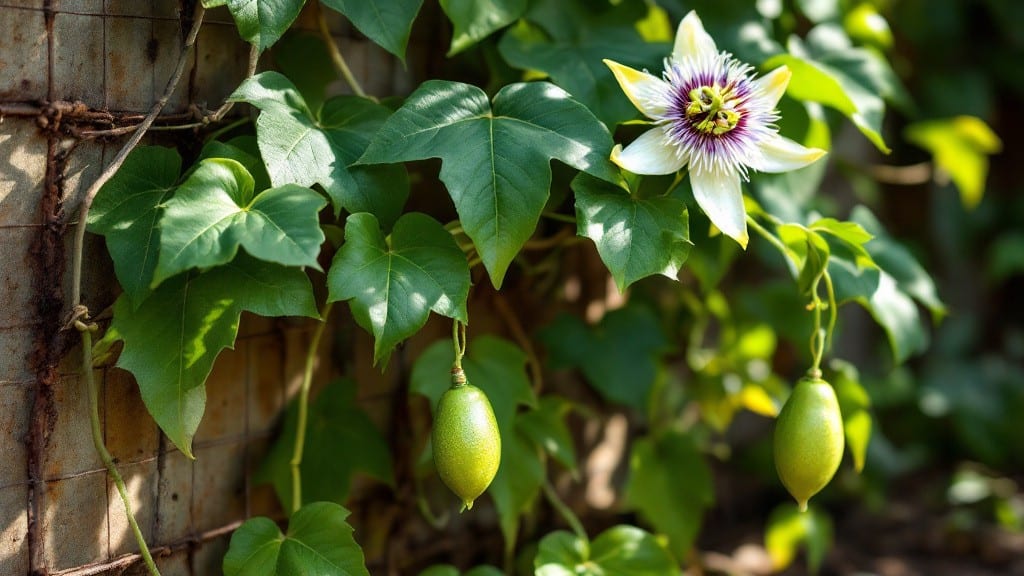
Propagating passion flower vine from stem cuttings is one of those gardening wins that feels like magic—you take a simple cutting, give it the right conditions, and soon you're watching new roots sprout like tiny green fireworks. 🌱 The key isn’t some secret technique; it’s matching the timing, tools, and environment to what this tropical vine actually needs to thrive.
I’ve rooted dozens of cuttings, and the ones that fail usually get it wrong on humidity or light. Once you nail those basics, success becomes foolproof.
You’ll need just a few simple supplies: sharp pruners (sterilized with rubbing alcohol), a rooting hormone (optional but helpful), a well-draining mix of perlite and peat moss, and a clear plastic bag or humidity dome to keep things cozy.
The best time to take cuttings is in late spring or early summer when the vine is actively growing—those new shoots are packed with energy for rooting. Most cuttings will show roots in 3-4 weeks, but be patient if yours takes longer; passion vines grow at their own pace.
What you end up with is a lush, thriving vine that climbs faster than weeds and produces those exotic, velvety flowers with their intricate crowns. The first blooms might take a season, but the foliage alone is enough to turn heads—deep green, glossy leaves that feel like silk.
This method works for both standard passion flowers and the hardier varieties, so you can experiment with different types without breaking the bank. Soon, you’ll have enough cuttings to share with friends or expand your garden’s vertical space.
This technique adapts well to different climates—just adjust the humidity and light accordingly. In dry areas, mist your cuttings daily or use a small fan to keep air circulating, while humid climates might need less fuss. The real secret?
Treating your cuttings like delicate babies at first, then letting them toughen up as roots develop. Once you’ve got the hang of it, you’ll wonder why you ever bought plants instead of growing your own.
📚 In This Guide
- What you need
- Instructions
- Tips and common mistakes
- Wrapping up and next steps
What you need
- ● Healthy passion flower vine: Choose a mature, disease-free vine with at least 3–4 nodes (swollen areas where leaves grow). Aim for 4–6-inch-long stems.
- ● Sharp pruning shears or knife: Sterilized to prevent contamination (rubbing alcohol works great!).
- ○ Rooting hormone (optional but recommended): A powder or gel (like Clonex or Dip ‘N Grow) to boost root growth.
- ● Well-draining potting mix: A blend of perlite, vermiculite, or coconut coir (50%) + peat or compost (50%). Avoid heavy garden soil!
- ● Small pots or trays: 4–6 inches deep with drainage holes (one per cutting). Clear plastic containers work too!
- ● Misting bottle or spray nozzle: To keep cuttings hydrated without soggy soil.
- ● Plastic wrap or humidity dome: To create a mini greenhouse effect (e.g., a cut-off plastic bottle or clear bag).
- ● Watering can or cup: For gentle hydration—no drenching!
- ● Heat mat: Keeps soil warm (70–75°F) for faster rooting.
- ● Grow lights: If propagating indoors with low light.
- ● Label markers: To track cuttings by date or variety.
- ● Fungicide (like neem oil): Preemptive strike against mold or rot.
Step-by-Step instructions for propagating passion flower vine
Here's my foolproof method for growing new passion flower vines from cuttings—no fancy equipment needed.
🌱 Step 1: Select and Prepare Healthy Stem Cuttings
Choose 4-6 inch long stems from current season's growth—they should have 2-3 leaf nodes (the small bumps where leaves attach) and at least one set of leaves. I always pick stems from the middle section of the vine because they're fully matured but not yet woody. Use clean, sharp pruners to make a 45-degree angle cut just below a node.
Remove the lower leaves from the cutting, leaving only the top 1-2 sets. This prevents rot when the cutting sits in water or soil. Strip off any flower buds too—you want all the plant's energy focused on rooting, not blooming. Here's the thing—if your cutting has yellowing or damaged leaves, skip it. Healthy leaves mean healthy roots.
💧 Step 2: Root the Cuttings in Water or Soil
Place the prepared cutting in a glass of room-temperature water, making sure only the bottom node (where roots will form) is submerged. I use a small vase or jar because passion flower roots grow fast—you'll see tiny white root hairs in 2-3 weeks. Change the water every 3-4 days to prevent bacteria buildup. Keep the cutting in bright, indirect light (no harsh sun—it'll scorch the leaves).
Alternatively, you can root directly in moist potting mix. Dip the cut end in rooting hormone (optional but speeds things up), then plant the cutting 1-2 inches deep in a small pot with well-draining soil. Cover the pot with a clear plastic bag to create humidity, and place it in warmth (around 70-75°F). Roots should appear in 3-4 weeks—check by gently tugging the cutting. If it resists, roots are forming!
✂️ Step 3: Transplant and Care for New Growth
Once roots reach 2-3 inches long (for water-rooted cuttings) or you see new leaf growth (for soil-rooted cuttings), it's time to transplant. For water-rooted cuttings, rinse off any algae from the roots, then plant in a 6-inch pot with well-draining potting mix. Press the soil gently around the stem to secure it—don't bury the leaves (they should stay above soil level).
Water lightly after transplanting, then reduce watering until new growth appears. Place the new plant in bright, indirect light for the first week to help it adjust. After 2-3 weeks, you can gradually introduce it to morning sun (passion flowers love sun but need time to acclimate). Here's where it gets fun—watch for new leaves emerging within 4-6 weeks. That's your sign the cutting has successfully rooted!
Feed with a balanced liquid fertilizer (like 10-10-10) every 4-6 weeks once new growth starts. By next season, your new passion flower vine will be climbing and blooming just like the mother plant!
Tips & tricks for propagating passion flower vine
A few simple secrets can make all the difference when growing new passion flower vines from cuttings.
Cutting Selection: In Step 1, focus on stems with 2-3 leaf nodes—these are the powerhouses for root growth. I've found that cuttings from the middle section of the vine (not the tips or base) root most reliably. The 45-degree angle cut is crucial too—it increases surface area for root formation. Confession: I skipped this detail early on and had poor results until I paid attention to the angle.
Water Change Strategy: When rooting in water (Step 2), don't just change the water—rinse the jar first! Passion flower cuttings attract algae, and that slimy layer can suffocate developing roots. I use a small vase with narrow neck to minimize surface area for algae growth between changes. The 2-3 week timeline assumes you're changing water every 3-4 days—don't skip this!
Transplant Timing: The 2-3 inch root requirement in Step 3 is non-negotiable for water-rooted cuttings. I've seen people transplant too early, and the delicate roots break during transfer. For soil-rooted cuttings, wait for new leaf growth—this is your best indicator of successful rooting, not just the 3-4 week timeline. Gently tugging the cutting is a great test, but don't yank hard!
Light Transition: That bright, indirect light requirement in Steps 2 and 3 is critical. I've ruined cuttings by placing them in direct sun too soon. Start with east-facing windows, then gradually move to south-facing. The 2-3 week acclimation period to morning sun is where most people fail—don't rush it!
Pro Tips for Propagate Passion Flower Vine
- A few simple secrets can make all the difference when growing new passion flower vines from cuttings.
- Cutting Selection: In Step 1, focus on stems with 2-3 leaf nodes—these are the powerhouses for root growth.
- Water Change Strategy: When rooting in water (Step 2), don't just change the water—rinse the jar first!
Frequently asked questions
Got questions about propagating your passion flower vine?
Here are some of the most common ones—plus quick, actionable answers to help you succeed!
When is the best time of year to take passion flower vine cuttings?
The ideal window is late spring to early summer (May–June in most U.S. zones). This gives your cuttings warm soil, humidity, and long daylight hours to root before winter. Avoid fall or winter—cooler temps slow rooting. If you’re in a tropical climate, year-round propagation is possible as long as temps stay above 60°F (15°C).
How do I know if my cutting will root successfully?
Look for these signs of a healthy cutting:
- Healthy stem: 4–6 inches long with at least 2–3 leaf nodes (swollen areas where roots emerge).
- Fresh cut: Use sharp, sterilized shears to avoid crushing the stem.
- Leaf condition: Trim leaves in half to reduce moisture loss (but keep the top leaves intact).
Why aren’t my passion flower cuttings rooting? Troubleshooting tips
Common issues and fixes:
Problem
Solution
Rot at the base
Reduce watering—soil should stay moist but not soggy. Use a well-draining mix (perlite + peat moss).
No new growth
Check light—bright, indirect sunlight is key. A humidity dome or plastic bag can help.
Yellowing leaves
Overwatering or poor drainage. Let the top inch of soil dry out between waterings.
Can I propagate passion flower vine from seeds instead of cuttings?
Yes, but it’s slower and less reliable than cuttings. Seeds take 6–12 months to mature into flowering vines, and germination rates vary. If you’re patient and want to experiment:
- Sow seeds in warm soil (70–80°F / 21–27°C) after scarifying the hard shell (nick with sandpaper).
- Keep soil consistently moist and provide bright, indirect light.
- Transplant seedlings when they have 2–3 true leaves.
How long until my new passion flower vine is established enough to transplant?
With proper care, cuttings typically root in 4–8 weeks. You’ll know it’s ready when:
- New leaves appear (sign of root growth).
- Gently tug the cutting—if resistance is felt, roots are forming!
Wrapping up and next steps
Propagating a passion flower vine is a rewarding way to expand your garden or share these stunning plants with fellow enthusiasts! With just a few simple steps—selecting healthy stems, rooting them in the right medium, and providing consistent care—you’ll soon watch new vines thrive. 🌱✨
Now that you’ve mastered the basics, why not experiment with different propagation methods or try growing a few varieties? Grab your gardening gloves, and let your passion flower vine adventure begin—your future blooms will thank you!