
Propagation
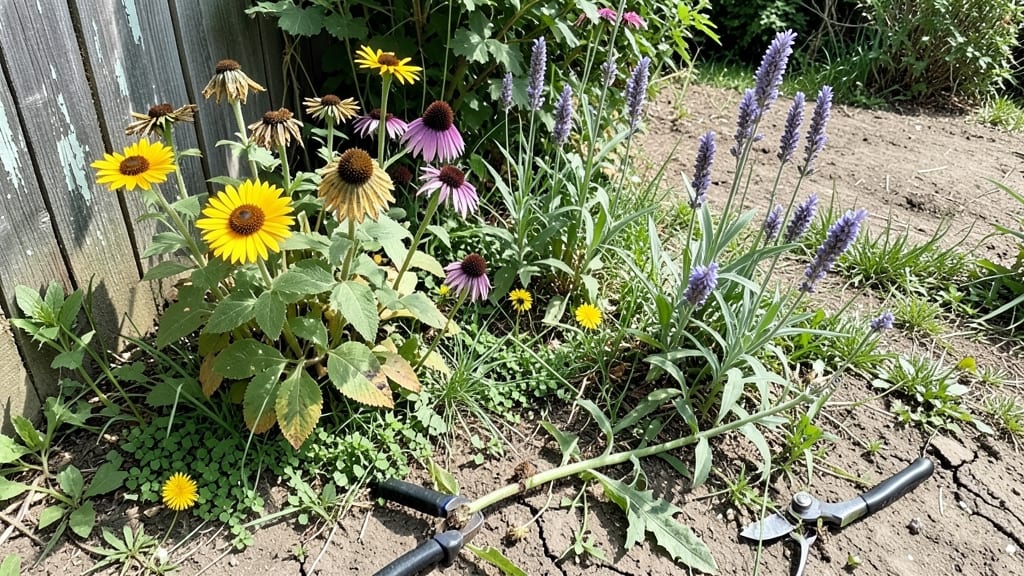
Removing weeds from flower beds doesn’t have to be a battle—just a 15-minute reset with the right approach. I’ve spent years wrestling with stubborn weeds, and the key is combining quick action with long-term prevention.
There’s no need for harsh chemicals when a simple spray can clear them out in minutes.
The secret weapon is a natural weed-killer spray made with vinegar, dish soap, and a little salt—it’s fast, effective, and won’t harm your flowers. You’ll need a spray bottle, some basic ingredients, and a sunny afternoon to tackle the job.
Even deep-rooted weeds start to wilt within hours, making follow-up pulls much easier.
By the end, your flower bed will look refreshed, and the weeds will stay at bay for weeks. The spray works best on young weeds, so make it part of your regular maintenance routine. Plus, you’ll avoid the backbreaking work of digging out established plants.
This method works for any flower bed, whether it’s a small border or a sprawling garden. The best part? You’ll skip the gloves and knee pads while still getting professional results. Let’s get started—your flowers will thank you.
📚 In This Guide
- What you need
- Instructions
- Tips and common mistakes
- Wrapping up and next steps
What you need
- ● Garden gloves – A pair of durable, breathable gloves (nitrile or leather) to protect your hands from thorns and dirt.
- ● Hand weeder or dandelion digger – A sturdy, long-handled tool (like a Fiskars or Gorilla Grip) for deep-rooted weeds.
- ● Garden fork or hori-hori knife – For prying out stubborn weeds near flowers or in tight spaces.
- ● Heavy-duty trash bags – 2–3 large bags (30+ gallon) to haul out weeds and debris.
- ● Watering can or spray bottle – A 1-gallon capacity for your natural weed-killer mix.
- ● White vinegar (5% acetic acid) – 1 gallon (the higher the concentration, the more effective).
- ● Dish soap (unscented) – 1–2 tablespoons (helps the vinegar stick to weeds).
- ○ Salt (optional but effective) – 2 tablespoons (only use sparingly—it can harm soil over time!).
- ● Hose with adjustable nozzle – For rinsing tools and wetting weeds before treatment.
- ● Mulch (straw, wood chips, or pine needles) – 2–3 inches thick to smother weeds long-term.
- ● Boiling water – A kettle or pot for spot-treating stubborn weeds (great for cracks in pavement too!).
- ● Kneeling pad – To protect your knees during long sessions.
- ● Pruners or shears – For trimming back overgrown weeds before removal.
- ● Compost bin – To recycle weed debris into nutrient-rich soil (if weeds aren’t seeded).
Step-by-Step instructions for natural weed removal in flower beds
Here’s the method I’ve used for years to clear weeds without harsh chemicals—fast, effective, and kind to your flowers.
Choose the Right Day and Time
Pick a calm, dry morning or evening when weeds are actively growing. You’ll want the sun to be low in the sky—this prevents the spray from evaporating too quickly and ensures better absorption. Avoid windy days; even a light breeze will carry your mixture onto desirable plants.
Check the weather forecast for the next 24 hours. If rain is expected within that time, wait. Wet weeds absorb the spray less effectively, and rain can wash it away before it works. This is especially important if you’re using a homemade vinegar-based solution—it needs time to break down the weed structure.
Prepare Your Natural Weed-Killer Mixture
In a 1-gallon spray bottle, combine 1 gallon of white vinegar (5% acidity), 1 cup of salt, and 1 tablespoon of liquid dish soap. The vinegar acts as a natural herbicide, salt dehydrates the weeds, and dish soap helps the mixture cling to the leaves. Shake well before each use—these ingredients don’t mix naturally and will separate.
Test the spray on a small, inconspicuous area of your flower bed first. Some plants, like lavender or yarrow, may tolerate it better than others. If you notice any browning or wilting after 24 hours, avoid spraying those areas again. This mixture is selective—it targets weeds but can still harm delicate flowers if overapplied.
Apply the Spray Precisely to Weeds
Fill your spray bottle and hold it 6-8 inches away from the weeds. Focus on the leaves and stems, avoiding your flowers entirely. A light mist is better than a heavy soak—you want even coverage without runoff. For stubborn weeds with thick foliage, apply the spray twice, waiting 5-10 minutes between applications to ensure full saturation.
Work in small sections, especially if your flower bed is large. This lets you monitor the weeds’ reaction and adjust as needed. You’ll see the edges of the leaves curl within 30-60 minutes, and the weeds will turn brown and crispy within 24-48 hours. This is your signal that the spray is working—don’t rush to pull them yet.
Pull or Dig Out Weeds After Treatment
Wait 48 hours after spraying before pulling weeds. The mixture will have broken down their cell structure, making them easier to remove. Use a hand weeder or garden fork to loosen the roots completely—this prevents regrowth. For deep-rooted weeds like dandelions, dig down at least 2 inches below the soil surface to ensure the entire root system comes out.
If you miss any weeds during the initial spray, don’t worry. Reapply the mixture to the remaining ones and pull them after another 48 hours. Consistency is key—weeds that aren’t fully eradicated will bounce back stronger. After pulling, dispose of weeds in a sealed bag or compost bin (only if the compost is hot enough to kill weed seeds).
Prevent Future Weed Growth
Once your flower bed is clear, mulch the area with 2-3 inches of organic mulch (like shredded leaves or straw). Mulch blocks sunlight, which weeds need to germinate, and retains moisture to help your flowers thrive. Reapply mulch every 2-3 months or as it breaks down. This step alone can reduce weeds by up to 80% in the following season.
Water your flower bed deeply but infrequently after mulching. Overwatering can create ideal conditions for weed seeds to sprout, while deep watering encourages strong root growth in your flowers. A drip irrigation system set to 1-2 times per week keeps moisture consistent without inviting weeds. Check the soil 1 inch below the surface—if it’s dry, it’s time to water again.
Tips & tricks for perfect natural weed removal
Here's what I've learned after clearing weeds from flower beds for years—these little details make all the difference.
Weather Watch: The 24-hour weather window is your friend. I always check for rain within that time because even a light shower can wash away your vinegar mixture before it works. If you're unsure, wait—better to delay than waste your effort. And remember, morning or evening sun gives you the best coverage without quick evaporation.
Spray Technique: When applying the mixture in Step 3, think "light mist, not heavy soak." I hold the spray bottle 6-8 inches away and use short bursts to avoid oversaturating the weeds. For tough weeds, that 5-10 minute wait between applications lets the solution really soak in. You'll see the leaves curl at the edges within 30-60 minutes—that's your sign it's working!
Timing is Everything: The 48-hour waiting period before pulling weeds is crucial. I know it's tempting to yank them out sooner, but patience pays off. The vinegar-salt mixture breaks down the weed structure, making them easier to remove completely. For deep-rooted weeds like dandelions, dig at least 2 inches down—any less and they'll grow back stronger.
Equipment Upgrade: A hand weeder with a forked end is worth the investment. It lets you dig out weeds without disturbing your flower roots. I also keep a small trowel handy for precise work in tight spaces. And don't forget to wear gloves—vinegar can be harsh on your skin, especially if you have cuts or sensitive skin.
Pro Tips for Remove Weeds From Flower Bed
- Here's what I've learned after clearing weeds from flower beds for years—these little details make all the difference.
- Weather Watch: The 24-hour weather window is your friend.
- Spray Technique: When applying the mixture in Step 3, think "light mist, not heavy soak."
Frequently asked questions
Got questions about tackling weeds in your flower bed? You’re not alone—here are some of the most common concerns and straightforward answers to help you keep your garden thriving!
What’s the best time of year to remove weeds from a flower bed?
For the most effective removal, target weeds before they seed (late spring to early summer). However, you can pull them year-round—just be gentler in winter to avoid disturbing soil. Pro tip: Morning or evening is ideal when weeds are hydrated but the sun isn’t scorching!
How often should I remove weeds from my flower bed?
Check your flower bed weekly during growing seasons (spring/fall) and bi-weekly in summer. Weeds grow fast—even a few days can turn a small problem into a full-blown invasion. Consistency is key! Consider mulching to cut down on future upkeep.
Are homemade weed killers as effective as store-bought ones?
Yes! Natural sprays (like vinegar + dish soap) work well for young weeds and spot treatment. However, they’re less effective on deep-rooted or woody weeds. For tough cases, combine pulling with a targeted spray. Always test a small area first to avoid damaging plants.
What should I do if weeds keep coming back after I remove them?
Persistent weeds often mean poor soil health or hidden roots. Try these fixes:
- Improve soil: Add compost to starve weeds and nourish flowers.
- Mulch heavily (3–4 inches) to block sunlight.
- Hand-pull roots thoroughly—even tiny fragments regrow!
Can I reuse the weeds I pull from my flower bed?
Weeds can be repurposed in eco-friendly ways:
- Add to compost piles (avoid seed-bearing weeds).
- Use as mulch around trees/shrubs.
- Make weed tea (steep in water for 1–2 weeks as a nutrient-rich fertilizer).
Wrapping up and next steps
Removing weeds from your flower bed doesn’t have to be a battle—with the right tools and a little elbow grease, you can reclaim your garden in just 15 minutes!
Whether you opt for a natural spray, manual pulling, or mulching, consistency is key. Your hard work will soon pay off with lush, thriving blooms and a weed-free paradise.
Now that you’re armed with knowledge, grab your supplies and take action today! Start small—tackle one section at a time—and watch your flower bed transform. Happy gardening! 🌸✨