
Propagation
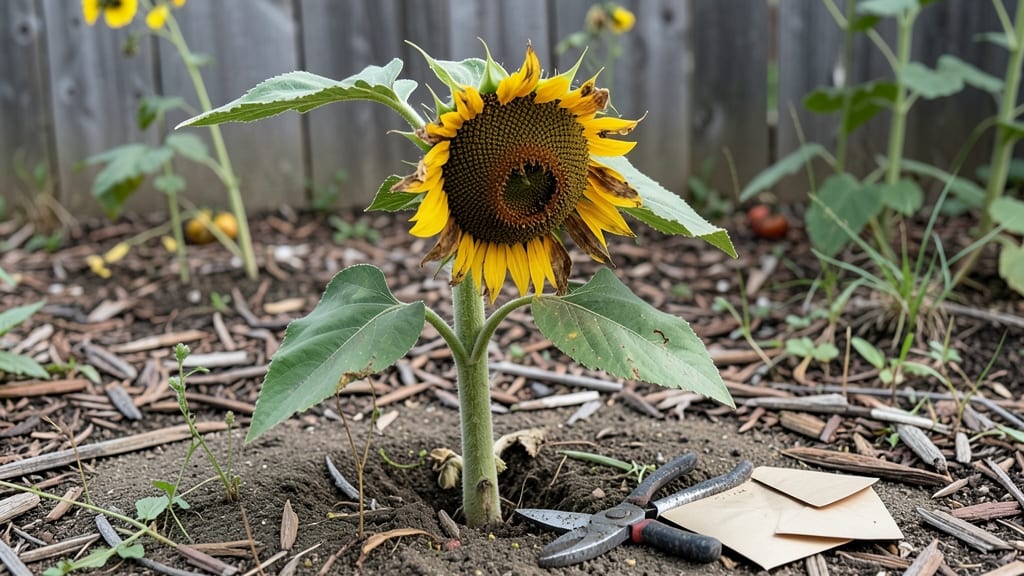
Saving sunflower seeds for next year starts with the right plants—let those tall stalks with golden-brown seed heads be your guide. 🌻 I’ve saved seeds from my own garden for years, and the secret isn’t just patience—it’s choosing the healthiest, most vigorous sunflowers to begin with.
Skip the ones with blackened spots or pests, and focus on the ones that stood strong all season.
The drying process is where most people trip up, but it’s simpler than it sounds. Once the seed heads are fully brown and the back of the head feels papery, cut them off and hang them upside down in a dry, well-ventilated spot for 2-3 weeks.
No fancy equipment needed—just a quiet corner away from humidity. If you rush this step, moisture ruins everything.
When the seeds rattle freely inside the dried head, they’re ready for storage. Pop them into a sealed container—glass jars or airtight bags work best—and keep them in a cool, dark place (like your pantry) where they’ll stay viable for 3-5 years.
The payoff? Fresh, homegrown sunflowers next summer without the nursery price tag.
Pro tip: Label your containers with the variety and year—trust me, you’ll forget by planting time. And if you notice any weevils or mold during storage, toss those seeds and start fresh. A little extra care now means a showstopping garden later.
📚 In This Guide
- What you need
- Instructions
- Tips and common mistakes
- Wrapping up and next steps
What you need
- ● Mature sunflower heads: 5–10 fully bloomed sunflowers (let them dry naturally on the plant for 4–6 weeks after flowering).
- ● Paper bags or breathable fabric sacks: 1–2 per sunflower head (to catch seeds as they fall).
- ● Scissors or pruning shears: For harvesting dried heads.
- ● Drying tray or clean baking sheet: Large enough to lay out seeds in a single layer.
- ● Air-dry environment: A warm, dry, and well-ventilated space (60–70°F / 15–21°C).
- ● Air-tight containers: Glass jars, plastic bins with tight lids, or seed envelopes (1–2 per variety).
- ○ Desiccant packets (optional but recommended): 1–2 per container to absorb moisture.
- ● Permanent marker: To label containers with the variety and date.
- ● Seed cleaning tools: A fine-mesh sieve or colander to remove chaff.
- ● Humidity monitor: To ensure your storage area stays below 40% humidity.
- ● Vacuum sealer: For long-term storage (extends shelf life by years!).
- ● Freezer storage: If you live in a humid climate (transfer seeds to a sealed bag before freezing).
Step-by-Step instructions for harvesting and storing sunflower seeds
Here's my tested method for drying and saving seeds that stay viable for years.
🌿 Step 1: Select and Harvest Mature Sunflower Heads
Wait until the flower heads turn completely brown and the back of the head feels dry to the touch. This usually happens 4-6 weeks after flowering. I like to harvest on a dry morning when the heads are fully mature but before birds or squirrels can get to them.
Use clean, sharp pruning shears to cut the entire head 2-3 inches below the base. This leaves the stem attached, which makes handling easier. Place the heads in a dry, well-ventilated area—like a garage or covered porch—where they can dry naturally for 1-2 weeks. Avoid direct sunlight, which can overheat the seeds and reduce viability.
💧 Step 2: Dry the Heads Thoroughly
Once the heads are indoors, lay them on a clean, dry towel or hang them upside down in small bunches using twine. This allows air to circulate freely around the seeds. You'll know they're ready when the seeds rattle loudly when you shake the head—this means they're completely dry.
If you're impatient (I was at first), you can speed up drying by placing the heads in a low-heat oven at 110°F for 2-3 hours. Just check them every 30 minutes to ensure they don't overheat. Overheating can make the seeds brittle or even sterile, so keep an eye on them.
✂️ Step 3: Remove and Clean the Seeds
Once the heads are fully dry, rub them gently between your hands or use a clean, dry towel to dislodge the seeds. I like to do this over a large tray or sheet of newspaper to catch any stray seeds. The seeds should come out easily—if they stick, the heads weren't dry enough.
Remove any debris, chaff, or small pieces of stem by hand. You can also use a fine-mesh sieve to sift out any remaining plant material. Store the clean seeds in a paper envelope or breathable cloth bag—plastic traps moisture, which can cause mold or rot.
🪴 Step 4: Store Seeds for Long-Term Viability
Place the dried seeds in a cool, dark, and dry location—like a sealed container in your refrigerator or a cool pantry. I keep mine in a small glass jar with a tight-sealing lid. Label the jar with the variety name and the harvest year so you don’t forget what you’ve saved.
Sunflower seeds can stay viable for 3-5 years under these conditions. To test their viability, plant a few seeds in moist paper towels. If they sprout within 7-10 days, your stored seeds are still good to go. If not, it might be time to start fresh with new seeds.
Tips & tricks for perfect sunflower seed preservation
A few simple strategies can make all the difference between seeds that last years and ones that lose viability quickly.
Timing Secret: In Step 1, don't rush harvesting! The 4-6 week window after flowering is critical for full maturity. I've learned the hard way that harvesting too early means seeds won't be fully developed, while waiting too long risks losing them to wildlife. Check by gently pressing the back of the head—it should feel completely dry and papery.
Drying Strategy: For Step 2, the 1-2 week natural drying time is ideal, but if you're impatient like I was, the oven method at 110°F works beautifully. The key is checking every 30 minutes—I've ruined batches by letting them overheat. Use a timer to avoid this common mistake!
Storage Wisdom: When storing seeds in Step 4, here's what nobody tells you: moisture is the enemy. I've had seeds last 5 years in glass jars in the fridge, but I've also seen them mold in plastic within months. Always use paper or breathable fabric, and add a small packet of silica gel for extra protection against humidity.
Viability Test: Before planting stored seeds, use the 7-10 day paper towel test mentioned in Step 4. This simple method saves you from planting dozens of seeds only to find they won't sprout. I keep a small notebook to track which varieties perform best over time—some sunflowers store better than others!
Pro Tips for Save Sunflower Seeds For Next Year
- A few simple strategies can make all the difference between seeds that last years and ones that lose viability quickly.
- Timing Secret: In Step 1, don't rush harvesting!
- Drying Strategy: For Step 2, the 1-2 week natural drying time is ideal, but if you're impatient like I was, the oven method at 110°F works beautifully.
Frequently asked questions
Got questions about saving sunflower seeds? You’re not alone! Here are answers to the most common concerns—so you can confidently store seeds for next year’s garden.
Do sunflower seeds need to fully dry before storing?
Yes! Moisture is the enemy of seed viability. Let seeds dry completely in a well-ventilated area (10–14 days) before storing. Check for dryness by gently crushing a seed—if it feels brittle and crumbles, it’s ready. Pro tip: Spread them on a mesh screen or paper towels for even airflow.
How long can I store sunflower seeds?
With proper drying (below 10% moisture) and storage (cool, dark, and dry), sunflower seeds stay viable for 2–5 years. Test germination annually by planting a few seeds—if fewer than 80% sprout, refresh your stock. Fun fact: Older seeds may take longer to germinate but can still grow!
Can I store sunflower seeds in the fridge or freezer?
While room-temperature storage (in airtight containers) works for short-term, the fridge (35–40°F) or freezer (0°F) extends viability. Use ziplock bags or vacuum-sealed containers to block humidity. Label seeds with the date to track freshness. Warning: Avoid plastic bins without seals—they trap moisture!
What if my seeds sprout mold or bugs?
Mold or pests mean your seeds are too damp or contaminated. Discard affected seeds immediately. To prevent this:
- Store seeds in hermetically sealed containers (glass jars or Mylar bags).
- Add a silica gel packet or rice grains to absorb moisture.
- Inspect seeds before storing—remove any damaged or discolored ones.
Can I save seeds from store-bought sunflowers?
Store-bought sunflower seeds are often hybrid varieties, meaning they may not grow true to type (or may not produce seeds at all). For reliable seeds, save from open-pollinated or heirloom sunflowers grown in your garden. If you must use store-bought, check the label—some varieties (like ‘Russian Mammoth’) are open-pollinated!
Wrapping up and next steps
Saving sunflower seeds for next year is easier than you think—and the rewards are sweet! 🌻 By following these simple steps, you’ll ensure your seeds stay viable, healthy, and ready to grow into vibrant blooms again.
Whether you’re a seasoned gardener or just starting out, this process is your ticket to next year’s harvest.
Now that you’re equipped with the know-how, grab those dried seeds and store them with confidence. Ready to plant? Mark your calendar, and get ready to watch your garden thrive from seed to sunflower!