Pruning
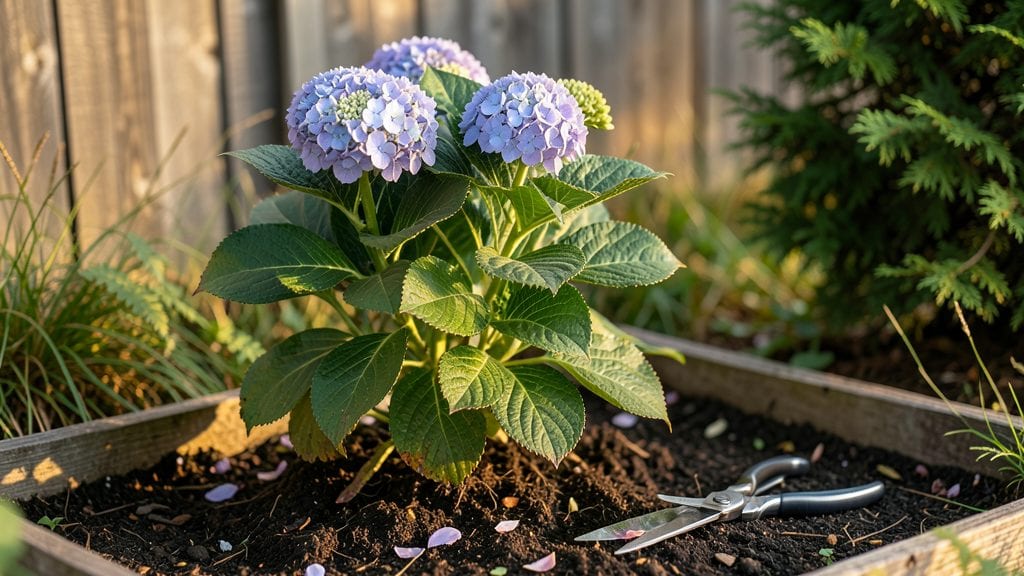
Trimming flowering shrubs the right way means more blooms next season—not fewer. I’ve learned that hard way after over-pruning my hydrangeas and watching them struggle to recover.
The key isn’t just when you cut, but how: deadheading spent blooms, shaping for airflow, and thinning crowded branches to let sunlight reach the center.
You’ll need just a few tools: sharp bypass pruners for clean cuts, loppers for thicker stems, and a small saw if branches are over 1 inch thick. Timing matters too—spring is best for most shrubs, but lilacs and spring-blooming plants need a late-winter trim.
The goal? Encourage strong new growth while keeping the plant’s natural shape.
After pruning, your shrubs will reward you with thicker foliage, more flowers, and better air circulation that fights disease. I’ve seen my hydrangeas go from sparse blooms to lush, multi-toned clusters just by following these steps.
The first year might feel drastic, but the payoff is worth it—healthier plants that bloom like crazy.
Whether you’re tackling roses, azaleas, or climbing clematis, the same principles apply. The only rule? Never cut more than a third of the plant at once. Your shrubs will thank you with vibrant, long-lasting blooms all season long.
📚 In This Guide
- What you need
- Instructions
- Tips and common mistakes
- Wrapping up and next steps
What you need
- ● Bypass pruners – Sharp, clean pruners (4-6 inches) for cutting small to medium stems.
- ● Loppers – Long-handled (20-24 inches) for thicker branches (½ inch to 1½ inches in diameter).
- ● Hedge shears – For shrubs that need a clean, uniform shape (choose 8-12 inch blades).
- ● Pruning saw – For stubborn, thick branches (7-10 inches, with a curved blade for ease).
- ● Gloves – Heavy-duty, thorn-resistant gloves to protect your hands.
- ● Ladder or step stool – If your shrubs are tall (ensure it’s stable and rated for your weight).
- ● Disinfectant (rubbing alcohol or pruning sealant) – To clean tools between cuts and prevent disease spread.
- ● Garden twine or zip ties – For temporary support if you’re doing heavy pruning.
- ● Sharpener or honing stone – To keep blades razor-sharp for clean cuts.
- ● Pruning bag or bucket – To collect clippings for composting or disposal.
- ● Safety glasses – If working with thorny shrubs or debris-prone areas.
- ● Check the weather—trim on a dry, calm day to avoid spreading disease or damaging the plant.
- ● Know your shrub’s blooming season (spring vs. summer/fall bloomers) to avoid cutting back at the wrong time.
- ● Have a clear plan—sketch or visualize where you’ll make cuts for shape and health.
Step-by-step guide to trimming flowering shrubs for lush growth
Here’s how I keep my flowering shrubs thriving—this method works for spring or summer trims.
Identify the Right Time to Trim
Timing makes all the difference. For spring-blooming shrubs like lilacs or azaleas, trim immediately after they finish flowering—this ensures next year’s blooms develop properly. Summer-bloomers like hydrangeas or butterfly bush can be pruned in late winter or early spring before new growth starts. Watch for spent flowers to drop completely before cutting; this is your signal that the plant has finished its bloom cycle.
If you’re unsure, check the shrub’s growth habit. Shrubs that bloom on old wood (last year’s growth) need their pruning done right after flowering. Those that bloom on new wood (current year’s growth) can wait until late winter or early spring. I always mark my calendar with the last frost date—this helps me time my cuts correctly for spring bloomers.
Gather Tools and Prepare the Work Area
You’ll need sharp, clean pruning shears for small branches and loppers for thicker stems. Disinfect your tools with rubbing alcohol before you start—this prevents spreading disease between cuts. I also lay down a tarp or old sheet underneath the shrub to collect clippings and make cleanup easier.
Check the weather forecast for a dry day with mild temperatures. Trimming on a windy or rainy day stresses the plant and can lead to uneven cuts or disease entry points. Work when the shrub is well-watered but not soggy—this makes the branches easier to handle and reduces the risk of tearing.
Remove Dead or Damaged Branches First
Start by locating any dead, diseased, or crossing branches. Dead branches are hollow, brittle, and often gray or brown inside. Diseased branches may have spots, discoloration, or unusual growths. Cut these out first, making your cuts at a 45-degree angle about ¼ inch above a bud or branch collar—this helps water run off and prevents rot.
Crossing branches compete for sunlight and nutrients, so remove one of the two if they’re rubbing against each other. Look for branches growing inward toward the center of the shrub—these should go too, as they block airflow and light. I always step back occasionally to visualize the shrub’s shape and ensure I’m not over-trimming.
Shape the Shrub Gradually
Now focus on shaping. Use your hand as a guide—hold it alongside the branch where you plan to cut. Make your cut just above a leaf bud or side branch, angling the cut away from the bud. This encourages new growth in the right direction. Avoid cutting into old wood or leaving stubs, as these can invite pests or disease.
For a natural look, aim to open up the center of the shrub by thinning out dense areas. Remove no more than ⅓ of the shrub’s total foliage in one season—this prevents shock. I like to step back every few minutes to check the balance. If one side looks heavier, focus cuts there to even things out.
Clean Up and Monitor Recovery
After trimming, rake up all the clippings and dispose of them properly. If any branches are larger than ½ inch in diameter, cut them into smaller pieces for easier composting. Water the shrub deeply right after pruning to help it recover. Avoid fertilizing immediately—let the plant focus on healing first.
Keep an eye on the shrub over the next few weeks. New growth should appear within 2-4 weeks, depending on the season. If you notice yellowing leaves, wilting, or unusual spots, it could signal stress or disease. In that case, adjust your watering or reconsider your pruning approach next time.
Tips & tricks for perfect flowering shrub trimming
These practical tips will help you avoid common mistakes and keep your flowering shrubs thriving for years to come.
Timing is Everything: I can't stress this enough—spring-blooming shrubs like lilacs need their haircut immediately after flowers fade completely. If you prune too early, you risk cutting off next year's flower buds that are already forming. For summer-bloomers, mark your calendar for late winter before new growth appears. I always check the last frost date and schedule my pruning for 2-4 weeks afterward to give the plant time to recover before spring's chill.
Tool Sharpness Matters: Dull pruners tear branches instead of making clean cuts, which invites disease. Before you start, test your shears on a small twig—they should cut cleanly without crushing. I keep a small file in my tool kit to sharpen blades between uses. For thicker branches over ½ inch, use loppers with bypass blades (the curved cutting edges) rather than anvil-style pruners, which can crush stems and damage the plant's vascular system.
Visualize Your Cuts: Before making any cuts, step back and visualize the shrub's natural shape. In Step 4, when shaping, use your hand as a guide—hold it alongside the branch to determine where to cut. This simple technique helps you make more balanced cuts. I also recommend working in small sections, focusing on one area at a time. This prevents over-trimming and helps you maintain a more natural, organic shape rather than a boxy, unnatural look.
Recovery Monitoring: After pruning, watch for new growth within 2-4 weeks as mentioned in Step 5. Healthy new shoots should appear green and firm. If you notice yellowing leaves or wilting, it could indicate stress from over-pruning or disease. In that case, reduce watering slightly and avoid fertilizing until the plant shows signs of recovery. I keep a small notebook to track each shrub's response to pruning—this helps me adjust my approach for next time.
Pro Tips for Trim Flowering Shrubs
- These practical tips will help you avoid common mistakes and keep your flowering shrubs thriving for years to come.
- Timing is Everything: I can't stress this enough—spring-blooming shrubs like lilacs need their haircut immediately after flowers fade completely.
- Tool Sharpness Matters: Dull pruners tear branches instead of making clean cuts, which invites disease.
Frequently asked questions
Got questions about keeping your flowering shrubs in tip-top shape? You’re not alone!
Here are answers to the most common concerns—so you can trim with confidence and keep those blooms coming back stronger than ever.
When is the best time to trim flowering shrubs?
The ideal time depends on your shrub’s blooming habit. For spring-bloomers (like lilacs or forsythia), prune right after flowering to avoid cutting off next year’s buds. For summer- or fall-bloomers (like hydrangeas or butterfly bush), trim in late winter or early spring before new growth starts. Always check your specific shrub’s needs!
What if I accidentally cut too much off?
Don’t panic! Over-pruning won’t kill your shrub, but it may delay blooms or leave it looking sparse. Focus on light shaping next year and avoid heavy cuts. For woody shrubs, they’re more resilient—just give them time to recover. For herbaceous ones (like perennials), they might need a full season to bounce back.
Can I trim flowering shrubs in hot or cold weather?
Avoid trimming during extreme heat or cold—stress weakens plants. Early morning or late afternoon on a mild, dry day is best. If you must prune in winter, do it on warmer days (above 40°F) to prevent shock. Pro tip: Water before and after to help recovery!
What if my shrub isn’t blooming after pruning?
Several factors could be at play: over-pruning (cutting back too aggressively), wrong timing (trimming at the wrong season), or poor growing conditions (like lack of sun or nutrients). Check your shrub’s specific needs—some bloom on old wood (like azaleas) and need minimal pruning. If unsure, a light trim to encourage new growth often helps!
Are there alternatives to pruning if I’m not confident?
If you’re nervous about wielding the shears, try these low-effort options:
- Deadheading: Pinch off spent blooms to redirect energy to new flowers.
- Thinning out: Remove only the oldest stems (usually at the base) to improve airflow.
- Hire a pro: Local gardeners or nursery staff often offer pruning services.
- Use pruning tools: Try bypass pruners or hedge shears for cleaner cuts.
Wrapping up and next steps
Trimming flowering shrubs doesn’t have to be intimidating—with the right tools, timing, and technique, you can keep your plants thriving and blooming beautifully! 🌸 Remember, the key is to prune at the right time, use sharp tools, and focus on shape and health rather than perfection.
Now that you’re equipped with these tips, grab your shears and give your shrubs the care they deserve.
Ready to take the next step? Start small—pick one shrub and practice your cuts! Over time, you’ll build confidence and watch your garden flourish. Happy pruning! ✂️🌿