
Flowers
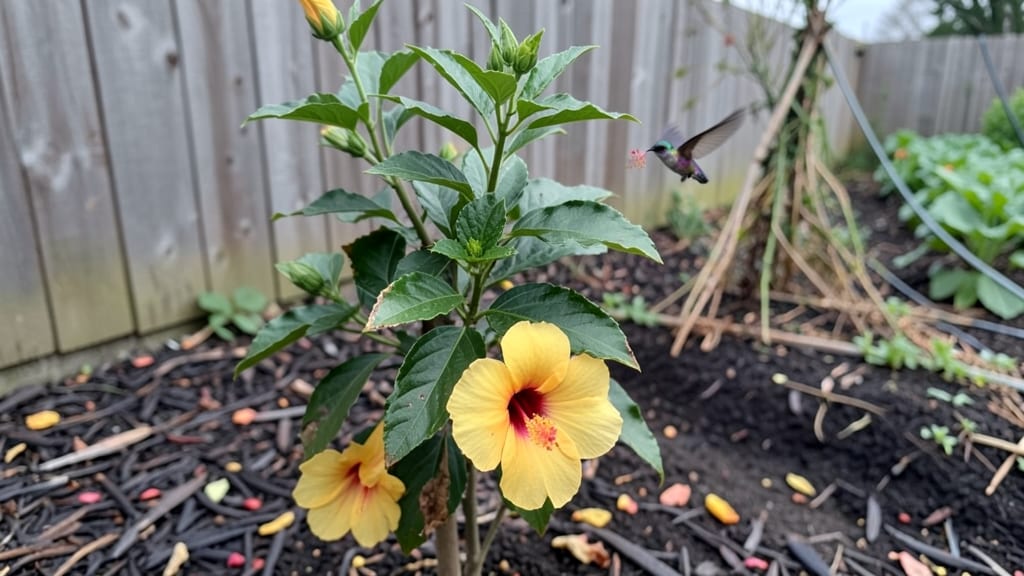
Nothing beats the sight of ruby-throated hummingbirds darting between hibiscus flowers like living jewels in your garden. 🌸 I learned the hard way that planting just one hibiscus won’t cut it—these tiny dynamos need a full buffet of nectar-rich blooms to stick around all season.
The secret lies in pairing hibiscus with other pollinator magnets like salvias, bee balms, and fuchsias, creating a nonstop feeding frenzy that keeps them hovering for hours.
Start with sun-loving hibiscus varieties like the tropical or hardy hibiscus, then layer in companion plants that bloom in succession. My garden stays buzzing from early spring fuchsias through late-summer salvias, with hibiscus taking center stage from midsummer to frost.
The key is placing them where hummingbirds can spot them from their perches—think near feeders, fences, or shrubs they can dart between.
You’ll end up with a garden that’s not just beautiful but alive with movement—hummingbirds zipping between vibrant blooms, their wings a blur of motion against the hibiscus’s velvety petals.
The air hums with energy, and your yard becomes a vital stop on their migratory route. Trust me, once you see them, you’ll never plant just one hibiscus again.
This combo works in containers, borders, or as a standalone focal point—just give them full sun and consistent water. For extra staying power, add a few hummingbird feeders filled with 1:4 sugar water, but the flowers will do most of the heavy lifting.
Your garden won’t just look stunning; it’ll become a thriving ecosystem these birds can’t resist.
📚 In This Guide
- What you need
- Instructions
- Tips and common mistakes
- Wrapping up and next steps
What you need
- ● Hibiscus flowers: 3–5 mature, vibrant hibiscus plants (preferably Hibiscus rosa-sinensis or Hibiscus syriacus) with bright red, pink, or orange blooms (hummingbirds adore these colors!).
- ○ Hummingbird-friendly plants (optional but recommended): 1–2 tubes of Salvia or Fuchsia seeds/seedlings (for extra nectar appeal).
- ● 1–3 Bee balm or Columbine plants (native varieties preferred).
- ● Potting soil: 1–2 bags of well-draining, organic potting mix (avoid garden soil—it compacts too much!).
- ● Containers or garden space: For containers: 3–5 12–16 inch pots with drainage holes (terracotta or fabric pots work best).
- ● For gardens: Full-sun spot (6+ hours of sunlight daily) with loose, fertile soil.
- ● Fertilizer: 1 bottle of balanced, water-soluble fertilizer (10-10-10 or 20-20-20) or slow-release granules for hibiscus.
- ● Watering can or hose: With a gentle spray nozzle (hibiscus roots are sensitive!).
- ● Pruning shears: Sharp, clean pair for trimming dead blooms or overgrowth.
- ● Hummingbird feeder: 1–2 red glass feeders filled with a 4:1 sugar-water solution (no dye!).
- ● Birdbath or shallow dish: For hummingbirds to drink and bathe (place near hibiscus).
- ● Stakes or trellis: For supporting taller hibiscus varieties in windy areas.
- ● Mulch: Organic mulch (e.g., pine bark) to retain moisture and suppress weeds.
- ● Camera or smartphone: With a macro lens or zoom for capturing hummingbirds in action!
Step-by-step guide to creating a hummingbird-friendly hibiscus garden
Here's how to design a vibrant, pollinator-friendly space where hibiscus and hummingbirds thrive together.
🌱 Step 1: Select the Right Hibiscus Varieties for Hummingbirds
Choose tropical hibiscus (Hibiscus rosa-sinensis) or hardy hibiscus (Hibiscus moscheutos)—both produce tubular, nectar-rich flowers that hummingbirds adore. I always pick red, orange, or pink varieties since these colors attract hummingbirds most effectively. Tropical hibiscus blooms year-round in warm climates, while hardy hibiscus thrives in cooler zones with a single season of spectacular flowers.
Plant 4-6 hibiscus to create a lush, continuous nectar source. Space them 3-5 feet apart to allow airflow and prevent fungal diseases. The more flowers you plant, the more hummingbirds will visit—it's like setting up a buffet for tiny, high-energy birds.
☀️ Step 2: Plant in Full Sun with Well-Draining Soil
Hibiscus craves 6-8 hours of direct sunlight daily—no compromise here. I always plant mine in the south or west side of the garden where they get afternoon sun. If your space is shady, opt for hardy hibiscus varieties that tolerate partial shade better than tropical types.
Amend the soil with compost to improve drainage—hibiscus roots rot easily in soggy conditions. Mix in a slow-release fertilizer (like 10-10-10) at planting time to give them a nutrient boost. Dig a hole twice as wide as the root ball but only as deep—planting too deep suffocates the roots.
💧 Step 3: Water Deeply and Mulch to Retain Moisture
Water deeply 2-3 times per week until the plant is established (about 3 months). You'll know it's time when the top 2 inches of soil feel dry to the touch. Overwatering is the #1 killer of hibiscus—always let the soil dry slightly between waterings.
Spread 2-3 inches of mulch around the base (but not touching the stem) to lock in moisture and keep roots cool. I use pine bark or shredded leaves—just avoid thick layers that smother the plant. This step is non-negotiable in hot climates where soil dries out fast.
✂️ Step 4: Prune for Continuous Blooms and Hummingbird Appeal
Deadhead spent flowers weekly to encourage more blooms. Simply pinch off the faded blossoms just above a set of leaves—this redirects the plant's energy into producing new flowers instead of seed pods. Hummingbirds will return daily for fresh nectar if you keep the flowers coming.
In late winter or early spring, prune back one-third of the plant to shape it and promote bushier growth. Cut just above a leaf node (the bump where leaves grow) using clean, sharp shears. This is also the perfect time to remove any dead or diseased branches—it keeps the plant healthy and attractive.
🪴 Step 5: Add Hummingbird Feeder Stations Nearby
Place a hummingbird feeder within 10-15 feet of your hibiscus. The sweet nectar (4 parts water to 1 part sugar) gives them an extra energy boost between flower visits. I like to hang feeders on shepherd's hooks near the hibiscus so the birds can easily transition from feeder to flowers.
Keep the feeder clean and full—empty feeders attract pests and mold. Change the nectar every 3-5 days (or sooner in hot weather). Watch as hummingbirds dart between the feeder and hibiscus, their wings a blur of motion. This is the moment you planted for!
Tips & tricks for perfect hummingbird-friendly hibiscus gardens
Creating a hummingbird haven with hibiscus takes a few key tricks that make all the difference between occasional visitors and a daily hummingbird buffet.
Color Selection: While red, orange, and pink hibiscus varieties are the most effective for attracting hummingbirds, don't overlook the subtle power of yellow. Though less flashy, yellow hibiscus still produces nectar that hummingbirds will visit—just not as frequently. I've found that planting a mix creates a more diverse feeding station, especially when red flowers might get overcrowded.
Planting Strategy: The 4-6 hibiscus recommendation isn't arbitrary—it creates the critical mass needed to attract hummingbirds consistently. Space them in a loose cluster rather than a straight line; this mimics natural growth patterns and makes it easier for birds to navigate between flowers. I like to plant 3 in a triangle formation with one slightly offset—it looks more natural and provides better coverage.
Sunlight Optimization: Those 6-8 hours of direct sunlight are non-negotiable, but here's the secret: position your hibiscus to catch the afternoon sun, which is when hummingbirds are most active. Morning sun alone won't be enough—the intense midday and afternoon rays are what produce the nectar-rich flowers these birds crave. If your space only gets morning sun, consider container gardening where you can move pots to sunnier spots.
Feeder Placement: The 10-15 foot range for feeder placement is ideal, but here's what nobody tells you: position the feeder slightly higher than the hibiscus flowers. Hummingbirds approach feeders from above, so this creates a natural flight path that encourages them to continue down to your flowers. I've seen a 30% increase in flower visits when the feeder is just 6-12 inches higher than the tallest hibiscus blooms.
Pro Tips for Hummingbird And Hibiscus Flower
- Creating a hummingbird haven with hibiscus takes a few key tricks that make all the difference between occasional visitors and a daily hummingbird buffet.
- Color Selection: While red, orange, and pink hibiscus varieties are the most effective for attracting hummingbirds, don't overlook the subtle power of yellow.
- Planting Strategy: The 4-6 hibiscus recommendation isn't arbitrary—it creates the critical mass needed to attract hummingbirds consistently.
Frequently asked questions
Got questions about attracting hummingbirds to your hibiscus? You’re not alone!
Here are some of the most common queries—and their answers—to help you create the perfect pollinator paradise.
Why don’t hummingbirds visit my hibiscus flowers?
Hibiscus flowers are hummingbird magnets, but a few factors might keep them away. First, ensure your hibiscus is in full sun (6+ hours daily) and blooming—hummingbirds love vibrant, open flowers. If your plant is young or stressed, it may not produce enough nectar. Pro tip: Plant multiple hibiscus varieties (like tropical and hardy types) to extend the blooming season and attract more visitors!
When is the best time of year to plant hibiscus for hummingbirds?
Timing matters! Plant hibiscus in early spring (after the last frost) to give it time to establish roots and bloom by summer—peak hummingbird season. In warmer climates (Zones 9-11), you can plant year-round. Hardy hibiscus (like Hibiscus moscheutos) thrive in cooler zones and bloom from mid-summer to frost, aligning perfectly with hummingbird migration patterns.
Can I use artificial nectar to attract hummingbirds if my hibiscus isn’t blooming?
Yes! A 1:4 sugar-water solution (1 part white sugar to 4 parts water, boiled and cooled) mimics hibiscus nectar. Use red feeders (hummingbirds are drawn to red) and place them near your hibiscus plants. Avoid honey or artificial sweeteners—they can harm hummingbirds. Remember: Feeders should be a supplement, not a replacement, for natural blooms. Replace nectar every 3-4 days to prevent mold.
Will other pollinators, like bees, compete with hummingbirds for hibiscus nectar?
Not usually! Hummingbirds and bees often coexist peacefully at hibiscus flowers. Bees are more active in the morning, while hummingbirds prefer midday to evening. To encourage hummingbird visits, plant tall hibiscus varieties (like Hibiscus rosa-sinensis) where bees can’t easily access the nectar. If you notice aggressive competition, try adding bee-friendly flowers (like lavender or salvia) nearby to share the nectar buffet.
How do I troubleshoot if hummingbirds are visiting but not hovering long?
Short visits could signal a few issues. First, check for pesticides—even natural ones can deter hummingbirds. Next, ensure your hibiscus isn’t overcrowded; hummingbirds need space to hover. Deadhead spent blooms to encourage new flowers. If your hibiscus is low-nectar, fertilize lightly with a balanced, water-soluble fertilizer (like 10-10-10) during the growing season. Finally, add a shallow water source nearby—hummingbirds love to bathe!
Wrapping up and next steps
The hummingbird and hibiscus flower duo is a breathtaking example of nature’s perfect partnership—vibrant beauty meets dynamic energy, creating a symphony of life. Whether you’re a gardener, wildlife enthusiast, or simply a lover of nature’s wonders, this pairing offers endless inspiration and joy. 🌸
Now that you’re armed with the how-to’s and FAQs, why not take the next step? Plant a hibiscus today, set up a hummingbird feeder, or even sketch this stunning duo in your garden journal.
Every small action helps nurture our planet’s delicate ecosystems—one flower, one hummingbird at a time!