Flowers
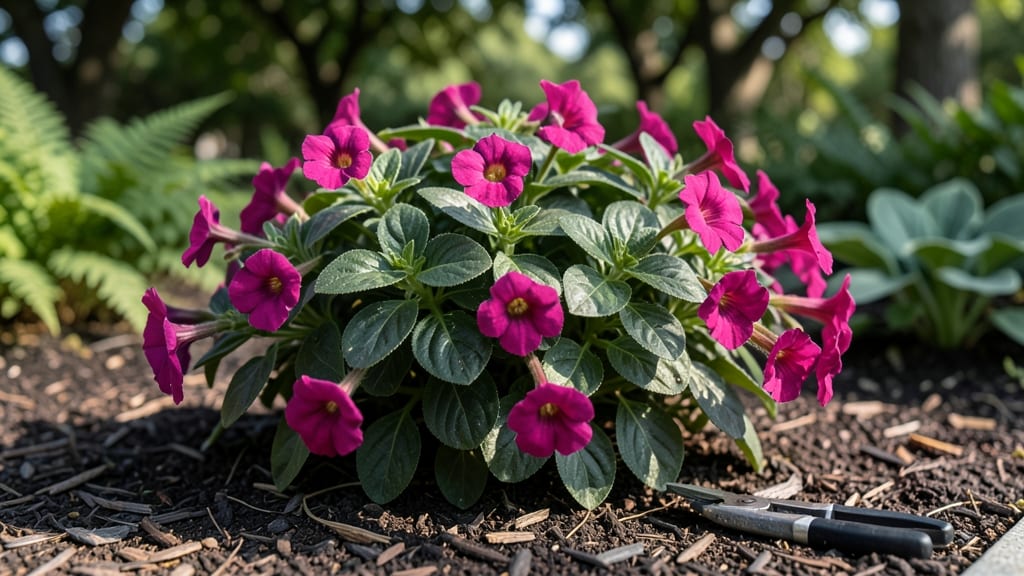
Impatiens flower care starts with one simple secret: deadheading spent blooms weekly—it’s the difference between a plant that fizzles by summer’s end and one that keeps blooming until frost. 🌸 I’ve had impatiens that looked like they’d given up by August, only to revive after a single trim, proving these shade-loving stars just need a little encouragement.
Their care routine is shockingly simple: bright, indirect light (no harsh afternoon sun), consistent moisture (never let them dry out), and well-draining soil (they hate soggy roots). Most people overwater or under-prune—both mistakes lead to leggy, sparse blooms.
With just these three adjustments, your impatiens will reward you with nonstop blooms from spring to fall, and sometimes even into winter if you bring them indoors.
What you’ll end up with is a burst of color that outshines any other shade plant—imagine deep purples, fiery oranges, or snowy whites cascading over pots and borders.
The key is staying ahead of the game: snip off faded blooms before they seed, pinch back leggy stems in spring, and fertilize lightly every few weeks. Your neighbors will ask how you keep them looking so fresh.
Works for both container gardens and in-ground plantings, and even thrives in partial shade where other flowers struggle. The best part? These tricks apply to New Guinea impatiens too, so you can extend your blooming season even longer. Let’s get those shears ready!
📚 In This Guide
- What you need
- Instructions
- Tips and common mistakes
- Wrapping up and next steps
What you need
- ● Impatiens plants: Start with healthy seedlings or mature plants (check for vibrant leaves and buds). Quantity: 1-3 plants per 1-square-foot area (depending on variety).
- ● Well-draining potting mix: Use a blend of peat moss, perlite, and compost (ratio: 40% peat, 30% perlite, 30% compost). Quantity: Enough to fill containers or garden beds (1-2 cubic feet per plant).
- ● Containers (if not planting in-ground): Choose pots with drainage holes, 10-12 inches in diameter for mature plants. Quantity: 1 per plant.
- ● Slow-release fertilizer: Look for a balanced 10-10-10 or 20-20-20 NPK formula labeled for flowering plants. Quantity: 1 tbsp per plant (follow package instructions).
- ● Watering can or hose with a gentle spray nozzle: Impatiens prefer consistent moisture but hate soggy roots.
- ● Pruning shears: Sharp, bypass-style shears (sterilized with rubbing alcohol).
- ○ Mulch (optional but recommended): Shredded bark or straw to retain moisture and suppress weeds. Quantity: 2-3 inches spread around the base.
- ● Garden gloves: Protect your hands from soil and thorns (some impatiens varieties have mild prickles).
- ● pH testing kit: Ideal soil pH for impatiens is 6.0-6.5. Adjust with lime (to raise pH) or sulfur (to lower pH) if needed.
- ● Plant supports (for trailing varieties): Use small stakes or cages to keep sprawling types upright.
- ● Fungicide (preventative): Copper-based or neem oil spray to prevent powdery mildew in humid climates.
- ● Grow lights (indoor care): LED full-spectrum bulbs (12-16 hours of light daily) for winter indoor growing.
Step-by-Step impatiens flower care for continuous blooms
Here's the straightforward approach I use to keep impatiens flowering nonstop—no guesswork, just proven techniques.
🌿 Step 1: Pinch Back New Growth to Encourage Bushiness
When your impatiens reach about 6 inches tall, pinch off the top set of leaves with your fingers. This might seem counterintuitive—why remove healthy growth?—but it forces the plant to branch out instead of growing tall and leggy. Look for the first true set of leaves above the seed leaves (cotyledons) and pinch just above that node.
I do this every 4-6 weeks throughout the growing season. You'll notice within a week that side shoots start forming at the pinched spots. These new branches will develop buds and flowers faster than the main stem ever would. The key is consistency—don't wait until the plant gets too tall, or you'll have to prune back more aggressively later.
✂️ Step 2: Deadhead Regularly for Nonstop Blooms
As soon as a flower fades and its petals begin to drop, snip the entire spent bloom stem back to the nearest leaf node with clean pruning shears. This might seem tedious, but it's the single most effective way to prevent seed production and redirect the plant's energy into new flowers. I make it a habit to deadhead every 2-3 days during peak bloom season.
Here's the thing—if you let just one flower go to seed, the plant will shift its focus from blooming to producing seeds. You'll notice within days that new flowers slow down dramatically. Use sharp shears to avoid crushing stems, and always cut at a 45-degree angle just above a leaf node to encourage faster healing and new growth.
☀️ Step 3: Adjust Light and Water for Optimal Flower Production
Impatiens need bright, indirect light for best results—direct sun can scorch their delicate leaves, while too little light leads to sparse blooming. Place them near an east-facing window or under a sheer curtain on a south-facing window. If you notice leaves turning pale or stems elongating excessively, your plant needs more light. A simple grow light on a timer for 12-14 hours daily works wonders in low-light situations.
Water consistently to keep the soil evenly moist but never soggy. I check the top inch of soil daily—if it feels dry to the touch, it's time to water. Overwatering causes root rot, which shows up as yellowing leaves and wilting despite adequate moisture. Always water at the base of the plant to keep foliage dry, which prevents fungal diseases like powdery mildew that can ruin a beautiful display.
🌱 Step 4: Fertilize Lightly During Blooming Season
Use a balanced, water-soluble fertilizer (10-10-10 or 20-20-20) diluted to half strength every 4-6 weeks during the active growing season. I apply it after watering to prevent root burn, and always follow up with a thorough watering to rinse any excess fertilizer from the soil. The goal is to provide just enough nutrients to support continuous blooming without encouraging excessive foliage growth at the expense of flowers.
Look for signs of nutrient deficiencies—yellowing leaves between veins indicate iron deficiency, while purple stems suggest phosphorus needs. If you notice these signs, switch to a chelated iron supplement or a fertilizer with higher phosphorus content. Over-fertilizing is just as bad as under-fertilizing—it leads to weak stems, fewer blooms, and potential salt buildup in the soil.
Tips & tricks for perfect impatiens flower care
These simple tricks will help you keep your impatiens blooming beautifully all season long—no green thumb required.
Timing Secret: When pinching back new growth in Step 1, aim for that 4-6 week schedule during the growing season, but don't be afraid to adjust slightly based on your plant's growth rate. If your impatiens are growing particularly fast, you might need to pinch back every 3-4 weeks instead. The key is to always pinch just above the first true set of leaves—this is where new side shoots will emerge most vigorously. I've found that plants that get pinched when they're slightly shorter than 6 inches (around 4-5 inches) actually branch out even more dramatically.
Deadheading Technique: The 2-3 day deadheading schedule in Step 2 is crucial, but here's the thing—morning is the best time to do it. Flowers that have faded overnight are ready to be removed, and you'll avoid the afternoon heat stress that can make your plants wilt. Use clean, sharp pruning shears to make precise cuts at a 45-degree angle just above a leaf node. This technique prevents water from pooling on the cut stem, which could lead to rot. I keep a small pair of shears dedicated just to my impatiens in my gardening tool caddy for quick access.
Light Optimization: For the 12-14 hours of daily light mentioned in Step 3, position your grow light about 6-12 inches above the plants. Too close and you'll scorch the leaves; too far and the light won't be effective. I use a simple LED grow light on a timer set for 14 hours of light and 10 hours of darkness to mimic natural day length. If you notice leaves stretching toward the light (a condition called etiolation), your plants need more light intensity or you should move them closer to the light source. Rotate your plants quarter-turns daily to ensure even growth all around.
Fertilizer Strategy: When applying that half-strength fertilizer every 4-6 weeks in Step 4, always mix it with water first before pouring it onto the soil. This prevents fertilizer burn on the delicate leaves. I've found that alternating between a balanced fertilizer and a bloom-specific formula (higher in phosphorus) every other feeding gives my impatiens that extra floral boost. After fertilizing, give the soil a thorough watering to help distribute the nutrients evenly and prevent salt buildup in the topsoil.
Pro Tips for Impatiens Flower Care
- These simple tricks will help you keep your impatiens blooming beautifully all season long—no green thumb required.
- Timing Secret: When pinching back new growth in Step 1, aim for that 4-6 week schedule during the growing season, but don't be afraid to adjust slightly based on your plant's growth rate.
- Deadheading Technique: The 2-3 day deadheading schedule in Step 2 is crucial, but here's the thing—morning is the best time to do it.
Frequently asked questions
Got questions about keeping your impatiens thriving?
Here are answers to the most common concerns—from pests to placement—so you can enjoy those vibrant blooms all season long!
Can impatiens survive winter outdoors?
Unfortunately, no! Impatiens are tender perennials and won’t tolerate frost. In cold climates, bring potted plants indoors before temperatures drop below 40°F (4°C). For garden beds, treat them as annuals and replant next spring. Pro tip: Deadhead spent blooms in fall to encourage a fresh flush of growth when you replant!
Why are my impatiens leaves turning yellow?
Yellowing leaves usually signal overwatering or nutrient deficiency. Check soil moisture—impatiens prefer consistently damp (not soggy) soil. If roots are mushy, repot in well-draining mix. For yellow edges, it might be chlorosis (iron deficiency). Use a chelated iron supplement or amend soil with compost. Bonus: Yellow leaves can also mean too much direct sun—try partial shade. →
How often should I fertilize impatiens for nonstop blooms?
Feed every 2–4 weeks during the growing season (spring to fall) with a balanced liquid fertilizer (10-10-10 or 20-20-20). Dilute to half-strength to avoid burning roots. Skip fertilizer in winter or if plants look stressed. Organic option: Use compost tea or fish emulsion for a gentle boost.
What’s the best alternative if impatiens don’t grow well in my area?
If your soil is too alkaline (pH > 6.5) or your climate is harsh, try these low-maintenance, shade-tolerant swaps:
- Begonias – Thrives in humidity and partial shade; blooms in pink, white, or red.
- Fuchsias – Drought-tolerant once established; loves hanging baskets.
- Coleus – Non-flowering but offers bold foliage in vibrant hues.
- Caladiums – "Elephant ears" add tropical flair with minimal care.
Do impatiens need rain protection?
Yes! While impatiens love humidity, heavy rain can damage delicate blooms and cause fungal issues like powdery mildew. If forecasted rain is intense, move potted plants to a sheltered spot. For garden beds, ensure good airflow around plants. Quick fix: Use a cloche or shade cloth during monsoon seasons. →
Can I prune impatiens to encourage bushier growth?
Prune spent blooms and leggy stems regularly to redirect energy into new growth. Use clean scissors to snip just above a leaf node (where leaves meet the stem). For woody stems, cut back by 1/3 in early spring. Timing matters: Avoid heavy pruning in late summer—it may delay fall blooms.
Wrapping up and next steps
Caring for impatiens flowers doesn’t have to be complicated—with the right pruning tricks and a little attention, you can enjoy year-round blooms that brighten up any space! 🌸 Remember to prune regularly, keep them well-watered, and provide the right light to encourage healthy growth.
Whether you’re a seasoned gardener or just starting out, these simple steps will help you nurture stunning impatiens that thrive.
Now that you’re armed with expert tips, why not share your progress with fellow plant lovers? Snap a photo of your blooming impatiens and tag us—we’d love to see your green thumb in action! 🌿