
Lawn
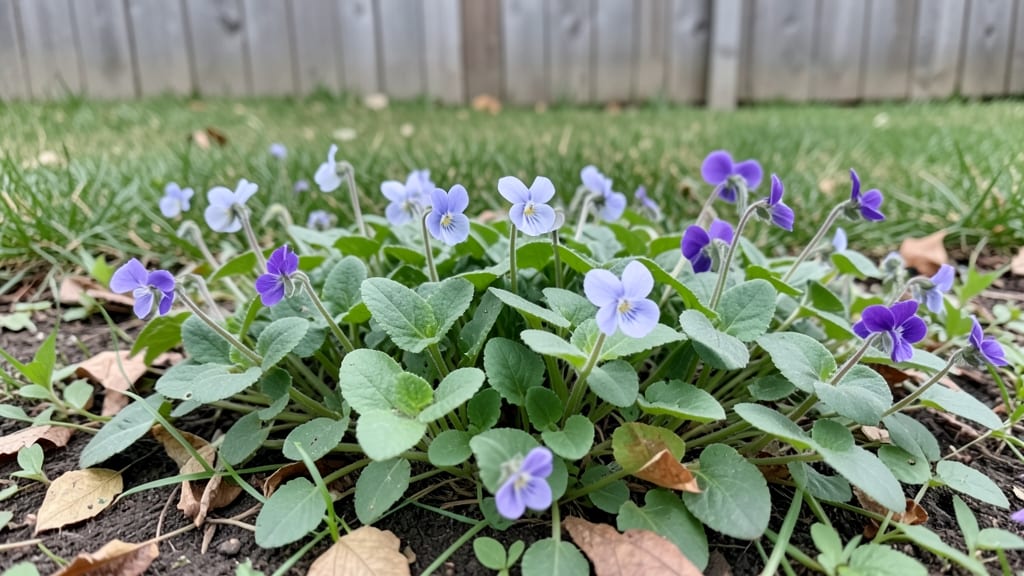
Those little purple flowers in your lawn aren’t weeds—they’re nature’s secret pollinator magnet, and I’ve turned my patchy yard into a hummingbird highway by letting clover, creeping phlox, and wild violets thrive alongside the grass. 🌿 The key? Stopping the mower early and embracing the wildflowers.
These little purple stars need almost nothing—just sunlight, occasional water, and a little patience. They spread effortlessly, crowding out weeds while attracting bees, butterflies, and hummingbirds that’ll hover just inches from your patio. My lawn now stays green year-round because these flowers hold moisture better than grass alone.
By summer’s end, you’ll have a lawn that smells like honey at dusk and stays lush even when drought hits. The best part? No extra work—just let them grow. I’ll show you how to blend them seamlessly with your grass so it looks intentional, not accidental.
Works in full sun or partial shade, from coastal climates to dry inland yards. The only requirement is giving up the perfect green monoculture—trust me, the trade-off is worth it for a garden that hums with life after dark.
📚 In This Guide
- What you need
- Instructions
- Tips and common mistakes
- Wrapping up and next steps
What you need
- ● Seeds, bulbs, or transplants: 1–2 lbs of Muhlenbergia capillaris (Pink Muhly Grass) seeds or
- ● 5–10 bulbs of Allium purpureum (Wild Onion) or
- ● 3–5 Salvia nemorosa (Purple Sage) or Lobelia erinus (Trailing Lobelia) transplants (purple varieties).
- ● Soil amendments: 1–2 bags of well-draining potting mix (or garden soil + 50% perlite/sand for sandy lawns).
- ○ 1 bag of compost (for enriching soil, optional but recommended).
- ● Tools: Trowel or small garden spade (for digging).
- ● Garden gloves (to protect your hands!).
- ● Watering can or hose with a gentle spray nozzle.
- ● Measuring tape or ruler (for spacing plants evenly).
- ● Prerequisites: Full sun exposure (6+ hours/day) for most purple bloomers.
- ● Well-draining soil (test with a percolation test if unsure).
- ● Patience! Some varieties (like Pink Muhly Grass) take 1–2 years to fully bloom.
- ● Mulch (straw or shredded bark) to retain moisture and suppress weeds.
- ● Slow-release fertilizer (low-nitrogen, like 5-10-10, for flowering plants).
- ● Hummingbird feeder (to attract pollinators while your flowers establish!).
- ● Plant markers (to label varieties if testing multiple types).
- ● Organic pest control (neem oil spray for aphids or slug bait if needed).
How to create a hummingbird-friendly lawn with fragrant purple blooms
Turn your yard into a buzzing oasis by planting these tiny purple bloomers that thrive in lawn spaces.
🌱 Step 1: Identify the Best Purple-Blooming Ground Covers
For a hummingbird magnet lawn, I recommend creeping phlox (Phlox subulata) or creeping thyme (Thymus serpyllum). Both produce clusters of tiny purple flowers that bloom in spring and often rebloom in fall. Creeping phlox thrives in partial shade while creeping thyme handles full sun—pick based on your yard’s light.
These plants spread naturally, filling gaps between grass blades without smothering them. I like to plant them in 12-inch wide strips along walkways or borders where their color pops against green grass. Avoid mowing over them once established—they’ll spread best with minimal disturbance.
☀️ Step 2: Prepare the Soil and Planting Zones
Test your soil’s pH first—creeping phlox prefers 6.0-7.0, while creeping thyme thrives in 6.0-8.0. Amend heavy clay soil with 2 inches of compost mixed into the top 6 inches of soil. For sandy soil, add 1 inch of peat moss to improve moisture retention.
Mark planting zones with 1-foot wide strips using a garden hose or spray paint. Dig small holes 1 inch deep spaced 6 inches apart—this spacing lets plants spread naturally without competing for space. Water the area thoroughly 24 hours before planting to settle the soil.
🌿 Step 3: Plant and Water for Establishment
Gently remove plants from their containers, loosening roots if they’re root-bound. Place each plant into its hole, pressing soil lightly around the base to eliminate air pockets. I like to water each planted area with ½ cup of water immediately to help roots settle.
After planting, water deeply once daily for 2 weeks until the soil feels 2 inches deep moist. Avoid overhead watering—it can spread disease. Instead, use a soaker hose or drip irrigation to keep foliage dry. Mulch with 1 inch of shredded bark to retain moisture and suppress weeds.
⏰ Step 4: Maintain for Continuous Blooms
Once established, these plants need minimal care. In early spring, trim back any dead foliage to 2 inches tall before new growth appears. Deadheading spent blooms encourages more flowers—just pinch off faded clusters with your fingers or small pruners.
Fertilize lightly in early spring with a balanced 10-10-10 fertilizer at ½ the recommended rate. Too much nitrogen promotes leafy growth over flowers. Water 1-2 times per week during dry spells, ensuring 1 inch of water per week total. Hummingbirds will visit as soon as flowers appear!
🐦 Step 5: Encourage Hummingbirds with Strategic Planting
Plant in clusters of 3-5 plants to create visible patches—hummingbirds spot them easier. Add a shallow 3-inch deep water dish nearby with pebbles for perching to attract them. Place feeders 10-15 feet away from planting areas to avoid competition.
These plants bloom in late spring to early summer, with possible fall reblooms. If flowers fade before fall, cut back ⅓ of the plant in late summer to stimulate new growth. The fragrance peaks in evening hours, making your lawn a magical hummingbird hotspot after dark.
Tips & tricks for perfect hummingbird-friendly purple blooms
Creating a hummingbird haven with fragrant purple flowers doesn't have to be complicated—just a few key tricks make all the difference.
Plant Placement Matters: In Step 1, when planting those 12-inch wide strips, position them near windows or seating areas where you can enjoy the evening fragrance. I've found that creeping phlox near evening light sources creates a magical ambiance when hummingbirds visit at dusk. The 1-foot wide planting zones also make mowing easier—just adjust your mower path to avoid these areas once established.
Soil Prep is Non-Negotiable: The 24-hour pre-watering in Step 2 is crucial—it helps settle the soil and prevents air pockets around roots. For heavy clay soil, I like to add an extra ½ inch of compost beyond the 2 inches specified, especially if your area has poor drainage. This creates a better root environment for both creeping phlox and thyme.
Watering Wisdom: During the critical 2-week establishment period, I've learned to check soil moisture at 2 inches deep with my finger—not just the surface. If it feels dry, that's your cue to water. The soaker hose method mentioned is perfect because it delivers water directly to the roots without wetting the foliage, which prevents fungal issues.
Maintenance Shortcuts: For deadheading in Step 4, I use clean fingernails instead of pruners to pinch off spent blooms—it's faster and less messy. And here's a pro trick: When cutting back ⅓ of the plant in late summer, do it on a dry day. Wet foliage can spread disease through your pruning tools.
Pro Tips for Little Purple Flowers In Lawn
- Creating a hummingbird haven with fragrant purple flowers doesn't have to be complicated—just a few key tricks make all the difference.
- Plant Placement Matters: In Step 1, when planting those 12-inch wide strips, position them near windows or seating areas where you can enjoy the evening fragrance.
- Soil Prep is Non-Negotiable: The 24-hour pre-watering in Step 2 is crucial—it helps settle the soil and prevents air pockets around roots.
Frequently asked questions
Got questions about those charming little purple flowers in your lawn? You’re not alone! Here are some common concerns and answers to help you navigate care, identification, and even troubleshooting—so you can enjoy your hummingbird-friendly blooms with ease.
Are these little purple flowers weeds or beneficial plants?
Most likely, they’re evening primrose (Oenothera spp.) or self-heal (Prunella vulgaris), both of which are non-invasive and ecologically friendly. Evening primrose even attracts pollinators! If they’re spreading aggressively, they’re still better than weeds—just thin them out to prevent overcrowding.
Why do they only bloom at night or in the evening?
Many of these tiny purple bloomers, like evening primrose, are nocturnal pollinators’ favorites. Their flowers open in low light to lure moths and bats, which spread pollen while feeding. If you’re seeing them during the day, it might be a different species like self-heal, which blooms diurnally.
How do I stop them from spreading everywhere in my lawn?
Prevent overgrowth by mowing regularly (but not too short—leave 3–4 inches to protect roots) and hand-pulling unwanted clusters. For stubborn patches, apply a vinegar-based herbicide (1:1 vinegar/water mix) in late summer when blooms are dormant. Pro tip: Use a soil knife to dig out roots completely!
Can I replant these flowers elsewhere in my garden?
Dig up small clusters with their roots, transplant them to a flowerbed, and water them well for the first week. They thrive in full sun to partial shade and well-draining soil. Add compost to boost their resilience. Just avoid overcrowding—give them 12–18 inches of space to flourish.
Will these flowers attract pests like ants or aphids?
Generally, no—these blooms are low-maintenance and pest-resistant. However, aphids might occasionally visit. If you spot them, spray with a soapy water solution (1 tsp mild soap per quart of water) or introduce ladybugs, their natural predators. Mostly, you’ll just enjoy the hummingbirds and butterflies they bring!
Bonus Tip: How to Identify Them for Sure
Still unsure? Snap a photo and compare it to these clues:
- Evening primrose: 4-petaled yellow/purple flowers, lance-shaped leaves, slim seed pods.
- Self-heal: Tiny purple hoods, square stems, grows in dense mats.
- Creeping phlox: Clusters of lavender-purple blooms, low-growing, fragrant.
Wrapping up and next steps
Discovering those adorable little purple flowers blooming in your lawn isn’t just a treat for the eyes—it’s a gift for hummingbirds, pollinators, and your evening serenity! 🌸 Whether they’re creeping phlox, wild violets, or self-seeding annuals, these fragrant blooms turn your yard into a thriving ecosystem.
Now that you know how to identify, nurture, and even encourage them, there’s no better time to embrace their beauty.
Ready to take action? Start by planting pollinator-friendly companions near these blooms or sharing your newfound knowledge with fellow gardeners. Every small step—like leaving a patch of "wild" flowers or adding a hummingbird feeder—helps create a vibrant, thriving lawn that’s alive with color and life! 🌿