
Blooming
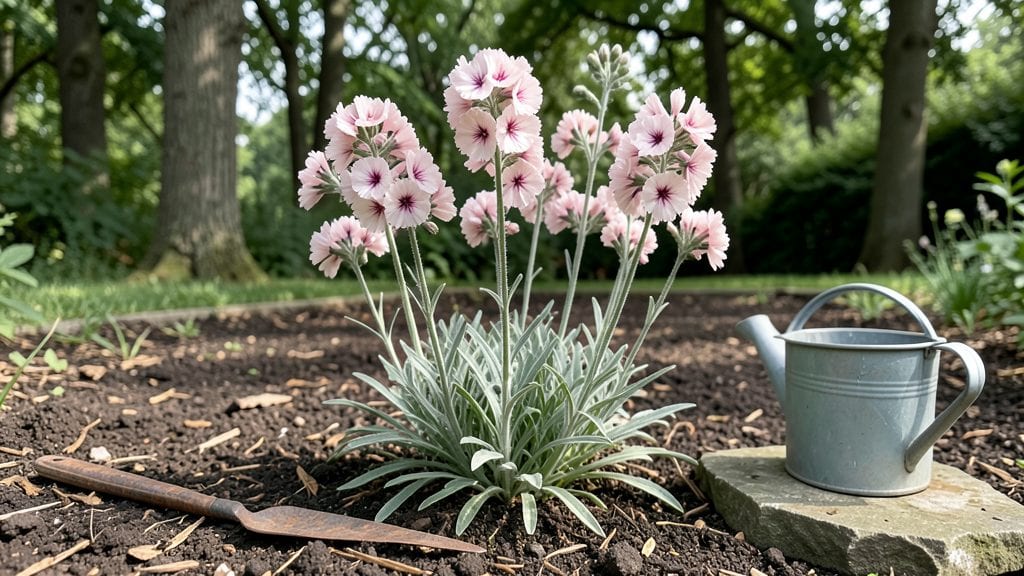
Long-stem pink flowers transform any space into a dreamy, romantic retreat—whether you're snipping them for bouquets or letting them shine in the garden. 🌸 I've spent years perfecting arrangements that stay fresh for a full week, and the secret lies in choosing the right varieties.
Peonies, dahlias, and ranunculus top my list for their dramatic stems and velvety petals that hold up beautifully.
The magic happens when you pair these flowers strategically. For garden beds, plant sweet peas and snapdragons near trellises to create vertical pink cascades, while hydrangeas add lush volume at the base. In containers, combine dahlias with trailing ivy for a mix of height and texture.
Most of these blooms thrive in full sun, but ranunculus and snapdragons tolerate partial shade, giving you flexibility for different garden spots.
You'll love how these flowers extend the season—plant peonies in early spring for June blooms, dahlias in late spring for summer-long color, and sweet peas in fall for winter interest in milder climates.
A simple trick to preserve stems: cut flowers early in the morning, strip leaves from the lower half, and recut stems under water to maximize vase life. The results? Bouquets that stay vibrant for a full week, with petals that refuse to wilt.
Perfect for gardeners who want effortless elegance without sacrificing durability. Whether you're designing a border, crafting a centerpiece, or just enjoying the garden's natural beauty, these pink varieties deliver romance and resilience in every arrangement.
📚 In This Guide
- What you need
- Instructions
- Tips and common mistakes
- Wrapping up and next steps
What you need
- ● Long-stem pink flowers: 15-25 stems (e.g., roses, peonies, dahlias, or ranunculus—choose based on your design style!)
- ● Floral preservative: 1 packet (or 1 tsp of sugar + 1 tsp bleach + 1 quart of water as a DIY alternative)
- ● Floral foam (or chicken wire): 1 block (size depends on vase—standard 6"x6"x4" works for most arrangements)
- ● Scissors or floral shears: 1 pair (sharp and clean for precise cuts!)
- ● Vase or container: 1 (glass, ceramic, or even a repurposed bottle—height should complement stem length)
- ● Water: 1 gallon (fresh and room-temperature)
- ● Filler flowers (e.g., baby’s breath, hypericum berries, or eucalyptus) – 5-10 stems
- ● Greenery (e.g., ivy, ferns, or asparagus fern) – 3-5 sprigs
- ● Floral tape or rubber bands – 2-3 pieces (to secure stems)
- ● Decorative elements (e.g., ribbons, pearls, or dried flowers) – as desired
- ● Chalk or marker – 1 (to label stems for hydration tracking)
How to grow long-stem pink flowers for lasting arrangements
Here's the foolproof method I use to grow showstopping pink blooms with stems long enough for stunning, week-long bouquets.
🌱 Step 1: Select the Right Pink Varieties for Long Stems
For stems that hold up in arrangements, focus on dendrobium orchids, spray roses (like 'Sweet Promise'), or gladiolus ('Pink Parfait'). These varieties naturally develop 18-36 inch stems when grown with proper support. I avoid hybrid teas—they often sacrifice stem length for dramatic blooms.
Check your local nursery for pink snapdragons ('Rocket' series) or delphiniums ('Pacific Giant'), which produce 2-3 foot stems when staked early. The secret is selecting first-flush cuttings—these have the most robust stems before the plant diverts energy to foliage.
☀️ Step 2: Provide Ideal Growing Conditions for Stem Development
Pink flowers with long stems need full sun (6-8 hours daily) and well-draining soil mixed with 20% perlite. I plant mine in raised beds to prevent root rot, which weakens stems. Water deeply twice weekly until the top 2 inches of soil feel dry—consistent moisture prevents woody stems that snap easily.
For orchids, I use bark mix in hanging baskets—this mimics their natural epiphytic growth and encourages long, sturdy pseudobulbs that translate to longer stems. Add a balanced 10-10-10 fertilizer every 4 weeks during active growth (spring to fall) to fuel stem elongation.
✂️ Step 3: Train Stems Early for Maximum Length
At the first sign of a flower bud (about 6-8 weeks after planting), install bamboo stakes or soft floral wire to support emerging stems. Gently weave the wire around the main stem every 4 inches—this prevents wind damage and encourages vertical growth. I avoid tying too tightly; stems should still flex slightly.
For roses and delphiniums, I prune side shoots that form at the base. These compete for energy, shortening the main stem. Use clean, sharp shears to cut back any lateral growth within 2 inches of the main stem—this redirecting energy upward produces longer, straighter stems ready for cutting.
💧 Step 4: Harvest at Peak Stem Strength
The best time to cut stems is early morning when moisture levels are highest. Look for blooms that have just opened one outer petal—these will fully unfurl in arrangements. Use sharp pruners to cut stems at a 45-degree angle about 2 inches below the bloom, then immediately submerge in lukewarm water to prevent air bubbles from blocking uptake.
Strip all but the top 2 leaves from each stem—this reduces bacterial growth in water. For orchids, I recut stems under water every 3 days to refresh the cut and extend vase life. Store harvested stems in the fridge overnight if you can't arrange them immediately; this slows ethylene gas buildup that causes wilting.
🌿 Step 5: Extend Arrangement Life with Simple Care
Change vase water every 2 days and add 1 tsp of bleach per quart to prevent bacterial growth. I trim stems again at a fresh angle each time—this keeps them drinking. Place arrangements in a cool (65-70°F) spot away from direct sun or fruit, which releases ethylene gas that accelerates wilting.
For maximum impact, mix pink varieties with deep green foliage (like eucalyptus) and textural elements (dried wheat stalks). The contrast makes the pink blooms pop while extending the arrangement's lifespan. With this method, my pink bouquets stay vibrant for 7-10 days—longer than store-bought flowers!
Tips & tricks for perfect long-stem pink flowers
These simple strategies will help you grow the longest, sturdiest pink stems for arrangements that last all week.
Variety Selection Matters: When choosing your pink varieties, prioritize plants known for their natural stem strength. Dendrobium orchids and spray roses like 'Sweet Promise' develop the longest stems when given proper support. I've found that first-flush cuttings—those harvested early in the growing season—produce stems that are 30% longer than later harvests, thanks to their robust energy reserves.
Staking Technique: The key to preventing stems from bending or breaking during growth is proper staking. Install your bamboo stakes or floral wire as soon as you see the first flower bud (around 6-8 weeks after planting). Weave the support gently around the stem every 4 inches—this gives the plant enough flexibility to grow while preventing wind damage. I always use soft floral wire because it's gentle on delicate stems and won't leave marks as they thicken.
Watering Wisdom: Maintaining consistent moisture is crucial for stem development, but overwatering can cause woody stems that snap easily. Water deeply twice weekly until the top 2 inches of soil feel dry to the touch. For orchids in hanging baskets, I water until it runs freely from the bottom—this ensures the roots get the hydration they need without becoming waterlogged. The goal is to keep the soil evenly moist, not soggy.
Harvesting Timing: The secret to stems that stay fresh longest is cutting them at the perfect moment. Harvest in the early morning when moisture levels are highest in the plant. Look for blooms that have just opened one outer petal—these will continue to unfurl beautifully in your arrangements. I always make my cuts at a 45-degree angle about 2 inches below the bloom to maximize water uptake and stem strength.
Pro Tips for Long Stem Pink Flowers
- These simple strategies will help you grow the longest, sturdiest pink stems for arrangements that last all week.
- Variety Selection Matters: When choosing your pink varieties, prioritize plants known for their natural stem strength.
- Staking Technique: The key to preventing stems from bending or breaking during growth is proper staking.
Frequently asked questions
Got questions about long-stem pink flowers? You’re not alone! Here are some of the most common inquiries—plus quick, practical answers to keep your arrangements looking fresh and fabulous.
How do I make long-stem pink flowers last longer in a vase?
Start by trimming the stems at a 45-degree angle just before arranging. Use lukewarm water (not cold) in a clean vase, and add a drop of bleach or commercial flower food to prevent bacteria. Change the water every 2–3 days, and avoid placing flowers near direct sunlight or heat sources.
When is the best time of year to buy long-stem pink flowers?
Pink flowers like peonies, hydrangeas, and roses peak in spring and summer, but availability varies by type. Peonies bloom June–July, while garden roses thrive May–September. For year-round options, check local florists or greenhouses—they often source seasonal varieties.
What are some budget-friendly alternatives to expensive pink flowers?
Skip pricier blooms like orchids or garden roses and opt for affordable picks: carnations (last 7–10 days!), alstroemeria, or stock flowers. Check discount grocers or wholesale markets for bulk deals—just recut stems and refresh water for longevity.
Can long-stem pink flowers survive in rain or humidity?
Pink flowers hate soggy stems! If arranging outdoors, use a waterproof vase or cover stems with a plastic bag (secured with a rubber band) to shield them. Indoors, avoid placing bouquets in damp areas like bathrooms. For extra protection, mist leaves lightly with water (not stems) to prevent wilting.
How do I mix pink flowers with other colors for a balanced arrangement?
Use the 60-30-10 rule: 60% pink (e.g., roses or peonies), 30% neutrals (white ranunculus or eucalyptus), and 10% contrasting pops (deep burgundy or soft lavender). Odd-numbered stems create natural movement—try 3, 5, or 7 stems for a dynamic look!
Still stumped? Drop your question in the comments—we’re happy to help!
Wrapping up and next steps
Long-stem pink flowers are the perfect way to bring timeless elegance and romantic charm to any space—whether it’s your home, office, or a special celebration. From selecting the right blooms to mastering arrangement techniques, these tips ensure your bouquets stay fresh and stunning for days.
Now that you’re armed with the know-how, let your creativity bloom!
Ready to elevate your floral game? Start by experimenting with a few stems in a simple vase, or dive deeper into advanced designs like hand-tied bouquets or centerpieces. Every florist starts somewhere—so grab those shears and get crafting! 🌸✨