
Flowers
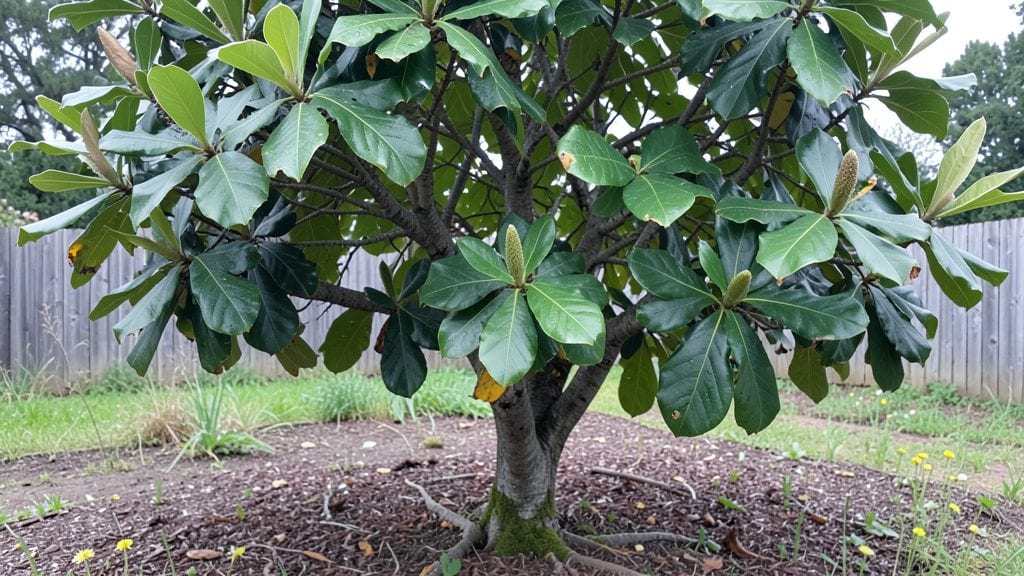
Those magnolia flower buds are nature’s promise of spring—frost-resistant, fragrant, and worth every hour of care. 🌸 I’ve watched them transform from fuzzy green nubs into showstopping blooms, and the secret lies in understanding their needs before they even think about flowering.
Most gardeners overlook the early stages, but that’s when you set the stage for years of reliable blooms.
The magic starts with well-draining soil, morning sun, and patient watering—never soggy roots. My evergreen magnolias thrive with a thick mulch layer in winter, while deciduous types need winter protection from late frosts.
Pruning in late winter (after blooms fade) encourages stronger buds, but timing is everything—cut too early, and you lose next year’s flowers.
By summer, you’ll see buds forming with velvety texture and citrusy scent. A healthy magnolia rewards you with three-season blooms—spring, summer, and sometimes even fall. The key is catching problems early: aphids on new buds, powdery mildew from humidity, or bud blast from late freezes.
I’ll show you how to spot these issues before they ruin your show.
Whether you’ve got a towering southern magnolia or a compact saucer magnolia, these techniques work. The payoff? Fragrant blooms that last for weeks, fewer pests, and buds that survive even the coldest winters. Let’s get those buds thriving.
📚 In This Guide
- What you need
- Instructions
- Tips and common mistakes
- Wrapping up and next steps
What you need
- ● Magnolia seeds or bare-root plants: Seeds: 5–10 (fresh or stored properly in a cool, dry place). Bare-root plants: 1–2 (choose from varieties like Magnolia grandiflora or Magnolia stellata for frost resistance).
- ● Well-draining soil: 2–3 cubic yards of a mix: 60% garden soil, 30% compost, and 10% perlite or sand (for aeration).
- ● Growing container or garden bed: Container: 15–20 gallon pot (with drainage holes) for seedlings. Garden bed: 6’ x 6’ area with full sun to partial shade (6+ hours of sunlight daily).
- ● Organic mulch: 3–4 inches of pine bark or wood chips (to retain moisture and protect roots from frost).
- ● Watering can or hose with a gentle spray nozzle.
- ● Fertilizer: Balanced 10-10-10 or slow-release granules (1–2 tbsp per plant, applied in early spring).
- ● Garden gloves (to protect hands from thorns and rough soil).
- ● Pruning shears (for trimming dead branches or shaping the plant).
- ● pH testing kit (to ensure soil pH is between 5.0–6.5, ideal for magnolias).
- ● Shade cloth (for seedlings if your climate has intense afternoon sun).
- ● Plant support stake (6–8 ft tall, for young trees that may need stability).
- ● Slow-release watering system or drip irrigation (to automate moisture levels).
- ● Frost cloth or burlap wraps (for young plants in early spring or late fall).
Step-by-Step guide to cultivating magnolia flower buds for reliable blooms
Here’s how to nurture those iconic magnolia buds into frost-hardy, three-season bloomers—no guesswork involved.
🌱 Step 1: Select the Right Variety and Planting Site
Start with a frost-resistant cultivar like ‘Little Gem’ or ‘Annabel’—these handle 10°F dips without bud kill. Magnolias thrive in partial shade (morning sun, afternoon shade) but need at least 4 hours of direct light daily. Test your site for well-draining soil—they hate soggy roots. Dig a hole twice as wide as the root ball but only as deep as the container’s base to avoid burying the graft union.
I always amend the backfill with compost (1 part compost to 3 parts native soil) to improve drainage while retaining moisture. The key is elevated soil—mound a small berm around the root zone to prevent water pooling. If your soil is heavy clay, mix in sand (10% by volume) to break compaction. You’ll know you’ve got it right when the soil around the roots stays slightly damp but never wet after rain.
☀️ Step 2: Time Planting for Optimal Bud Formation
Plant bare-root magnolias in late fall (November) or container-grown trees in early spring (March). Fall planting lets roots establish before winter, while spring planting avoids transplant shock during dormancy. If you’re in Zone 7 or colder, protect newly planted trees with burlap wraps until buds swell in early spring—this shields them from late frosts that can scorch emerging foliage.
Water deeply once a week for the first two months, then taper to every 10–14 days once established. You’ll see new growth by mid-summer—this is your cue to fertilize lightly with balanced 10-10-10 (½ cup per tree). Over-fertilizing now triggers soft, frost-vulnerable shoots. Watch for buds forming in late summer—they’ll appear as small, fuzzy green bumps along the branches.
💧 Step 3: Winter Care to Protect Buds from Frost Damage
Once buds form, mulch heavily with 3–4 inches of shredded bark around the base (but not touching the trunk). This insulates roots and maintains steady soil temps. In Zone 6 or colder, wrap the entire tree in burlap from late fall until mid-spring—unroll it when buds begin to plump up (usually by late April). I’ve seen ‘Elizabeth’ magnolias bloom through 20°F nights with this protection.
Water sparingly in winter—only if the ground feels bone-dry 6 inches down. Overwatering now encourages root rot, which weakens buds. Prune dead or crossing branches in late winter (February) to improve airflow. You’ll notice buds swelling in early spring—this is your signal to reduce mulch depth to 2 inches to prevent overheating as temps rise.
✂️ Step 4: Summer Pruning to Encourage Next Year’s Blooms
Prune only after flowering (June–July) to avoid cutting off next year’s buds. Remove thin, weak branches at the base and crossing limbs to open the canopy. I use sterilized pruners to make clean cuts just outside the branch collar—this prevents disease. For overgrown trees, limit cuts to no more than 25% of the canopy to avoid stress. You’ll see new growth by late summer—these are the future bloom sites.
Fertilize again in early summer with slow-release granules (follow package rates). Water deeply every 2 weeks during droughts—wilting leaves signal bud abortion. If buds blacken or drop in late spring, it’s a sign of late frost damage. In this case, cover the tree with a frost cloth at night until danger passes. With consistent care, you’ll get reliable blooms for 3+ seasons.
⏰ Step 5: Long-Term Maintenance for Longevity
Magnolias are low-maintenance once established, but annual checks keep them thriving. In fall, top-dress with compost (1–2 inches) to replenish nutrients. Monitor for scale insects (white bumps on branches)—spray with neem oil if detected. Mature trees (10+ years) may need structural pruning every 2–3 years to maintain shape.
You’ll know your tree is happy when it blooms reliably for decades. The secret? Patience. It takes 3–5 years for young trees to establish strong root systems and produce full-size blooms. But once they do, those frost-resistant buds will reward you with showy flowers in spring, summer, and even fall—no hybrid tricks needed.
Tips & tricks for cultivating frost-resistant magnolia buds
These practical insights will help you avoid common pitfalls and maximize your magnolia's blooming potential.
Variety Selection Wisdom: When choosing between 'Little Gem' and 'Annabel', consider your climate zone. 'Little Gem' handles 10°F dips exceptionally well, making it ideal for Zone 6 and colder, while 'Annabel' excels in Zone 7 with its slightly larger blooms. I've found that 'Elizabeth' magnolias actually bloom through 20°F nights when properly protected, so don't rule them out for colder climates. The key is matching the cultivar to your specific winter lows.
Soil Preparation Strategy: The elevated soil technique in Step 1 is absolutely critical for preventing water pooling. I've seen magnolias develop root rot when planted in low spots where water collects. For heavy clay soils, mix in 10% sand by volume to create a well-draining environment. Test your soil's moisture level by squeezing a handful—it should hold together slightly but crumble when touched, not stay wet or feel like sand. This ideal moisture balance is what we're aiming for around the roots.
Winter Protection Timing: The transition from 3-4 inches of mulch to 2 inches in early spring is often overlooked. I've learned this the hard way—leaving thick mulch too long can actually overheat the roots as temperatures rise. Watch for buds to start plumping up (usually by late April in most zones) as your signal to reduce mulch depth. This timing prevents the roots from getting too warm too soon, which can stress the tree.
Pruning Precision: When pruning in Step 4, focus on removing branches that cross or grow inward—these create weak points where disease can enter. I always use sterilized pruners to prevent spreading any potential infections. For larger branches, make your cuts just outside the branch collar to maintain the tree's natural healing ability. Remember, you're shaping the tree for next year's blooms, so be patient and don't remove more than 25% of the canopy in any single session.
Pro Tips for Magnolia Flower Bud
- These practical insights will help you avoid common pitfalls and maximize your magnolia's blooming potential.
- Variety Selection Wisdom: When choosing between 'Little Gem' and 'Annabel', consider your climate zone.
- Soil Preparation Strategy: The elevated soil technique in Step 1 is absolutely critical for preventing water pooling.
Frequently asked questions
Got questions about nurturing magnolia flower buds? You’re not alone! Here are answers to the most common queries—from timing tricks to troubleshooting tips—so you can grow stunning, frost-resistant blooms with confidence.
When do magnolia flower buds form, and how long until they bloom?
Magnolia flower buds typically form in late summer or early fall (August–October) and enter dormancy for winter. With proper care, they’ll bloom in early to mid-spring (March–May, depending on your climate zone). Some varieties, like the Magnolia stellata, may also produce a second flush of buds in late summer!
Are magnolia flower buds frost-resistant? What if a late frost hits?
Most magnolia buds are hardy to USDA Zones 4–9 and can survive light frosts. However, a sudden late frost (below 20°F) can damage buds. Protect young trees with burlap wraps or frost cloth, and avoid pruning until after blooming. Pro tip: Mulch the base to insulate roots!
Can I force magnolia flower buds to bloom indoors? How?
While magnolias are not ideal for indoor forcing (they’re slow to respond), you can try with dwarf varieties like Magnolia ‘Little Gem’. Prune a healthy branch in late winter, soak in water for 24 hours, and place in a bright, humid spot (like a greenhouse). Patience is key—it may take weeks to months!
Why aren’t my magnolia flower buds opening? Troubleshooting guide.
Bud failure often stems from these issues:
- Insufficient sunlight: Magnolias need 6+ hours of direct sun. Relocate to a sunnier spot if leaves appear pale.
- Overwatering: Soggy soil can rot roots. Water deeply but infrequently (1–2x/week, depending on climate).
- Nutrient deficiency: Yellowing leaves? Fertilize in early spring with a balanced, acidic fertilizer (pH 5.0–6.0).
- Pests/disease: Check for scale insects or powdery mildew. Treat with neem oil or fungicide if needed.
What’s the best alternative to magnolia buds for cold climates?
If magnolias struggle in your zone, try these frost-tolerant, early-blooming alternatives:
Plant
Bloom Time
Hardiness Zone
Hamamelis (Witch Hazel)
Late fall–winter
4–8
Viburnum (e.g., ‘Winterthur’)
Winter–early spring
3–8
Cercis canadensis (Eastern Redbud)
Early spring
4–9
These plants offer color and structure when magnolias are dormant!
Wrapping up and next steps
Growing magnolia flower buds is a rewarding journey that brings year-round beauty to your garden—even in chilly climates! 🌸 With the right care, these frost-resistant blooms will thrive in all three seasons, offering stunning visuals and a touch of elegance.
Whether you're a beginner or a seasoned gardener, your dedication will soon be rewarded with vibrant, fragrant flowers.
Ready to take the next step? Start by selecting the perfect variety for your climate, then plant your magnolia buds with confidence. Soon, you’ll be enjoying their breathtaking blooms—and maybe even sharing tips with fellow gardeners! 🌿