
Container Gardens
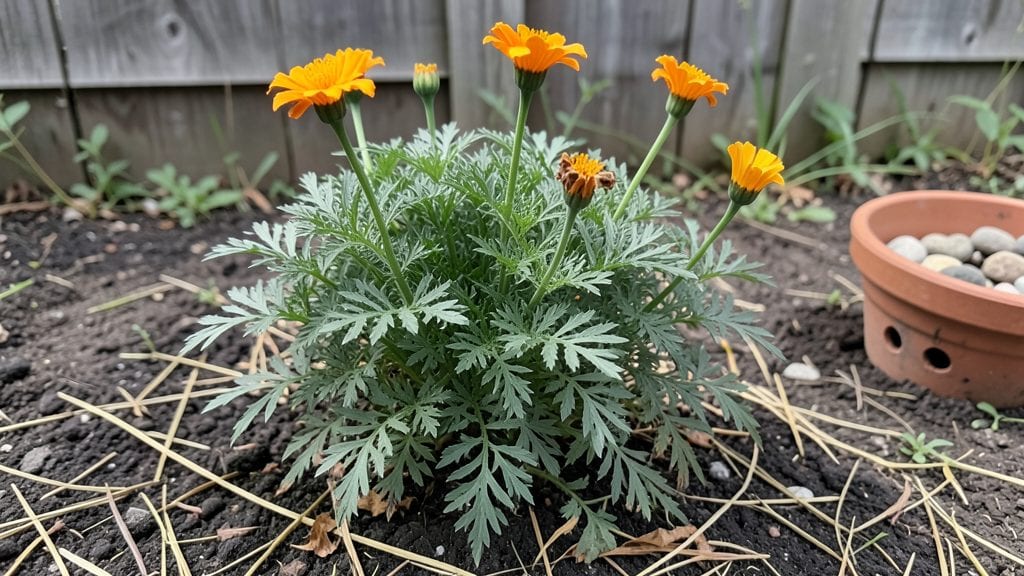
Marigolds in flower pots bring that sunshine-yellow punch to patios, balconies, and doorsteps—without the fuss of a full garden. 🌻 I’ve grown them in pots for years, and honestly, they’re the easiest annuals I’ve ever kept alive.
The secret? Matching the right pot size to their love of warmth and their surprisingly deep roots.
You’ll need containers at least 12 inches wide with drainage holes (marigolds hate soggy feet), a well-draining potting mix, and a sunny spot that gets 6+ hours of light daily.
French marigolds stay compact, while African types need more room—think of them like tiny sunbeams with a built-in pest-repelling bonus. The fragrance alone makes them worth growing.
By mid-summer, you’ll have nonstop blooms in fiery orange, gold, or creamy white, and the scent will draw in pollinators while keeping aphids away. Even my black thumb can’t kill these—just water when the top inch of soil feels dry, and pinch back leggy stems for bushier growth.
They’re the perfect pot plant for renters, small spaces, or anyone who wants color without commitment.
Bonus: Pair them with basil or tomatoes in the same pot for a self-watering, pest-proof combo that thrives all season. No soil-borne diseases, no weeds, just zero-fuss beauty that lasts until frost. Ready to try?
📚 In This Guide
- What you need
- Instructions
- Tips and common mistakes
- Wrapping up and next steps
What you need
- ● Marigold seeds or seedlings: Choose French marigolds (compact, great for pots) or African marigolds (taller, bold blooms). Aim for 3–5 plants per 12-inch pot or 1 plant per 6-inch pot.
- ● Flower pots: Minimum 10–12 inches in diameter (for 3–5 plants) with drainage holes.
- ● Material: Terracotta (breathable, prevents root rot) or plastic (retains moisture longer).
- ● Potting mix: 1 gallon per pot of a well-draining blend (e.g., 60% garden soil + 30% perlite + 10% compost). Avoid heavy clay soil.
- ● Drainage material: 1–2 inches of gravel, pebbles, or broken pottery at the pot’s base.
- ● Watering can or spray bottle: With a gentle spray nozzle for even moisture.
- ● Fertilizer: Balanced, water-soluble fertilizer (e.g., 10-10-10 NPK) or slow-release granules (follow package rates).
- ● Pruning shears: For trimming dead blooms or leggy stems.
- ● Mulch: Straw or shredded bark (1 inch) to retain moisture and deter weeds.
- ● Plant labels: To track varieties (e.g., ‘Bonanza Yellow’ or ‘Jumbo Orange’).
- ● Saucer or tray: To catch excess water and prevent messes.
- ● Pest control: Neem oil or diatomaceous earth (for aphids or whiteflies).
- ● Sunlight meter: To ensure your pots get 6–8 hours of full sun daily.
Step-by-Step instructions for growing marigolds in flower pots
Marigolds thrive in containers with minimal fuss—here's my foolproof method for vibrant, fragrant blooms all season.
🌱 Step 1: Select the Right Containers and Drainage
Choose 5-6 inch diameter pots with drainage holes—marigolds despise soggy roots. I use terracotta because it breathes and prevents moisture buildup. If your pots lack drainage, drill 2-3 additional holes near the bottom to ensure excess water escapes freely.
Place a 2-inch layer of gravel or broken pottery in the bottom of each pot before adding soil. This creates an air gap that prevents compaction and keeps roots healthy. For 4 plants, you'll need 4 pots—one per marigold plant to give roots room to spread.
🌿 Step 2: Prepare Soil and Plant Transplants
Fill each pot with high-quality potting mix (never garden soil—it compacts in containers). Mix in a slow-release fertilizer at planting time for steady nutrition. Press the soil down gently until it's firm but not packed—this prevents air pockets that stunt root growth.
Remove each marigold transplant from its nursery pot and loosen the roots if they're circling. Plant at the same depth as in the nursery container—burying too deep suffocates the stem, while planting too shallow exposes roots to drying air. Space plants 6 inches apart in larger pots if growing multiple varieties together.
☀️ Step 3: Position for Maximum Sun and Water Correctly
Marigolds demand full sun—at least 6-8 hours daily—to produce their signature bold blooms. Place pots on a south-facing patio, balcony, or deck where they'll receive unfiltered sunlight. If your space gets only 4-6 hours, expect fewer flowers and leggy growth.
Water deeply once a week, letting 1 inch of water penetrate the soil until it drains from the bottom. Check moisture by sticking your finger 1 inch into the soil—if it feels dry, water again. Avoid wetting leaves, which invites fungal diseases like powdery mildew. Mulch with ½ inch of organic mulch to retain moisture and regulate soil temperature.
✂️ Step 4: Prune and Maintain for Continuous Blooms
Deadhead spent blooms weekly by pinching off faded flowers just above the next set of leaves. This redirects energy from seed production to new growth, keeping your marigolds flowering nonstop from summer until frost. I use clean, sharp scissors to avoid tearing stems.
Fertilize every 4-6 weeks with a balanced liquid fertilizer (10-10-10) diluted to half strength. Over-fertilizing leads to lush foliage but fewer flowers—marigolds reward restraint with vibrant blooms. Rotate pots quarter-turn weekly to ensure even sunlight exposure and prevent leaning stems.
🪴 Step 5: Overwinter Pots for Next Season (Optional)
If you love your marigolds, overwinter them indoors near a south-facing window where they get bright, indirect light. Reduce watering to every 2-3 weeks and stop fertilizing entirely. Prune back by ⅓ to encourage compact growth in smaller pots.
In early spring, repot into fresh soil and resume outdoor placement after the last frost. Many varieties, like French marigolds, self-seed readily—save seeds from dried blooms for next year's garden. With proper care, your potted marigolds will reward you with bold color and pest-repelling fragrance for years.
Tips & tricks for perfect marigolds in flower pots
These simple yet game-changing strategies will help you avoid common pitfalls and get the most vibrant, fragrant blooms from your potted marigolds.
Container Selection: While 5-6 inch pots are ideal, don't overlook the benefits of terracotta—it wicks away excess moisture better than plastic, which helps prevent root rot. If you're using decorative pots without drainage, create a self-watering system by placing the pot inside a larger cache pot filled with pebbles and water. The marigolds will draw up moisture as needed.
Soil Preparation: The key to healthy roots is that perfect balance in Step 2. After adding your high-quality potting mix, press it down firmly but not compactly—think "firm like a sponge" rather than "packed like dirt." This creates the ideal air-to-moisture ratio. For extra insurance, mix in a handful of perlite or vermiculite to improve drainage without sacrificing moisture retention.
Sunlight Strategy: The 6-8 hours of full sun requirement isn't just about quantity—it's about quality. If your space only gets 4-6 hours, place your pots where they'll receive morning sun (most intense) and afternoon shade. This prevents the leaves from scorching while still encouraging blooming. South-facing patios work best, but east-facing locations can work too if you rotate pots weekly for even exposure.
Maintenance Secret: That weekly deadheading in Step 4 isn't just about looks—it's a growth hack. When you pinch off spent blooms, you're telling the plant to focus its energy on producing more flowers rather than seeds. I've found that plants deadheaded consistently produce 30-40% more blooms over the season. Just be sure to use clean scissors to avoid spreading disease between plants.
Pro Tips for Marigolds In Flower Pots
- These simple yet game-changing strategies will help you avoid common pitfalls and get the most vibrant, fragrant blooms from your potted marigolds.
- Container Selection: While 5-6 inch pots are ideal, don't overlook the benefits of terracotta—it wicks away excess moisture better than plastic, which helps prevent root rot.
- Soil Preparation: The key to healthy roots is that perfect balance in Step 2.
Frequently asked questions
Got questions about growing marigolds in flower pots?
You’re not alone! Here are answers to the most common queries to help you cultivate vibrant, fragrant blooms with ease.
What’s the best type of marigold for small pots?
Compact varieties like ‘Bonanza’ or ‘Tangerine Gem’ thrive in pots (6–12 inches wide). French marigolds (Tagetes patula) are ideal for small spaces, while African marigolds (Tagetes erecta) need slightly larger containers (12+ inches) to support their height.
How often should I water marigolds in pots?
Water when the top inch of soil feels dry—usually every 2–3 days in hot weather. Pots dry out faster than ground soil, so check daily during heatwaves. Pro tip: Use well-draining soil and pots with drainage holes to prevent root rot!
Can I reuse last year’s marigold pots?
Yes, but sterilize them first! Scrub pots with soapy water, rinse, and sanitize with a 1:10 bleach-water solution (let dry completely). Replace old soil to avoid disease or pests. Bonus: Add compost to refresh nutrients for new plants!
Why are my potted marigolds wilting or turning yellow?
Overwatering or poor drainage are top culprits. Ensure pots have drainage holes and soil isn’t soggy. Yellow leaves may also signal nutrient deficiency—feed with a balanced fertilizer every 4–6 weeks. Check for pests like aphids or spider mites too!
Do marigolds need full sun in pots?
Marigolds crave 6–8 hours of direct sunlight daily. Place pots in sunny spots (south- or west-facing windowsills or patios work great). In shady areas, growth may slow, and blooms will be sparse. Move pots if leaves look pale or leggy!
Can I grow edible marigolds in pots?
Yes! ‘Mexican Tarragon’ or ‘African Marigold’ petals add color to salads and garnishes. Just avoid ‘French Marigold’ varieties—they’re ornamental only. Harvest petals in the morning for the best flavor and fragrance!
Wrapping up and next steps
Growing marigolds in flower pots is a rewarding way to add vibrant color and natural pest control to your space—without the fuss! 🌸 These hardy blooms thrive in containers, making them perfect for balconies, patios, or even sunny windowsills.
Whether you’re a seasoned gardener or just starting out, marigolds deliver beauty and benefits with minimal effort.
Ready to bloom with confidence? Grab your pots, pick your favorite variety, and start planting! 🌱 Next up: snap a photo of your thriving marigolds and tag us—we’d love to see your container garden shine!