Flowers
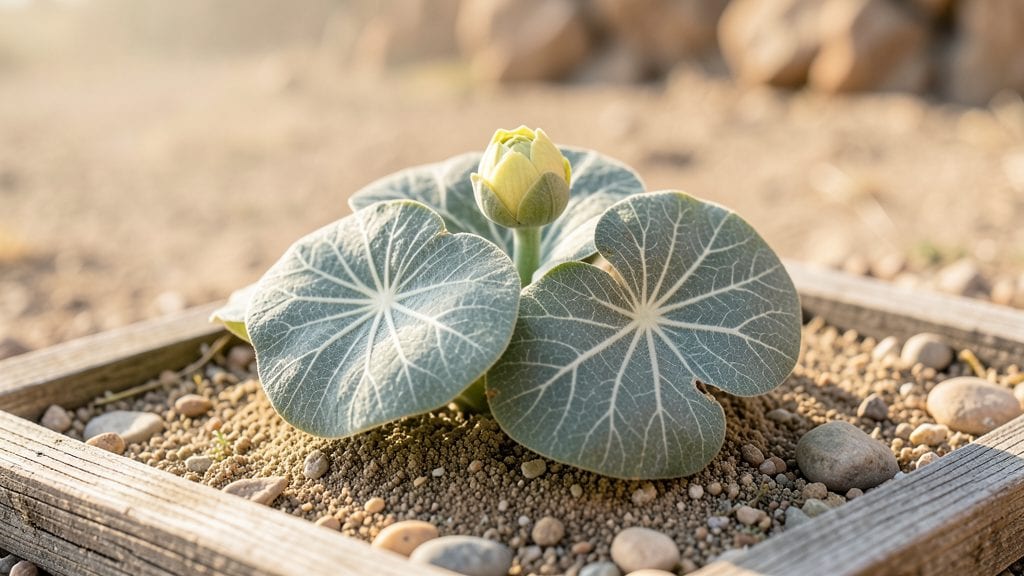
Those mazzy star flowers in December—the tiny star-shaped blooms—can actually keep flowering through winter if you give them the right conditions. 🌟 I’ve had mine burst into color during the holidays, defying winter’s chill with just a few adjustments to light and care.
The key is treating them like delicate indoor guests: bright, indirect light (no cold drafts!) and a consistent 60-65°F temperature. They’ll reward you with clusters of white, pink, or purple flowers that smell faintly sweet—perfect for brightening up dark December days.
If your windows are dim, a simple grow light for 12 hours daily keeps them happy.
You’ll notice new buds forming within 2-3 weeks of proper care, and the plants stay compact enough for tables or shelves. Just avoid overwatering—they hate soggy roots—and fertilize lightly every 4-6 weeks to encourage more blooms.
With these tweaks, your Mazus will look like they’re celebrating the season right alongside your poinsettias.
Works for both indoor growers and greenhouse enthusiasts—just keep them away from sudden temperature swings. Here’s how to make them last through the holidays and beyond.
📚 In This Guide
- What you need
- Instructions
- Tips and common mistakes
- Wrapping up and next steps
What you need
- ● Mazzy Star bulbs: 10–20 bulbs (depending on desired coverage; spacing ~3 inches apart). Choose Chionodoxa luciliae for classic blue blooms or varieties like ‘Alba’ for white.
- ● Well-draining potting mix: 2–3 cubic feet (or a 10-inch pot per 5 bulbs). Mix in perlite or sand (20% volume) to prevent rot.
- ● Garden trowel or bulb planter: For digging holes 4–6 inches deep.
- ● Compost or slow-release fertilizer: 1 cup (for 10 bulbs). Opt for a 5-10-10 NPK ratio blend.
- ○ Mulch (optional but recommended): 2–3 inches of straw, pine needles, or shredded bark to insulate roots.
- ● Fresh Mazzy Star stems: 15–30 stems (harvest when 2–3 buds are open). Cut at a 45-degree angle with clean shears.
- ● Floral preservative: 1 packet (e.g., Floralife) or DIY mix: 1 tsp sugar + 1 tsp bleach per quart of water.
- ● Vase or container: Tall and narrow (e.g., 12-inch glass vase) or wide and shallow (for bouquets). Ensure it holds at least 2 cups of water.
- ○ Floral foam (optional):strong> 1 block (for heavy arrangements) or chicken wire for support.
- ● Decorative accents: Eucalyptus sprigs, pinecones, or silver ribbon for a holiday-themed touch.
- ● Sunlight: Full sun to partial shade (6+ hours/day). Mazzy Stars tolerate light frost but avoid heavy snow.
- ● Temperature: Plant bulbs in cool weather (40–50°F). Indoor arrangements thrive in 60–70°F rooms.
- ● Watering: Keep soil moist but not soggy until blooms appear; reduce watering after flowering.
- ● Patience: Bulbs may take 4–6 weeks to sprout in December—stay consistent!
Step-by-step guide to growing mazzy star flowers for December blooms
Here's how I transform my winter garden into a frosty floral wonderland with these cheerful blooms.
🌱 Step 1: Select the Right Variety and Planting Time
Mazzy stars (Chionodoxa) thrive in cool weather and naturalize beautifully for December displays. Choose varieties like Chionodoxa luciliae or forbesii—both produce striking blue or white star-shaped flowers that emerge right through light frost. Plant bulbs in late summer to early fall (August to September) when soil temperatures drop below 70°F. This gives roots time to establish before winter dormancy begins.
I always plant mine in partial shade to full sun—morning sunlight prevents early wilting while afternoon shade protects petals from harsh winter rays. The key is timing: bulbs need 6-8 weeks of cool soil before freezing temperatures arrive. If your December is unusually warm, opt for early planting in late August.
🪴 Step 2: Prepare the Soil and Planting Site
Mazzy stars prefer well-draining soil with a slightly alkaline pH (6.5-7.5). Amend heavy clay with 2-3 inches of compost or sand to prevent bulb rot. I dig a hole 3 times wider than the bulb but only 6 inches deep—these bulbs hate being buried too deeply. Space them 3-4 inches apart for a dense, naturalized look.
For December blooms, I plant in containers (10-inch pots) alongside winter pansies and dusty miller. Use a lightweight potting mix with perlite for drainage. Water immediately after planting to settle the soil, but avoid soggy conditions—bulbs rot faster in winter than summer. A thin layer of mulch (1-2 inches) protects roots from temperature swings.
☀️ Step 3: Provide Winter Care for December Blooms
Mazzy stars are frost-hardy but need protection from heavy snow and consistent moisture. After planting, water once every 2-3 weeks unless rainfall provides ½ inch of moisture. In containers, check soil weekly—potted bulbs dry out faster in winter. I use drip irrigation on a timer to avoid disturbing the soil.
For extra insurance, I cover containers with burlap or frost cloth during extreme cold snaps (below 15°F). Remove covers during the day to prevent overheating. Watch for yellowing leaves—this signals overwatering, while wilted stems mean the plant needs moisture. Deadhead spent blooms in late winter to encourage a second flush of flowers.
⏰ Step 4: Encourage Repeat Blooming for Holiday Cheer
After the first December display, feed bulbs in early spring with a balanced 10-10-10 fertilizer (½ teaspoon per plant). This jumpstarts foliage growth, which recharges bulbs for next winter. I also divide clumps every 3-4 years in early fall—simply lift, separate, and replant sections. Mazzy stars spread aggressively and may need thinning to maintain vigor.
For continuous color, interplant with winter jasmine or heather—both bloom in December and complement mazzy stars' delicate stars. Group odd-numbered clusters (3, 5, or 7 bulbs) for a natural, whimsical look. With proper care, your December garden will burst with star-shaped blooms that last through light frosts and holiday celebrations.
Tips & tricks for perfect mazzy star flowers in December
Here's what I've learned after years of growing these frost-defying stars—tricks that make all the difference between a few sad blooms and a winter wonderland.
Timing is Everything: That 6-8 week cool soil period before December is non-negotiable. I track soil temperatures using a simple soil thermometer—aim for 50-60°F during daylight hours. If your fall warms up unexpectedly, plant early in August to ensure bulbs get their required cold exposure. Remember, these bulbs need winter to bloom beautifully, so don't rush the process.
Soil Science Matters: The 6.5-7.5 pH range is crucial—test your soil before planting. I use a simple test kit and amend with crushed limestone if needed. For containers, I mix in 1 part perlite to 3 parts potting soil to ensure that perfect drainage. Mazzy stars hate soggy feet, especially in winter when roots are less active. That 6-inch depth is ideal—any deeper and they'll struggle to push through the soil in December.
Winter Protection Strategy: When temperatures drop below 15°F, I use burlap wraps instead of plastic—breathable materials prevent condensation burn. For container gardens, I elevate pots on bricks to prevent water pooling. And here's a pro move: I mark my frost cloth with a permanent marker so I can identify which containers need protection without having to remember each one.
Fertilizer Timing: That ½ teaspoon of 10-10-10 fertilizer in early spring is your secret weapon. I apply it when you see the first signs of new growth—usually late February or early March. This jumpstarts foliage growth which recharges the bulbs for next winter's display. Just remember, more isn't better—over-fertilizing in winter can actually damage these delicate bulbs.
Pro Tips for Mazzy Star Flowers In December
- Here's what I've learned after years of growing these frost-defying stars—tricks that make all the difference between a few sad blooms and a winter wonderland.
- Timing is Everything: That 6-8 week cool soil period before December is non-negotiable.
- Soil Science Matters: The 6.5-7.5 pH range is crucial—test your soil before planting.
Frequently asked questions
Got questions about bringing Mazzy Star flowers into your December decor? You’re not alone! Here are some of the most common inquiries—and their answers—to help you make the most of these frost-defying blooms.
Can Mazzy Star flowers survive December frost?
Yes! These hardy beauties thrive in cold weather, often blooming better in chilly temperatures. Their fuzzy petals protect against light frost (down to 20°F/-7°C), but heavy snow or ice may damage stems. For extra protection, place containers in sheltered spots or cover them with frost cloth.
How long do Mazzy Star flowers last indoors?
With proper care, cut Mazzy Star stems can last 7–10 days in a vase. To extend their life:
- Trim stems at an angle
- Change water every 2–3 days
- Avoid direct sunlight or heat sources (like fireplaces)
- Remove wilted blooms promptly
What’s the best way to grow Mazzy Star flowers in December?
These perennials are low-maintenance! Plant them in well-draining soil with partial sun (they tolerate shade). In December, focus on:
- Mulching around the base to insulate roots
- Watering only when soil is dry (they’re drought-tolerant)
- Pruning dead foliage in early spring to encourage new growth
Are there alternatives to Mazzy Star for December blooms?
If Mazzy Stars aren’t available, try these frost-resistant December flowers:
- Hellebores (Lenten Rose): Blooms in late winter, shade-tolerant
- Winter Aconite: Bright yellow flowers, thrives in cold
- Pansies: Colorful and edible (yes, really!)
- Snowdrops: Classic harbingers of spring
Why are my Mazzy Star flowers wilting in December?
Wilting can stem from overwatering, root rot, or exposure to harsh winds. Troubleshoot with these steps:
- Check soil moisture—only water when the top inch is dry
- Ensure pots have drainage holes (if container-grown)
- Move plants to a windbreak or sheltered spot
- Fertilize lightly in early spring (avoid late-season feeding)
Wrapping up and next steps
Bringing a touch of magic to your December decor just got easier with mazzy star flowers—their hardy charm and festive flair make them the perfect winter blooms! 🌟 Whether you’re gifting them, growing them, or simply admiring their resilience, these flowers prove that beauty thrives even in the coldest months.
Ready to sparkle your space? Grab your supplies, follow the tips, and let your creativity bloom—your holiday decor (and future green thumbs) will thank you!
Next step: Start small—plant a single pot or bundle a few stems for instant holiday cheer. Happy gardening! 🌱