Companion Plants
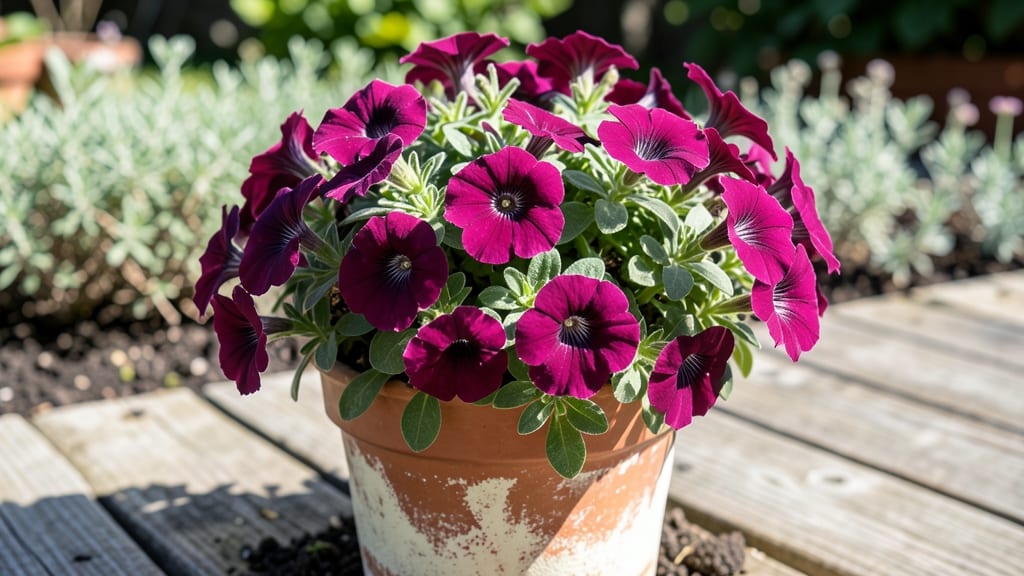
Fast-growing mini flower plants turn even the smallest balcony into a vibrant showstopper. 🌿 I’ve filled window boxes with these pint-sized beauties that bloom in weeks—not months—while requiring just a fraction of the space (and water) of their full-sized cousins.
The secret lies in choosing the right varieties and giving them the perfect tiny ecosystem: bright light, well-draining soil, and containers with drainage holes.
Think miniature roses that perfume the air, fairy garden petunias that spill over edges, or dwarf zinnias that attract bees by the dozen. These plants thrive in containers as small as 6 inches wide, making them perfect for patios, windowsills, or even indoor sunrooms.
The key is matching the plant’s natural growth habit to its pot size—overpotting leads to root rot, while underpotting stunts blooms.
You’ll see the first buds appear within 3-4 weeks of planting, with continuous blooms all season if you deadhead spent flowers. The fragrance alone—especially from mini roses or sweet alyssum—will make neighbors ask where you bought them.
These aren’t just space-savers; they’re the easiest way to pack color into tight spots without the fuss of full-size gardens.
Works for urban balconies, cottage garden borders, or even as desk companions. Let’s get those tiny blooms growing!
📚 In This Guide
- What you need
- Instructions
- Tips and common mistakes
- Wrapping up and next steps
What you need
- ● Mini flower seeds or seedlings: Fast-growing varieties like pansies, petunias, snapdragons, or calibrachoa (10–20 plants, depending on desired coverage).
- ● Containers or garden beds: Containers: 4–6" pots (1–2 plants per pot) or window boxes (spaced 6–12" apart).
- ● Garden beds: Well-draining soil with partial to full sun exposure.
- ● Potting mix: Lightweight, well-draining blend (e.g., 50% peat moss, 30% perlite, 20% compost). Avoid heavy garden soil.
- ● Slow-release fertilizer: Balanced 10-10-10 or organic options like fish emulsion (1 tbsp per plant at planting).
- ● Watering can or spray bottle: With a fine rose nozzle for gentle hydration.
- ● Trowel or small hand shovel (for transplanting).
- ○ Gloves (optional but recommended for comfort).
- ● Measuring cup or spoon (for fertilizer/mix ratios).
- ● Mulch: Straw or shredded bark to retain moisture.
- ● Plant markers: Labels or sticks to track varieties.
- ● Grow lights: If indoors (12–14 hours/day for seedlings).
- ● Epsom salt: For magnesium boost (1 tsp per gallon of water, monthly).
Step-by-step guide to growing fast-blooming mini flower plants
Here’s how to cultivate vibrant, quick-turnaround blooms that transform any space in weeks.
🌱 Step 1: Select Fast-Germinating Mini Flower Varieties
Choose compact, early-blooming annuals like calendula, nasturtiums, or sweet alyssum—these burst into color in 2-4 weeks from seed. I always opt for dwarf petunia or snapdragons for their rapid growth and long-lasting blooms. Check seed packets for "early bloom" labels, as these varieties prioritize speed over height.
Sow seeds directly into containers or garden beds after your last frost date. Avoid transplanting seedlings, as it slows their already quick start. If starting indoors, use biodegradable pots to prevent root disturbance later. Keep soil temperatures above 60°F for fastest germination—warmer soil speeds up the process by nearly 50%.
☀️ Step 2: Position for Optimal Light and Speed
Place containers in full sun (6+ hours daily) to trigger rapid flowering. A south-facing window or balcony works perfectly for patio pots. If growing indoors, supplement with a grow light kept 4-6 inches above plants for 14-16 hours daily. Watch for leggy stems—this means light is insufficient.
Rotate containers quarter-turn weekly to ensure even growth. You’ll notice blooms opening faster on all sides when light exposure is balanced. For shade-tolerant varieties like impatiens, partial shade (3-4 hours sun) still yields 3-4 week blooms, just with slightly smaller flowers.
💧 Step 3: Water Strategically for Fast Growth
Keep soil consistently moist but not soggy—these mini bloomers wilt quickly if thirsty. Water at the base (not overhead) to prevent fungal diseases that slow growth. I use a spray bottle for seedlings and a watering can with a fine rose for established plants. Check moisture by sticking your finger ½ inch deep—if dry, water thoroughly.
Reduce watering slightly as flowers appear, as blooming plants need less moisture. Overwatering causes blossom drop—a common mistake that stalls progress. Mulch with ½ inch of compost to retain moisture and encourage root expansion, which directly speeds up flowering.
✂️ Step 4: Prune to Encourage Nonstop Blooms
Deadhead spent flowers immediately—this triggers new blooms within 7-10 days. Pinch off faded blossoms with your fingers or snip with clean scissors just above a leaf node. I do this every 3-4 days during peak bloom to maintain a lush, continuous display.
For leggy varieties like snapdragons, trim the tallest stems back by ⅓ to encourage bushier growth. You’ll see faster, fuller regrowth within two weeks. Avoid heavy pruning—stick to light maintenance to keep plants compact and flowering.
⏰ Step 5: Fertilize for Rapid, Prolonged Blooms
Use a balanced liquid fertilizer (10-10-10) every 2 weeks starting when seedlings develop true leaves. Dilute to half-strength to avoid burning tender roots. I switch to a bloom-specific formula (5-10-10) once flowers appear to extend their lifespan.
Organic options like fish emulsion work well too—just follow package rates. Stop fertilizing 2 weeks before first frost to harden off plants naturally. You’ll notice brighter colors and larger blooms within 10-14 days of consistent feeding.
Tips & tricks for perfect mini flower plants
These quick tricks will help you coax vibrant blooms from your fast-growing mini flowers in record time.
Seedling Secret: If you're starting indoors, place your biodegradable pots on a heating mat set to 70-75°F to boost germination speed by nearly 50%—that's the same effect as the 60°F soil temperature mentioned, but with even faster results. I've seen calendula pop up in just 5 days instead of the usual 7-10 when using this trick.
Light Strategy: For indoor growers, position your grow light 3-4 inches above seedlings initially, then raise it gradually to maintain the 4-6 inch distance as plants grow. This prevents leggy stems while ensuring those crucial 14-16 hours of light exposure. I use a timer to automate this—no need to remember to adjust it daily.
Watering Wisdom: The ½ inch deep moisture check is your best friend. For containers, I've found that watering in the morning gives roots time to absorb moisture before evening evaporation. And here's a pro move: add a ¼ inch layer of pebbles to the bottom of containers before soil to improve drainage and prevent that dreaded blossom drop from overwatering.
Pruning Precision: When deadheading every 3-4 days, focus on removing only the faded blooms—not the entire stem. Leave 1-2 sets of leaves below each bloom to maintain energy production. For snapdragons, I use clean scissors to make 45-degree cuts just above leaf nodes—this encourages bushier growth without shocking the plant.
Pro Tips for Mini Flower Plants
- These quick tricks will help you coax vibrant blooms from your fast-growing mini flowers in record time.
- Seedling Secret: If you're starting indoors, place your biodegradable pots on a heating mat set to 70-75°F to boost g...
- Light Strategy: For indoor growers, position your grow light 3-4 inches above seedlings initially, then raise it grad...
Frequently asked questions
Got questions about mini flower plants?
You’re not alone! Here are some of the most common queries—plus quick, practical answers to help you grow with confidence.
What are the fastest-growing mini flower plants for beginners?
Look for varieties like Begonia semperflorens (Wax Begonia), Petunia 'Tiny Tots', or Calibrachoa (Million Bells). These bloom in as little as 4–6 weeks from seed and thrive in containers or garden beds. Pro tip: Start seeds indoors under grow lights for a head start!
How often should I water mini flower plants in containers?
Mini flowers in pots dry out faster than garden beds. Water every 2–3 days (or daily in hot weather) when the top inch of soil feels dry. Use a moisture meter or stick your finger in—if it’s bone-dry, it’s time! Overwatering is the #1 killer, so ensure pots have drainage holes.
Can mini flower plants survive winter outdoors?
Most annual mini flowers (like petunias or impatiens) are not frost-tolerant. Move potted plants to a sheltered spot or indoors before temperatures drop below 40°F (4°C). Perennials like Ajuga or Heuchera may return if mulched heavily. Check your plant’s hardiness zone!
What’s the best alternative if my mini flowers aren’t blooming?
Slow blooming? Try these fixes:
- More sunlight: Most mini flowers need 6+ hours of sun daily (adjust placement or use grow lights).
- Deadhead spent blooms to encourage new flowers.
- Fertilize lightly with a balanced 10-10-10 formula every 2–3 weeks.
- Switch varieties: Some, like Lobelia, bloom prolifically in shade.
How do I keep pests away from my tiny flower plants?
Mini flowers attract aphids, spider mites, and whiteflies. Prevent issues with:
- Neem oil spray (weekly preventive treatment).
- Ladybugs or lacewings (natural predators).
- Water foliage early to wash off pests before they multiply.
- Isolate new plants for 1–2 weeks to spot hitchhikers.
Wrapping up and next steps
Mini flower plants are the perfect way to add color, charm, and low-maintenance beauty to your space—whether in pots, window boxes, or garden beds! 🌸 From fast-growing petunias to compact pansies, these varieties prove that big impact doesn’t require big space.
With the right care (sunlight, soil, and a little patience), you’ll enjoy blooms in weeks, not months.
Ready to transform your garden or patio? Start small—pick one or two varieties from our list, grab your supplies, and let nature do the rest! 🌱 Next step: Sketch a simple layout, grab those containers, and plant your first mini blooms this weekend. Happy gardening!