Flowers
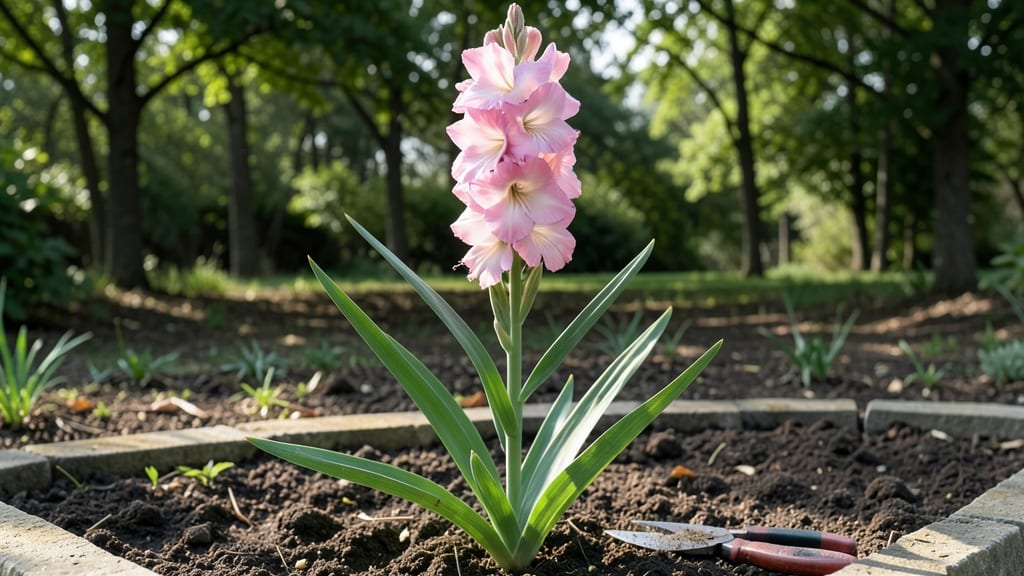
The pink gladiolus flower commands attention like a spotlight on the stage—tall, dramatic, and impossible to ignore. I’ve used them to transform ordinary garden beds into showstopping displays, their sword-like spikes rising above everything else.
The secret isn’t just their height; it’s how they pair with other plants to create visual layers that feel intentional, not accidental.
These flowers thrive in full sun and bloom from mid-summer into fall, giving you a bold splash of color when many other perennials fade. Pair them with deep purple salvias for a regal contrast or mix in dusty miller for a soft, textured backdrop.
In cottage gardens, they add unexpected height to wildflower drifts, while modern landscapes use them as vertical accents in minimalist arrangements.
You’ll love how they elevate any space—whether tucked into a mixed border, used as a focal point in a cutting garden, or scattered throughout a pollinator-friendly meadow. Their versatility means they work in formal beds, rustic pathways, or even container gardens on patios.
Here’s the best part: they’re low-maintenance once established, so you get that dramatic impact** without the fuss. Let’s explore how to make them the star of your garden this season.
📚 In This Guide
- What you need
- Instructions
- Tips and common mistakes
- Wrapping up and next steps
What you need
- ● Pink Gladiolus Bulbs/Corms: 10–20 healthy corms (size: 2–3 inches in diameter; larger = bigger blooms!).
- ● Well-Draining Soil: 5–10 gallons of loamy garden soil mixed with compost (ratio: 3 parts soil, 1 part compost).
- ○ Optional: Perlite or sand (1 cup) for extra drainage.
- ● Sunlight: Full sun (6+ hours daily; partial shade in hot climates).
- ● Watering Supplies: Watering can or hose with gentle spray nozzle (avoid soaking corms).
- ● Garden Tools: Trowel or bulb planter.
- ● Garden gloves (to protect hands from sharp corm edges!).
- ● Fertilizer: Balanced 10-10-10 fertilizer (2 tbsp per plant at planting).
- ○ Optional: Slow-release granular fertilizer (for long-season blooms).
- ● Support Structures: Stakes or trellis (3–4 ft tall; gladioli can grow 4–5 feet!).
- ● Pest Control (Preventative): Neem oil spray or copper fungicide (for thrips/rot prevention).
- ● 🌡️ Timing: Plant corms 2–3 weeks after last frost (spring) or in early fall (for winter blooms in mild climates).
- ● ✨ Color Boost: Add Epsom salt (1 tbsp per gallon of water) monthly for brighter pink hues!
Instructions for planting and cultivating pink gladiolus
Here’s how to grow striking pink gladiolus blooms that add height and drama to your garden beds.
Choose the Right Planting Location
Gladiolus thrives in full sun, so select a spot that receives at least 6-8 hours of direct sunlight daily. Avoid low-lying areas where cold air settles, as gladiolus corms are sensitive to frost. I like to plant mine along the back of borders or in mixed perennial beds where their vertical height—3-5 feet tall—creates a stunning focal point.
Test your soil’s drainage by digging a 6-inch hole and filling it with water. If it drains within an hour, your soil is suitable. Poor drainage leads to rot, so amend heavy clay with 2-3 inches of compost or sand if needed. Gladiolus prefers well-draining, fertile soil with a pH between 6.0 and 7.0.
Prepare the Soil and Plant Corms Correctly
Loosen the soil to a depth of 12 inches using a garden fork or tiller, breaking up any compacted layers. This ensures roots can grow deeply without resistance. Gladiolus corms should be planted 6 inches deep and 6 inches apart in rows, with 18 inches between rows to allow for airflow and future growth.
Place each corm with the pointy end facing upward—this is where the shoot will emerge. If you’re unsure, plant them horizontally; they’ll still grow, but upright planting guarantees faster emergence. I like to plant mine in late spring, 2-3 weeks after the last frost, when soil temperatures reach at least 60°F.
Water and Fertilize for Strong Growth
After planting, water deeply to settle the soil around the corms. Keep the area consistently moist but not soggy for the first 4-6 weeks until shoots appear. Once growth starts, reduce watering slightly but maintain 1 inch of water per week—more in extreme heat. Overwatering can cause corms to rot, so always check soil moisture by hand before watering.
Apply a balanced, slow-release fertilizer (10-10-10) at planting, then side-dress with a low-nitrogen, high-phosphorus fertilizer (5-10-10) when shoots reach 6 inches tall. This encourages strong root and flower development. Avoid high-nitrogen fertilizers, which promote leafy growth at the expense of blooms.
Stake and Support Tall Stems
Gladiolus stems grow tall and top-heavy, so install stakes or supports as soon as the first flower buds appear. I use 5-foot bamboo stakes or metal garden supports, tying stems loosely with soft twine or plant clips to prevent damage. This prevents stems from bending or snapping, especially in windy conditions.
Remove any side shoots that form in the leaf axils—these divert energy from the main flower stem. Pinch them off early to ensure the primary spike produces the largest, most vibrant blooms. Deadhead spent flowers regularly to encourage continuous blooming and redirect the plant’s energy toward new buds.
Harvest and Store Corms for Next Season
After the first frost blackens the foliage, cut back stems to 2 inches above the soil. Dig up the corms carefully using a fork, then let them dry in a shady, well-ventilated area for 1-2 weeks. Store them in a cool, dry place (around 40°F) in a mesh bag or paper sack until replanting the following spring.
Discard any corms that show signs of rot, mold, or soft spots—these won’t survive storage. Healthy corms will produce 2-3 new offsets over time, allowing you to expand your garden effortlessly. I always label my corms by color and variety to keep track of favorites for future plantings.
Tips & tricks for perfect pink gladiolus cultivation
These essential insights will help you cultivate vibrant pink gladiolus that stand out in any garden setting.
Sunlight Strategy: While the instructions specify 6-8 hours of full sun, I've found that planting gladiolus near the back of borders where they receive morning sun and afternoon shade can actually extend their bloom time in hot climates. The key is to ensure they get that critical morning sunlight when temperatures are cooler, which prevents stress on the corms. In Step 1, consider monitoring sunlight patterns in your specific location for 2-3 days before planting to identify the sunniest spot.
Soil Preparation Pro Tip: The 12-inch soil loosening in Step 2 is crucial, but don't stop there. I always mix in 1 cup of bone meal (optional but highly recommended) into the planting hole when adding corms. This provides immediate phosphorus for root development and flower production. The bone meal breaks down slowly, giving your gladiolus a steady nutrient supply throughout the growing season. For heavy clay soils, add 1 part perlite to 3 parts soil to improve drainage while maintaining moisture.
Watering Wisdom: The 4-6 week moist-but-not-soggy period in Step 3 requires careful attention. I've learned that watering in the early morning allows excess moisture to evaporate before evening, reducing rot risk. Install a soaker hose near the base of plants for consistent moisture without wetting the foliage. During extreme heat, increase to 1.5 inches of water per week—you'll notice the stems stay upright and vibrant rather than wilting. Always check soil moisture by pushing your finger 2 inches deep—if it's dry, it's time to water.
Staking Smart: When installing 5-foot bamboo stakes in Step 4, I recommend placing them at planting time rather than waiting for buds to appear. This prevents disturbing the roots later. For windy areas, use two stakes per plant at a slight angle, tying stems loosely with soft plant clips that won't damage the stems as they grow. The key is to allow room for growth—don't tie too tightly, as stems will thicken over time.
Pro Tips for Pink Gladiolus Flower
- These essential insights will help you cultivate vibrant pink gladiolus that stand out in any garden setting.
- Sunlight Strategy: While the instructions specify 6-8 hours of full sun, I've found that planting gladiolus near the ...
- Soil Preparation Pro Tip: The 12-inch soil loosening in Step 2 is crucial, but don't stop there. I always mix in 1 cu...
Frequently asked questions
Got questions about adding pink gladiolus flowers to your garden? Here are some of the most common ones—and their answers!
When is the best time to plant pink gladiolus bulbs?
Plant them in spring (after the last frost) or early summer (up to 8 weeks before your first expected frost). Gladiolus bulbs thrive in warm soil, so avoid planting when temperatures are still chilly. For tropical climates, you can plant year-round, but spring is ideal for most gardeners. Pro tip: Use a soil thermometer to check—aim for 60°F (15°C) or warmer!
How deep and far apart should I space pink gladiolus bulbs?
Plant bulbs 6 inches deep and 6 inches apart in rows. If you’re using them as dramatic vertical accents (like in borders or containers), you can space them slightly closer—about 4-5 inches apart—for a fuller look. Just ensure they have room to grow upright without crowding. Bonus: Mix them with shorter perennials to create a stunning layered effect!
Do pink gladiolus flowers need a lot of water?
Yes! These beauties love consistent moisture, especially during their growing season. Water them deeply 1-2 times per week, ensuring the soil stays evenly damp but not soggy. Watch out: Overwatering can lead to bulb rot, so well-draining soil is a must. Mulch around the base to retain moisture and suppress weeds.
Can I grow pink gladiolus in containers?
They’re perfect for large pots or containers (at least 12 inches deep) with good drainage. Use a well-draining potting mix and plant 3-5 bulbs per container for a full, dramatic display. Place them in a sunny spot (6+ hours of light daily) and water regularly. Container hack: Add a time-release fertilizer to keep them blooming all summer!
Why aren’t my pink gladiolus flowers opening?
Several factors could be at play: lack of sunlight (they need full sun), overcrowding (thin out plants if needed), or nutrient deficiencies (feed with a balanced fertilizer). Check for pests like thrips or aphids, which can stress the plants. If the buds form but don’t open, it might also be due to temperature fluctuations—gladiolus prefer steady warmth. Quick fix: Move them to a sunnier spot and trim any damaged leaves!
What are some great companion plants for pink gladiolus?
Pair them with salvia, cosmos, or marigolds for a vibrant, low-maintenance border. They also look stunning with ferns or hostas for contrast or tall grasses like ornamental millet for movement. Avoid planting near potatoes or tomatoes, as they share diseases. Design tip: Use gladiolus as a "backbone" in your garden—their height adds drama to any space!
Wrapping up and next steps
The pink gladiolus isn’t just a flower—it’s a statement, adding height, drama, and a pop of color to any garden. Whether you’re a seasoned gardener or just starting out, these bold beauties bring effortless elegance and a touch of whimsy to your outdoor space. 🌸
Ready to level up your garden? Start by picking a sunny spot, gathering your supplies, and planting with confidence. Before you know it, your yard will be buzzing with vertical charm—and maybe even a few admiring neighbors! Happy gardening! 🌱