Flowers
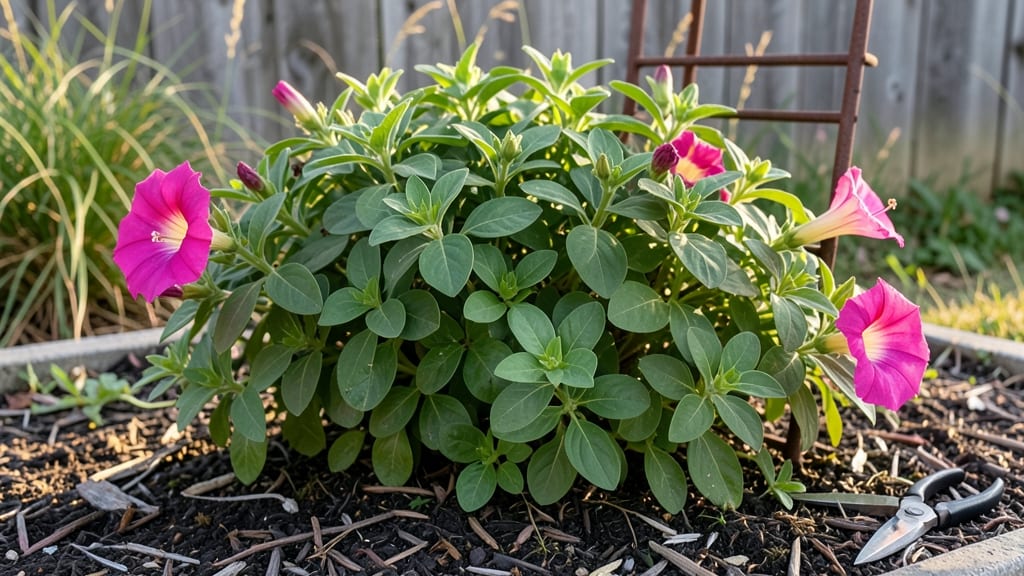
The mirabilis jalapa flower lights up your garden after sunset with vibrant blooms that moths and bats adore. I’ll never forget the first time I saw my patch burst into color as dusk fell—it’s like magic happening in your own yard.
These hardy plants thrive in poor soil and bloom reliably for months, making them perfect for low-maintenance gardeners.
They love full sun but tolerate partial shade, and their tuberous roots make them drought-tolerant once established. Start with seeds in spring or divide mature tubers in early spring for a head start.
The key is patience—blooms typically appear 60-90 days after planting, but once they start, they’ll keep coming until frost.
What makes them special is their nocturnal display: fragrant flowers unfurl in shades of pink, yellow, or white as evening falls. Hummingbirds and night-flying pollinators will visit, adding a whole new dimension to your garden’s ecosystem.
With minimal care, you’ll have a showstopper that works hard for your local wildlife.
Works beautifully in borders, containers, or as a living mulch—just give them space to spread. Here’s how to get started without the guesswork. Let’s make your garden glow after dark!
📚 In This Guide
- What you need
- Instructions
- Tips and common mistakes
- Wrapping up and next steps
What you need
- ● Seeds: High-quality Mirabilis jalapa seeds (10–20 seeds per planting area). Look for organic or heirloom varieties for best results.
- ● Potting mix: Well-draining, fertile soil blend (e.g., 60% potting soil + 40% perlite/sand for aeration). Avoid heavy clay.
- ○ Containers (optional but helpful): Seed trays or small pots: 2–3 inch diameter (for seedlings).
- ● Garden beds or large pots: Minimum 12-inch depth (for mature plants).
- ● Compost or slow-release fertilizer: Balanced 10-10-10 or organic options like worm castings.
- ● Hand trowel or garden fork (for transplanting seedlings).
- ● Spray bottle (for gentle seedling watering).
- ● Pruning shears (for trimming dead blooms or shaping plants).
- ○ Gloves (optional, to protect hands from soil or thorns on some varieties).
- ○ Mulch (optional): Straw or shredded leaves to retain moisture and suppress weeds.
- ● Sunlight: Full sun to partial shade (6+ hours of sunlight daily for vibrant blooms).
- ● Climate: Hardy in USDA Zones 8–11. In cooler zones, grow as an annual or overwinter indoors.
- ● Watering schedule: Keep soil consistently moist but not soggy (water at soil level to avoid fungal issues).
- ● Pollinator-friendly zone: Plant near hummingbird feeders or bee-friendly gardens to attract night-flying moths!
Step-by-Step instructions for growing Mirabilis jalapa flowers
Here's how to grow these enchanting night-blooming beauties that transform your garden after dark.
🌱 Step 1: Choose the Perfect Planting Location
Mirabilis jalapa thrives in full sun to partial shade, making it one of the most adaptable flowers for different garden spots. I always plant mine where they'll receive at least 6 hours of sunlight daily, but they tolerate lighter conditions better than many flowering plants. The key is well-draining soil—they hate soggy roots, so avoid low-lying areas where water pools.
These plants spread aggressively, so give them space. For a single plant, aim for 2-3 feet of diameter in the garden bed. If you're planting multiple, space them 18-24 inches apart. I like to place them near patios or walkways where you can enjoy their fragrance at night without stepping on the plants.
🌱 Step 2: Prepare the Soil and Plant
Mirabilis jalapa isn't picky about soil type, but it does best in soil that drains well. If your garden soil is heavy clay, mix in some compost or sand to improve drainage. These plants prefer soil that's slightly acidic to neutral, with a pH between 6.0 and 7.5. You can test your soil's pH with a simple kit from your local garden center.
Dig a hole about twice as wide as the root ball but only as deep as the container the plant came in. Gently remove the plant from its container and place it in the hole, ensuring the top of the root ball is level with the surrounding soil. Backfill with soil, pressing lightly around the base to eliminate air pockets. Water thoroughly after planting to help the roots settle in.
💧 Step 3: Water and Maintain Through the Growing Season
Once established, Mirabilis jalapa is quite drought-tolerant, but young plants need consistent moisture to thrive. Water deeply once a week during the first month after planting, allowing the top 2-3 inches of soil to dry out between waterings. After that, you can reduce watering to every 10-14 days, depending on your climate. The plant's thick, succulent leaves store water, so it can handle dry spells better than many flowers.
These plants are low-maintenance, but they do benefit from a light feeding. Apply a balanced, 10-10-10 fertilizer every 4-6 weeks during the growing season to encourage lush growth and abundant blooms. I like to fertilize in the morning so the plant has time to absorb nutrients before the heat of the day. Avoid over-fertilizing, as this can lead to excessive foliage growth at the expense of flowers.
✂️ Step 4: Prune and Encourage Continuous Blooming
Mirabilis jalapa doesn't require heavy pruning, but you can encourage more blooms by removing spent flowers. Deadhead the blooms by pinching them off just above a set of leaves. This simple task redirects the plant's energy toward producing new flowers instead of setting seed. I like to do this in the late afternoon so the plant has time to recover before the evening cool-down.
If your plant starts to look leggy or overgrown, you can trim it back by one-third in early summer. This will encourage bushier growth and more flowers. Avoid pruning in the fall, as the plant needs its foliage to store energy for winter. In colder climates, you may need to protect the plant with a layer of mulch to help it survive the winter.
🌿 Step 5: Enjoy the Night-Blooming Magic
The best part of growing Mirabilis jalapa is waiting for the evening show. These flowers typically bloom in the late afternoon and remain open until morning, releasing their sweet, intoxicating fragrance as the sun sets. The blooms come in a stunning array of colors, including pink, white, yellow, and even bi-colors, making them a favorite for pollinators like moths and bats.
To extend the blooming season, you can plant Mirabilis jalapa in containers and bring them indoors during cold snaps. These plants are quite hardy and can tolerate temperatures down to 20°F, but a little extra protection goes a long way in ensuring you get to enjoy their beauty for as long as possible. With minimal care, your Mirabilis jalapa will reward you with a garden that truly comes alive after dark.
Tips & tricks for growing Mirabilis jalapa flowers
Transforming your garden into a nighttime spectacle with Mirabilis jalapa doesn't have to be complicated—just a few strategic moves make all the difference.
Location is Everything: While the 6 hours of sunlight in Step 1 is ideal, I've found that plants in partial shade actually produce more blooms in hot climates. The key is to avoid harsh afternoon sun that can stress the plant—especially in zones with intense summer heat. If your garden gets brutal afternoon sun, consider placing them where they get morning sun and afternoon shade.
Soil Secrets for Thriving Plants: The instructions mention well-draining soil, but I've learned that adding a handful of perlite or coarse sand to heavy clay soil can work wonders. This creates pockets of air around the roots, preventing that dreaded soggy soil condition these plants despise. I also like to mix in a bit of worm castings at planting time—it gives the plants a gentle nutrient boost without overwhelming them.
Watering Wisdom: That first month of weekly watering in Step 3 is crucial, but don't let the soil stay constantly wet. I check moisture by sticking my finger about 2 inches down—if it's dry, it's time to water. The plant's succulent leaves are actually water storage tanks, so once established, they can handle longer dry periods between waterings. In containers, I water every 7-10 days regardless of climate.
Fertilizer Timing Matters: The 4-6 week feeding schedule works well, but I've found that applying fertilizer right after a good rain or thorough watering helps prevent root burn. Also, if you notice more leaves than flowers, you're likely over-fertilizing. Cut back to every 8 weeks and focus on deadheading instead—this redirecting energy toward blooms is what makes these plants so spectacular at night.
Pro Tips for Mirabilis Jalapa Flower
- Transforming your garden into a nighttime spectacle with Mirabilis jalapa doesn't have to be complicated—just a few s...
- Location is Everything: While the 6 hours of sunlight in Step 1 is ideal, I've found that plants in partial shade act...
- Soil Secrets for Thriving Plants: The instructions mention well-draining soil, but I've learned that adding a handful...
Frequently asked questions
Got questions about growing Mirabilis jalapa (aka four-o’clock flowers)? You’re not alone! Here are answers to the most common curiosities—from planting to troubleshooting—so you can nurture these vibrant night bloomers with confidence.
How long does it take for Mirabilis jalapa flowers to bloom after planting?
With patience, you’ll see the first blooms 60–90 days after planting seeds. If starting from cuttings or tubers, expect flowers in 4–6 weeks. For faster results, opt for nursery-grown plants—they often bloom within 30–45 days! Pro tip: Plant seeds early in warm climates (spring) or wait until after the last frost in cooler zones.
Can Mirabilis jalapa survive winter? What’s the best way to overwinter them?
These tropical beauties are not frost-hardy (USDA zones 9–11 only). In colder climates, dig up tubers before the first frost, trim foliage, and store them in dry peat moss or sand at 40–50°F (4–10°C) until spring. Pro tip: Label your tubers—some varieties (like ‘Variegata’) are prized for their foliage!
Are Mirabilis jalapa flowers toxic to bees or other pollinators?
Great news! These flowers are pollinator-friendly and attract hummingbirds, moths, and bees—especially at dusk and night when they open. However, all parts of the plant (including seeds) are mildly toxic if ingested in large quantities, so keep pets and kids away from chewing leaves or seeds. Pro tip: Plant them near evening-active pollinators for a magical night garden!
What can I do if my Mirabilis jalapa flowers aren’t opening at night?
If your flowers stay closed, check these fixes:
- Light levels: Ensure they get full sun (6+ hours/day)—partial shade can delay blooming.
- Watering: Keep soil consistently moist but not soggy; drought stress can cause buds to drop.
- Fertilizer: Use a balanced 10-10-10 fertilizer every 4–6 weeks during growing season.
- Temperature: They thrive in 70–85°F (21–29°C); extreme heat (>90°F) may cause buds to close.
Are there any alternatives to Mirabilis jalapa for night-blooming flowers?
Yes! If you love nocturnal blooms, try these low-maintenance alternatives:
Plant
Night-Blooming Time
Hardiness Zones
Nicotiana sylvestris (Florists’ Tobacco)
Dusk to midnight
7–11
Hesperis matronalis (Dame’s Rocket)
Evening (fragrant!)
3–9
Oenothera biennis (Evening Primrose)
Dusk (self-seeding)
3–10
Lunaria annua (Moonflower)
Night (large, fragrant blooms)
3–9
Wrapping up and next steps
The Mirabilis jalapa, or Four O’Clock flower, brings vibrant color and pollinator magic to gardens with its bold blooms and easy-care nature. Whether you’re drawn to its striking petals or its ability to support night-flying moths and bats, this plant rewards patience with stunning results.
Ready to dive in? Start by gathering your supplies, choosing a sunny spot, and planting with confidence—your garden’s next star is just a seed away! 🌙✨