
Tools
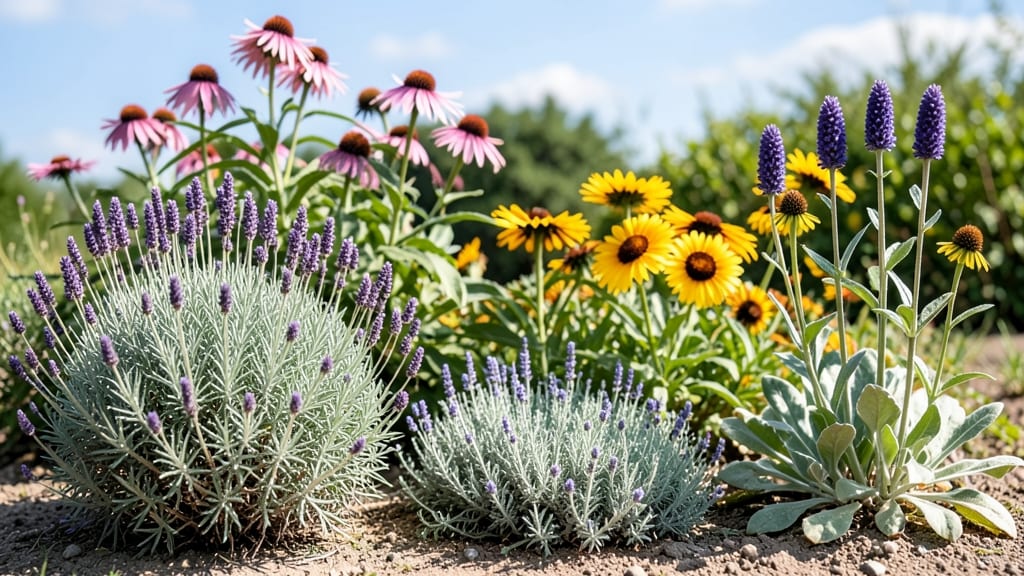
A mixed flower garden in the Pacific Northwest isn’t just pretty—it’s a buzzing, layered ecosystem that keeps pollinators happy year-round. I’ve designed beds here that bloom from early spring’s hellebores to late-fall asters, all while resisting the damp, cool climate’s challenges.
The trick? Layering plants by height and bloom time, so every season has something in flower.
Start with 3-5 core perennials like Pacific coast irises or sword ferns for structure, then add annuals like lupines or sweet peas for seasonal pops. My go-to combo includes tall grasses for movement, mid-height shrubs like salal, and low-growing thyme or creeping phlox for texture.
The result? A garden that feels lush even on rainy days.
You’ll end up with a space that hums with bees, butterflies, and hummingbirds while requiring less upkeep than a formal border. The key is mixing native plants (like Oregon sunshine) with hardy imports—think Japanese forest grass paired with New Zealand heather—for year-round interest.
Even in winter, the structure stays striking.
This design works for small city plots or sprawling rural gardens—just adjust the scale. The Pacific Northwest’s mild winters mean you can plant earlier and enjoy longer blooms. Ready to create your own layered paradise? Let’s get started with the right plant pairings and placement tips.
📚 In This Guide
- What you need
- Instructions
- Tips and common mistakes
- Wrapping up and next steps
What you need
- ● Seeds or young plants: Native PNW perennials (e.g., Lupinus, Penstemon, Achillea) – 5–10 plants
- ● Annuals for color (e.g., Calendula, Cosmos) – 3–5 packets of seeds
- ● Pollinator favorites (e.g., Bee Balm, Yarrow, Milkweed) – 3–5 plants
- ● Soil amendments: Compost (2–3 cubic yards for a 10’x10’ bed)
- ● Organic mulch (cedar chips or straw, 2–3 bags)
- ● Watering supplies: Drip irrigation kit or soaker hose (50–100 ft)
- ○ Watering can (5-gallon, optional for hand-watering)
- ● Basic tools: Garden trowel (for transplanting)
- ● Pruners (bypass, sharp for clean cuts)
- ● Garden fork (for aerating soil)
- ● Rake (leaf rake for clearing debris)
- ○ Optional (but helpful!): Wheelbarrow (for hauling soil/mulch)
- ● Knee pads (for comfort during planting)
- ● Garden gloves (heavy-duty for thorny plants)
- ● Measuring tape (for spacing plants)
- ● A sunny or partially shaded spot (6+ hours of sun for pollinator plants)
- ● Well-draining soil (amend with compost if clay-heavy)
- ● Time to plan! Research native plant pairings for layered blooms.
- ● Pro tip: 💡 Check local PNW nurseries for region-specific recommendations!
How to design a thriving mixed flower garden for Pacific Northwest pollinators
Here’s my battle-tested approach to layering plants for year-round beauty and pollinator support.
Map Your Sunlight Zones and Soil Conditions
The Pacific Northwest’s variable climate demands precision. Start by walking your garden in early morning and late afternoon to identify full sun (6+ hours), partial shade (3-6 hours), and deep shade (less than 3 hours) areas. I sketch a rough layout, noting where moisture lingers after rain—this tells me where to plant moisture-loving perennials like heuchera or astilbe versus drought-tolerant choices like lavender or sage. Soil tests reveal pH levels; most native pollinators thrive in slightly acidic to neutral soil (6.0-7.0).
In my own garden, I marked the dripline of mature trees as future shade spots and used a soil probe to check depth—shallow roots mean I’ll need to amend with compost before planting. The key is matching plants to microclimates: beebalm in moist areas, yarrow in dry, exposed spots. Skipping this step leads to wilting plants by summer.
Layer Plants by Height and Bloom Time
Start with tall perennials (4-6 feet) like hollyhock or lupine at the back, then add mid-height (2-3 feet) like coneflower or black-eyed Susan, and finish with ground covers (6-12 inches) such as creeping thyme or ajuga. I space taller plants 18-24 inches apart to allow airflow, which prevents fungal diseases common in PNW’s damp summers.
For continuous blooms, I stagger early spring (bleeding heart, lungwort), summer (bee balm, blanket flower), and fall (sedum, goldenrod) varieties. This ensures pollinators always have nectar—honeybees start visiting as early as March, while butterflies prefer late summer blooms. I avoid planting all species from the same family (like too many asters) to prevent pest outbreaks.
Incorporate Native and Pollinator-Friendly Species
Native plants like Pacific coast iris, sword fern, and salal provide the best support for local pollinators. I supplement with non-native but pollinator magnets like lavender, catmint, and Russian sage, which thrive in our climate. For bulbs, I mix daffodils (early spring) with allium (late spring) to extend the season.
Mulch heavily with 3-4 inches of wood chips to retain moisture and suppress weeds—critical in PNW’s rainy winters. I avoid thick mulch around shallow-rooted plants like heather or heath, which can rot. Instead, I use pine needles for acid-loving species. The mulch also creates habitat for beneficial insects like ladybugs and ground beetles, which control pests naturally.
Install Water Sources and Windbreaks
Pollinators need water, but a shallow dish can become a death trap. I use flat stones or saucer-shaped containers filled with pebbles and water, so bees and butterflies can drink without drowning. Place these in partial shade to prevent evaporation and algae growth. In exposed areas, I add low shrubs (e.g., red twig dogwood) as windbreaks to protect delicate stems.
For larger gardens, I install a small pond or bog garden with cattails and pickeralweed—these attract dragonflies, which eat mosquito larvae. Even a birdbath on a pedestal (12-18 inches high) gives pollinators a safe landing spot. I test water sources weekly in summer to ensure they’re fresh; stagnant water spreads disease.
Maintain Seasonal Pruning and Deadheading
After the first frost, I cut back perennial stems to 2-3 inches above the ground, but leave seed heads on plants like coneflower and black-eyed Susan for winter interest and food for finches. I deadhead annuals regularly to encourage more blooms—zinnia and cosmos reward this with nonstop color. In early spring, I remove old foliage but leave last year’s stems on grasses like feather reed grass for winter structure.
I fertilize lightly in early spring with compost tea (10-1-10 ratio) and avoid high-nitrogen feeds, which promote leafy growth over flowers. Instead, I side-dress with bone meal in late winter to boost root development. The goal is strong stems and abundant blooms, not lush foliage. I also monitor for aphids and spider mites, treating with neem oil only as a last resort—PNW’s ecosystem balances naturally when plants are healthy.
Tips & tricks for perfect Pacific Northwest pollinator gardens
Creating a thriving pollinator garden in the Pacific Northwest isn't just about planting flowers—it's about crafting an ecosystem that supports life year-round. Here are the insights I've gathered from years of trial and error in my own garden.
Microclimate Mastery: The PNW's variable climate means your garden isn't one uniform space. I've found that using a simple soil probe to check depth before planting reveals hidden clues—shallow roots in Step 1 mean you'll need to amend with compost before planting moisture-loving perennials like heuchera. This small investment prevents summer wilting that I've seen too many gardeners struggle with. Remember, the dripline of mature trees creates natural shade spots that should be marked immediately.
Layering Like a Pro: When arranging your plants by height in Step 2, think vertically. I space taller perennials like hollyhock (4-6 feet) 18-24 inches apart to create that crucial airflow—this prevents the fungal diseases that plague our damp summers. Pro tip: Use a measuring tape to ensure consistent spacing, and consider adding creeping thyme (6-12 inches) along pathways for both pollinators and easy maintenance. The key is creating visual interest while maintaining functionality.
Native Plant Pairings: While incorporating native species like Pacific coast iris is essential, don't overlook the power of strategic pairings. I've noticed that planting bee balm near yarrow creates a dynamic duo—one attracts bees with its vibrant blooms, while the other provides nectar-rich flowers that keep pollinators coming back. This approach extends the bloom season naturally, giving you that continuous color promised in Step 2 without relying on annuals.
Water Source Safety: The most common mistake I see with water sources in Step 4 is using regular shallow dishes. These can become death traps for pollinators. Instead, I use saucer-shaped containers with pebbles and water—this simple modification prevents drowning while still providing hydration. Place these in partial shade to maintain water quality, and remember to test them weekly during summer's heat. A clean water source is just as important as the flowers themselves.
Pro Tips for Mixed Flower Garden
- Creating a thriving pollinator garden in the Pacific Northwest isn't just about planting flowers—it's about crafting an ecosystem that supports life year-round.
- Microclimate Mastery: The PNW's variable climate means your garden isn't one uniform space.
- Layering Like a Pro: When arranging your plants by height in Step 2, think vertically.
Frequently asked questions
Got questions about creating a thriving mixed flower garden in the Pacific Northwest?
You’re not alone! Here are some of the most common concerns—and their solutions—from fellow gardeners and pollinator enthusiasts.
What’s the best time to plant a mixed flower garden in the PNW?
The ideal window is early spring (March–April) or early fall (September–October). This gives roots time to establish before summer heat or winter frost. For perennials, spring planting is best—just ensure the soil isn’t frozen or waterlogged. Pro tip: Start annuals like cosmos or zinnias in late spring after the last frost (usually May).
How do I attract more pollinators to my garden?
Mix native PNW flowers (e.g., yarrow, penstemon, oregon grape) with nectar-rich blooms like lavender, bee balm, and coneflowers. Avoid pesticides! Add a shallow water source (like a saucer with pebbles) and leave some "wild" patches for ground-nesting bees. Bonus: Plant in layers—tall flowers (like lupines) behind shorter ones (like sweet alyssum) for easy access.
How do I protect my mixed flower garden from PNW’s heavy rain?
Improve drainage by amending soil with compost or sand and planting on slight slopes if possible. Use raised beds for moisture-sensitive plants like snapdragons. Mulch with wood chips or straw to prevent soil erosion. Watch out: Overwatering can rot roots—ensure containers have drainage holes!
Can I create a low-maintenance mixed flower garden?
Opt for perennials and self-seeding annuals (like poppies or calendula) to reduce replanting. Group plants with similar water needs and use ground covers (e.g., creeping thyme) to suppress weeds. Time-saver: Choose drought-tolerant natives like sage or blanket flower—they thrive with minimal fuss.
What if my garden looks messy or overgrown?
Embrace the "wild" charm! Many pollinators love untidy blooms (like milkweed or goldenrod). Trim only when necessary—focus on deadheading spent flowers to encourage reblooming. For tidier edges, add neat foliage plants (e.g., ornamental grasses) to balance the mix. Remember: A "messy" garden is often a happy one for bees and butterflies!
Wrapping up and next steps
A mixed flower garden in the Pacific Northwest isn’t just a visual treat—it’s a thriving ecosystem that supports pollinators, enhances biodiversity, and brings joy year-round. 🌸 By layering native perennials, shrubs, and annuals, you’ve created a resilient, low-maintenance space that blooms in every season while giving bees, butterflies, and hummingbirds the nourishment they need.
Now that you’re armed with the why and how, it’s time to roll up your sleeves! Start small—plant a few new species this weekend or sketch out your dream layered design. Every flower you add is a step toward a greener, buzzier Pacific Northwest. Happy gardening! 🌿