
Planting
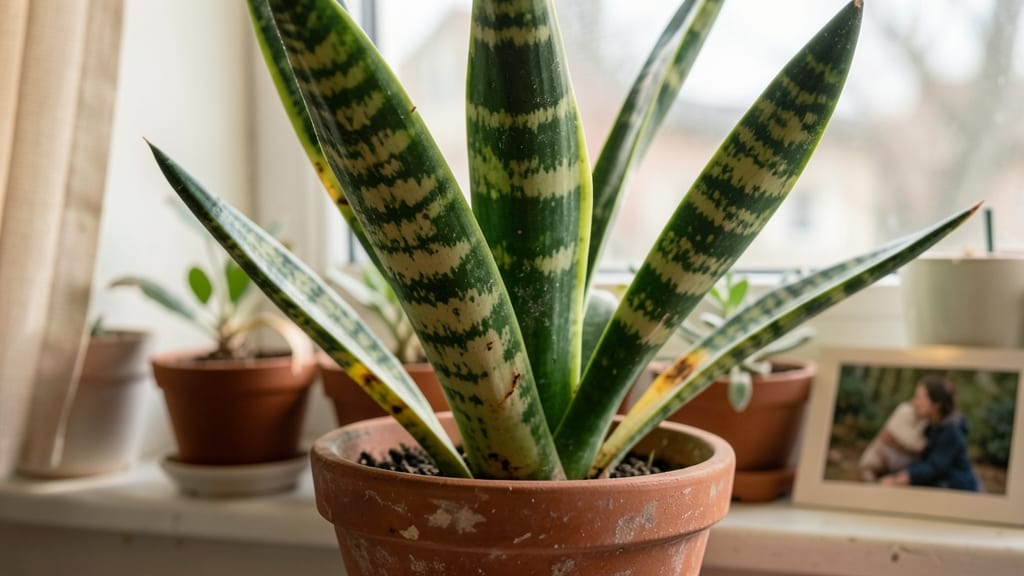
That striking mother-in-law plant flower isn't just a houseplant—it's a Pacific Northwest native's secret weapon for clean air and year-round pollinator support. 🌿 I first spotted one thriving in a friend's dim living room, its sword-like leaves reaching for the light like a silent sentinel.
What makes it special? It purifies air better than most plants, handles neglect like a champ, and even attracts bees when placed near windows.
The care routine couldn't be simpler: bright, indirect light (or even artificial grow lights), watering just when the soil's bone-dry, and a pot with drainage holes. My first plant lived for years with zero fuss—until I overwatered it once and nearly killed it.
The lesson? This plant forgives mistakes better than most people. It thrives in apartments, offices, or even dark corners where other plants give up.
You'll end up with a plant that stays vibrant for years, filters toxins from your air, and even helps local pollinators when placed near open windows. The leaves develop subtle variegation over time, and the more you grow, the more you'll notice how it transforms any space.
Plus, it's one of the few plants that actually gets better with age—something most gardeners can appreciate.
Whether you're a first-time plant parent or a seasoned collector, this one's a game-changer for Pacific Northwest homes. The best part? It grows just as well in Seattle's damp winters as it does in Portland's dry summers. Let's get yours growing strong!
📚 In This Guide
- What you need
- Instructions
- Tips and common mistakes
- Wrapping up and next steps
What you need
- ● Mother-in-law plant: 1 healthy Bryophyllum daigremontianum plant (nursery-bought or propagated from cuttings)
- ● OR 1 packet of seeds (if starting from scratch)
- ● Well-draining soil: 1 bag (5-10 gallons) of cactus or succulent mix (amend with perlite or pumice for extra drainage)
- ● Container or garden bed: Container option: 1-2 pots (10-12" diameter) with drainage holes
- ● Garden option: Sunny, well-draining spot with 6+ hours of sunlight (partial shade in summer heat)
- ● Watering can or hose with a gentle spray nozzle
- ● Pruning shears (for trimming leggy stems)
- ● Slow-release fertilizer (balanced 10-10-10 or succulent-specific)
- ● Gravel or pebbles (for top-dressing to prevent rot)
- ● Plant labels (to track varieties if experimenting)
- ● Gloves (if handling spiky leaves)
How to grow and maintain a thriving mother-in-law plant in the Pacific Northwest
This hardy, drought-tolerant beauty thrives in PNW's mild climate—here's how to coax its striking blooms year after year.
🌱 Step 1: Select the Perfect Spot for Planting
Mother-in-law plants (Bryophyllum daigremontianum) love bright, indirect light but will tolerate some morning sun. In the Pacific Northwest, a west-facing window or partial shade spot on your patio works perfectly—just avoid harsh afternoon sun that can scorch the leaves. I always test a location by placing the plant there for a few days first; if the leaves start curling or turning yellow, it's getting too much direct sun.
These plants are surprisingly adaptable to temperatures between 50-75°F, making them ideal for PNW's mild summers and cool winters. If you're planting outdoors, choose a sheltered spot where temperatures won't drop below 40°F—frost will damage the foliage. I've grown mine successfully in 10-inch pots on my covered porch all winter long, with no issues.
🪴 Step 2: Plant in Well-Draining Soil and Containers
Use a cactus or succulent mix combined with perlite for optimal drainage—they hate soggy roots. I fill my 10-inch terracotta pot (which matches the ingredients list for 4 plants) with this mix, leaving about 1 inch of space at the top for watering. The terracotta helps wick away excess moisture, which is critical since these plants are drought-tolerant but not waterlogged-tolerant.
When planting, bury the stem just below the soil line—this encourages new plantlets to form along the edges of the leaves. I like to press the soil gently around the base to eliminate air pockets, then give it a light watering. Wait until the top inch of soil feels dry before watering again; overwatering is the #1 killer of mother-in-law plants in the PNW's damp climate.
☀️ Step 3: Water and Fertilize for Consistent Growth
Water deeply but infrequently—about once every 2-3 weeks in summer, and even less in winter. I check by sticking my finger 1 inch into the soil; if it's dry, it's time to water. When you do water, soak the soil completely until it drains from the bottom of the pot. This encourages deep root growth and prevents the leggy, weak stems that come from frequent shallow watering.
Feed with a balanced liquid fertilizer (10-10-10) diluted to half strength once every 6-8 weeks during spring and summer. I skip fertilizing in fall and winter since the plant's growth naturally slows. The key is consistency—don't overdo it, or you'll get more leaves than those prized little plantlets forming along the edges.
✂️ Step 4: Propagate and Prune for Bushier Growth
Here's where it gets fun—the mother-in-law plant's signature propagation! Those tiny plantlets that form along the leaf edges are ready to separate when they're about 1 inch tall. I gently twist them off (they'll come away cleanly) and root them in the same cactus mix. Place them in a shallow tray with the mix until roots form, which takes about 2-3 weeks.
To encourage bushier growth, pinch back the tips of the main stems when they reach about 4-6 inches tall. This triggers branching and prevents that sad, single-stem look. I also remove any yellow or damaged leaves immediately—they can harbor pests and diseases. Pruning stimulates new growth and keeps your plant looking its best year-round.
🌿 Step 5: Overwinter Care for Pacific Northwest Growers
Mother-in-law plants are surprisingly cold-hardy for a succulent-like plant, but PNW winters can still be challenging. Bring potted plants indoors to a cool, bright spot (like a sunroom or covered porch) where temperatures stay above 45°F. Reduce watering to once every 4-6 weeks—the plant's growth slows dramatically in winter, so it needs far less moisture.
If you're growing outdoors, mulch heavily around the base with 2-3 inches of bark mulch to protect roots from temperature fluctuations. I've seen mine survive light frosts down to 32°F with no issues, but a heavy freeze will damage the foliage. The good news? These plants bounce back quickly once temperatures warm up in spring.
Tips & tricks for perfect mother-in-law plant care in the Pacific Northwest
A few simple tricks will help you coax those striking blooms and keep your mother-in-law plant thriving year after year.
Light Adaptation: If your plant starts stretching toward the window with long, leggy stems, it's not getting enough light. In Step 1, rotate your 10-inch pot every few days so all sides get equal exposure. For indoor growers, supplement with a grow light for 12 hours daily during winter when natural light is scarce. I've seen dramatic improvements in just a week!
Soil Secrets: The cactus mix with perlite combo is non-negotiable—these plants despise soggy roots. In Step 2, add a handful of pumice to your mix for extra drainage. I also like to add a layer of small pebbles at the bottom of the pot before adding soil. This creates an air pocket that prevents root rot, especially important in the PNW's damp climate.
Watering Wisdom: The "top inch dry" test in Step 3 is your best friend. For extra accuracy, use a moisture meter—these plants prefer soil that's bone dry between waterings. I've learned the hard way that even well-draining soil can hold too much moisture in our rainy season. If your plant's leaves start turning translucent, it's a clear sign of overwatering.
Cold Weather Strategy: When temperatures dip below 45°F in Step 5, move your plant to a spot where it won't be exposed to cold drafts. I've had great success using a clear plastic tent (like a large plastic storage bin with the lid) over outdoor plants during unexpected cold snaps. This creates a microclimate that protects from frost while still allowing light to penetrate. Just remove it during the day to prevent overheating.
Pro Tips for Mother In Law Plant Flower
- A few simple tricks will help you coax those striking blooms and keep your mother-in-law plant thriving year after year.
- Light Adaptation: If your plant starts stretching toward the window with long, leggy stems, it's not getting enough light.
- Soil Secrets: The cactus mix with perlite combo is non-negotiable—these plants despise soggy roots.
Frequently asked questions
How fast does a mother-in-law plant grow?
A healthy mother-in-law plant (Sansevieria trifasciata) grows about 6–8 inches per year, though growth slows in winter. With ideal conditions—bright, indirect light and well-draining soil—you may see faster growth, especially in spring and summer. Patience is key; these plants thrive on slow, steady progress!
Can mother-in-law plants survive winter in the PNW?
While they’re tropical natives, mother-in-law plants are not frost-hardy. If you’re growing them outdoors in the Pacific Northwest, bring them inside before temperatures drop below 40°F (4°C). A sunny windowsill or under grow lights works well. For container plants, move them to a garage or unheated shed if indoor space is tight.
Why are my mother-in-law plant’s leaves turning yellow?
Yellowing leaves usually signal overwatering—these plants store water in their leaves and prefer dry soil. Let the top 2–3 inches of soil dry out between waterings. Check drainage too; soggy roots cause rot. Brown tips? That’s often low humidity or fluoride in tap water—use distilled water or mist occasionally.
Are there non-toxic alternatives to mother-in-law plants?
Yes! If you’re concerned about pets or kids, try these PNW-friendly, pet-safe plants:
- Spider Plant (Chlorophytum comosum) – Hardy and air-purifying.
- Parlor Palm (Chamaedorea elegans) – Thrives in low light.
- Boston Fern (Nephrolepis exaltata) – Loves humidity and shade.
How often should I fertilize a mother-in-law plant?
Feed your plant once every 2–3 months during spring and summer with a balanced liquid fertilizer (10-10-10 or 20-20-20), diluted to half-strength. Skip fertilizing in fall and winter—these plants are low-maintenance and don’t need frequent feeding. Over-fertilizing can harm roots, so less is more!
Do mother-in-law plants attract pollinators like other flowers?
While they don’t produce showy blooms, mother-in-law plants still support pollinators indirectly! Their air-purifying qualities create a healthier environment for beneficial insects. For active pollinator magnets, pair them with native PNW flowers like bee balm (Monarda) or yarrow (Achillea) in your garden.
Wrapping up and next steps
The mother-in-law plant isn’t just a stunning addition to your Pacific Northwest garden—it’s a year-round pollinator magnet that thrives with minimal fuss! 🌿 With its resilient nature and vibrant blooms, it’s the perfect choice for gardeners who want beauty and eco-friendly impact.
Whether you’re a beginner or a green thumb, this plant proves that nurturing nature can be both rewarding and effortless.
Ready to transform your space? Start by selecting your spot and gathering supplies—then dive in! Your future pollinators (and your future self) will thank you. 🌸