Planting
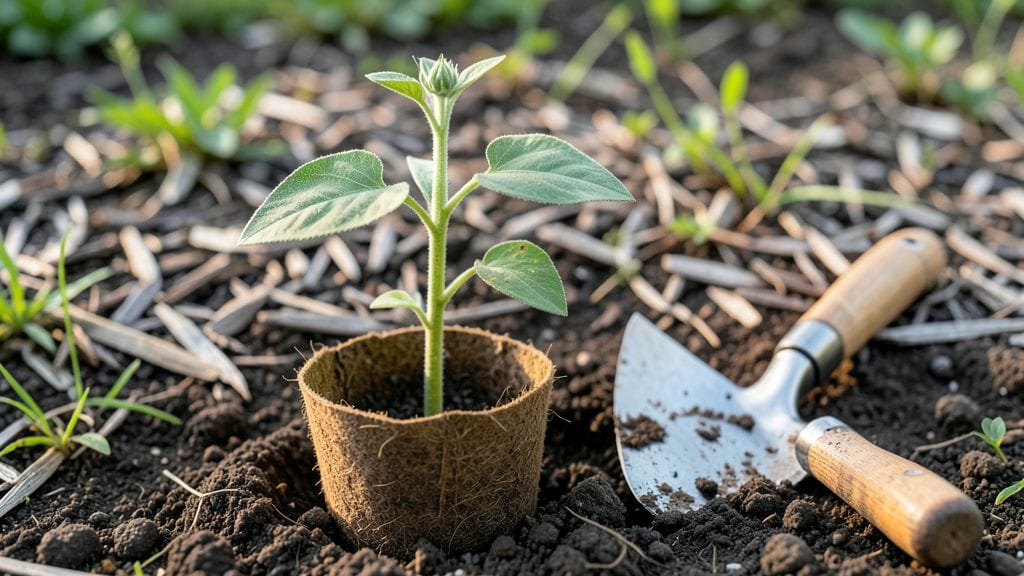
A new sunflower plant starts with that first crack of green through the soil—something I still get excited about every spring. 🌻 The secret to those towering blooms isn’t just patience; it’s the right soil, consistent moisture, and a sunny spot where the seeds can stretch toward the light without fighting for it.
I’ve learned the hard way that skipping these basics means leggy stems or flowers that never open.
You’ll need well-draining soil mixed with compost, a spot that gets at least 6-8 hours of sun daily, and a watering can with a gentle spray nozzle. Sunflowers germinate fastest in 60-70°F soil, so wait until after your last frost if you’re planting outdoors.
The first true leaves appear in 7-10 days, and by week 3, you’ll see those iconic fuzzy sprouts reaching for the sky.
What you’re really growing isn’t just a plant—it’s a 10-foot-tall sunburst that turns heads in the garden. With the right care, you’ll harvest 3-4 inch blooms by midsummer, perfect for cutting or letting bees adore.
The key is keeping soil moist (not soggy) and staking tall varieties before they lean too far—trust me, you don’t want them toppling in a storm.
Even if your first sunflower looks like a twig at first, stick with it. By midseason, you’ll have a golden centerpiece that outshines store-bought bouquets. And if you’re worried about slow growth? We’ll troubleshoot wilting, yellowing leaves, and other common hiccups next—so don’t let a few setbacks dim your excitement.
📚 In This Guide
- What you need
- Instructions
- Tips and common mistakes
- Wrapping up and next steps
What you need
- ● Sunflower seeds – Choose fast-germinating varieties like Mammoth or Autumn Beauty (5–10 seeds per pot or 1 seed per direct-sowing spot).
- ○ Seed-starting mix – A lightweight, sterile potting soil (1–2 bags, ~1–2 cubic feet). Optional: Add perlite or vermiculite for drainage.
- ● Containers – Biodegradable pots (3–4 inches deep) or seed trays with drainage holes (1–2 trays).
- ● Watering can or spray bottle – For gentle hydration (avoid oversaturating!).
- ○ Grow lights or sunny windowsill – Sunflowers need 6+ hours of light daily. Optional: A heat mat (70–75°F) for faster germination.
- ● Gloves – To keep hands clean while handling soil/seeds.
- ● Plant labels – Mark varieties and planting dates (popsicle sticks + markers work!).
- ● Fertilizer – Balanced 10-10-10 or compost (1 tbsp per plant after sprouting).
- ● Transplanting tools – Small trowel or spoon for moving seedlings outdoors.
- ○ Optional: Mulch (straw or shredded leaves) to retain moisture in the garden.
- ● Warmth: Seeds germinate best in soil temps 70–90°F (indoors or outdoors after last frost).
- ● Patience: Germination takes 7–14 days—stay consistent with moisture!
- ● Space: Sunflowers need 12+ inches of spacing (or 2–3 feet for giant varieties).
How to jumpstart your sunflower plant for quick, towering growth
Here’s how I get sunflowers sprouting in record time—no waiting weeks for those iconic blooms.
🌱 Step 1: Prep Seeds for Lightning-Fast Germination
Sunflower seeds have tough outer shells that slow germination. Soak them overnight in lukewarm water to soften the coating. I use a small bowl and cover the seeds with water—just enough to submerge them completely. Leave them at room temperature for 12 hours.
The next morning, you’ll notice the seeds plump up slightly. This pre-soaking trick cuts germination time in half, so you’ll see sprouts in as little as 3-5 days instead of a week or more. Drain the water and let the seeds air-dry for 10 minutes before planting—this prevents mold from forming in the soil.
💧 Step 2: Plant in Warm, Well-Drained Soil
Sunflowers thrive in 60-70°F soil, so if your garden is still chilly, wait until nighttime temperatures stay above 50°F. Use a lightweight, fast-draining mix—sunflowers hate soggy roots. I plant seeds 1 inch deep and space them 6 inches apart in rows.
Water gently after planting, but don’t oversaturate. The soil should feel damp but not muddy. You’ll know it’s right when water drains through the bottom of the pot or garden bed within 15-20 minutes. A quick press of your finger should leave a slight indentation—this ensures moisture without waterlogging.
☀️ Step 3: Provide Maximum Light and Airflow
Sunflowers are sun-worshippers—give them full sun (6+ hours daily) from day one. If you’re starting indoors, place them under a grow light 4 inches away for 14-16 hours daily. You’ll see leggy, weak stems if they’re stretched toward the light—this means they’re starving for brightness.
Once outdoors, keep seedlings in a sheltered spot for 3-5 days to harden off. Gradually move them to sunnier locations. Avoid overcrowding—thin seedlings to 12 inches apart when they’re 3-4 inches tall. This prevents competition and lets each plant reach its full 10-foot potential.
⏰ Step 4: Monitor Moisture and Fertilize Strategically
Water deeply 2-3 times weekly, aiming for 1 inch of water per week. Let the top 2 inches of soil dry out between waterings—sunflowers are drought-tolerant once established, but young plants need consistent moisture. I water at the base in the morning to prevent fungal diseases.
When seedlings hit 6 inches tall, feed them with a balanced, water-soluble fertilizer (10-10-10 ratio). Dilute it to half-strength to avoid burning tender roots. You’ll see a surge in growth within 5-7 days—this is your cue to keep fertilizing every 2 weeks until blooming.
🌿 Step 5: Support Stems Early for Towering Height
Sunflowers grow fast but can flop under their own weight. Install 6-foot stakes or cages when plants reach 12 inches tall. Gently tie the main stem to the support with soft plant ties—this prevents snapping in wind or rain. I check ties weekly and loosen them as the stem thickens.
Watch for the first bud formation near the top of the stem. This happens around 6-8 weeks after planting. Once buds appear, reduce fertilizer to half-strength to encourage flowering instead of leafy growth. You’ll know you’re on track when the buds swell and turn a vibrant yellow-green.
Tips & tricks for perfect sunflower growth
Sunflowers might seem low-maintenance, but these pro tips will help you skip the common pitfalls and grow those towering blooms in record time.
Soaking Secret: The 12-hour soak in lukewarm water is your germination game-changer. I always use a small bowl with just enough water to fully submerge the seeds—no need to go crazy. After draining, let them air-dry for exactly 10 minutes before planting. This step isn't just about speed; it also prevents those pesky mold issues that can derail your fast growth plan from the start.
Soil Temperature Matters: Those 60-70°F soil temps in Step 2 are non-negotiable for quick germination. If your garden soil is still chilly, consider using a heat mat or planting in containers you can move to sunnier spots. I've found that even a 5°F difference can delay sprouting by days—so check soil temp with a thermometer if you're unsure. The 50°F nighttime minimum is your safety net before planting outdoors.
Lighting Strategy: For indoor starts, that 4-inch distance from grow lights during 14-16 hours of daily light is crucial. I've learned the hard way that moving the light closer can scorch delicate seedlings, while keeping it farther creates those leggy, weak stems you want to avoid. Once outdoors, the 3-5 day hardening off period is your secret weapon against transplant shock—don't rush this step, even if you're eager for those towering blooms.
Fertilizer Timing: The 6-inch height threshold before fertilizing is your cue that roots are established enough to handle nutrients. That 5-7 day growth surge after first feeding is what transforms your seedlings into powerhouses. I always dilute to half-strength—burnt roots will stall your sunflowers faster than anything else. And remember, once buds form around 6-8 weeks, cut back to half-strength fertilizer to direct energy toward blooms, not leafy growth.
Pro Tips for New Sunflower Plant
- Sunflowers might seem low-maintenance, but these pro tips will help you skip the common pitfalls and grow those towering blooms in record time.
- Soaking Secret: The 12-hour soak in lukewarm water is your germination game-changer.
- Soil Temperature Matters: Those 60-70°F soil temps in Step 2 are non-negotiable for quick germination.
Frequently asked questions
Got questions about growing your new sunflower plant? You’re not alone—sunflowers are rewarding but can be tricky for beginners! Here are answers to the most common queries to help you nurture those towering blooms with confidence.
How long does it take for sunflower seeds to germinate?
Sunflower seeds typically sprout in 7–14 days when planted in warm, moist soil (60–85°F). For faster germination, soak seeds in water for 4–6 hours before planting. Keep the soil consistently damp but not soggy—patience pays off!
Can I plant sunflower seeds too early in the spring?
Yes, but with caution! Sunflowers hate frost—plant after the last frost date when soil temps are at least 50°F. If you’re eager to start indoors, use biodegradable pots and transplant seedlings after danger of frost has passed.
What if my sunflower seedlings look leggy or weak?
Leggy seedlings usually mean they’re stretching for light. Move them to a sunnier spot immediately! If planted too deep, the stem may struggle. Thin seedlings to 12–18 inches apart to give roots room to grow strong.
Do sunflowers need full sun all day?
Sunflowers thrive in 6–8 hours of direct sunlight daily. Partial shade can reduce bloom size or delay flowering. If your garden is shady, opt for dwarf varieties like ‘Teddy Bear’—they tolerate lighter conditions better.
Can I grow sunflowers from store-bought seeds, or do I need special ones?
Store-bought sunflower seeds will work (just ensure they’re not birdseed or treated for storage). For best results, choose heirloom or hybrid varieties from garden centers. Save seeds from your healthiest blooms for next year!
Wrapping up and next steps
Growing a new sunflower plant from seed is a rewarding journey that brings joy, beauty, and even delicious snacks! With the right soil, warmth, and a little patience, you’ll soon be watching those towering blooms reach for the sky. 🌻
Now that you’re armed with fast-germination tips, it’s time to get planting. Start small—whether it’s a single seedling in a pot or a full garden bed—and let your green thumb shine.
Before you know it, you’ll be harvesting seeds for next year’s blooms or sharing bouquets with neighbors. Happy growing!