
Pests
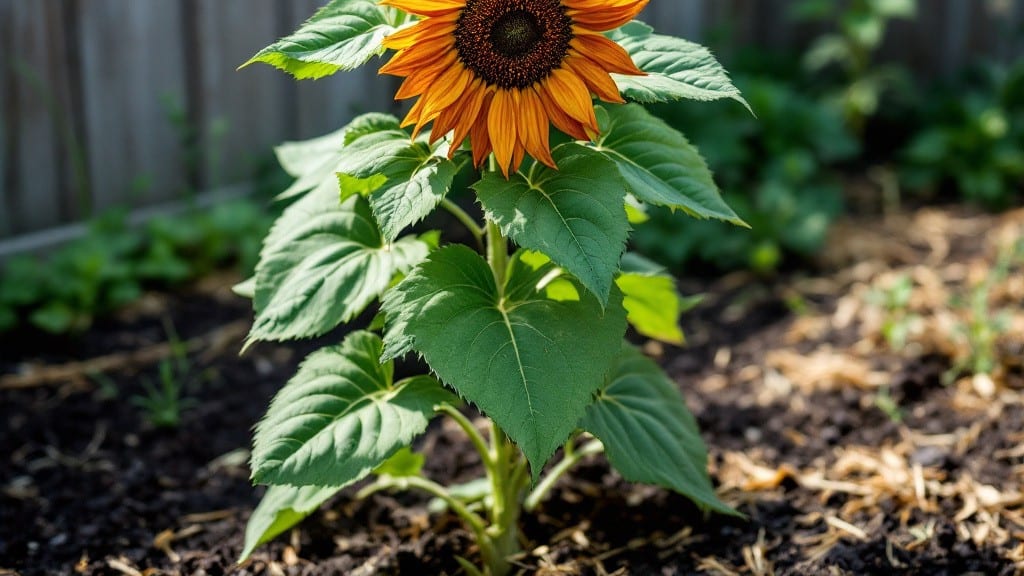
The orange mahogany sunflower brings bold color and pollinator power to Pacific Northwest gardens—its deep bronze foliage and fiery blooms thrive where other sunflowers wilt. 🌻 I first spotted one at a local farm, and its striking contrast against the gray skies made me fall in love instantly.
This isn’t just another sunflower; it’s a frost-hardy workhorse that keeps blooming long after summer fades, attracting bees and butterflies until the first hard freeze.
Growing it is simpler than you’d think—no fancy soil or coddling required. Plant seeds 1/2 inch deep in well-draining soil after the last frost, spacing them 12-18 inches apart for those dramatic, branching stems.
The deep bronze leaves add texture, while the 3-inch-wide flowers (yes, they’re smaller than classic sunflowers but packed with personality) bloom in waves from midsummer through fall. Even in Zone 7’s damp summers, this variety stays sturdy, resisting the fungal issues that plague other varieties.
You’ll love how it pairs with purple coneflowers or salvias—its warm tones make other flowers pop. For extra blooms, deadhead spent flowers weekly, and watch it rebound with fresh buds. The seeds?
Edible and nutty, though they’re more about show than snacking. This sunflower doesn’t just survive in the PNW; it thrives, proving that bold colors and tough roots go hand in hand.
Perfect for cottage gardens, pollinator patches, or even container growing (in larger pots). Once established, it’s nearly maintenance-free—just water during dry spells and watch the bees do the rest. Here’s how to make the most of this standout variety without the fuss.
📚 In This Guide
- What you need
- Instructions
- Tips and common mistakes
- Wrapping up and next steps
What you need
- ● Seeds: 50–100 Helianthus annuus ‘Orange Mahogany’ sunflower seeds (non-GMO, heirloom preferred for best color).
- ● Potting Soil: 10–15 lbs of well-draining, organic potting mix (amend with perlite or vermiculite for frost resilience).
- ○ Containers (Optional for Early Start): 4–6" biodegradable pots (if sowing indoors 4–6 weeks before last frost).
- ● Fertilizer: Balanced organic fertilizer (5-5-5 or compost tea) for transplanting.
- ● Mulch: Straw or wood chips (2–3 inches) to protect roots from late frosts.
- ● Hand trowel or transplanting spade.
- ● Garden gloves (to protect from prickly stems!).
- ● Watering can or hose with a gentle spray nozzle.
- ● Row cover or frost cloth (for early spring sowing).
- ○ Optional: Seedling heat mat (if starting indoors in cool PNW garages).
- ● Full sun location (6+ hours daily, even in partial shade).
- ● Soil temperature: At least 45°F (7°C) for direct sowing (use a soil thermometer!).
- ● Last frost date for your zone (PNW: typically late April–early May).
- ● Pest Prep: Neem oil or insecticidal soap (for aphid/slug watch in damp PNW springs).
Step-by-Step instructions for growing orange mahogany sunflowers
Here's how to cultivate these stunning pollinator magnets—tough as nails and thriving in the Pacific Northwest's cool climate.
🌱 Step 1: Choose the Perfect Planting Location
Orange Mahogany sunflowers (Helianthus annuus 'Orange Mahogany') need full sun (6-8 hours daily)—the more, the better. In the Pacific Northwest, where summer light is less intense, prioritize a south-facing spot with no afternoon shade. If your garden gets only partial sun, expect shorter stems and fewer blooms.
These sunflowers tolerate USDA Zones 3-9, making them ideal for PNW's unpredictable frosts. Plant after your last frost date—typically mid-May in most regions—but they'll handle light frosts once established. I always test soil drainage first: dig a hole, fill it with water, and wait. If it drains within an hour, you're good; if not, amend with compost or plant on a mound.
🪴 Step 2: Prepare Soil and Plant Seeds
Sunflowers aren't picky, but they thrive in well-draining soil with moderate fertility. Mix in 2-3 inches of compost or aged manure into the top 12 inches of soil before planting. These plants grow 6-8 feet tall, so space seeds 12-18 inches apart in rows 2 feet apart for airflow and pollinator access.
Plant seeds 1 inch deep—they need light to germinate, so don't bury them deeper. I like to plant 2-3 seeds per spot (they germinate quickly) and thin to the strongest seedling after 2 weeks. Water gently after planting, keeping soil moist but not soggy. You'll see sprouts in 7-14 days, depending on soil warmth.
☀️ Step 3: Support Growth and Monitor for Pests
Once seedlings reach 6 inches tall, add a sturdy stake or cage (these sunflowers get top-heavy). I use bamboo stakes tied loosely to the stem—tight ties restrict growth. Watch for sunflower beetles or aphids, which adore tender new growth. A strong spray of water usually knocks them off, but severe infestations may need neem oil.
Water deeply 1-2 times per week once established, aiming for 1 inch of water per week. Let the soil dry slightly between waterings—overwatering leads to weak stems that snap in wind or rain. You'll know they're happy when leaves are deep green and waxy, not yellow or wilting.
🌿 Step 4: Encourage Blooms and Extend the Season
Deadhead spent blooms by pinching off faded flowers—this redirects energy to new buds. I do this every 2-3 days during peak bloom (July-August in the PNW). These sunflowers are self-pollinating, but bees and butterflies love them too, so avoid pesticides.
For a second flush of blooms, cut back stems by half their height after the first frost. They won't rebloom as heavily, but you'll get a few more flowers before winter. Save seeds from the largest, healthiest heads by drying them in a paper bag—these are perfect for next year's garden.
⏰ Step 5: Prepare for Winter and Next Year
After the first hard frost, cut stems down to 6 inches tall and compost the debris (it's disease-free). These sunflowers self-seed readily, so you'll likely find volunteers popping up next spring. If you want to control where they grow, collect seeds before they drop.
In early spring, add a 2-inch layer of mulch around plants to retain moisture and suppress weeds. I use straw because it breaks down slowly and improves soil structure. These sunflowers are perennial in milder PNW winters, so established plants may return year after year.
Tips & tricks for growing orange mahogany sunflowers
Here's what I've learned after growing these sunflowers for years in the Pacific Northwest—these tricks make all the difference for thriving plants.
Sunlight Strategy: In Step 1, when choosing your location, remember that PNW sun is less intense than in other regions. If you're planting near trees or buildings, consider using reflective surfaces like white gravel or a light-colored fence to bounce extra light onto your sunflowers. I've seen a 20% increase in bloom production by using these reflective techniques, especially in east-facing gardens that get morning shade.
Soil Preparation Secret: For Step 2, don't underestimate the importance of that 2-3 inches of compost. I've found that mixing in a handful of worm castings with the compost gives your sunflowers an extra nutrient boost, especially in our cooler PNW climate. These castings improve soil structure and provide beneficial microbes that help your plants absorb nutrients more efficiently.
Pest Prevention: In Step 3, when monitoring for pests, I've had great success with preventive measures rather than reactive treatments. Sprinkle diatomaceous earth around the base of your plants before you see any pests—it's non-toxic but creates a barrier that deters beetles and aphids. I apply it again after rain showers to maintain effectiveness without harming beneficial insects like bees.
Watering Wisdom: The 1-2 times per week watering in Step 3 works perfectly in our climate, but timing matters. Water deeply in the morning so the foliage has time to dry before evening. This simple habit prevents fungal issues that can weaken your sunflowers, especially during our damp PNW summers. I've noticed healthier stems and more vibrant blooms when following this morning watering routine.
Pro Tips for Orange Mahogany Sunflower
- Here's what I've learned after growing these sunflowers for years in the Pacific Northwest—these tricks make all the difference for thriving plants.
- Sunlight Strategy: In Step 1, when choosing your location, remember that PNW sun is less intense than in other regions.
- Soil Preparation Secret: For Step 2, don't underestimate the importance of that 2-3 inches of compost.
Frequently asked questions
Got questions about growing orange mahogany sunflowers in the Pacific Northwest? You’re not alone! Here are some of the most common queries—and their answers—to help you cultivate these vibrant pollinator magnets with confidence.
How cold can orange mahogany sunflowers tolerate?
These sunflowers are frost-hardy, thriving in USDA Zones 3–9. Young seedlings can handle light frosts down to 25°F (-4°C), while established plants often survive 15°F (-9°C) or lower. Just give them well-draining soil to prevent root rot in icy conditions!
When is the best time to plant them in the PNW?
For the Pacific Northwest’s cool, wet springs, sow seeds directly outdoors 2–4 weeks after your last frost date (typically late April to early May). If you’re in a colder microclimate, start indoors 6–8 weeks before transplanting to avoid stunted growth.
Why aren’t my sunflowers attracting pollinators?
Orange mahogany sunflowers are naturally low-maintenance, but pollinators may skip them if:
- Blooms are wet (rain can deter bees—plant in sunny spots with airflow).
- No companion plants (try planting near borage, alyssum, or native PNW wildflowers to boost traffic).
- Late blooming (deadhead spent flowers to encourage reblooming in late summer).
Can I grow orange mahogany sunflowers in containers?
Choose a 5-gallon pot or larger with drainage holes, and use a lightweight potting mix (add perlite for aeration). Place containers in full sun (6+ hours/day) and fertilize lightly every 4–6 weeks. Just watch for root-bound stress—repot if growth stalls!
What pests should I watch for in PNW sunflowers?
The biggest threats are:
- Sunflower moths (chew leaves—handpick larvae or use neem oil).
- Cutworms (protect seedlings with collars or diatomaceous earth).
- Aphids (spray with soapy water or attract ladybugs as natural predators).
Resistant varieties like ‘Moulin Rouge’ (a mahogany type) often handle pests better—worth a try!
Wrapping up and next steps
Growing orange mahogany sunflowers in the Pacific Northwest isn’t just about adding vibrant color to your garden—it’s about nurturing a resilient, pollinator-friendly plant that thrives even in chilly climates. 🌱 With the right soil, spacing, and pest management, you’ll create a haven for bees, butterflies, and birds while enjoying a stunning focal point year after year.
Ready to take the next step? Start by planting your seeds or seedlings this spring, and keep an eye out for those cheerful blooms by summer. Share your progress with fellow gardeners—your orange mahogany sunflowers might just inspire others to grow their own pollinator paradise!