
Flowers
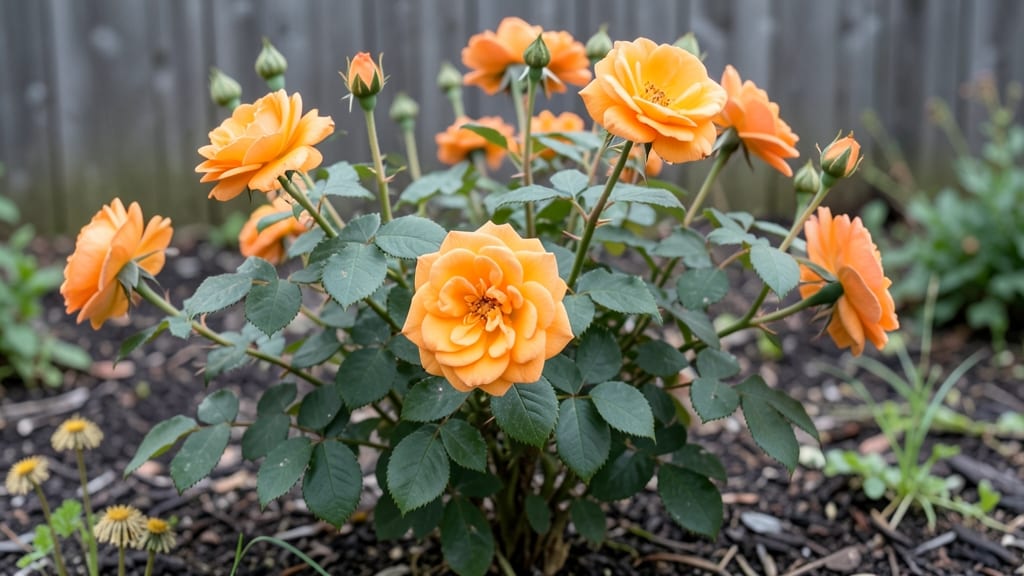
Growing an orange rose flower that bursts with fragrance and color feels like unlocking a secret garden treasure. I still remember the first time I saw one in full bloom—its velvety petals glowing like sunset through leaves, filling the air with a spicy-sweet scent that lingered for hours.
The key isn’t just sunlight and water; it’s understanding how these roses thrive when treated like the delicate queens they are.
Here’s the thing—orange roses demand patience but reward you with vibrant blooms that last from spring through fall, and with the right care, even into winter. You’ll need well-draining soil, at least 6 hours of morning sun, and a pruning schedule that keeps them bushy, not leggy.
The payoff? A plant that becomes the centerpiece of your garden, drawing in bees and butterflies while filling your yard with that intoxicating citrusy aroma.
What makes them special is how they respond to your attention: a deep watering after flowering, a light feeding in early spring, and strategic pruning to remove dead wood.
Even in colder climates, they bounce back stronger each year. The trickiest part? Avoiding powdery mildew—keep those leaves dry, and you’ll skip the fungicide entirely.
Whether you’re starting with bare-root plants or container-grown roses, the principles stay the same. Let’s get yours growing strong—because nothing says “summer in a bloom” like an orange rose in full glory.
📚 In This Guide
- What you need
- Instructions
- Tips and common mistakes
- Wrapping up and next steps
What you need
- ● Orange rose plant: Choose a healthy bare-root or potted Rosa variety (e.g., 'Orange Triumph,' 'Orange Glow,' or 'Orange Sensation').
- ● Well-draining soil: 3–5 gallons of a mix of 60% garden soil, 30% compost, and 10% perlite/sand to prevent root rot.
- ● Planting container or garden bed: Containers: 15–20 gallon pots with drainage holes (2–3 per plant).
- ● Garden beds: Full sun (6+ hours/day) with space for roots to spread (3–4 feet apart).
- ● Fertilizer: Balanced fertilizer (10-10-10): 1–2 tablespoons per plant at planting.
- ● Rose-specific fertilizer: High in phosphorus (5-10-5) for blooms; apply every 4–6 weeks.
- ● Mulch: 2–3 inches of organic mulch (e.g., wood chips or straw) to retain moisture.
- ● Watering can or hose with nozzle: For gentle, deep watering (1–2 gallons per plant, 2–3 times/week).
- ● Pruning shears: Sharp, clean shears (sterilized with rubbing alcohol).
- ● Stakes or cages: 4–6 foot tall supports for climbing varieties.
- ● Epsom salt: 1 tablespoon dissolved in water monthly for magnesium boost.
- ● Rose food pellets: Slow-release granules for convenience.
- ● Drip irrigation system: Automates watering for busy gardeners.
- ● Pest control: Neem oil or insecticidal soap for aphids/mealybugs.
- ● Garden gloves: Protect your hands during thorny pruning!
Step-by-step guide to planting and cultivating orange roses
Here’s how to establish vibrant, fragrant orange roses that thrive year after year.
Select the Right Variety and Planting Location
Orange roses like ‘Mister Lincoln’ or ‘Orange Sensation’ thrive in full sun—choose a spot receiving 6-8 hours of direct sunlight daily. Avoid low-lying areas where cold air settles, as roses are sensitive to frost damage. Test your soil’s pH (ideal range: 6.0-6.5) using a simple kit; amend with lime if acidic or sulfur if alkaline. I always dig a hole twice as wide as the root ball to encourage root spread and prevent root circling.
Loosen the soil at the bottom of the hole with a garden fork to break up compacted layers. This improves drainage and prevents waterlogging, which can rot roots. If your soil drains poorly, mix in 3-4 inches of compost or sand to lighten the texture. Orange roses need well-draining soil to prevent fungal issues like black spot, so never plant in clay-heavy ground without amendment.
Prepare and Plant Bare-Root Roses
Soak bare-root roses in lukewarm water for 1-2 hours before planting to rehydrate the roots. Remove any dead or mushy roots with clean pruners, leaving only healthy, white or light tan roots. Cut back the canes (stems) by one-third to reduce stress and encourage bushier growth. Dip the roots and lower portion of the canes in rooting hormone to boost establishment.
Place the rose in the hole so the graft union (a swollen bump near the base) sits 2-3 inches below soil level. This protects the graft from cold and ensures the plant grows true to variety. Backfill with native soil mixed with compost, firming gently as you go to eliminate air pockets. Water deeply to settle the soil and remove any air gaps around the roots. Mulch with 2-3 inches of organic mulch (like wood chips) to retain moisture and suppress weeds.
Establish a Watering and Fertilizing Routine
Water newly planted roses deeply 2-3 times per week for the first month, ensuring the soil is moist 6 inches down. Overhead watering can spread disease, so use a soaker hose or drip irrigation at the base. Avoid wetting the foliage, especially in the evening when humidity encourages fungal growth. You’ll know your watering is right when the soil feels damp but not soggy—like a wrung-out sponge.
Fertilize 4-6 weeks after planting with a balanced rose fertilizer (10-10-10 or similar) applied every 4-6 weeks during the growing season. Follow label instructions carefully—over-fertilizing leads to weak stems and fewer blooms. In late summer, switch to a low-nitrogen, high-phosphorus fertilizer (like 5-10-10) to encourage fall blooming and root strengthening for winter. Always water before fertilizing to prevent root burn.
Prune for Health and Abundant Blooms
Prune roses 3 times a year: in late winter (just before new growth starts), after spring blooms fade, and in early summer to shape the plant. Remove dead, diseased, or crossing branches first, cutting at a 45-degree angle just above an outward-facing bud. Thin out crowded canes to improve airflow, reducing humidity and fungal risks. I aim to leave 3-5 strong canes per plant, as this encourages larger, healthier blooms.
Deadhead spent blooms regularly by cutting back to the first healthy leaf below the bloom. This redirects the plant’s energy into new growth rather than seed production. In fall, prune lightly to remove weak or damaged canes, but avoid heavy pruning—orange roses need their foliage to photosynthesize and store energy for winter. Always sterilize pruners with rubbing alcohol between cuts to prevent spreading disease.
Protect and Maintain for Year-Round Growth
Mulch roses annually in early spring with 2-3 inches of organic mulch, pulling it back slightly from the stem to prevent rot. This insulates roots in winter and keeps soil cool in summer. In zones with harsh winters (below 10°F), mound 12-18 inches of soil or mulch around the base of the plant for extra protection. Remove the mound in early spring once new growth appears.
Monitor roses for pests like aphids or Japanese beetles and diseases such as black spot or powdery mildew. Treat aphids with a strong spray of water or neem oil, and apply fungicide at the first sign of fungal issues. Orange roses are generally pest-resistant, but stress from poor care invites problems. I inspect plants weekly during growing season, removing affected leaves immediately to contain issues before they spread.
Tips & tricks for perfect orange rose cultivation
Orange roses demand special attention to thrive—here’s how to give them the care they deserve for vibrant blooms all season.
Sunlight Strategy: While 6-8 hours of sun is ideal, morning sun paired with afternoon shade works well in hot climates. I’ve seen orange roses in my garden thrive with 5 hours of morning sun and 3 hours of afternoon sun—just avoid the intense midday heat that can scorch delicate petals. Position your roses where they’ll receive gentle light during peak hours, especially in summer.
Soil Preparation Secret: The 3-4 inches of compost or sand recommendation isn’t just about drainage—it’s about creating the perfect microbial environment. Orange roses respond beautifully to a mix of 50% native soil, 30% compost, and 20% perlite for that ideal texture. This blend prevents compaction while providing essential nutrients. I always test the soil mix by squeezing it—it should hold shape but crumble easily when touched.
Winter Protection: For zones below 10°F, the 12-18 inch mound of soil or mulch is your best defense, but timing matters. Build the mound after the first hard frost when soil temperatures drop below 32°F. Remove it gradually in early spring as new growth appears—don’t wait until you see shoots, or you risk suffocating emerging buds. I mark the location with a stake to remember where to dig.
Pruning Precision: When pruning in late winter, focus on removing canes that are thinner than a pencil—these won’t produce quality blooms. The 45-degree angle cut isn’t just aesthetic; it creates more surface area for water to be absorbed and new growth to emerge. Always make cuts just above an outward-facing bud to encourage the plant to grow away from the center, improving airflow and reducing disease risk.
Pro Tips for Orange Rose Flower
- Orange roses demand special attention to thrive—here’s how to give them the care they deserve for vibrant blooms all season.
- Sunlight Strategy: While 6-8 hours of sun is ideal, morning sun paired with afternoon shade works well in hot climates.
- Soil Preparation Secret: The 3-4 inches of compost or sand recommendation isn’t just about drainage—it’s about creating the perfect microbial environment.
Frequently asked questions
Got questions about growing and caring for orange rose flowers? You’re not alone! Here are some of the most common queries—plus quick, practical answers to help you cultivate stunning blooms with confidence.
How do I encourage my orange roses to bloom more frequently?
To maximize blooms, prune wisely in early spring (remove dead or crossing branches) and fertilize every 4–6 weeks during growing season with a balanced rose food. Deadhead spent blooms regularly—this redirects energy to new flowers! Pro tip: Ensure they get 6–8 hours of sunlight daily and water deeply (1–2 inches per week) to avoid stress.
When is the best time to plant orange rose bushes?
The ideal planting window is late fall or early spring (before buds swell), when soil temps are cool (50–60°F). Avoid extreme heat or frost—roots need time to establish. If planting in summer, water daily and mulch heavily to retain moisture. Bonus: Bare-root roses can be planted in winter (dormant season) for fewer pests!
What’s the easiest way to propagate orange roses?
Try stem cuttings for a budget-friendly method! Take 4–6 inch cuttings from healthy stems (just below a node), dip in rooting hormone, and plant in moist perlite/sand mix. Keep in indirect light and maintain humidity (a plastic bag works!). Roots form in 3–6 weeks. Alternative: Grafting (for hybrid roses) or layering (bending a low stem into soil) also works!
Why are my orange rose leaves turning yellow or curling?
Yellow leaves often signal overwatering or nutrient deficiency (like nitrogen). Check soil moisture—roses hate soggy roots! Curling leaves may mean pests (aphids, spider mites) or fungal issues (like black spot). Solution: Spray with neem oil for pests, prune affected leaves, and improve airflow. Prevent tip: Space plants 3–4 feet apart to reduce humidity-related diseases.
Can orange roses grow in containers? What’s the best setup?
Choose a large pot (at least 15–20 gallons) with drainage holes and use a well-draining mix (50% potting soil, 30% perlite, 20% compost). Dwarf varieties (like ‘Orange Crush’) thrive in containers. Watering tip: Containers dry faster—check soil moisture daily in summer. Fertilize monthly and rotate the pot weekly for even sunlight exposure.
Still stumped? Drop your specific challenge below—we’re happy to help troubleshoot your orange rose garden!
Wrapping up and next steps
The orange rose flower isn’t just a burst of color—it’s a symbol of passion, energy, and resilience. With the right care, these fragrant perennials can thrive year-round, rewarding you with stunning blooms and lasting beauty.
Whether you're a seasoned gardener or just starting, the key is patience, consistency, and a little love!
Now that you’re armed with year-round care tips, why not take the next step? 🌱 Start by selecting your favorite orange rose variety and plant it in a sunny spot.
Before you know it, your garden will be alive with vibrant hues—and maybe even a few compliments from neighbors! Happy gardening! 🌸