Flowers
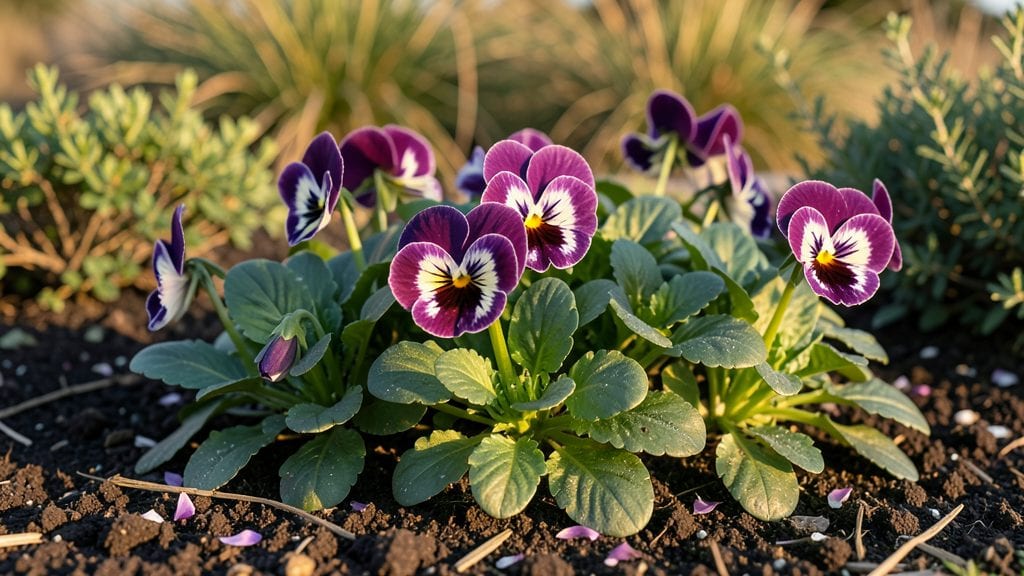
Fall’s most cheerful blooms arrive when you plant pansies in cool weather—those vibrant purple and yellow faces that refuse to quit when other flowers fade. 🌿 I’ve grown them for years, and every autumn, they prove that cool-season gardening can be just as rewarding as summer’s riot of color.
The secret isn’t complicated: pansies thrive when nights dip below 70°F, and with the right timing, they’ll carpet your garden in bold hues until a hard frost arrives.
Here’s the thing—pansies don’t need fancy soil or constant fussing. They love well-draining beds enriched with compost, and a morning watering keeps them happy without risking rot. Plant them 6-8 weeks before your first frost, and they’ll reward you with blooms that last until winter’s grip tightens.
The key is spacing them 8-12 inches apart so air circulates, cutting back on mildew and keeping those faces bright.
By mid-fall, you’ll have a garden that feels like a living watercolor—deep blues, sunny yellows, and velvety purples all at once. Pansies even handle light frosts, so you’ll still enjoy their charm when other plants retreat.
Pair them with kale, snapdragons, or ornamental grasses for a fall display that turns heads. The best part? They self-seed, so next year’s garden might just surprise you with volunteer blooms.
This works for containers too—just use well-draining potting mix and keep them in sun to partial shade. Whether you’re dressing up a patio or filling gaps in the garden, pansies are the foolproof fall star. Let’s get those seeds in the ground before the weather cools too much!
📚 In This Guide
- What you need
- Instructions
- Tips and common mistakes
- Wrapping up and next steps
What you need
- ● Pansy plants or seeds: For transplants: 3–5 mature pansy plants (check for vibrant purple, yellow, or mixed colors!)
- ● For seeds: 1 packet of pansy seeds (look for cold-hardy varieties like ‘Cool Wave’ or ‘Matrix’)
- ● Well-draining potting mix or garden soil: 1–2 bags (ensure it’s rich in organic matter for nutrient-loving pansies)
- ● Containers or garden beds: For containers: 5–10-inch pots (at least 2–3 per plant for airflow)
- ● For garden beds: A sunny or partially shaded spot with loose, fertile soil
- ● Slow-release fertilizer: 1 small bag (10–20 lbs, 10–10–10 NPK ratio works well)
- ○ Mulch (optional but recommended): Straw or shredded bark (1–2 inches thick to retain moisture)
- ● Garden trowel or small hand shovel
- ● Watering can or hose with a gentle spray nozzle
- ● Gloves (to protect your hands from soil and thorns)
- ● Pruning shears (for trimming spent blooms or leggy stems)
- ○ pH testing kit (optional, to ensure soil is slightly acidic—pansies prefer 6.0–7.0)
- ● Timing: Plant pansies 4–6 weeks before your first frost (they thrive in cool weather!)
- ● Sunlight: 4–6 hours of sunlight daily (they tolerate partial shade too)
- ● Temperature: Ideal for fall planting when temps are 50–70°F (10–21°C)
- ● Watering routine: Keep soil consistently moist (not soggy!) until established
How to plant and care for pansies in fall gardens
Here's the straightforward approach I use to get those cheerful purple and yellow blooms thriving when temperatures dip.
🌱 Step 1: Choose the Right Location and Prepare Soil
Pansies love cool weather and perform best in full sun to partial shade—think morning sun with afternoon shade in hotter climates. I always pick a spot with at least 4-6 hours of sunlight daily because that's when they'll bloom most prolifically. Clear away any weeds or debris first, then loosen the top 6 inches of soil with a garden fork.
Work in a 2-3 inch layer of compost to improve drainage and provide nutrients. Pansies hate soggy roots, so if your soil drains poorly, add a handful of perlite or coarse sand to the planting hole. The soil should feel like a damp sponge—not sticky or dry—when you squeeze it. This ensures roots establish quickly without sitting in water.
🪴 Step 2: Plant Pansy Seeds or Transplants at Proper Spacing
For seeds, sow them ¼ inch deep and 12 inches apart in rows spaced 18 inches apart. If you're planting transplants (which I recommend for faster blooms), space them 8-12 inches apart in rows 12-18 inches apart. Dig holes just deep enough to cover the roots but no deeper—you'll see the soil line on the stem, and that's where it should sit.
Gently firm the soil around each plant to remove air pockets, then water deeply to settle everything. I like to use a watering wand to avoid disturbing the soil surface. After planting, mulch with 1-2 inches of shredded bark or straw to retain moisture and keep weeds down. This is especially important in fall when rains can be unpredictable.
💧 Step 3: Water Consistently and Fertilize for Blooms
Keep the soil evenly moist but not soggy—water when the top 1 inch feels dry. Pansies are drought-tolerant once established, but young plants need consistent moisture to root well. I water in the morning so any excess moisture evaporates during the day, reducing the risk of fungal diseases.
Feed with a balanced, water-soluble fertilizer (10-10-10) every 4-6 weeks to encourage continuous blooming. Mix it at half-strength to avoid burning the plants. You'll notice a difference in 2-3 weeks—the leaves will darken slightly, and new buds will form more quickly. Stop fertilizing in late summer to let the plants prepare for winter dormancy.
☀️ Step 4: Protect from Harsh Weather and Pests
Pansies handle light frosts beautifully, but a hard freeze (25°F or colder) can damage them. If your winters are severe, cover plants with a lightweight frost blanket on especially cold nights. Remove it during the day so the plants get sunlight. I also keep an eye out for slugs and snails—they love young pansy leaves. A barrier of diatomaceous earth around plants deters them without harming the flowers.
Deadhead spent blooms regularly by pinching them off at the base. This encourages more flowers to form and keeps the plants looking tidy. If you notice leaves yellowing or wilting, it might be a sign of powdery mildew—spray with a fungicide if needed, but usually, improving air circulation by spacing plants properly prevents this issue.
⏰ Step 5: Plan for Next Season's Blooms
In late fall, cut back any remaining foliage to 2 inches above the ground to tidy up the bed. Pansies often self-seed, so you might see new sprouts in early spring. If you want a fresh start, pull up any remaining plants in late spring or early summer—they'll have spent their energy blooming and may look tired.
For a continuous display, I plant a second round of pansies in early spring. The same care applies, but spring-planted pansies often bloom even more vigorously because they have the entire growing season ahead. Save seeds from your best blooms if you want to grow them again next year—just let a few flowers go to seed before they fade.
Tips & tricks for perfect pansy fall gardens
Here's what I've learned after years of growing pansies that look like they came straight from a nursery—no matter how chilly the fall air gets.
Sunlight Secret: Those 4-6 hours of sunlight are non-negotiable for fall blooms, but here's the thing—morning sun with afternoon shade works best in hotter climates. If your garden gets intense afternoon heat, consider planting pansies near taller plants or structures that provide natural shade. I've seen pansies in full afternoon sun wilt faster, even in cool weather.
Soil Prep Game-Changer: When you're amending that 6 inches of soil, don't just toss in compost—mix it thoroughly with the existing soil. I like to use a garden fork to create channels and work the compost in like you're making lasagna layers. This ensures your pansies get consistent nutrition right where the roots will grow. And if your soil feels sticky when squeezed, you definitely need that perlite or sand to improve drainage.
Planting Depth Matters: That ¼ inch deep for seeds might seem shallow, but it's crucial. Planting too deep can cause seeds to rot before they sprout, while planting too shallow means they might dry out. For transplants, the soil line on the stem is your guide—never bury the crown. I've seen people plant too deep and watch their pansies struggle for weeks to recover.
Watering Wisdom: The top 1 inch dry rule works, but here's the pro move: water at the base of the plant rather than overhead. This prevents fungal diseases and keeps those vibrant blooms looking their best. I use a watering wand on a gentle setting—it gives me precise control without disturbing the soil or damaging delicate stems.
Pro Tips for Pansy Fall Flowers
- Here's what I've learned after years of growing pansies that look like they came straight from a nursery—no matter how chilly the fall air gets.
- Sunlight Secret: Those 4-6 hours of sunlight are non-negotiable for fall blooms, but here's the thing—morning sun with afternoon shade works best in hotter climates.
- Soil Prep Game-Changer: When you're amending that 6 inches of soil, don't just toss in compost—mix it thoroughly with the existing soil.
Frequently asked questions
Got questions about growing pansies in the fall?
You’re not alone! Here are answers to the most common queries—from planting tips to troubleshooting—so you can enjoy vibrant blooms all season long.
When is the best time to plant pansy fall flowers?
Plant pansies 4–6 weeks before your first frost date (typically late summer to early fall). They thrive in cool weather and can even survive light frosts. For most U.S. zones, aim for September or October—just avoid planting too early (they may bolt in heat) or too late (they won’t establish roots before winter).
Can pansies survive winter, or do I need to remove them?
Pansies are hardy to USDA zones 4–11, so they’ll often overwinter in mild climates. In colder regions (zones 3 or below), mulch heavily with straw or leaves to protect roots. If pansies look mushy or rot after snow, they’ve likely succumbed—replace them in spring. Pro tip: Cut back dead foliage in early spring for a fresh rebloom!
Why aren’t my pansy flowers opening, or are they drooping?
Drooping or closed blooms usually signal stress from heat, thirst, or overcrowding. Check soil moisture (water deeply but avoid soggy roots), trim spent blooms to encourage new growth, and ensure they get 6+ hours of sunlight daily. If leaves yellow, they may need more nitrogen—use a balanced fertilizer (10-10-10) lightly.
What are some great pansy fall flower alternatives for containers or gardens?
If pansies aren’t your style, try these cool-weather favorites:
- Violas (pansy cousins with smaller blooms, great for edging)
- Calendula (cheerful orange/yellow flowers, edible petals)
- Sweet Alyssum (fragrant, low-growing, attracts pollinators)
- Stock (Matthiola incana) (sweet-smelling, comes in pink/white/purple)
Are pansies deer- or pest-resistant?
Unfortunately, deer love pansies—they’re one of their favorite snacks! Protect them with deer repellent sprays, fencing, or companion planting (try lavender, marigolds, or alliums nearby). For pests like aphids or slugs, handpick them early or use neem oil. Most issues are minor with proactive care!
Wrapping up and next steps
Pansies are the perfect cool-weather stars, bringing bold color and cheerful charm to your garden as temperatures dip. Whether you’re a seasoned gardener or just starting out, these hardy blooms prove that fall can be just as vibrant as spring—with minimal effort! 🌸
Ready to transform your outdoor space? Start by gathering your supplies, choosing the right varieties, and planting with confidence. Before you know it, your garden will be a showstopper of purple, yellow, and every hue in between. Happy gardening!