
Shrubs
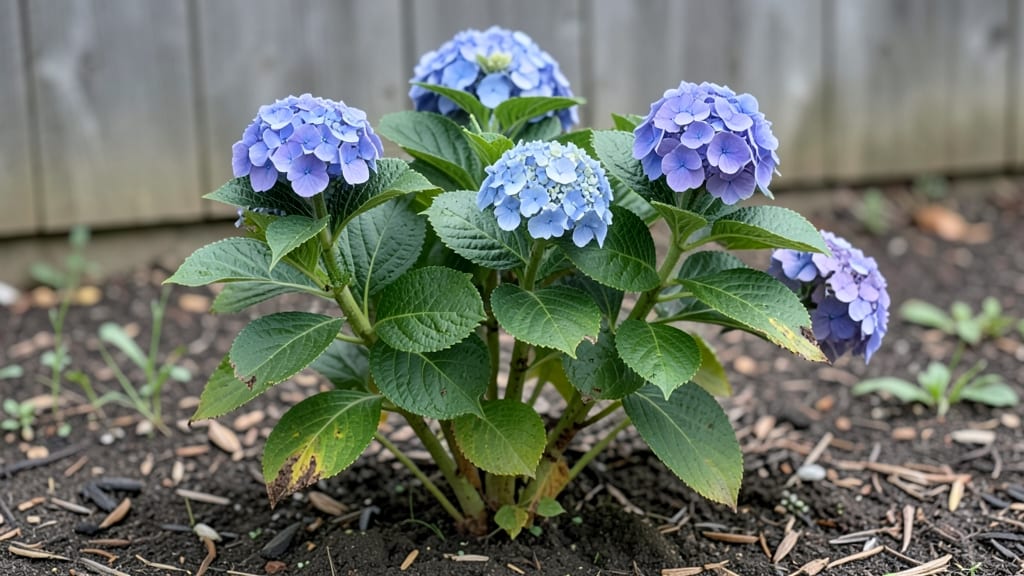
Part sun flowering shrubs are the Pacific Northwest’s secret weapon for effortless color and buzzing life. 🌸 I’ve watched my own garden transform from a damp, shade-heavy corner into a hummingbird hotspot using just three hardy shrubs—no fuss, no drama, just reliable blooms and happy visitors.
The magic lies in plants like spirea (with its cloud-like pink blooms), weigela (fragrant clusters that hummingbirds adore), and deutzia (delicate white lace flowers that last all summer). These thrive in morning sun and afternoon shade, the perfect balance for our famously overcast but damp climate.
They grow tall enough to create privacy screens but stay manageable enough for small yards—3 to 8 feet—so you get structure without sacrifice.
Imagine your garden in July: spirea’s pink plumes swaying in the breeze, weigela’s sweet scent lingering in the air, and hummingbirds darting between blooms like tiny jewels. These shrubs do the work for you—minimal pruning, drought-tolerant once established, and color that lasts from spring to fall.
The best part? They play well with others, pairing beautifully with ferns, hostas, or even a splash of ornamental grasses.
Whether you’re framing a patio, softening a fence line, or creating a pollinator-friendly hedge, these shrubs deliver low-maintenance beauty with zero compromise. Let’s bring that Pacific Northwest charm to your garden—without the shade-loving headaches.
📚 In This Guide
- What you need
- Instructions
- Tips and common mistakes
- Wrapping up and next steps
What you need
- ● Part sun flowering shrubs: 1–3 Oregon grape holly (Mahonia aquifolium) (zones 5–9)
- ● 1 Salal (Gaultheria shallon) (zones 6–9) – for ground cover + blooms
- ● 1 Red flowering currant (Ribes sanguineum) (zones 5–9)
- ○ 1 Pacific dogwood (Cornus nuttallii) (zones 5–8) – optional but stunning
- ● Soil amendments: 5–10 lbs compost or well-rotted manure (per shrub)
- ● 1–2 lbs balanced fertilizer (10-10-10) (spring planting)
- ● Mulch (cedar or pine fines) – 2–3 inches (to retain moisture)
- ● Tools: 1 shovel or trowel (for planting)
- ● 1 pruning shears (sterilized)
- ● 1 garden hose with spray nozzle or watering can
- ● 1 gloves (to protect from thorns, like Oregon grape)
- ● Measuring tape (to space plants 3–6 ft apart)
- ● Location: A spot with 3–6 hours of sunlight daily (dappled shade is ideal for PNW).
- ● Soil test: Check pH (aim for 5.0–7.0; amend with sulfur if needed).
- ● Water source: Access to a drip irrigation system or hose for the first 2 weeks.
- ● Hummingbird-friendly zone: Ensure your garden is free of pesticides (hummingbirds are sensitive!).
Step-by-Step guide for planting part sun flowering shrubs in the Pacific Northwest
Here’s how I create a thriving, low-maintenance hummingbird magnet using the region’s best part-sun shrubs.
🌱 Step 1: Select the Right Shrubs for Your Site
Choose Pacific Northwest natives like red currant (Ribes sanguineum), salal (Gaultheria shallon), or western columbine (Aquilegia formosa)—they thrive in morning sun and afternoon shade while attracting pollinators. Avoid full-sun shrubs like butterfly bush (Buddleia), which scorch in PNW heat. I always check the USDA Hardiness Zone 7-9 range for my selections.
For hummingbird appeal, prioritize tubular flowers like penstemon or shrubby honeysuckle (Lonicera involucrata). These shrubs handle the high humidity and mild winters of the PNW without fuss. Group plants in odd-numbered clusters (3 or 5) to create natural focal points and encourage pollinator visits.
🪴 Step 2: Prepare the Planting Site for Moisture Retention
Test your soil’s drainage—Pacific Northwest clay can suffocate roots. Amend with 2-3 inches of compost and a 1-inch layer of coarse sand to improve aeration. I dig a hole twice as wide as the root ball but only as deep—planting too deep smothers stems and invites rot.
For water retention, mix 1 cup of peat moss into the backfill soil. This helps shrubs establish in the cool, damp PNW springs before summer droughts hit. Space shrubs 3-5 feet apart, depending on mature size—crowding leads to fungal issues in our humid climate.
☀️ Step 3: Plant and Mulch for Year-Round Protection
Remove the shrub from its container and loosen roots if they’re circling. Place it in the hole so the top of the root ball sits level with the soil surface—never bury the stem. Backfill with amended soil, pressing gently to eliminate air pockets. Water deeply to settle the roots.
Apply 3 inches of organic mulch (cedar chips or wood shavings) around the base, keeping it 2 inches away from the stem. This mulch layer insulates roots during winter’s 30-40°F nights and retains moisture during summer’s occasional dry spells. Replenish mulch annually—it breaks down faster in our wet climate.
💧 Step 4: Water and Fertilize for First-Year Establishment
Water twice weekly for the first month, then taper to once weekly after new growth appears. The top 2 inches of soil should feel moist but not soggy—overwatering in our rainy winters leads to root rot. Use a soaker hose to deliver water slowly at the base, avoiding wetting leaves (which invites fungal diseases like powdery mildew).
Fertilize once in early spring with a balanced, slow-release 10-10-10 formula. Too much nitrogen early on encourages leafy growth at the expense of flowers—hummingbirds need those blooms! I skip fall fertilization; our mild winters mean shrubs stay semi-dormant, and they’ll thank you with stronger blooms next spring.
✂️ Step 5: Prune and Maintain for Continuous Blooms
Prune immediately after flowering in late spring or early summer. Remove dead or crossing branches first, then cut back 1/3 of the oldest stems to encourage new growth. I never prune into old wood—it’s already set for next year’s blooms. Use clean, sharp shears to make cuts at a 45-degree angle just above a leaf node.
In late winter, check for damaged or diseased branches and remove them before new growth starts. Our mild PNW winters rarely kill shrubs, but occasional frost can nip tender new shoots. A light layer of mulch over the roots provides extra protection during those 20-25°F dips.
Tips & tricks for perfect part sun flowering shrubs
Creating a thriving hummingbird garden in the Pacific Northwest's part sun conditions takes a few thoughtful adjustments to standard planting practices.
Soil Preparation Strategy: The 2-3 inches of compost and 1-inch layer of coarse sand in Step 2 is your foundation for success. I always add an extra handful of perlite to the mix—it helps prevent compaction in our heavy clay soils while improving drainage. This extra step prevents that "soggy bottom" look where roots can't breathe properly. The key is creating that perfect balance between moisture retention and drainage that PNW shrubs crave.
Root Ball Handling: When loosening circling roots in Step 3, I use my fingers to gently separate them rather than cutting with shears. This encourages new root growth in all directions. For container-grown shrubs, I give the root ball a quick soak before planting—it helps prevent transplant shock in our damp climate. The goal is to minimize stress during this critical establishment phase.
Mulching Techniques: That 3-inch layer of organic mulch in Step 3 deserves special attention. I always use cedar chips because they naturally repel insects while breaking down slowly. The trick is to create a "mulch donut"—pile it higher at the outer edges of the planting area to direct water away from the stem. This prevents rot while keeping roots cool in summer's occasional heat waves.
Pruning Timing: The late winter prune in Step 5 is your chance to clean house before spring growth begins. I look for branches that are thinner than a pencil—these are often dead or dying. For shrubs like red currant, I make my cuts just above a leaf bud that faces outward. This encourages bushier growth and better air circulation, which is crucial for preventing fungal diseases in our humid summers.
Pro Tips for Part Sun Flowering Shrubs
- Creating a thriving hummingbird garden in the Pacific Northwest's part sun conditions takes a few thoughtful adjustments to standard planting practices.
- Soil Preparation Strategy: The 2-3 inches of compost and 1-inch layer of coarse sand in Step 2 is your foundation for success.
- Root Ball Handling: When loosening circling roots in Step 3, I use my fingers to gently separate them rather than cutting with shears.
Frequently asked questions
Got questions about part sun flowering shrubs? You’re not alone! Here are some of the most common queries—plus straightforward answers to help you grow a thriving, hummingbird-friendly garden with ease.
What does "part sun" really mean for these shrubs?
"Part sun" typically means 3 to 6 hours of direct sunlight per day. In the Pacific Northwest’s mild, often overcast climate, this can be tricky—think of dappled shade under tall trees or east/west-facing spots. Avoid deep shade or scorching southern exposure. Pro tip: Observe your yard’s sunlight patterns for a few days before planting!
Which part sun flowering shrubs attract the most hummingbirds?
Top picks for the PNW include Pacific Dogwood (Cornus nuttallii), Red Flowering Currant (Ribes sanguineum), and Oregon Grape (Mahonia aquifolium). These shrubs offer nectar-rich blooms and berries that hummingbirds adore. Bonus: They’re also deer-resistant!
When is the best time to plant these shrubs in my region?
For the Pacific Northwest, early spring (March–April) or fall (September–October) are ideal. Avoid summer heatwaves, which can stress young plants. Container-grown shrubs can even be planted in mild winters—just water them well after transplanting.
How do I keep my part sun shrubs from getting leggy or sparse?
Leggy growth often happens when shrubs don’t get enough light. Prune back overgrown branches in late winter or early spring to encourage bushier growth. Thin out crowded stems to improve airflow, and fertilize lightly in early spring with a balanced, slow-release fertilizer. Pro tip: Mulch around the base to retain moisture and suppress weeds!
Are there any low-maintenance alternatives if I can’t meet the part sun requirement?
If your spot is too shady, try Rhododendrons or Pieris japonica—they thrive in shade and still offer flowers (though hummingbirds may prefer sunnier options). For too much sun, consider hydrangeas or spirea, which tolerate heat but need consistent watering. Note: No shrub replaces the hummingbird appeal of part sun bloomers!
Why aren’t my flowering shrubs blooming this year?
Common culprits include over-fertilizing (too much nitrogen), underwatering, or pruning at the wrong time (like cutting back after buds form). Check your shrub’s specific needs—some, like Red Twig Dogwood, bloom on old wood and should only be pruned in spring. Fix it: Adjust care and give it time—many shrubs rebound quickly!
Wrapping up and next steps
Transforming your Pacific Northwest garden into a hummingbird haven doesn’t have to be complicated—part-sun flowering shrubs are your secret weapon! 🌸 From the vibrant blooms of Oregon grape to the fragrant charm of red currant, these low-maintenance plants offer year-round beauty while supporting local wildlife.
With minimal effort, you’ll enjoy a thriving garden that’s as eco-friendly as it is stunning.
Ready to take the next step? Start small: Pick one shrub to plant this season, then expand as you gain confidence. Happy gardening—your future hummingbird visitors will thank you! 🐦⬛✨