Lawn
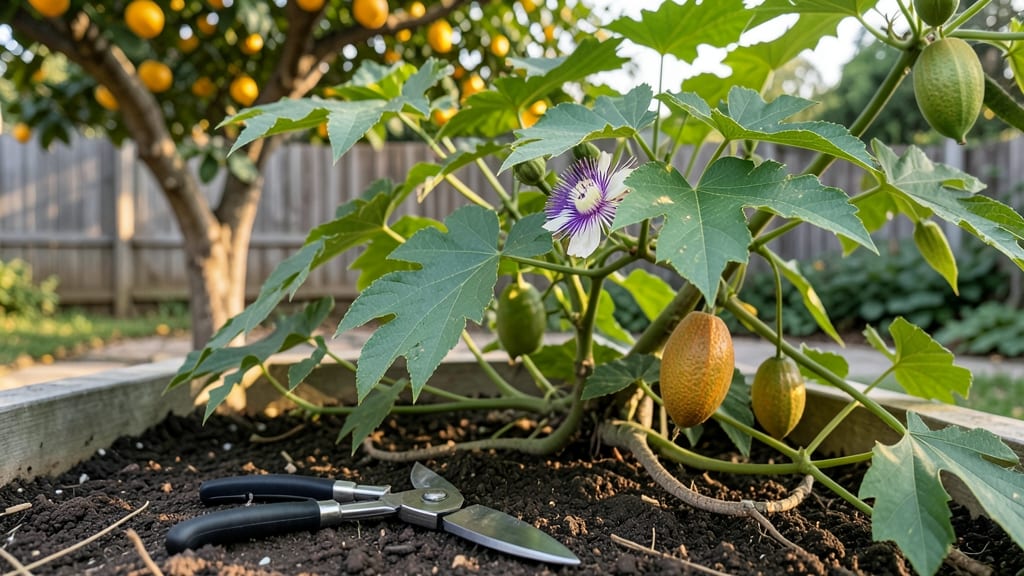
Harvesting passion flower seed pods at peak ripeness is the first secret to fast sprouts—wait until they turn from green to deep brown and split open naturally. 🌿 I’ve learned the hard way that green pods won’t germinate, but ripe ones packed with seeds are your ticket to a jungle of vines within weeks.
The key is patience: let them dry on the vine for a few days before collecting, or they’ll mold in storage.
Once you’ve got those pods, crack them open to reveal the shiny black seeds inside—each one a potential vine. Soak them overnight in warm water to soften the tough outer shell, then plant them just beneath the soil surface in well-draining mix.
Passion flowers love warmth, so keep the soil between 70-80°F and the pot covered with plastic until sprouts appear in 7-14 days.
What you’ll end up with is a lush, fast-growing vine that climbs like crazy—think velvety leaves, fragrant blooms, and edible fruit by midsummer. The trick is consistency: keep the soil moist but not soggy, and watch those seedlings race toward the sky.
Just be ready for their aggressive growth—these vines don’t mess around.
If germination stalls after two weeks, don’t panic—sometimes seeds need a little extra coaxing. Try a heat mat or a sunny windowsill, and remember: passion flowers reward patience with dramatic results. Once they’re established, they’ll thrive with minimal fuss, making them perfect for trellises, fences, or even container gardens.
📚 In This Guide
- What you need
- Instructions
- Tips and common mistakes
- Wrapping up and next steps
What you need
- ● Passion flower seeds: 10–20 fresh, high-quality seeds (ensure they’re from a reliable source for best germination rates).
- ● Seed-starting mix: 1–2 bags (2–3 cubic feet each) of a well-draining, sterile potting mix (look for a blend labeled for seedlings or tropical plants).
- ● Small seed trays or pots: 6–12 biodegradable or plastic cell trays (2–3 inches deep) or 4–6 small pots (4–6 inches in diameter).
- ● Spray bottle: 1 (for gentle watering to avoid disturbing seeds).
- ● Plastic wrap or clear lid: 1 sheet or lid (to create a mini greenhouse effect).
- ○ Heat mat (optional but helpful): 1 (set to 70–80°F to speed up germination).
- ● Grow lights or sunny windowsill: Access to bright, indirect light (6+ hours daily).
- ● Fertilizer (balanced, water-soluble): 1 small bottle (e.g., 10-10-10 or 5-5-5, diluted to half-strength).
- ● Pruning shears or scissors: 1 pair (for transplanting or trimming later).
- ● Patience: Passion flower seeds can take weeks (sometimes up to 3 months!) to sprout—stay consistent! 💡
- ● Warmth: Seeds germinate best in temperatures between 70–85°F (21–29°C).
- ● Moisture control: Keep the soil consistently damp (not soggy) during germination.
- ● Space planning: Passion flowers are vining plants—ensure they’ll have room to climb (trellis, fence, or sturdy support).
- ● Safety: Wear gloves if handling seeds or soil to avoid irritation (some gardeners are sensitive to passion flower sap).
Step-by-step instructions for germinating passion flower seeds
Here's how to coax those stubborn passion flower seeds into sprouting quickly—my foolproof method.
🌱 Step 1: Harvest and Prepare the Seed Pods
Collect mature passion flower seed pods when they turn brown and begin splitting open naturally. Gently squeeze the pod to release the seeds, which should pop out easily once fully ripe. I like to work outdoors or over a large tray to avoid losing any of the glossy black seeds.
Rinse the seeds under cool water to remove any fibrous pulp clinging to them. Let them air-dry completely on a paper towel for 24 hours—this prevents mold when you're ready to plant. If you rush this step, the seeds may rot before they even sprout.
💧 Step 2: Soak Seeds for Optimal Germination
Passion flower seeds have a tough outer coating that needs softening before sprouting. Place the dried seeds in a small bowl and cover them completely with lukewarm water for 48 hours. Change the water after 24 hours to keep it fresh and oxygenated.
After soaking, you'll notice the seeds swell slightly and look plumper. This is your signal that the outer shell has softened enough for roots to emerge. I like to test one seed by gently pressing it with my thumbnail—if it gives slightly, it's ready to plant.
☀️ Step 3: Plant in Warm, Moist Soil
Fill small pots (3-4 inches deep) with a lightweight seed-starting mix and moisten it until damp but not soggy. Plant the soaked seeds ½ inch deep, spacing them 2 inches apart—they'll need room to grow without crowding. I use biodegradable pots so I can transplant them later without disturbing the roots.
Cover the pots with clear plastic wrap or a humidity dome to maintain warmth and moisture. Place them in a warm spot (75-85°F) like on top of a refrigerator or near a sunny window. Keep the soil consistently moist—never let it dry out, but avoid waterlogging, which causes rot.
⏰ Step 4: Monitor for Sprouts and Provide Care
Germination typically takes 10-21 days, but patience is key—some seeds may take longer. Once sprouts appear, remove the plastic wrap immediately to prevent fungal growth. Place the pots under bright, indirect light (like a south-facing window) to encourage strong growth.
When seedlings reach 2-3 inches tall, transplant them into larger pots (6-inch diameter) with fresh potting mix. Passion flowers love warmth, so keep them in a spot where temperatures stay above 60°F—they won't tolerate cold drafts. You'll see new leaves emerge within a week, signaling healthy growth.
Tips & tricks for perfect passion flower seed germination
A few simple tricks can make all the difference when coaxing passion flower seeds to sprout quickly.
The 24-Hour Drying Secret: Don't skip that full 24 hours of air-drying after rinsing! I learned this the hard way after watching seeds mold in my first attempt. Place them on a clean paper towel in a single layer and let them dry completely—this crucial step prevents rot and gives you a clean slate for soaking. The seeds should feel completely dry to the touch before moving to the next step.
Soaking Strategy: Those 48 hours of soaking aren't just about hydration—they're about softening that tough outer shell. Change the water at the 24-hour mark to prevent bacterial buildup, and use lukewarm water (not hot) to avoid shocking the seeds. I like to soak them in a small glass bowl so I can easily monitor the water level and seed condition.
Planting Depth Matters: The ½-inch planting depth might seem shallow, but passion flower seeds need that precise placement to avoid rotting. Use a pencil or chopstick to make small holes, then gently place each seed and cover lightly. Pressing too firmly can damage the seed's outer coating, which we've just worked so hard to soften.
Warmth is Non-Negotiable: Maintaining that 75-85°F range is critical for fast germination. If your home stays cooler, try placing the pots on top of your refrigerator or near a sunny window. I've even used a seedling heat mat set to 80°F for especially stubborn batches. Just remember to remove the plastic wrap once sprouts appear to prevent fungal growth.
Pro Tips for Passion Flower Seed Pods
- A few simple tricks can make all the difference when coaxing passion flower seeds to sprout quickly.
- The 24-Hour Drying Secret: Don't skip that full 24 hours of air-drying after rinsing!
- Soaking Strategy: Those 48 hours of soaking aren't just about hydration—they're about softening that tough outer shell.
Frequently asked questions
Got questions about growing passion flower seed pods? You’re not alone! Here are some of the most common queries—and their answers—to help you get those sprouts off to a flying start.
How long does it take for passion flower seeds to germinate?
Germination can take anywhere from 2 to 6 weeks, depending on conditions like warmth, moisture, and seed freshness. For faster results, soak seeds overnight before planting and keep the soil consistently moist (but not soggy). Patience is key—some seeds surprise you with early sprouts!
Do passion flower seed pods need light to germinate?
Nope! In fact, darkness is better during germination. Keep seed pods in a warm, shaded spot (like a propagator or sealed container) until sprouts emerge. Once they break through the soil, move them to bright, indirect light to prevent leggy seedlings.
What if my passion flower seeds aren’t sprouting?
Don’t panic! Try these fixes:
- Check moisture: Use a spray bottle to keep soil damp (not drenched).
- Warmth boost: Place the container on a heat mat (70–80°F is ideal).
- Freshness test: If seeds are old, try soaking them in warm water for 24 hours.
- Scarify stubborn seeds: Lightly sand the pod’s tough outer layer to help water penetrate.
Can I grow passion flowers from store-bought pods?
Store-bought passion fruit pods work great, but rinse the seeds thoroughly to remove any residual pulp or preservatives that could inhibit germination. Let them dry for a day before planting. Pro tip: Harvest seeds from ripe, organic fruit for the best success rate.
How do I know when seedlings are ready to transplant?
Seedlings are ready when they’ve developed 2–3 true leaves (not just the initial seed leaves) and are about 3–4 inches tall. Harden them off by placing them outdoors in shade for a few hours daily before moving to their permanent spot. Passion flowers love warmth, so wait until nighttime temps stay above 55°F.
Wrapping up and next steps
Growing passion flower seed pods may seem tricky, but with the right patience and techniques, you’ll soon be rewarded with vibrant, fast-sprouting plants! 🌱 Whether you’re drawn to their stunning blooms or aiming to boost your garden’s biodiversity, these tips will set you up for success.
Now that you’re armed with the know-how, why not give it a try? Start with just a few pods, experiment with germination methods, and watch your passion flower thrive—your garden (and pollinators!) will thank you.
🌿 Next Steps:
- Pick a sunny spot in your yard or a container for your seedlings.
- Monitor moisture and temperature to keep those sprouts happy.
- Share your progress—tag us in your garden updates!