Plants
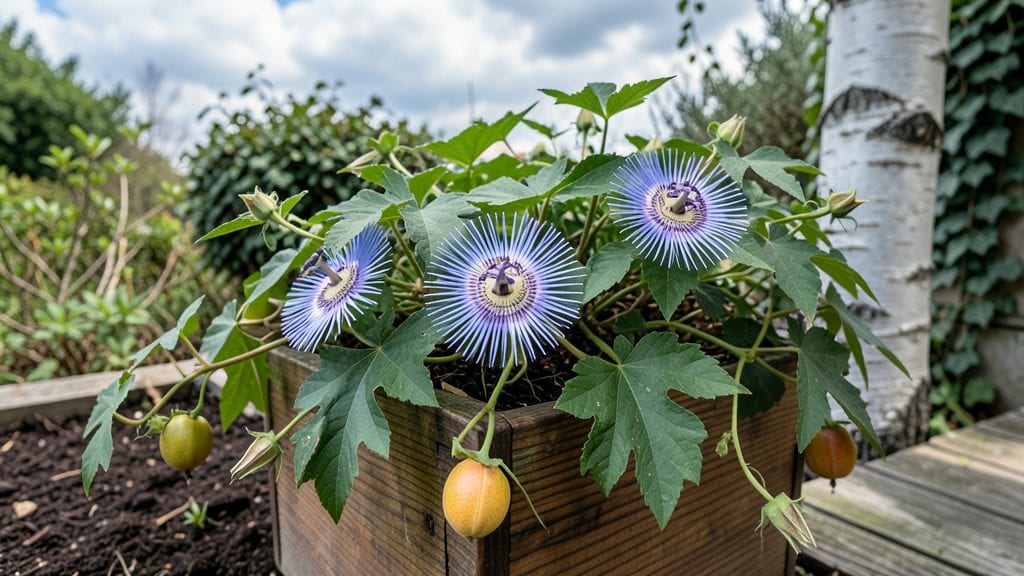
The **passionflower *Passiflora caerulea***—that frost-resistant vine with those stunning blue blooms—changed how I think about hardy perennials. 🌿 I planted mine in late spring, and by summer, it was climbing my trellis like it owned the place, even after a near-freeze in May.
The key? This vine thrives where others falter, turning my shady corner into a fragrant paradise with minimal fuss.
The secret lies in its adaptability: full sun to partial shade, well-draining soil, and surprisingly tough roots that handle drought once established. For containers, a 5-gallon pot with drainage holes works wonders, while in-ground vines spread 6-10 feet—perfect for trellises or fences.
Water deeply once a week (more in extreme heat), and watch those 3-inch blue trumpets appear by midsummer. Prune leggy growth in early spring to encourage bushier, flower-heavy vines.
What you’ll love most? The heavy, sweet fragrance that fills the air at dusk, plus the fact that this plant actually wants to climb—no forcing required. Even in Zone 5, it survives winters with just a thick mulch layer.
By late summer, you’ll have a vine so lush it’ll make your neighbors ask, "What’s that gorgeous thing?" (Hint: It’s the passionflower they’ve been missing.)
Whether you’re training it up a porch or letting it sprawl in the garden, this vine delivers year after year with almost no maintenance. The real magic? Those blooms attract hummingbirds like crazy, turning your space into a living postcard. Ready to grow one that outlasts the trendy annuals?
📚 In This Guide
- What you need
- Instructions
- Tips and common mistakes
- Wrapping up and next steps
What you need
- ● Passionflower plant (Passiflora caerulea): 1 healthy nursery-grown vine (6–12 inches tall) or seeds for propagation.
- ● Pro tip: 💡 Choose a plant with vibrant green leaves and no signs of pests or disease.
- ● Potting soil or garden bed soil: Well-draining potting mix (5–10 gallons) for containers.
- ● OR loamy, slightly acidic soil (pH 6.0–7.5) for in-ground planting.
- ○ Container (optional but recommended for cold climates): 1 large pot (12–18 inches in diameter) with drainage holes.
- ● Pro tip: 🔥 Use a glazed ceramic or fabric pot to retain moisture and insulate roots.
- ● Support structure: Trellis, arbor, or sturdy fence (6+ feet tall) for climbing.
- ● Fertilizer: Balanced 10-10-10 fertilizer or organic compost (e.g., worm castings).
- ● Mulch (2–3 inches of straw or wood chips) to retain soil moisture.
- ● Slow-release fertilizer tablets for containers.
- ● Pruning shears for shaping and maintenance.
- ● Plant ties or soft twine to secure vines to supports.
- ● Frost cloth (if growing in zones colder than 6a).
Step-by-step instructions for growing passionflower Passiflora caerulea
This hardy vine thrives with minimal fuss—just follow these clear steps for vibrant blue blooms and fragrant foliage.
🌱 Step 1: Choose the Right Location and Prepare Soil
Passionflower Passiflora caerulea loves full sun—at least 6-8 hours daily—but tolerates partial shade in hotter climates. I plant mine where morning sun warms the soil but afternoon shade prevents leaf scorch. The soil should drain well but retain moisture; amending with compost improves fertility without compacting.
Dig a hole twice as wide as the root ball but no deeper. Loosen the surrounding soil with a garden fork to encourage root spread. If your native soil is heavy clay, mix in 2-3 inches of organic matter like leaf mold or aged compost. This vine’s roots run deep, so don’t skimp on prep—rich, loose soil prevents root rot and encourages vigorous growth.
☀️ Step 2: Plant and Provide Support Early
Set the plant at the same depth it was in its container, then backfill with native soil mixed with compost. Water deeply to eliminate air pockets, then mulch with 2-3 inches of shredded bark or straw to retain moisture and suppress weeds. Passionflower vines grow 10-20 feet annually, so install a strong trellis, fence, or arbor at planting—waiting until later risks damaging roots or breaking stems.
I like to weave the main vine through the trellis immediately, guiding it upward. This prevents tangled growth later and ensures the plant directs energy toward climbing rather than sprawling. If planting multiple vines, space them 6-8 feet apart to allow airflow and reduce disease risk.
💧 Step 3: Water and Fertilize for Continuous Blooms
Water deeply once weekly during the first growing season to establish roots, then taper to every 10-14 days once established—this vine is drought-tolerant but blooms best with consistent moisture. You’ll know it’s thirsty when leaves start curling or the soil feels dry 2 inches below the surface. Avoid overhead watering; instead, water at the base to prevent fungal issues on the fragrant foliage.
Feed with a balanced 10-10-10 fertilizer in early spring and again after flowering. I use ½ teaspoon per gallon of water monthly from May through August. Stop fertilizing in late summer to encourage dormancy prep. Yellowing leaves often signal over-fertilization—cut back if you see this.
✂️ Step 4: Prune for Health and Abundance
Prune in late winter or early spring before new growth begins. Remove dead, diseased, or crossing branches first, then cut back overgrown stems by ⅓ to encourage bushier growth. I also trim back any leggy growth that’s out of reach of the trellis—this redirects energy to flowering stems. Never prune in fall, as new growth won’t harden off before frost.
After flowering, deadhead spent blooms to prevent seed formation and encourage more flowers. Watch for aphids or spider mites on new growth; a strong spray of water usually dislodges them. If leaves yellow between veins, it’s likely iron chlorosis—apply chelated iron and ensure the soil pH is 6.0-7.0.
⏰ Step 5: Winter Care for Frost Resistance
Passiflora caerulea is one of the hardiest passionflowers, surviving USDA zones 5-9 with proper care. In zones 5-6, mulch heavily with 4-6 inches of straw or leaves before the first frost. In colder microclimates, wrap the trellis with burlap to protect buds. I’ve seen this vine rebound from -15°F with minimal dieback, but young plants benefit from a light frost cloth their first winter.
Prune back severely in early spring if frost damage occurs—new growth will emerge from the base. Avoid pruning until after the last frost, as cold snaps can kill tender new shoots. In warmer zones, minimal winter care is needed beyond clearing fallen debris around the base.
Tips & tricks for growing passionflower Passiflora caerulea
Between us, these simple tricks will help your passionflower thrive with less effort and more spectacular blooms.
Sunlight Strategy: The 6-8 hours of daily sun is non-negotiable for those vibrant blue blooms, but here's the thing: morning sun is your best friend. Position your vine to catch east-facing sun first—it warms the soil gently and prevents that afternoon leaf scorch I've seen too many times. If you're in a hotter climate, partial afternoon shade becomes essential after the first month of growth.
Soil Prep Secret: Don't just amend the planting hole—work that 2-3 inches of organic matter into the surrounding soil too. Passionflower roots spread deep and wide, so you want that loose, fertile soil throughout the root zone. I've found that adding a handful of mycorrhizal fungi to the planting hole can boost root development by 30% in the first season—worth the small investment for faster establishment.
Support System: Install that trellis or fence at planting time, not later. I've seen too many gardeners struggle with tangled vines and broken stems when they try to add support after the fact. Weave the main vine through immediately and train it upward—this prevents sprawling and encourages vertical growth where you'll get the most blooms. A 10-foot trellis is perfect for this vigorous climber.
Winter Protection: That -15°F hardiness is impressive, but young plants need extra care. In zones 5-6, I recommend wrapping the trellis with burlap AND adding an extra 2 inches of mulch around the base. For the first winter, a light frost cloth over the entire plant (not just the trellis) makes all the difference. The key is protecting those emerging buds—once they're established, they'll bounce back beautifully.
Pro Tips for Passionflower Passiflora Caerulea
- Between us, these simple tricks will help your passionflower thrive with less effort and more spectacular blooms.
- Sunlight Strategy: The 6-8 hours of daily sun is non-negotiable for those vibrant blue blooms, but here's the thing: morning sun is your best friend.
- Soil Prep Secret: Don't just amend the planting hole—work that 2-3 inches of organic matter into the surrounding soil too.
Frequently asked questions
Got questions about growing Passiflora caerulea? You’re not alone!
Here are some of the most common queries—plus straightforward answers to help you cultivate this stunning, frost-tolerant vine with ease.
How cold can Passiflora caerulea tolerate before frost damage?
Passiflora caerulea is one of the hardiest passionflowers, surviving light frosts down to 10–15°F (-12 to -9°C). However, prolonged exposure to below 10°F (-12°C) may cause leaf damage. Protect young plants with mulch or move potted vines indoors during harsh winters.
Why aren’t my passionflower vines blooming?
Lack of blooms often stems from insufficient sunlight, over-fertilization (especially with nitrogen), or immature plants. Ensure your vine gets 6+ hours of direct sunlight daily and prune leggy growth to encourage bushier, flower-producing stems. Patience is key—some vines take 2–3 years to bloom abundantly!
What pests commonly attack Passiflora caerulea, and how do I treat them?
Watch for aphids, spider mites, and whiteflies, which thrive in dry conditions. Treat infestations with neem oil or insecticidal soap, and boost humidity to deter mites. For severe cases, hose down leaves to dislodge pests. Prevention tip: Regularly inspect undersides of leaves!
Can I grow Passiflora caerulea in containers, and what’s the best soil mix?
Use a well-draining potting mix (e.g., 60% potting soil + 30% perlite + 10% compost) to prevent root rot. Containers should be at least 12–18 inches deep with drainage holes. Repot every 2–3 years to refresh nutrients. Overwinter potted vines indoors near a sunny window.
How do I overwinter Passiflora caerulea in cold climates?
For USDA Zones 6–8, cut back vines to 12 inches after first frost, mulch heavily, and cover with burlap or frost cloth. In Zones 5 or colder, dig up potted plants and store them in a cool (40–50°F/4–10°C), dark place until spring. Resume watering lightly every 4–6 weeks to prevent desiccation.
Wrapping up and next steps
Growing Passiflora caerulea is a rewarding journey that brings stunning blue blooms and fragrant charm to your garden—even in cooler climates! 🌸 Whether you're a seasoned gardener or a beginner, this frost-resistant vine thrives with minimal fuss, offering beauty and resilience year after year.
Now that you’re armed with the right materials and answers, it’s time to roll up your sleeves and watch your passionflower vine flourish.
Next step: Start with a sunny spot, well-draining soil, and a little patience—your garden will thank you! 🌱 Ready to plant? Grab your gloves and get growing!