
Flowers
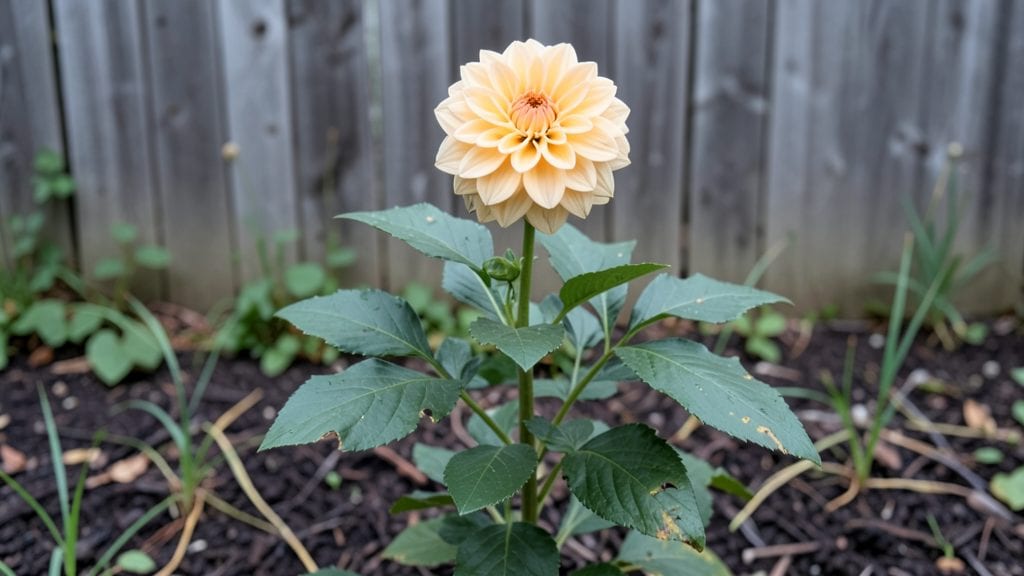
Peach dahlia flowers bring a warm, velvety glow to summer gardens that no other bloom can match. 🌸 I remember the first time I saw them in full sun—their soft peach hue shimmered like sunset on water, drawing hummingbirds in a frenzy.
These aren’t just flowers; they’re the centerpiece that transforms any garden from ordinary to extraordinary.
Their large, dinner-plate blooms (up to 8 inches wide!) stand out in any setting, whether planted in mixed borders, containers, or as a bold focal point.
Pair them with deep purples like salvia or dusty blues like agapanthus for a high-contrast, jewel-toned look, or soften their drama with lavender or white annuals. They bloom from mid-summer through frost, giving you months of effortless beauty.
Hummingbirds can’t resist their nectar-rich flowers, turning your garden into a buzzing, feathered hotspot. The velvety petals even feel luxurious to touch—perfect for cutting arrangements that last for days. With the right placement and companions, peach dahlias become the star of your summer show, effortlessly elevating any space.
Whether you’re designing a cottage garden, a modern container display, or a pollinator-friendly border, these dahlias adapt beautifully. Just give them full sun, well-draining soil, and a little afternoon shade in hot climates. The payoff? A garden that feels like a sun-drenched masterpiece all season long.
📚 In This Guide
- What you need
- Instructions
- Tips and common mistakes
- Wrapping up and next steps
What you need
- ● Peach Dahlia Tubers: 3–5 healthy, firm tubers (choose varieties like ‘Peach Glow’ or ‘Peach Melba’ for vibrant color).
- ● Well-draining Potting Mix: 5–10 gallons (or enough to fill your chosen containers). Opt for a mix with perlite or compost for aeration.
- ● Containers or Garden Bed: Containers: 12–18-inch pots with drainage holes (1–2 tubers per pot).
- ● Garden Bed: Full sun (6+ hours daily) and loose, fertile soil (amend with compost if needed).
- ● Slow-release Fertilizer: 1–2 cups of 10-10-10 or a balanced organic fertilizer (like fish emulsion).
- ● Mulch: 2–3 inches of straw or shredded leaves to retain moisture and regulate soil temp.
- ● Garden Gloves: A pair to protect your hands while handling tubers.
- ● Trowel or Spade: For planting and soil prep.
- ● Watering Can or Hose: With a gentle spray nozzle for hydration.
- ● Stakes or Cages: Tall varieties (4–5 feet) may need support—opt for 6-foot stakes.
- ● Pruning Shears: For deadheading spent blooms (encourages more flowers!).
- ○ Hummingbird-Friendly Additions (Optional): Red or tubular flowers (like bee balm) to complement your dahlias.
- ● A shallow birdbath nearby to attract hummingbirds!
How to grow stunning peach dahlias that hummingbirds can't resist
Here's the method I've perfected to coax those velvety peach blooms from tubers—with minimal fuss and maximum impact.
🌱 Step 1: Chit Tubers Indoors for Early Growth
Peach dahlias need a head start, so begin 8-10 weeks before your last frost date. Place your tubers in a shallow tray with the "eyes" (small bumps) facing up. I use a mix of 50% potting soil and 50% perlite to keep them light and airy—dahlias rot easily in dense soil. Keep the tray in a bright, warm spot (around 65-70°F) where they'll get indirect light.
Water lightly every 3-4 days, just enough to keep the soil barely moist. You'll see tiny green sprouts (called "chits") emerge in 2-3 weeks. This is your signal to stop watering completely for 10 days—it hardens the stems so they won't snap when transplanted. Real talk: if you skip this step, your dahlias will flop like overcooked noodles in the garden.
☀️ Step 2: Transplant Chitted Tubers After Frost Danger Passes
Wait until nighttime temperatures stay above 55°F before moving tubers outside. Choose a location with full sun (at least 6-8 hours daily) and well-draining soil—dahlias hate soggy feet. Plant tubers 4-6 inches deep, with the chits facing up. Space them 18-24 inches apart to give roots room to spread.
Mulch heavily with 2-3 inches of straw or shredded leaves to keep roots cool and conserve moisture. I always water deeply right after planting to settle the soil around the tubers. Watch for new leaves unfurling in 10-14 days—that's your cue everything's settled in. If leaves yellow, you've overwatered; if they wilt, the soil's too dry.
💧 Step 3: Feed and Water for Continuous Blooms
Dahlias are heavy feeders, so 2 weeks after transplanting, mix 1 tablespoon of 10-10-10 fertilizer into the soil around each plant. Repeat every 4-6 weeks through summer. Water deeply 1-2 times weekly, aiming for 1-1.5 inches of water per week. You'll know you're doing it right when the soil feels damp 2 inches down but not soggy.
Here's the thing—dahlias need consistent moisture to prevent blooms from splitting. If stems grow leggy, they're reaching for light. Stake plants immediately with 5-6 foot bamboo stakes or use a cage system to support their weight. Pinch back the top set of leaves when stems reach 12 inches to encourage bushier growth.
✂️ Step 4: Deadhead and Prune for Nonstop Color
Deadheading spent blooms 2-3 times weekly keeps dahlias producing. Snip stems just above a set of healthy leaves (never leave stubs). I always use clean, sharp pruners to avoid disease. When side shoots reach 4-6 inches, pinch them back again to encourage more blooms. This might seem counterintuitive, but it forces energy into flower production instead of leaf growth.
Watch for aphids or Japanese beetles on new growth—spray with neem oil at the first sign. If leaves develop black spots, it's fungal disease. Remove infected foliage immediately and avoid overhead watering. With proper care, a single tuber can produce dozens of blooms by midsummer. Here's where it gets fun: those peach-hued flowers will have hummingbirds hovering within 2-3 weeks of opening.
🌿 Step 5: Prepare for Winter Storage
When frost threatens, cut stems back to 2 inches above the soil. Dig up tubers carefully, shaking off excess dirt. Let them dry in a shady, cool spot (50-60°F) for 3-5 days. Store in a paper bag with dry peat moss in a dark, frost-free location (like a garage). Check monthly for rot—discard any mushy tubers. With proper storage, your peach dahlias will bloom again next year.
This is the moment that matters: your garden will look like a sunset exploded in petals. The key is patience—those first blooms are worth every pinch, every feed, and every deadhead. And trust me, the hummingbirds will thank you too.
Tips & tricks for perfect peach dahlia blooms
A few simple strategies will transform your peach dahlias from decent to showstopping—here's what I've learned after years of growing these stunning flowers.
Timing is Everything: Those 8-10 weeks of indoor chitting might seem long, but it's non-negotiable for strong stems. I start mine in late winter so they're ready by spring. Use a small grow light if your windows don't get enough natural light—dahlias need that bright environment to develop properly. The 10-day drying period after chits appear is crucial too; it toughens those delicate stems so they don't snap when you transplant. Confession: I skipped this once and spent all summer propping up floppy stems!
Soil Science Matters: The 50/50 mix of potting soil and perlite prevents rot while allowing proper drainage—dahlias despise soggy roots. For transplanting, amend your garden soil with compost to improve drainage if your area tends to stay damp. I always do a soil test first; if my garden soil is heavy clay, I mix in additional perlite or coarse sand to create that ideal loose texture. The 4-6 inch planting depth gives tubers room to establish without being too exposed.
Watering Wisdom: The 1-1.5 inches weekly guideline is perfect, but timing matters more than quantity. Water deeply in the morning so foliage has all day to dry—this prevents fungal diseases that love damp leaves. I use drip irrigation for my dahlias because it delivers water right at the roots without wetting the leaves. When you see those new leaves unfurling in 10-14 days, that's your confirmation the tubers have successfully rooted.
Pruning Payoff: Pinching back those 12-inch stems might seem counterintuitive, but it triggers bushier growth with more blooms. I always use clean pruners and make cuts just above a leaf node—this encourages new shoots to form at exactly the right spots. When side shoots reach 4-6 inches, pinch them again to keep energy focused on flower production. This technique can double your bloom count if done consistently!
Pro Tips for Peach Dahlia Flower
- A few simple strategies will transform your peach dahlias from decent to showstopping—here's what I've learned after years of growing these stunning flowers.
- Timing is Everything: Those 8-10 weeks of indoor chitting might seem long, but it's non-negotiable for strong stems.
- Soil Science Matters: The 50/50 mix of potting soil and perlite prevents rot while allowing proper drainage—dahlias despise soggy roots.
Frequently asked questions
Got questions about growing and caring for peach dahlia flowers? You’re not alone! Here are some of the most common queries—plus expert answers to help you cultivate stunning blooms that hummingbirds will adore.
How do I know when peach dahlias are ready to plant?
Peach dahlias thrive in warm soil, so wait until after the last frost (typically mid-to-late spring) when nighttime temps stay above 50°F (10°C). If planting tubers, soak them in water for 24 hours first to encourage root growth. For potted dahlias, harden off seedlings indoors for 7–10 days before transplanting outdoors.
How long does it take for peach dahlias to bloom?
With proper care, peach dahlias typically bloom 6–8 weeks after planting tubers (or 4–6 weeks for young plants). Early blooms may appear in summer, but deadheading spent flowers encourages continuous blooms through fall’s first frost. Patience pays off—these beauties reward consistency!
Why aren’t hummingbirds visiting my peach dahlias?
Hummingbirds love peach dahlias, but they need accessible nectar and perching spots. Ensure blooms are open (not overcrowded), plant near feeders or other pollinator-friendly flowers, and avoid pesticides. Bonus: Red or pink flowers (like peach dahlias) are especially irresistible to these tiny visitors!
Can peach dahlias survive winter in cold climates?
Dahlias are tender perennials, meaning they die back in frost. To overwinter, dig up tubers before the first hard freeze, trim foliage, and store them in a cool (35–45°F/2–7°C), dry place (like a garage). Replant in spring—just remember to soak and inspect tubers for rot before replanting!
What can I do if my peach dahlia leaves turn yellow?
Yellow leaves often signal overwatering, nutrient deficiency, or disease. Check soil moisture (dahlias hate soggy roots!), fertilize with a balanced bloom booster, and inspect for pests like aphids. If yellowing spreads, it could be powdery mildew—improve airflow and treat with neem oil if needed.
Are there drought-tolerant alternatives to peach dahlias?
If you’re in a dry climate, try daylilies (Hemerocallis), black-eyed Susans (Rudbeckia), or coneflowers (Echinacea)—they’re hummingbird magnets and far more drought-resistant. For a similar peachy hue, sedum ‘Autumn Joy’ or salvia ‘May Night’ are great swaps!
Wrapping up and next steps
The peach dahlia isn’t just a stunning addition to your garden—it’s a hummingbird magnet that brings life, color, and joy to summer! With its velvety petals and effortless charm, this flower proves that beauty and functionality go hand in hand.
Whether you’re a seasoned gardener or just starting, adding peach dahlias to your space is a rewarding way to create a vibrant, pollinator-friendly oasis.
Ready to plant the seeds of summer magic? 🌸 Grab your gardening tools, pick out your favorite peach-toned blooms, and start nurturing your garden today—your future hummingbird visitors will thank you!