Flowers
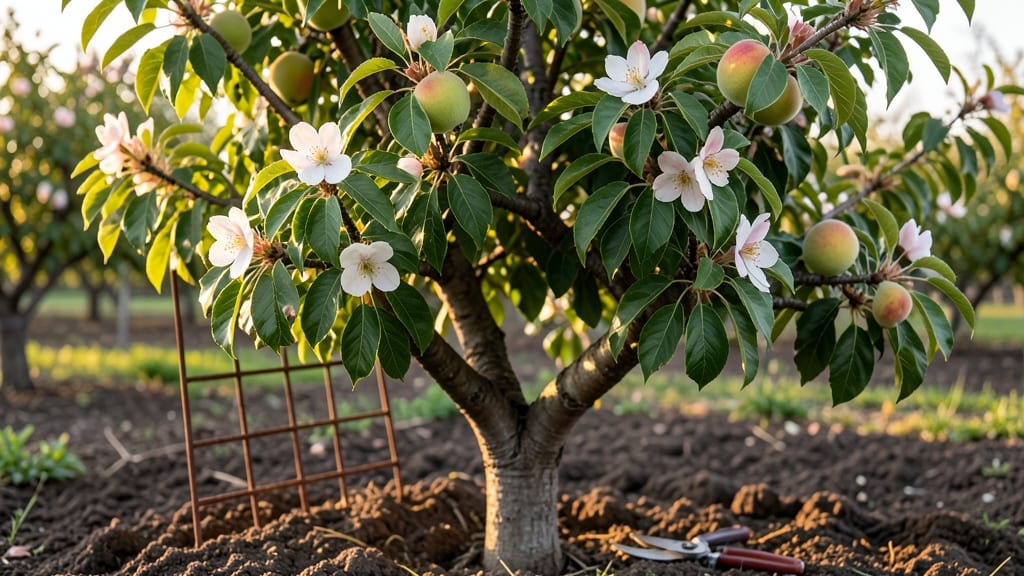
Peach tree flowers and fruit turn a backyard into a fragrant, fruiting paradise—if you know the secrets. 🌸 I’ve watched my own trees go from bare branches to heavy with blooms and then fruit, and the difference between a struggling tree and a thriving one comes down to timing, patience, and a few key care steps.
The magic starts in early spring when those delicate pink blossoms appear. Each flower holds the potential for fruit, but only if pollination happens right. Thin out clusters to leave space for the best-quality peaches, and protect them from late frosts—they’re far more sensitive than the tree itself.
Water deeply but infrequently once fruit sets, and mulch to keep roots cool.
By midsummer, you’ll see those first fuzzy peaches swelling on the branches. The scent of ripe fruit in August is unbeatable, but don’t rush to harvest—wait until they’re fully colored, slightly soft when gently squeezed, and ready to burst with juicy sweetness. One tree can feed a family for months.
This is a long-term investment, but the payoff is worth it. With proper pruning, pest control, and a little luck, your peach tree will reward you with both beauty and bounty for decades. Let’s get those branches loaded with both flowers and fruit next season.
📚 In This Guide
- What you need
- Instructions
- Tips and common mistakes
- Wrapping up and next steps
What you need
- ● Peach tree sapling or bare-root tree: Choose a dwarf variety (6–8 ft mature height) for small spaces or a standard variety (15–25 ft) for full sun exposure.
- ● Opt for self-pollinating varieties (e.g., ‘Redhaven,’ ‘Elberta’) or plant two compatible trees for cross-pollination.
- ● Well-draining soil: Test soil pH (ideal range: 6.0–6.5; adjust with lime or sulfur if needed).
- ● Amend heavy clay soil with compost or sand (1 part per 3 parts soil).
- ● Fertilizer: Balanced 10-10-10 (spring planting) or orgainc 5-5-5 (organic option).
- ● Slow-release citrus/peach-specific granules (apply in early spring and late summer).
- ● Mulch: Wood chips or straw (2–3 inches deep; keep 6 inches away from trunk).
- ● Tools: Shovel, pruning shears (bypass pruners for clean cuts), and gloves.
- ● Watering can or drip irrigation system (for consistent moisture).
- ○ Spray bottle (for neem oil or horticultural oil—optional pest control).
- ● Pollinator-friendly plants: Bee balm, lavender, or clover nearby to attract bees for better fruit set.
- ● Tree ties or stakes: For young trees in windy areas (use soft fabric ties to avoid trunk damage).
- ● Fruit thinning shears: To remove excess fruit and improve size/quality (late spring).
- ● Frost cloth: For young trees in cold climates (protects blooms from late frosts).
- ● Soil moisture meter: To monitor watering needs (peach trees hate soggy roots!).
Step-by-Step guide to encouraging peach tree flowers and fruit
Here's how to coax both fragrant blossoms and juicy fruit from your peach tree—nature's dual-purpose treasure.
🌱 Step 1: Prune for Light and Airflow
Start by removing any dead, crossing, or inward-growing branches with clean, sharp pruners. I always cut just outside the branch collar where it meets the trunk—this prevents unsightly stubs and encourages strong regrowth. Aim to open up the center of the tree so sunlight can reach all the way to the interior branches.
Focus on removing branches thicker than ½ inch in diameter first, then work your way to smaller limbs. You'll see new growth emerge from the sides of branches you've thinned out—this is where next year's flowers will form. Prune during late winter or early spring before buds swell, when the tree is still dormant.
☀️ Step 2: Provide the Right Growing Conditions
Peach trees thrive in full sun with at least 6-8 hours of direct sunlight daily. If your tree isn't getting enough light, you'll notice sparse flowering and poor fruit set. I've found that even partial shade reduces both blossom production and fruit quality significantly.
These trees also need well-draining soil with a pH between 6.0 and 7.0. If your soil is heavy clay, amend it with 3-4 inches of compost mixed into the top 12 inches of soil. Water deeply once a week during dry spells, ensuring the soil stays moist but not soggy—peach trees hate "wet feet."
💧 Step 3: Fertilize for Blooms and Fruit
In early spring, apply a balanced 10-10-10 fertilizer around the tree's drip line, keeping it 12 inches away from the trunk. This gives the tree nutrients to produce abundant flowers. After the tree blooms, switch to a fertilizer higher in phosphorus (like 5-10-10) to support fruit development.
I always water the fertilizer in immediately to prevent root burn. You'll see new leaves emerge with a deeper green color after fertilizing—that's your sign the tree is responding well. Avoid over-fertilizing with nitrogen-heavy mixes, or you'll get lots of leaves but few flowers or fruit.
✂️ Step 4: Thin Fruit for Quality and Size
Once fruit begins to form, thin them to 6-8 inches apart when they're about 1 inch in diameter. This ensures the remaining fruit grows larger and sweeter. I always remove smaller or misshapen fruit first, as these compete for nutrients with the better specimens.
Thinning also improves airflow, which reduces the risk of fungal diseases like brown rot. You'll notice the remaining fruit firm up and develop a more vibrant color within a few weeks. If you skip this step, you'll end up with tiny, underdeveloped peaches that lack flavor.
🌿 Step 5: Protect Flowers and Fruit
Peach blossoms are delicate and can be damaged by late frosts. I've learned to monitor weather forecasts and cover the tree with frost cloth if temperatures drop below 28°F during bloom time. Even a light frost can ruin a season's worth of flowers.
Once fruit forms, protect it from pests like peach tree borers and birds. Wrap the trunk with tree wrap to deter borers, and use bird netting if local wildlife loves your peaches. You'll see fewer damaged fruits and healthier trees when you take these precautions early.
Tips & tricks for perfect peach tree flowers and fruit
A few simple strategies can transform your peach tree from a basic backyard plant into a fragrant, fruit-bearing powerhouse.
Pruning Precision: In Step 1, when pruning branches thicker than ½ inch, look for the small buds forming along the sides of branches—these are your future flower sites. Make your cuts just outside the branch collar to avoid damaging the tree's natural healing ability. I always prune on a dry, sunny day to reduce disease risk, and sterilize my pruners with rubbing alcohol between cuts to prevent spreading bacteria. This attention to detail makes all the difference in next year's bloom production.
Sunlight Strategy: The 6-8 hours of daily sunlight in Step 2 is non-negotiable for peach trees. If your tree is in partial shade, consider pruning nearby trees or shrubs to increase sunlight exposure. I've seen trees in partial shade produce only 30% of the flowers and fruit compared to those in full sun. For maximum results, position your tree where it gets morning sun and afternoon shade if you're in a very hot climate—this balances heat stress while still providing essential light.
Fertilizer Timing: When applying the 10-10-10 fertilizer in Step 3, split the application into two parts: half in early spring before blooms appear, and the second half after flowering but before fruit sets. This two-step approach prevents overstimulating new growth that could be damaged by late frosts. For established trees, you can reduce the amount by 25% after the first year since they build up soil nutrients over time. Always water in the fertilizer immediately to prevent root burn—this is a common mistake that can set your tree back.
Thinning Technique: In Step 4, when thinning fruit to 6-8 inches apart, focus on keeping the largest, most symmetrical peaches. I use clean pruning shears to make quick cuts at the stem—don't twist or pull, as this can damage the remaining fruit. You'll notice the remaining peaches develop a more vibrant color within 2-3 weeks, signaling they're getting proper nutrients. This thinning also makes harvesting easier later in the season, as you won't have to fight through crowded branches.
Pro Tips for Peach Tree Flowers And Fruit
- A few simple strategies can transform your peach tree from a basic backyard plant into a fragrant, fruit-bearing powerhouse.
- Pruning Precision: In Step 1, when pruning branches thicker than ½ inch, look for the small buds forming along the sides of branches—these are your future flower sites.
- Sunlight Strategy: The 6-8 hours of daily sunlight in Step 2 is non-negotiable for peach trees.
Frequently asked questions
Got questions about peach tree flowers and fruit? You’re not alone! Here are answers to the most common curiosities—from timing to troubleshooting—so you can grow your own fragrant, fruitful masterpiece.
When do peach tree flowers bloom, and how long do they last?
Peach tree flowers typically bloom in early spring (March–April in most U.S. zones), right before or with the leaves. Each blossom lasts 3–7 days, but the entire tree’s bloom period spans 2–3 weeks. For best fruit set, plant two trees (or nearby pollinators) to ensure cross-pollination!
How long does it take for peach tree flowers to turn into fruit?
After blooming, it takes 60–90 days for peaches to mature, depending on the variety. Early-season peaches (like ‘Redhaven’) ripen in 70–80 days, while late varieties (like ‘Elberta’) may take up to 100 days. Watch for color change, softness, and a sweet aroma to know they’re ready!
Why aren’t my peach tree flowers turning into fruit?
Common culprits include poor pollination (no bees or second tree), late frost (damaging blooms), or nutrient deficiencies (lack of nitrogen/phosphorus). Try hand-pollinating with a soft brush, protecting flowers from frost, or fertilizing with 10-10-10 in early spring.
Can I eat the flowers, or are they just for show?
While peach blossoms aren’t edible, they’re 100% safe to compost or use in floral arrangements! Their delicate pink petals add beauty, and their light honey-like fragrance attracts pollinators. Just avoid pesticides if you want to support bees—nature’s best fruit-makers!
Do peach trees need full sun, or can they grow in partial shade?
Peach trees thrive in full sun (6+ hours/day), but they can tolerate partial shade (4–6 hours)—though fruit quality and yield may suffer. If shading is unavoidable, choose dwarf varieties (like ‘Bonanza’) and ensure good airflow to prevent disease. Southern exposure works best!
Wrapping up and next steps
Peach tree flowers and fruit are a delightful duo—offering fragrant blooms and juicy rewards in one stunning package. Whether you’re growing them for their beauty, scent, or harvest, these trees bring year-round charm to any garden. 🌸🍑
Ready to plant your own? Start by choosing the right variety, gathering your supplies, and giving your tree the care it deserves. With patience and love, you’ll soon be enjoying both blossoms and bounty—and maybe even sharing peaches with neighbors! 🌱