Flowers
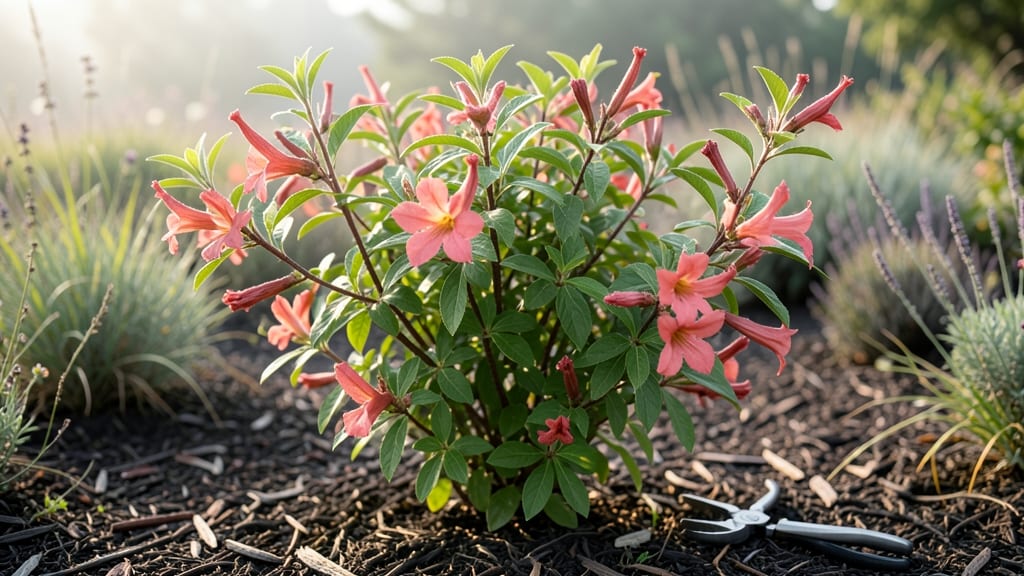
That fragrant perennial bush with pink flowers, like Weigela florida or Spirea, turns gardens into hummingbird hotspots with minimal fuss. 🌸 The first time I planted a Weigela florida in my sun-drenched border, I couldn't believe how quickly it transformed a blank space into a fragrant, buzzing oasis—no extra watering or deadheading required.
These bushes thrive in average soil, handle drought once established, and keep blooming from late spring through summer, giving you months of color without the upkeep of annuals.
What makes them perfect for modern gardens? Their adaptability. Plant them as solitary stars in a mixed border, line a walkway for a soft pink canopy, or tuck them behind ornamental grasses for textural contrast.
Varieties like Spirea japonica 'Anthony Waterer' offer lush foliage and cascading blooms, while Hydrangea paniculata 'Limelight' adds height and architectural interest. Pair them with lavender for fragrance or coneflowers for pollinator appeal—your garden will hum with activity by midsummer.
You’ll love how effortlessly they blend into any style, from cottage gardens to contemporary landscapes. The fragrant blooms attract hummingbirds and butterflies, while their glossy leaves add year-round structure.
Prune once in late winter to shape them, and they’ll reward you with bold pink spikes that outshine anything you’d buy in a bouquet. Once established, they’re nearly indestructible—ideal for busy gardeners who still want drama.
The real magic happens when you combine them with complementary plants. Try salvia for vertical interest or Russian sage for a purple-pink contrast. For a romantic touch, add peony nearby—its lush foliage and early blooms create a stunning understory.
These bushes aren’t just pretty; they’re the backbone of a low-maintenance, high-impact garden that keeps giving all season.
📚 In This Guide
- What you need
- Instructions
- Tips and common mistakes
- Wrapping up and next steps
What you need
- ● Perennial bush with pink flowers: 1-3 nursery-grown plants (6-12 inches tall, potted or bare-root)
- ● OR Seeds (if starting from scratch—germination can take 2-4 weeks)
- ● Well-draining soil: 50% native soil + 50% compost or potting mix (for loose, fertile ground)
- ○ Optional: Perlite or sand (1-2 cups) for sandy or clay-heavy soils
- ● Fertilizer: Balanced 10-10-10 or slow-release granular fertilizer (1 lb per bush)
- ● OR Organic options like worm castings or fish emulsion (½ cup per plant)
- ● Digging tools: Trowel or small shovel (for transplanting)
- ○ Garden fork (optional, for breaking up compacted soil)
- ● Planting supplies: Garden gloves (to protect hands)
- ● Watering can or hose with a gentle spray nozzle
- ● Mulch (2-3 inches of shredded bark or pine straw)
- ● Location & conditions: Sunlight: Full sun (6+ hours/day) or partial shade (4-6 hours), depending on your bush type
- ● Space: 3-6 feet apart (check plant tags for mature size)
- ● Water access: Nearby hose or drip irrigation system
- ● Plant supports (stakes or cages for taller varieties like Butterfly Bush)
- ● Pruning shears (for shaping and deadheading)
- ● Hummingbird feeders (to complement your fragrant blooms!)
- ● Soil pH test kit (ideal range: 5.5-7.0 for most pink-flowering perennials)
Step-by-Step instructions for planting a fragrant pink perennial hummingbird bush
This beauty thrives with minimal fuss—just follow these steps for vibrant blooms and happy pollinators.
🌱 Step 1: Select the Right Spot and Prepare the Soil
Choose a location with 6+ hours of sunlight daily—morning sun with afternoon shade works best in hot climates. The bush tolerates partial shade but blooms most prolifically in full sun. I always test the soil first with a simple pH test kit; aim for 6.0-7.0—too acidic or alkaline will stunt growth.
Loosen the soil to a depth of 12-18 inches with a garden fork, breaking up any compacted layers. Amend with 2-3 inches of compost mixed into the top 6 inches. This ensures roots establish quickly and access nutrients without competition. Avoid heavy clay—it drains poorly and invites root rot.
🪴 Step 2: Plant at the Correct Depth and Spacing
Dig a hole twice as wide as the root ball but no deeper—planting too deep suffocates the stem. Gently remove the bush from its container and tease apart any circling roots. Position it so the top of the root ball sits level with the surrounding soil—never buried deeper than it grew in the nursery.
Space plants 4-6 feet apart to allow airflow and prevent disease. I always water the hole deeply before planting to settle the soil around roots. Backfill with native soil, pressing lightly to eliminate air pockets. A 2-inch layer of mulch (like shredded bark) keeps moisture in and weeds out—just keep it 6 inches away from the stem to prevent rot.
☀️ Step 3: Water Deeply After Planting and Monitor Moisture
Water immediately after planting to encourage root spread—give 1-2 gallons per plant until the soil is 6 inches deep and evenly moist. Over the next 2-3 weeks, water twice weekly until new growth appears. After establishment, water only when the top 2 inches of soil feel dry—this bush hates soggy roots.
Here's the thing—hummingbirds adore this plant, but they also attract pests. I've found that deep, infrequent watering (rather than daily light sprinkles) strengthens roots and deters fungal issues. Check soil moisture by hand; if it crumbles when squeezed, it's ready for more water.
✂️ Step 4: Prune for Shape and Encourage More Blooms
Prune right after flowering to shape the bush and promote next year's blooms. Use clean, sharp shears to cut back one-third of the oldest stems to just above a leaf node. This encourages new growth from the base. I always sterilize my shears with rubbing alcohol between cuts to prevent disease spread.
Remove any dead, crossing, or weak branches—this improves airflow and prevents fungal problems. Never prune in fall; wait until late winter or early spring when new growth begins. You'll see fresh, vibrant shoots within 4-6 weeks of proper pruning.
🌿 Step 5: Fertilize Lightly and Watch for Hummingbird Visitors
Apply a balanced, slow-release fertilizer (10-10-10) in early spring as new growth emerges. Follow package rates—over-fertilizing leads to leafy growth at the expense of flowers. I also add a handful of bone meal at planting time for extra phosphorus, which boosts blooming.
Once established, this bush thrives with minimal care. You'll know it's happy when bright pink flowers cover the plant from mid-summer to frost, and hummingbirds hover eagerly nearby. Deadhead spent blooms occasionally to encourage more flowers, but don't obsess—this plant is naturally low-maintenance.
Tips & tricks for perfect hummingbird bush planting
These pro-level planting tips will help your fragrant pink bush thrive with minimal effort and maximum blooms.
Soil Preparation Secret: In Step 1, don't just loosen the soil—work in a handful of perlite or coarse sand when amending with compost. This improves drainage without changing the soil structure, which is especially helpful if your area has heavy clay. I've found this small addition prevents root rot while keeping the soil's natural fertility intact.
Planting Depth Visual: For Step 2, here's how to get the depth perfect: After placing your bush in the hole, the top of the root ball should sit just below the surrounding soil line. Imagine the bush's original soil level in its container—match that height in your planting hole. Too deep? The stem will suffocate. Too shallow? Roots won't anchor properly.
Watering Strategy: In Step 3, that initial 1-2 gallons should be given slowly over 15-20 minutes to prevent soil erosion around the roots. After the first two weeks, I switch to deep watering every 3-4 days instead of twice weekly—this encourages roots to grow deeper in search of moisture, making your plant more drought-resistant once established.
Pruning Timing: The 4-6 week window mentioned in Step 4 is actually a range—watch for fresh green growth in late winter, not just the calendar. Prune when you see 1/4-inch new shoots emerging. This timing ensures you're cutting back just as the plant's energy shifts from dormancy to growth, promoting vigorous new blooms.
Pro Tips for Perennial Bush With Pink Flowers
- These pro-level planting tips will help your fragrant pink bush thrive with minimal effort and maximum blooms.
- Soil Preparation Secret: In Step 1, don't just loosen the soil—work in a handful of perlite or coarse sand when amending with compost.
- Planting Depth Visual: For Step 2, here's how to get the depth perfect: After placing your bush in the hole, the top of the root ball should sit just below the surrounding soil line.
Frequently asked questions
Got questions about growing and caring for your perennial bush with pink flowers? You’re not alone! Here are some of the most common queries—and their easy answers—to help you keep your hummingbird-friendly blooms thriving.
How do I encourage more pink flowers on my bush?
To boost blooms, ensure your bush gets at least 6 hours of sunlight daily and prune spent flowers regularly. Fertilize lightly in spring with a balanced, low-phosphorus formula (like 10-10-10) to avoid leafy growth over flowers. Deadheading (snipping off faded blooms) redirects energy to new flowers!
When is the best time to plant this bush?
Plant in early spring or fall for ideal root establishment. Avoid extreme heat or frost, which can stress young plants. If planting in summer, water deeply 2–3 times per week and mulch to retain moisture. Fall planting gives roots time to settle before winter.
Why aren’t hummingbirds visiting my pink flowers?
Hummingbirds love tubular, nectar-rich flowers—ensure yours are fully open and healthy. Try these fixes:
- Add a hummingbird feeder nearby (use a 4:1 sugar-water ratio).
- Plant companion flowers like bee balm or salvia for variety.
- Avoid pesticides—chemicals can repel pollinators.
What are some low-maintenance alternatives to this bush?
If you want fragrant, pink perennials with minimal fuss, try these:
Plant
Care Level
Bonus Features
Butterfly Bush (Buddleia)
(Drought-tolerant, fast-growing)
Attracts butterflies + hummingbirds
Dwarf Lilac (Syringa meyeri)
(Cold-hardy, minimal pruning)
Sweet fragrance, compact size
Russian Sage (Perovskia atriplicifolia)
(Drought-resistant, deer-resistant)
Silvery foliage + purple-blue blooms
How do I prevent pests or diseases from ruining my bush?
Most issues stem from overwatering or poor drainage. Here’s how to preempt problems:
- Water at the base (avoid wetting leaves to deter fungal diseases like powdery mildew).
- Mulch with 2–3 inches of organic material (like shredded bark) to improve soil health.
- Spot-treat pests early: Spray aphids with soapy water; use neem oil for mites.
- Choose a sunny spot—many pink perennials hate humidity and crowded roots.
Wrapping up and next steps
Transforming your garden into a vibrant, low-maintenance haven is easier than you think! The perennial bush with pink flowers—like the fragrant Abelia or Weigela—brings beauty, attracts pollinators, and thrives with minimal fuss. Whether you’re a seasoned gardener or a beginner, these blooms are your ticket to effortless elegance.
Ready to take the next step? Start small—plant one bush in a sunny spot and watch your garden come alive! For extra inspiration, explore companion plants or design tips to create a stunning, pollinator-friendly landscape. Your garden’s masterpiece is just a bloom away! ✨