
Flowers
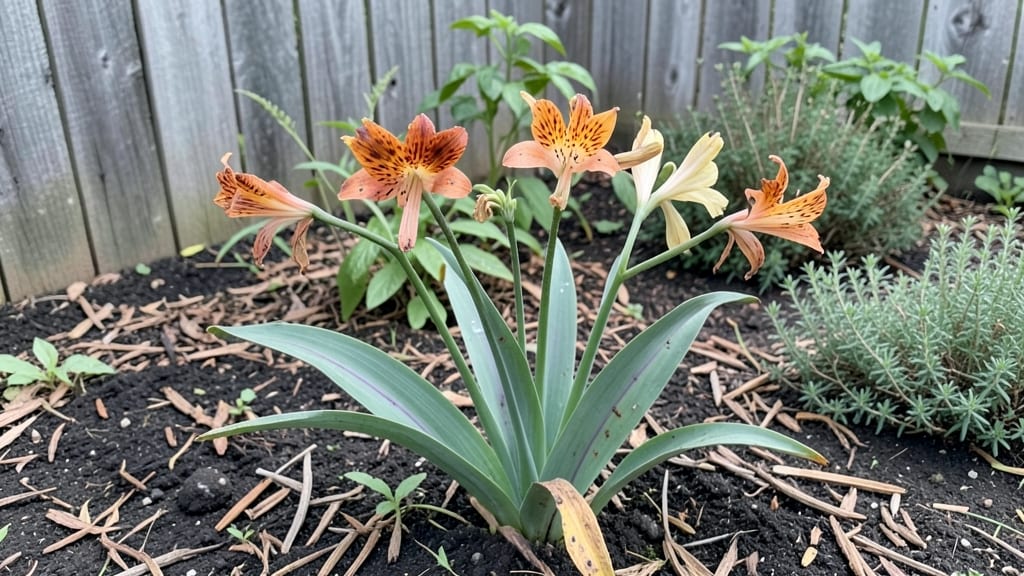
Growing Peruvian lilies means frost-proof blooms that outlast most Pacific Northwest winters. 🌿 These tough, tuberous beauties thrive where other flowers falter, and I’ve grown them through three winters without a single frost casualty.
The secret lies in their deep roots and adaptable nature—once established, they bounce back from cold snaps like nothing else in my garden.
You’ll need well-draining soil, 6 hours of sunlight daily, and a spot that stays slightly moist but never soggy. Peruvian lilies spread easily from tubers, so you can start with just a few and multiply them over time.
The first year focuses on root growth, but by spring, you’ll see those signature vibrant, long-stemmed blooms in shades of pink, purple, and orange that last for weeks.
The real magic happens in late summer when they rebloom after a brief rest. Cut back faded stems in early fall, mulch lightly, and they’ll push through cold soil come spring.
Even indoor growers can enjoy them in bright windows—just keep the soil slightly damp and watch those stems reach for the light.
Common mistakes? Overwatering and planting too shallow—both stunt growth. But once you get the hang of it, these lilies reward you with low-maintenance color that rivals anything from a greenhouse. Ready to add some resilience to your garden?
📚 In This Guide
- What you need
- Instructions
- Tips and common mistakes
- Wrapping up and next steps
What you need
- ● Peruvian lily bulbs (Alstroemeria spp.) – 5-10 bulbs (choose cold-hardy varieties like Alstroemeria ligtu or Alstroemeria pulchra for PNW climates).
- ● Well-draining potting mix or garden soil – 1-2 bags (10-15 cubic feet) (amend with compost if your soil is heavy).
- ● Garden fork or trowel – For planting bulbs 6-8 inches deep and 12 inches apart.
- ● Organic mulch (straw, wood chips, or pine needles) – 2-3 inches thick to protect roots in winter.
- ● Watering can or hose with a gentle spray nozzle – For deep but infrequent watering (avoid soggy soil!).
- ● Fertilizer (balanced 10-10-10 or bulb-specific formula) – 1-2 applications per season (spring and early summer).
- ● Garden gloves – To protect your hands while handling bulbs and soil.
- ● Pruners or shears – For trimming spent blooms to encourage new growth.
- ● Plant labels – To track varieties (especially if testing multiple types!).
- ○ Cold frame or frost cloth – Optional but helpful for extra winter protection in harsh PNW winters.
- ○ Epsom salt (magnesium sulfate) – 1 tablespoon per plant every 4-6 weeks for vibrant blooms (optional but recommended).
How to grow Peruvian lilies in your Pacific Northwest garden
These hardy beauties thrive where others freeze—here's how to coax their bold blooms to life.
🌱 Step 1: Choose the Right Location for Year-Round Success
Peruvian lilies love full sun to partial shade, but in the Pacific Northwest's cooler climate, they'll reward you most when planted in spots with morning sun and afternoon shade. I always pick a location with 6+ hours of sunlight, but I avoid the harshest afternoon rays that can scorch leaves in summer. Look for areas with well-draining soil—these plants hate soggy roots.
Here's the thing—Peruvian lilies are frost-tolerant, but their first year is critical. Plant them where they won't get buried under snow drifts. I mark their location with a small stake so I remember where they are when winter arrives. The key is finding that sweet spot where they get enough light to bloom but stay protected from the worst winter winds.
🪴 Step 2: Prepare the Soil for Strong Root Development
Amend your native soil with 3 inches of compost and a handful of perlite or coarse sand to improve drainage. Peruvian lilies prefer soil that's rich but not heavy. I take a soil sample from the planting area and mix it with the amendments until it feels light and crumbly—like a well-made cake batter. The goal is soil that holds moisture but drains quickly.
Dig a hole that's twice as wide as the root ball but only as deep—planting too deep can suffocate the roots. Gently loosen the roots if they're pot-bound before placing the plant in the hole. Backfill with the amended soil, pressing lightly around the edges to remove air pockets. Water deeply right after planting to settle everything in place.
☀️ Step 3: Plant at the Right Time for Maximum Blooms
In the Pacific Northwest, the best time to plant Peruvian lilies is in early spring, about 4-6 weeks before your last frost date. This gives the roots time to establish before summer heat arrives. If you're planting in fall, do it 6-8 weeks before the first frost—enough time for roots to settle in before winter.
Watch for new growth as your signal that the plant is happy. You'll see bright green leaves emerging within 2-3 weeks of planting. If you notice yellowing leaves, it's often a sign of overwatering—these plants prefer slightly dry soil between waterings. Mulch around the base with 2-3 inches of organic mulch to protect roots in winter and keep soil moist in summer.
💧 Step 4: Water and Feed for Continuous Blooming
Water deeply once a week during the first growing season, then reduce to every 10-14 days once established. Peruvian lilies are drought-tolerant once their roots are settled, but they'll reward you with more blooms if you keep the soil consistently moist. I check moisture by sticking my finger 2 inches into the soil—if it feels dry, it's time to water.
Feed with a balanced, slow-release fertilizer in early spring and again in midsummer. I use a 10-10-10 formula at half-strength to avoid burning the roots. You'll know your plant is thriving when it produces multiple flower stalks each season—sometimes even in their first year. Deadhead spent blooms to encourage more flowers and keep the plant looking tidy.
✂️ Step 5: Protect and Prune for Long-Term Health
In late fall, cut back the foliage to 6 inches tall and apply a 3-inch layer of mulch around the base. This protects the roots from freezing temperatures and keeps the soil insulated. Peruvian lilies are frost-hardy, but a thick mulch layer gives them extra insurance against harsh winters. I always remove the old mulch in early spring to let the soil warm up.
Divide clumps every 3-4 years in early spring to keep the plants vigorous. You'll know it's time when you see fewer blooms or smaller flowers. Dig up the clump, separate the sections with a sharp knife, and replant the healthiest divisions. This rejuvenates the plant and gives you more blooms for your garden. With proper care, your Peruvian lilies will reward you with bold, long-lasting flowers for decades.
Tips & tricks for perfect Peruvian lily flowers
These hardy plants are surprisingly low-maintenance once you know the secrets to their success.
Location Strategy: In Step 1, when choosing your planting spot, look for areas with natural windbreaks like fences or shrubs—Peruvian lilies appreciate protection from Pacific Northwest's harsh winter winds. I've found that planting near evergreens creates a microclimate that extends their growing season by shielding them from cold winds while still allowing plenty of morning sun. The 6+ hours of sunlight should ideally include the warmest part of the day when the sun is highest.
Soil Prep Hack: For Step 2's soil preparation, don't just add compost—mix in some leaf mold if you have it. Leaf mold improves soil structure even better than regular compost by creating that perfect crumbly texture. I like to add a handful of worm castings too—it gives the plants a gentle nutrient boost while improving drainage. Remember, the goal is soil that feels like "well-made cake batter" as mentioned, but with even better aeration.
Planting Timing: When planting in Step 3, check your local frost dates but also consider your soil temperature. The roots need to establish before summer heat arrives, but they also need soil that's at least 50°F (10°C) to grow properly. If your spring is particularly cold, you might need to wait an extra week or two after your frost date to plant. The 2-3 week window for new growth to appear is your confirmation that everything's on track.
Winter Protection: For Step 5's winter care, consider adding a layer of straw mulch over your 3-inch organic mulch layer. Straw provides extra insulation and helps prevent soil heaving during freeze-thaw cycles. I've seen Peruvian lilies survive winters with just the recommended mulch, but the straw makes all the difference in particularly harsh winters. Just remember to remove the straw in early spring before new growth appears.
Pro Tips for Peruvian Lily Flowers
- These hardy plants are surprisingly low-maintenance once you know the secrets to their success.
- Location Strategy: In Step 1, when choosing your planting spot, look for areas with natural windbreaks like fences or shrubs—Peruvian lilies appreciate protection from Pacific Northwest's harsh winter winds.
- Soil Prep Hack: For Step 2's soil preparation, don't just add compost—mix in some leaf mold if you have it.
Frequently asked questions
Got questions about growing Peruvian lily flowers? You’re not alone! Here are some of the most common queries—plus straightforward answers to help you cultivate these hardy blooms with confidence.
How cold can Peruvian lilies tolerate?
These frost-resistant beauties thrive in USDA Zones 5-9 and can handle temperatures as low as 10°F (-12°C) with proper mulching. In the Pacific Northwest, they’re perfect for winter gardens—just protect young plants until established!
When is the best time to plant Peruvian lilies?
Plant bulbs in early fall (September-October) for spring blooms or late winter (February-March) in milder climates. Avoid planting in summer heat—bulbs need time to root before summer arrives.
Why aren’t my Peruvian lilies blooming?
Common culprits:
- Too much shade—they need full sun (6+ hours/day).
- Overwatering—let soil dry slightly between waterings.
- Old bulbs—divide and replant every 3-4 years.
Can I grow Peruvian lilies in containers?
Yes! Use a large pot (12"+ diameter) with drainage holes and well-draining soil. Repot every 2-3 years and move containers indoors before hard frosts if in Zone 5.
What’s a good alternative if Peruvian lilies don’t thrive?
Try these frost-tolerant, low-maintenance alternatives:
- Crocus (blooms early spring, Zone 3-8)
- Snowdrops (Galanthus) (Zone 3-9, thrives in shade)
- Allium ‘Purple Sensation’ (drought-resistant, Zone 4-8)
Wrapping up and next steps
Growing Peruvian lily flowers is a rewarding adventure—especially for gardeners in the Pacific Northwest, where their frost-resistant charm truly shines! 🌸 These striking blooms bring bold color and resilience to your garden, proving that beauty and hardiness go hand in hand.
Whether you're a seasoned gardener or just starting out, their low-maintenance nature makes them the perfect addition to any outdoor space.
Ready to dive in? Start by gathering your supplies, choosing the right spot, and giving these tough beauties the care they deserve. Your next step? Plant a few Peruvian lilies this season and watch your garden transform—one vibrant bloom at a time! 🌿