
Flowers
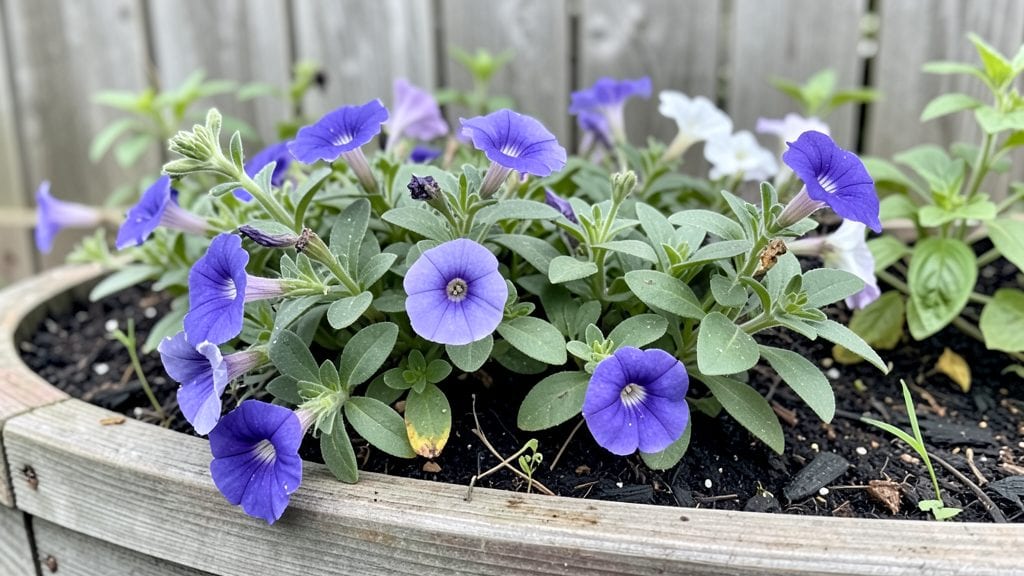
Creating a petunia flower bed that bursts with color from spring until frost is easier than you think—and the payoff is worth every minute. 🌸 I’ve designed flower beds that make neighbors pause mid-stride to snap photos, using petunias as the star players in a show-stopping display.
The secret? It’s not just about planting petunias—it’s about layering colors, textures, and heights to create a living tapestry that evolves with the seasons.
Start with a well-drained soil mix (add compost if your soil is heavy) and choose petunia varieties that match your vision: trailing types for edges, mounding types for centerpieces, and heat-tolerant varieties for full-sun spots.
Mix in companion plants like calibrachoas (for extra blooms) or sweet alyssum (for delicate contrast), and space petunias 10-12 inches apart to give them room to spill over. A raised bed or container works too—just ensure it’s at least 12 inches deep for trailing varieties.
By mid-summer, you’ll have a sea of blooms in jewel tones—deep purples, fiery reds, or soft whites—that attract butterflies and hummingbirds while keeping weeds at bay. The key to keeping them thriving? Deadheading spent blooms weekly and feeding them every 2-3 weeks with a balanced fertilizer.
Even in Zone 5’s short season, petunias will reward you with color until the first frost.
Want to go beyond the basics? Try a themed bed—cottage-style with lavender and roses, or modern with geometric shapes and contrasting foliage. Add solar-powered lights along the edges for evening magic, and you’ve got a flower bed that’s as stunning at night as it is during the day.
Let’s bring this vision to life!
📚 In This Guide
- What you need
- Instructions
- Tips and common mistakes
- Wrapping up and next steps
What you need
- ● Petunia plants: 12–24 plants (depending on bed size; choose grandiflora, multiflora, or trailing varieties for variety).
- ● High-quality potting soil: 1–2 cubic yards (lightweight, well-draining mix with compost).
- ● Slow-release fertilizer: 10–20 lbs (14-14-14 or 10-10-10 NPK ratio).
- ● Mulch: 2–3 bags (pine bark or shredded leaves to retain moisture).
- ○ Peat moss or coconut coir: 1–2 bags (optional but improves drainage).
- ● Garden trowel or spade: 1 (for digging and planting).
- ● Garden gloves: 1 pair (to protect your hands).
- ● Watering can or hose with nozzle: 1 (for gentle watering).
- ● Pruning shears: 1 (for trimming dead blooms).
- ● Measuring tape or ruler: 1 (to space plants evenly).
- ○ Stakes or plant supports (optional): For trailing varieties.
- ● A sunny location (6+ hours of direct sunlight daily).
- ● A well-drained flower bed (amend clay soil with sand if needed).
- ● Time commitment: 1–2 hours for prep, 10–15 mins daily for watering.
Step-by-Step instructions for creating a stunning petunia flower bed
Here’s how to craft a vibrant petunia display that thrives all season with minimal fuss.
🪴 Step 1: Prepare the Planting Area
Choose a location with 6-8 hours of direct sunlight—petunias adore warmth and won’t tolerate shade. Clear the area of weeds, rocks, or debris, then loosen the soil to a depth of 12 inches using a garden fork or tiller. This ensures roots penetrate easily and prevents waterlogging.
Amend the soil with 2-3 inches of compost or well-rotted manure to enrich it with organic matter. Petunias prefer slightly acidic to neutral soil (pH 6.0-7.0), so test your soil if unsure. Mix the compost thoroughly into the top layer—this step is critical for preventing root rot and promoting lush blooms.
☀️ Step 2: Space and Plant Petunias Correctly
Petunias spread quickly, so space them 12-18 inches apart for trailing varieties or 10-12 inches apart for bush types. Dig holes just deep enough to accommodate the root ball without burying the stem. Gently remove plants from their containers, tease the roots if they’re circling, and place them in the holes.
Fill the holes with soil, pressing lightly to eliminate air pockets. Water deeply right after planting to settle the soil and encourage root contact. Avoid overwatering—petunias hate soggy roots. If planting in a container, use a well-draining mix with perlite or sand to prevent compaction.
💧 Step 3: Water and Mulch for Thriving Growth
Water newly planted petunias every 2-3 days until the soil is 1 inch deep and evenly moist. Use a soaker hose or drip irrigation to deliver water at the base, avoiding wetting the foliage (this prevents fungal diseases). In hot climates, water daily in the morning to reduce evaporation and stress.
Apply a 2-inch layer of mulch around the base, keeping it 2 inches away from stems to prevent rot. Use shredded bark, straw, or pine needles—these retain moisture and suppress weeds. Mulching also regulates soil temperature, which is especially helpful in summer heat.
✂️ Step 4: Prune and Fertilize for Continuous Blooms
Deadhead spent blooms regularly to encourage new flowers. Pinch back leggy stems by one-third in early summer to promote bushier growth. Petunias respond well to light pruning—this keeps them compact and prevents them from looking ragged.
Fertilize every 2-3 weeks with a balanced, water-soluble fertilizer (10-10-10 or 20-20-20). Follow label instructions to avoid overfeeding, which can burn roots. In containers, use a slow-release granular fertilizer at planting time for steady nutrition.
🌿 Step 5: Monitor and Protect Through the Season
Watch for pests like aphids or spider mites—petunias are tough but can succumb to infestations if neglected. Spray affected areas with neem oil or insecticidal soap if needed. Slugs are another common threat; use beer traps or diatomaceous earth as a natural deterrent.
Adjust watering as the season progresses—petunias need more frequent watering in heatwaves but can handle light drought once established. If leaves yellow or wilt, it’s often a sign of overwatering or poor drainage. Keep an eye on the soil moisture and adjust accordingly.
Tips & tricks for perfect petunia flower beds
Here's what I've learned from years of creating vibrant petunia displays that keep blooming all season—without the guesswork.
Sunlight Strategy: That 6-8 hours of direct sunlight requirement is non-negotiable for petunias. I've seen them struggle in just 5 hours, so scout your location before planting. Morning sun with afternoon shade works best in hot climates—just avoid harsh afternoon rays that can scorch delicate leaves. If your spot gets less light, choose trailing varieties like 'Wave' petunias which tolerate partial shade better than bush types.
Soil Preparation Secret: The 12-inch deep soil loosening in Step 1 is where most gardeners cut corners. I use a broadfork to aerate without turning over the soil—this preserves beneficial microbes while improving drainage. For containers, mix one-third perlite into your potting soil to prevent compaction, which is especially critical since petunias hate soggy roots. A soil test before amending with compost saves you from over-acidifying the bed.
Planting Depth and Spacing: When planting, make sure the top of the root ball sits just ½ inch below soil level—this prevents stem rot while allowing roots to expand. For the 12-18 inch spacing, measure from the center of each plant's root ball, not the edges. I always plant in a staggered pattern to create a more natural, fuller look from the start. This spacing also gives you room to deadhead without crowding stems.
Watering Wisdom: The every 2-3 days watering schedule assumes average conditions. In my experience, checking soil moisture with your finger is more reliable than counting days—stick your finger 1 inch deep. If it feels dry, water thoroughly. For containers, I weigh them: if they feel light, it's time to water. Morning watering prevents fungal diseases by allowing foliage to dry completely before nightfall.
Pro Tips for Petunia Flower Bed
- Here's what I've learned from years of creating vibrant petunia displays that keep blooming all season—without the guesswork.
- Sunlight Strategy: That 6-8 hours of direct sunlight requirement is non-negotiable for petunias.
- Soil Preparation Secret: The 12-inch deep soil loosening in Step 1 is where most gardeners cut corners.
Frequently asked questions
Got questions about creating or maintaining a stunning petunia flower bed? You’re not alone! Here are answers to the most common queries to help you grow a showstopping display with confidence.
When is the best time to plant petunias for a flower bed?
Plant petunias after the last frost in spring (typically late April to early June, depending on your zone). For a longer bloom season, you can also plant them in late summer (July-August) for fall color. Pro tip: Harden off seedlings indoors for 7–10 days before transplanting to avoid shock!
How do I keep pests like aphids or slugs away from my petunia bed?
Prevent pests with neem oil (spray weekly) or diatomaceous earth for slugs. Space plants well for airflow, and remove debris to deter hiding spots. For slugs, try copper tape barriers or beer traps (yes, really!). Act fast—aphids multiply quickly!
Why aren’t my petunias blooming as much as they should?
Petunias need sunlight (6+ hours/day), regular deadheading (snip spent blooms), and balanced fertilizer (like 10-10-10). Overcrowding or poor drainage can also stunt blooms. Try this: Prune leggy stems to encourage bushier growth and more flowers!
Can I mix petunias with other flowers in my bed?
Pair petunias with complementary colors like salvias, marigolds, or calibrachoas for texture. Avoid aggressive spreaders (e.g., mint) that’ll outcompete them. For height, tuck them behind tall grasses or snapdragons. Design tip: Use contrasting foliage (e.g., silver or purple leaves) to make blooms pop!
How often should I water a petunia flower bed?
Water deeply 2–3 times per week (early morning is best) to encourage strong roots. Let the top inch of soil dry between waterings, but avoid soggy soil—petunias hate “wet feet.” Mulch with 2–3 inches of straw or shredded bark to retain moisture and deter weeds.
What’s the easiest way to overwinter petunias?
Petunias are annuals, but you can save seeds or cuttings! Collect seeds from mature blooms, dry them, and store in a cool, dark place. For cuttings, snip healthy stems, root in water for 2 weeks, then replant next spring. Bonus: Some varieties (like Petunia ‘Wave’) self-seed if left undisturbed!
Wrapping up and next steps
Creating a stunning petunia flower bed is all about embracing bold colors, thoughtful planning, and a little seasonal care. Whether you’re a seasoned gardener or just starting out, these vibrant blooms will reward you with season-long beauty that brightens any space. 🌸
Ready to dive in? Start by sketching your design, gathering your materials, and don’t forget to enjoy the process—your future flower bed will thank you! For extra inspiration, explore petunia varieties or companion plants to elevate your garden further.