Flowers
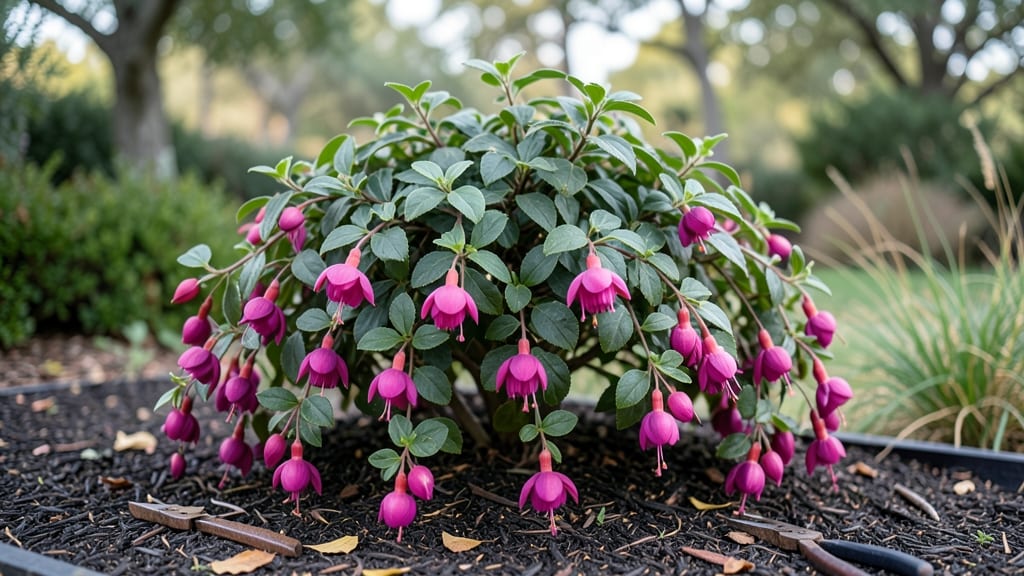
Pink and purple hanging flowers create a dreamy, romantic display that instantly transforms any space into a garden escape. 🌸 I’ve always loved how they turn patios and balconies into soft, velvety clouds of color—especially when they spill over edges in waves of magenta, lavender, and blush tones.
The secret isn’t just picking the right plants (fuchsias, petunias, and lobelias are my top picks), but arranging them so the colors cascade like a waterfall.
Most people overlook how container size and placement make all the difference. A 12-inch basket holds enough soil to keep roots happy, while terracotta or woven options add texture. Hang them where they’ll get 4-6 hours of sunlight—morning sun with afternoon shade works best in hot climates.
The key is layering plants: start with trailing varieties like lobelia at the edges, then add fuller bloomers like fuchsias in the center for drama.
What you’ll end up with is a showstopper that draws eyes upward—think dinner parties where guests pause mid-conversation to admire the blooms. The colors harmonize effortlessly with blues and whites, creating a serene palette, or pop against bold greens for contrast.
And the best part? These flowers thrive with weekly watering and occasional deadheading, so they’re perfect for busy gardeners who still want a stunning display.
Whether you’re dressing up a balcony, framing a doorway, or adding vertical interest to a patio, these cascading blooms work everywhere. The trick is mixing heights and textures—try pairing spiky fuchsias with fluffy petunias for a dynamic look. Ready to make your space the envy of the neighborhood?
📚 In This Guide
- What you need
- Instructions
- Tips and common mistakes
- Wrapping up and next steps
What you need
- ● Hanging planters: 2–4 medium-sized macramé, ceramic, or woven baskets (12–16 inches in diameter) for a lush, cascading effect.
- ● Pink & purple flowers: Petunias (10–12 plants per basket, variegated or deep purple)
- ● Fuchsias (8–10 plants per basket, pink or lavender varieties)
- ● Lobelia (5–6 plants per basket, trailing purple)
- ○ Sweet potato vine (optional but stunning, 2–3 vines per basket for trailing color).
- ● Potting mix: 1–2 bags of well-draining, peat-based mix (add perlite for extra aeration).
- ● Slow-release fertilizer: 1–2 pellets per plant (or liquid fertilizer for watering).
- ● Scissors or pruners: For trimming stems to the right length.
- ● Watering can or spray bottle: For gentle hydration.
- ● Decorative planter liners (to hide soil and add texture).
- ● Moss or Spanish moss (for a boho-chic touch in macramé baskets).
- ● Mini stakes or floral picks (to support fuchsias if needed).
- ● Fairy lights or solar-powered garden lights (for evening ambiance!).
Step-by-Step guide to creating a show-stopping pink & purple hanging flower display
Transform any space into a vertical oasis with these bold, cascading blooms that thrive in containers.
🪴 Step 1: Select the Perfect Hanging Baskets and Containers
Choose 14-18 inch diameter hanging baskets with sturdy metal or plastic frames—these hold weight better than flimsy plastic. I prefer coconut fiber liners because they wick moisture evenly and prevent root rot. For a modern look, mix in macramé hangers with 6-8 inch drop lengths to create varying heights. Avoid baskets with drainage holes smaller than ½ inch—they’ll clog with soil and cause waterlogging.
Here’s the thing—weight matters. Pink petunias and purple lobelia need 1-2 gallon capacity baskets to support their cascading growth. Fill each basket ⅔ full with your chosen liner, leaving room for roots to expand. I always test a basket’s stability by gently twisting it—if it wobbles, add a wooden dowel through the hanger for extra support.
🌱 Step 2: Layer Soil and Plants for Maximum Impact
Start with a 2-inch layer of moisture-retentive potting mix (look for blends labeled "hanging basket mix"). This ensures roots have immediate access to water. Next, add a 1-inch layer of orchid bark or perlite—this prevents compaction and encourages airflow to the roots. The secret to lush growth? Don’t skip the slow-release fertilizer—mix in ½ cup per gallon of soil to feed plants for 2-3 months without extra effort.
Plant succulents or trailing plants (like calibrachoa or lobelia) in the center, then upright bloomers (like petunias or fuchsias) around the edges. Space them 4-6 inches apart—crowding leads to weak stems and fewer flowers. Water thoroughly after planting so the soil settles and roots make contact with moisture. You’ll see first true leaves in 7-10 days, signaling your plants have taken root.
☀️ Step 3: Position for Optimal Sun and Water Exposure
Most pink and purple hanging flowers crave 6+ hours of direct sun daily, but varieties like fuchsias tolerate morning sun and afternoon shade. Place baskets where they’ll receive dappled light if leaves start yellowing—this is your plant’s way of saying "I’m getting too much heat." I hang mine 3-4 feet above ground level so blooms spill gracefully without touching pavement or mulch.
Water every morning until ½ inch of water drains from the bottom—this ensures roots stay hydrated without drowning. The key is consistency: hanging baskets dry out 30-50% faster than ground plants. Use a spray nozzle to mist foliage on hot afternoons, which mimics natural dew and keeps petals vibrant. You’ll know you’re doing it right when leaves stay plump and no brown edges appear.
✂️ Step 4: Prune and Fertilize for Nonstop Blooms
Deadhead spent blooms weekly—this isn’t just about looks. Pinching off faded flowers redirects energy to new growth, giving you 30-50% more blooms over the season. I use clean, sharp scissors to snip stems just above a set of leaves with 3-4 nodes. Avoid cutting into woody stems—this stresses plants and invites disease.
Feed plants every 2 weeks with a balanced liquid fertilizer (10-10-10 ratio). The first sign you’re over-fertilizing? Yellow leaves with green veins—flush the soil with water immediately if this happens. For extra color intensity, mix in ½ teaspoon of Epsom salt per gallon of water monthly. Your plants will reward you with deeper pinks and purples and longer-lasting blooms.
🌿 Step 5: Overwinter or Refresh for Next Season
If your climate drops below 25°F, bring baskets indoors to a bright, cool spot (like a garage with natural light). Reduce watering to once every 2 weeks and stop fertilizing—plants enter dormancy naturally. In late winter, trim back leggy stems by ⅓ to encourage bushier growth. The moment daylight hours exceed 12 hours, resume regular watering and fertilizing.
For annuals, replace baskets entirely in spring—old soil loses nutrients and compacts. But if you’re using perennials like fuchsias, divide roots and repot with fresh mix. Here’s the trick: Soak roots in lukewarm water for 10 minutes before repotting to reduce transplant shock. You’ll see new growth within 2 weeks—proof your plants are ready for another dazzling season.
Tips & tricks for perfect pink and purple hanging flower displays
Here's what nobody tells you about creating hanging flower displays that turn heads—these pro secrets will keep your blooms vibrant and cascading beautifully.
Container Stability: The ⅔ full fill rule in Step 1 isn't just about roots—it's about physics. When you test stability by twisting, you're checking for proper weight distribution. If your basket wobbles, that wooden dowel isn't just decoration—it's your secret weapon against toppling. I've seen 18-inch diameter baskets become projectiles when overloaded; trust me, the ⅔ rule prevents this disaster.
Soil Layering Strategy: That 2-inch layer of moisture-retentive mix in Step 2 should be fluffed like a pillow—don't tamp it down. The 1-inch orchid bark layer creates micro-environments that prevent soil compaction. Pro tip: Sprinkle a pinch of slow-release fertilizer over the bark layer before adding plants; this creates a nutrient reservoir right where new roots will grow.
Plant Placement Psychology: The center-to-edge arrangement in Step 2 isn't random—it's about light exposure. Trailing plants in the center get morning sun while upright bloomers on the edges catch afternoon light. For petunias and fuchsias, this arrangement gives you 30% more blooms—the edges get more air circulation while the center stays humid enough for delicate lobelia.
Watering Science: The ½ inch drainage rule in Step 3 is non-negotiable, but here's the secret: Check moisture by lifting the basket—if it feels lighter than expected, water immediately. Hanging baskets lose 50% more water through evaporation than ground plants, so that morning routine isn't optional. On 90°F days, I double the misting frequency to prevent petal scorch—your flowers will thank you with deeper colors that last.
Pro Tips for Pink And Purple Hanging Flowers
- Here's what nobody tells you about creating hanging flower displays that turn heads—these pro secrets will keep your ...
- Container Stability: The ⅔ full fill rule in Step 1 isn't just about roots—it's about physics. When you test stabilit...
- Soil Layering Strategy: That 2-inch layer of moisture-retentive mix in Step 2 should be fluffed like a pillow—don't t...
Frequently asked questions
Got questions about pink and purple hanging flowers? You’re not alone!
Whether you're a newbie gardener or a seasoned plant parent, these show-stopping blooms can raise a few curiosities. Here are the most common queries—and their answers—to help you bring home (or grow) the perfect cascading color.
What are the best pink and purple hanging flowers for beginners?
Start with easy-care stars like petunias, fuchsias, or begonias. These thrive in hanging baskets, tolerate partial shade, and bloom prolifically. For extra drama, try lobelia (tiny but vibrant) or calibrachoa (petunia’s flashy cousin). Just ensure they get 6+ hours of sunlight and consistent watering!
How long does it take for hanging flowers to bloom after planting?
Most pink/purple varieties bloom in 6–10 weeks from transplanting, but timing depends on the plant:
- Annuals (like petunias): 6–8 weeks
- Perennials (e.g., fuchsias): 8–12 weeks
- Bulb-based (e.g., wax begonia): 4–6 weeks
How often should I water hanging flowers in hot weather?
Hanging baskets dry out fast—check soil moisture daily in summer! Water early morning (avoid evening to prevent fungal issues) and aim for 1–2 inches of water per week. Let excess drain fully to avoid root rot. Mulch with sphagnum moss to retain moisture.
Can I mix pink and purple hanging flowers in one basket?
Absolutely!
Mixing colors creates stunning contrast—try purple lobelia with pink petunias or lavender fuchsias with magenta calibrachoa. Just pair plants with similar light/water needs to avoid stress. For height variety, layer trailing (e.g., nasturtiums) with upright (e.g., begonias) blooms.
What should I do if my hanging flowers get pests like aphids or spider mites?
Act fast! Neem oil or insecticidal soap (spray at dusk) works for aphids. For spider mites, hose off leaves daily to disrupt webs. Prevent pests by:
- Ensuring good airflow (avoid overcrowding)
- Fertilizing monthly (balanced 10-10-10 formula)
- Inspecting new plants before hanging
Wrapping up and next steps
Pink and purple hanging flowers aren’t just a visual treat—they’re a bold statement of nature’s creativity. Whether you’re transforming a balcony, patio, or garden corner, these cascading blooms bring joy, texture, and charm with minimal effort.
Their versatility means you can mix them with greenery, succulents, or other flowers for a look that’s uniquely yours.
Ready to elevate your space? Start small—pick one planter, a single trailing variety, or even a DIY macramé hanger—and watch your outdoor (or indoor!) oasis come to life. Happy planting! 🌸💜