Trees
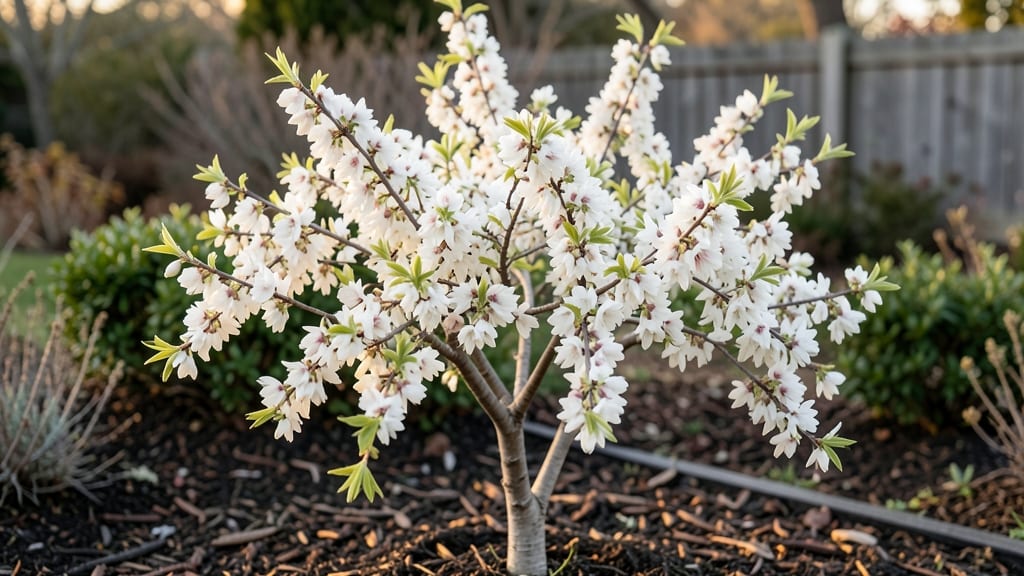
Pink and white flowering trees turn any garden into a living watercolor painting. 🌸 I remember the first time I saw a cherry blossom tree in full bloom—it felt like spring had arrived in one glorious burst of color.
These trees aren’t just pretty; they’re the stars of the show, offering drama from early spring through summer, sometimes even into fall.
Think of varieties like the Kwanzan cherry with its cloud-like pink blooms or the stargazer magnolia with its large, creamy-white flowers that perfume the air. Smaller options like the serviceberry add delicate white blossoms followed by edible berries, while the ornamental pear brings a frothy pink canopy.
These trees thrive in full sun to partial shade and adapt to various soil types, making them surprisingly low-maintenance for their show-stopping impact.
Imagine your front yard transformed into a romantic cottage garden or a sleek modern landscape—these trees anchor the design while letting perennials, shrubs, and ground covers play supporting roles.
The right placement creates a seasonal progression: early bloomers like dogwood give way to summer roses or clematis climbing their trunks, and fall foliage adds another layer of color.
Whether you’re dreaming of a grand entrance or a cozy backyard retreat, these trees deliver year-round interest. The key is choosing the right size for your space and pairing it with complementary plants that won’t compete for attention. Let’s bring that dream to life—one bloom at a time.
📚 In This Guide
- What you need
- Instructions
- Tips and common mistakes
- Wrapping up and next steps
What you need
- ● Tree: 1 pink and white flowering tree (e.g., Cercis canadensis ‘Alba’, Prunus serrulata ‘Kanzan’, or Lagerstroemia ‘Natchez’). Choose a healthy, disease-free specimen from a reputable nursery.
- ○ Optional: Pre-planted container tree (if available).
- ● Planting Supplies: 1 shovel (round-point or digging spade, 12–18 inches wide).
- ● 1 garden trowel (for delicate root adjustments).
- ● 1 pruning shears (sterilized, for trimming dead branches).
- ● 1 measuring tape (to ensure proper spacing).
- ● 1 garden hose or watering can (with a fine rose nozzle).
- ● Soil Amendments (if needed): 5–10 gallons of well-draining potting mix or compost (for clay-heavy soil).
- ○ 1 soil pH test kit (optional, to check acidity/alkalinity).
- ● Location: A spot with 6+ hours of sunlight daily (adjust for partial shade if planting a shade-tolerant variety like Cercis).
- ● Space: Verify mature tree height/width (e.g., Kanzan cherry grows 20–25 ft tall; Crapemyrtle reaches 15–20 ft).
- ● Season: Plant in early spring or fall (avoid extreme heat or frost).
- ● Water Access: Ensure a drip irrigation system or hose connection nearby for deep watering.
- ○ Mulch: Optional but recommended: 2–3 inches of organic mulch (wood chips or pine straw) to retain moisture.
How to select and plant a stunning pink-and-white flowering tree
Here's how to choose the perfect tree and get it growing strong for years of seasonal color.
🌱 Step 1: Choose the Right Tree for Your Climate and Space
Start by matching your yard's conditions to the right tree. For dramatic pink-and-white blooms, consider Crabapple (Malus) varieties like 'Royalty' or 'Pink Perfection', which thrive in USDA zones 4-8 and handle full sun to partial shade. If you need a larger statement tree, Bradford Pear (Pyrus calleryana) offers bold white flowers that transition to pinkish hues.
Measure your space—most flowering trees need 15-25 feet of clearance for mature spread. Check local regulations first; some cities restrict Bradford Pear due to invasive root systems. I always verify with my county extension office to avoid surprises later.
☀️ Step 2: Pick the Perfect Planting Location
Flowering trees need at least 6 hours of direct sunlight daily for best blooms, but some like Japanese Cherry (Prunus serrulata) tolerate light shade. Avoid low spots where water pools—root rot will kill your tree before it flowers. The ideal spot has well-draining soil and is sheltered from harsh winds that can damage delicate blossoms.
Test your soil's drainage by digging a 12-inch deep hole and filling it with water. If it drains in less than 30 minutes, you're good. If water remains after an hour, amend with 2-3 inches of compost mixed into the native soil before planting.
🪴 Step 3: Plant at the Right Time and Depth
Plant bare-root trees in early spring or fall when temperatures are 50-65°F. Container-grown trees can go in anytime. Dig a hole twice as wide as the root ball but no deeper—planting too deep suffocates roots. Loosen any circling roots gently with your fingers to encourage outward growth.
Position the tree so the top of the root ball sits 1-2 inches above ground level. Backfill with native soil (not amended mix) and water deeply to eliminate air pockets. I always tap the soil lightly with my foot after filling to settle everything evenly.
💧 Step 4: Water and Mulch for First-Year Success
Water once weekly for the first year, providing 10-15 gallons depending on tree size. Check moisture by pushing a finger 2 inches into soil—it should feel damp but not soggy. Overwatering causes more problems than underwatering for young trees.
Spread 3 inches of mulch (wood chips or bark) in a 3-foot diameter circle around the base, keeping it 6 inches away from the trunk. This conserves moisture and regulates soil temperature. Replace mulch annually as it breaks down—never let it pile up against the trunk.
✂️ Step 5: Prune for Shape and Health
Prune your tree in late winter or early spring before new growth begins. Remove dead, diseased, or crossing branches first using clean, sharp pruners. Cut just outside the branch collar (the swollen area where the branch meets the trunk) to prevent tears.
Shape the tree by opening the center to improve airflow—this prevents fungal diseases that can ruin blooms. Limit pruning to no more than 25% of the canopy in any one year. I always sanitize my tools with rubbing alcohol between cuts to prevent spreading disease.
Tips & tricks for perfect pink-and-white flowering trees
Here's what nobody tells you about getting those show-stopping blooms that last all season.
Climate Matching: Don't just pick a tree—match it to your microclimate. Crabapple varieties like 'Pink Perfection' thrive in USDA zones 4-8, but if you're in zone 9, consider 'Ann' crabapple which handles heat better. I learned this the hard way after watching my first tree struggle in our unexpectedly warm winters. Check your local extension office for specific variety recommendations—they know your area's quirks better than any website.
Soil Test Before Planting: That 30-minute drainage test in Step 2 is non-negotiable. If water lingers after an hour, you're not just dealing with poor drainage—you're risking root rot that'll kill your tree before it flowers. I always take a soil sample to my local extension office for a full analysis ($15-20) before planting. They'll tell you exactly what amendments you need, not just guess with compost. For clay soil, I've had great success adding 10% sand to the backfill mix.
Planting Depth Secret: The 1-2 inches above ground level rule in Step 3 is critical but often misunderstood. Too high and roots dry out; too low and they suffocate. I use a level to check—draw an imaginary line at the top of the root ball and make sure it's just slightly above the surrounding soil line. Pro tip: Mark your shovel with masking tape at the correct depth before digging so you don't accidentally plant too deep.
Watering Wisdom: Those 10-15 gallons weekly for the first year might seem like a lot, but young trees need consistent moisture to establish roots. I set up a soaker hose on a timer for 20 minutes every other day during the first growing season. This keeps water at the root zone without wetting the leaves (which can cause fungal issues). After the first year, you can reduce to monthly deep waterings during dry spells.
Pro Tips for Pink And White Flowering Tree
- Here's what nobody tells you about getting those show-stopping blooms that last all season.
- Climate Matching: Don't just pick a tree—match it to your microclimate.
- Soil Test Before Planting: That 30-minute drainage test in Step 2 is non-negotiable.
Frequently asked questions
Got questions about pink and white flowering trees?
You’re not alone! Here are answers to the most common queries to help you pick, plant, and enjoy these stunning canopies with confidence.
What’s the best pink and white flowering tree for small yards?
If space is limited, opt for compact varieties like the Crabapple (Malus) or Dwarf Flowering Cherry (Prunus). These stay under 15–20 feet tall while delivering bold blooms. Just ensure they get 6+ hours of sunlight daily for peak performance.
When is the ideal time to plant a pink and white flowering tree?
Plant in early spring or fall (4–6 weeks before frost) for the best root establishment. Avoid extreme heat or winter—soil should be workable but not frozen. Pro tip: Water deeply after planting and mulch to retain moisture!
Do these trees attract bees or pests?
Yes! Their fragrant blooms draw pollinators like bees and butterflies—great for gardens. However, some (like Bradford Pear) may invite borers. Choose disease-resistant varieties (e.g., Kwanzan Cherry) and monitor for signs of stress (yellowing leaves, holes).
Can I prune pink and white flowering trees after they bloom?
Yes, but timing matters. Prune lightly right after flowering (late spring) to shape the tree without sacrificing next year’s blooms. Avoid heavy pruning in fall/winter—it can stimulate new growth vulnerable to cold. Use sterilized tools to prevent disease.
Are there drought-tolerant pink and white flowering trees?
Try Desert Willow (Chilopsis linearis) or Texas Mountain Laurel (Sophora secundiflora). Both thrive in low-water conditions once established and offer stunning pink/white flowers. Just amend soil with compost for the first year to boost resilience.
Wrapping up and next steps
Adding a pink and white flowering tree to your landscape is a game-changer—it transforms any space into a breathtaking seasonal masterpiece with minimal effort! 🌸 From the delicate blooms of the Crabapple to the bold charm of the Dogwood, these trees bring year-round beauty, pollinator support, and even shade.
Whether you’re a gardening newbie or a seasoned pro, their low-maintenance appeal makes them a dream addition.
Ready to elevate your yard? Start by researching the best varieties for your climate, then visit a local nursery to pick out your perfect tree. Plant it with confidence—your future spring and summer views will thank you! 🌿