Flowers
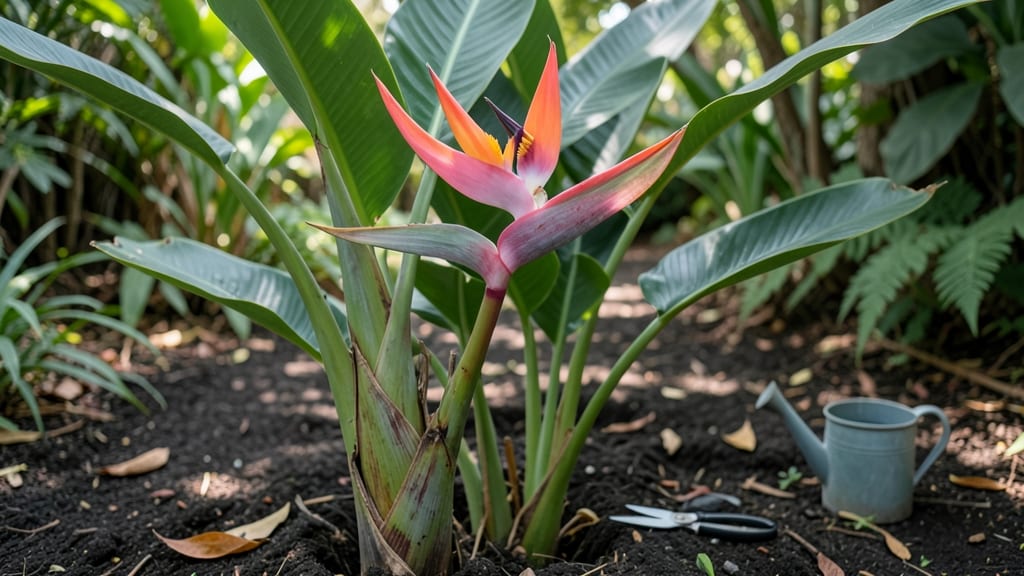
Growing pink banana flowers—those dramatic, waxy blooms that look like they belong in a rainforest—is easier than you think, even in containers. 🌿 I’ve grown them in both ground beds and large pots, and the secret isn’t heat or humidity (though they love it) but matching their tropical roots to the right light and soil.
These aren’t your average houseplants; they’re bold statement-makers that thrive with a little patience and the right conditions.
You’ll need bright, indirect light—think morning sun and afternoon shade—plus a well-draining mix that mimics their native soil. Water consistently but avoid soggy roots, and feed monthly with a balanced fertilizer during growing season.
The payoff? Stunning, long-lasting blooms that can last weeks, even in cooler climates with proper winter care. My first batch took six months to flower, but once they do, they’re impossible to ignore.
Container growing works beautifully if you choose the right-sized pots—at least 15 gallons for mature plants—and use a mix of peat, perlite, and compost. For ground planting, amend heavy soil with organic matter to prevent root rot.
The key to success is consistency: these plants reward reliability with lush foliage and those signature pink, banana-like blooms that turn heads at garden shows.
Whether you’re growing in a greenhouse, a sunny patio, or a frost-free zone, pink banana flowers adapt surprisingly well—just protect them from hard freezes. Troubleshooting yellow leaves or no blooms comes down to light, water, and nutrients, and I’ll walk you through fixing those issues without losing your plants.
Let’s get those tropical blooms thriving!
📚 In This Guide
- What you need
- Instructions
- Tips and common mistakes
- Wrapping up and next steps
What you need
- ● Banana plant (Musa spp.) – Choose a variety like Musa velutina or Musa acuminata (pink-flowering types). Start with a 1-2 year-old plant (3-4 ft tall) from a nursery.
- ● Well-draining potting mix – 5-10 gallons (for containers) or loamy, fertile soil (for in-ground planting). Mix in compost (20-30%) for nutrients.
- ● Container (if potted) – 18-24" diameter pot with drainage holes (or a large fabric grow bag for root expansion).
- ● Slow-release fertilizer – Balanced 10-10-10 or organic options like banana plant fertilizer (apply every 2-3 months).
- ● Mulch – Straw or wood chips (2-3 inches) to retain moisture and regulate soil temp.
- ● Garden trowel or shovel – For planting and soil prep.
- ● Watering can or hose with gentle spray nozzle – Banana plants love deep watering (1-2 gallons per plant, 2-3x/week).
- ● Pruning shears – To trim dead leaves or encourage flowering.
- ○ Sunlight meter or app (optional) – To track 6+ hours of direct sunlight/day (critical for flowering!).
- ○ Support stake or trellis (optional) – If your variety grows tall (6-10 ft), a bamboo stake or wire trellis helps stabilize the plant.
- ○ pH test kit (optional) – Aim for soil pH 5.5-7.0 (slightly acidic to neutral).
- ● Hardiness zones – USDA Zones 10-12 (or grow in containers and bring indoors in winter if in cooler zones).
- ● Temperature – Ideal: 75-90°F (protect from frost below 50°F).
- ● Humidity – 60-80% (mist leaves or use a humidity tray if indoors).
Step-by-Step guide to cultivating pink banana flowers
Here's how to coax these stunning tropical blooms into thriving plants—whether you're working with containers or garden beds.
🌱 Step 1: Select and Prepare the Right Variety
Pink banana flowers (Musa acuminata 'Pink') thrive best from established plants rather than seeds due to their slow germination. Start with a 3-4 year old plant from a reputable tropical nursery, as younger plants rarely flower. Choose a container at least 24 inches deep with drainage holes if growing in pots, or a sheltered garden spot with 6+ hours of morning sun and afternoon shade.
Before planting, soak the root ball for 15-20 minutes to rehydrate any dried roots. This helps the plant establish faster. I always inspect the roots for mushy brown spots—those indicate rot and should be trimmed away with sterilized scissors. Healthy roots are firm and white or light tan.
☀️ Step 2: Plant with Proper Soil and Positioning
Use a well-draining tropical potting mix blended with 20% perlite or orchid bark to prevent compaction. Pink banana flowers hate soggy roots, so amend garden soil with 3 inches of compost and a handful of coarse sand if planting outdoors. The hole should be twice as wide as the root ball but only as deep.
Position the plant so the top of the root ball sits 1 inch below the soil line. This prevents stem rot while allowing the pseudostem to emerge upright. After backfilling, water deeply until moisture runs out the drainage holes. I like to add a 2-3 inch layer of mulch around the base to retain moisture and regulate temperature.
💧 Step 3: Establish a Consistent Watering Routine
Banana flowers need 1-2 inches of water weekly, but the key is keeping soil consistently moist—not soggy. Water deeply 2-3 times per week during the growing season, then reduce to once weekly in winter. Check moisture by sticking your finger 2 inches into the soil—if it feels dry, water again.
I avoid overhead watering after planting to prevent fungal diseases. Instead, I use a soaker hose or water at the base. You'll know your watering is right when the soil surface looks slightly damp but not glistening. Yellowing leaves often signal overwatering, while crispy edges mean underwatering.
✂️ Step 4: Fertilize and Prune for Blooming Success
Feed your pink banana flower with a balanced 10-10-10 fertilizer every 4-6 weeks during spring and summer. Reduce to half-strength in fall and winter. I also mix in 1 tablespoon of banana peel tea monthly—bananas are in the same family and provide potassium for flowering.
Remove any flower stalks that appear before the plant is 3 years old, as they'll drain energy needed for establishment. Once mature, let the first flower stalk develop fully. After blooming, cut the stalk back to the base with clean shears. This encourages new growth and future blooms.
🌿 Step 5: Protect and Overwinter for Repeat Blooms
Pink banana flowers are tender perennials in most climates. Before 50°F temperatures arrive, move container plants to a garage or sheltered porch. Wrap the pot in bubble wrap to insulate roots. For outdoor plants, mulch heavily with 6 inches of straw and cover the pseudostem with burlap if frost is forecasted.
Resume regular care in spring when nighttime temperatures stay above 55°F. You'll often see new shoots emerge from the base—this is a good sign! Watch for aphids or mealybugs, which hide in the leaf sheaths. A spray of neem oil keeps pests at bay without harming the plant.
Tips & tricks for cultivating pink banana flowers
These insider tricks will help you coax vibrant blooms from your tropical plant with minimal fuss—whether you're working with containers or garden beds.
Root Inspection Tip: In Step 1, when you're soaking the root ball for those crucial 15-20 minutes, take an extra minute to examine the roots closely. Look for any brown, mushy areas—these indicate rot and should be trimmed immediately with sterilized scissors. Healthy roots should be firm with a light tan or white color. This simple check prevents future transplant shock and gives your plant the best start.
Soil Mix Secret: For Step 2, don't just grab any potting mix—pink banana flowers demand excellent drainage. I blend my tropical mix with 20% perlite or orchid bark and add a handful of coarse sand to garden soil. This prevents the dreaded soggy roots that can kill these tropical beauties. Pro tip: If you're in a humid climate, increase the perlite to 30% for even better airflow.
Watering Wisdom: The 2-3 times weekly watering guideline in Step 3 is perfect for most climates, but here's what I watch for: After watering, the soil surface should look slightly damp but not glistening. If you see water pooling on top, you're overwatering. For container plants, I use the finger test—stick your finger 2 inches deep and water only when it feels dry. This prevents both underwatering and the root rot that comes from soggy soil.
Fertilizer Timing: When applying your 10-10-10 fertilizer every 4-6 weeks in Step 4, I've found that splitting the dose works wonders. Apply half in early spring and the other half in midsummer. This gives your plant a steady nutrient supply without overwhelming it. And that monthly 1 tablespoon of banana peel tea? I make it by simmering banana peels in water for 20 minutes—it's a natural potassium boost that encourages those stunning pink blooms.
Pro Tips for Pink Banana Flower
- These insider tricks will help you coax vibrant blooms from your tropical plant with minimal fuss—whether you're work...
- Root Inspection Tip: In Step 1, when you're soaking the root ball for those crucial 15-20 minutes, take an extra minu...
- Soil Mix Secret: For Step 2, don't just grab any potting mix—pink banana flowers demand excellent drainage. I blend m...
Frequently asked questions
Got questions about growing or using pink banana flowers? You’re not alone! Here are some of the most common queries—and their answers—to help you navigate your tropical harvest like a pro.
How long does it take for a pink banana flower to bloom?
The timeline depends on your climate and growing conditions, but most Musa velutina (pink banana) plants take 12–24 months to produce their first flower stalk. In warmer zones (USDA 9–11), blooms may appear faster, while cooler regions might see delays. Patience is key—consistent care (like proper watering and fertilizer) speeds up the process!
Can I grow a pink banana flower in a container?
Pink banana flowers thrive in large containers (at least 15–20 gallons) with well-draining soil. Use a mix of potting soil + compost and ensure the pot has drainage holes. Place it in a sunny spot (6+ hours of light daily) and rotate the pot occasionally for even growth. Just remember: container-grown plants may need more frequent watering and occasional repotting as they mature.
Why isn’t my banana flower turning pink?
If your flower stalk is green or yellow instead of pink, it might be due to light deficiency or nutrient imbalances. Pink bananas need full sun (6+ hours/day) for vibrant color. Check your fertilizer too—too much nitrogen can dull the hue. Try a balanced tropical fertilizer (like 10-10-10) and ensure your plant gets plenty of sunlight. If the issue persists, your plant might need a pruning boost to encourage new, colorful growth.
Is the pink banana flower edible, and how do I prepare it?
Yes! The heart (pseudostem) and flower bracts are edible and prized in tropical cuisines. To prepare it, wear gloves (the sap can irritate skin), cut the flower stalk at the base, and peel back the layers to reveal the tender heart. Cook it like asparagus (steamed, stir-fried, or sautéed) or use the bracts in curries. Note: Always cook it thoroughly—raw parts can be tough or bitter.
How do I protect my pink banana flower from frost or cold weather?
Pink banana flowers are tender perennials and can’t handle frost (below 32°F/0°C). If you live in a cooler climate, grow them in containers and move them indoors (or to a greenhouse) before winter. For in-ground plants, mulch heavily around the base and cover with burlap or frost cloth if temps dip. In severe cold, dig up the plant and store it in a cool, dark place until spring.
Wrapping up and next steps
Growing a pink banana flower—whether in containers or in-ground—is a rewarding adventure that brings a splash of tropical beauty to your space.
With the right conditions, patience, and care, you’ll soon enjoy its striking blooms and edible delights. Don’t let challenges deter you! Start small, experiment, and watch your efforts flourish into a lush, vibrant centerpiece.
Ready to take the next step? Plant your first banana flower today and share your progress with fellow plant enthusiasts. Who knows? You might inspire others to cultivate their own slice of paradise! 🌺✨