
Succulent
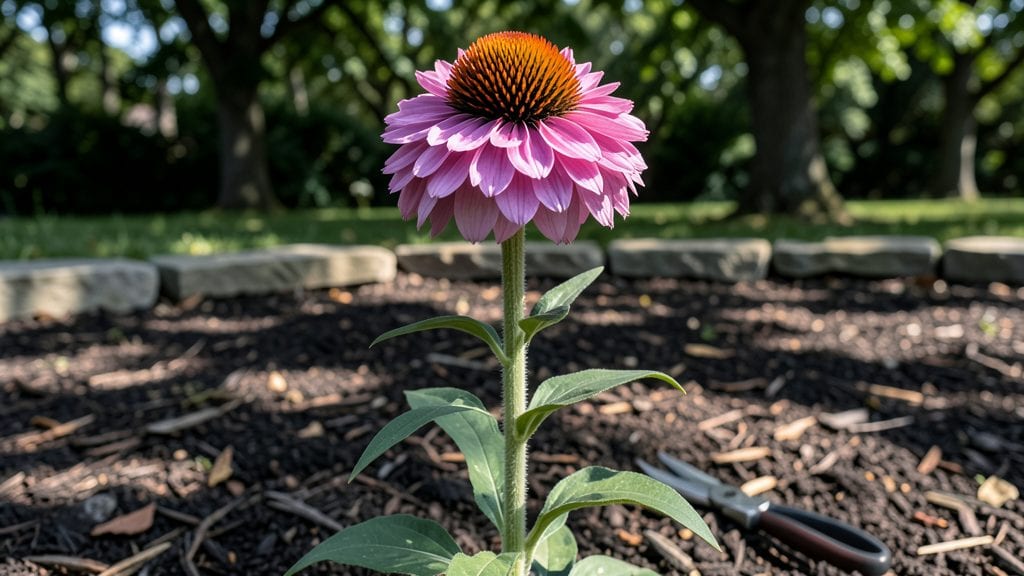
Pink Double Delight coneflower turns my late-summer garden into a pollinator magnet with its layered petals and deep purple centers. 🌸 The secret to those showstopping blooms? Drought-tolerant roots and full sun—this plant practically thrives where others struggle. I’ve grown it for three seasons now, and it’s never failed me, even through dry spells and heatwaves.
You’ll need well-draining soil (mix in compost if yours is heavy) and 6 inches of spacing between plants to give them room to spread. Water deeply once a week after establishment—these plants hate soggy feet but love a good drink when young.
The real magic happens when you let them go dormant in winter; they bounce back stronger than ever.
By midsummer, your garden will buzz with bees and butterflies, all drawn to the double-layered blooms that last for weeks. The flowers even stay fresh when cut for bouquets—my neighbors still ask where I get them every year.
Prune back dead stems in early spring to encourage fresh growth, and you’ll have another season of effortless beauty.
Perfect for borders, cottage gardens, or even containers—just avoid overcrowding. This coneflower is the low-maintenance superstar that makes gardening feel like a breeze. Ready to add some drama to your landscape? Let’s get growing!
📚 In This Guide
- What you need
- Instructions
- Tips and common mistakes
- Wrapping up and next steps
What you need
- ● Pink Double Delight Coneflower Seeds or Plants: 1–2 plants or a packet of seeds (100–200 seeds per packet)
- ● Choose Echinacea purpurea ‘White Swan’ (pink-purple blooms) or a similar cultivar
- ● Well-Draining Soil: 1–2 bags of garden loam (for in-ground planting)
- ● OR 1–2 bags of cactus/succulent mix (for containers, ~50% perlite/sand recommended)
- ● Sunlight Access: Full sun (6+ hours of direct light daily) or partial shade (3–6 hours)
- ● Watering Can or Hose: With a gentle spray nozzle (to avoid disturbing roots)
- ○ Gloves (Optional but Recommended): Lightweight gardening gloves for handling soil/seeds
- ● Planting Tools: Trowel or small shovel (for transplanting)
- ● Garden fork (to aerate soil)
- ● Containers (If Growing in Pots): 1–2 pots (10–12" diameter) with drainage holes
- ● Fertilizer: Balanced 10-10-10 or low-phosphorus fertilizer (sprinkle lightly at planting)
- ● Mulch: Organic mulch (e.g., straw or shredded bark) to retain moisture
- ● Pruning Shears: For deadheading spent blooms (encourages reblooming!)
Step-by-step instructions for planting Pink Double Delight coneflower
Here's how I grow these stunning perennials—drought-resistant, pollinator magnets that reward patience with bold blooms.
🌱 Step 1: Choose the Perfect Planting Spot
Pink Double Delight Coneflowers thrive in full sun (6-8 hours daily) but tolerate partial shade in hot climates. I select sites with well-draining soil—these plants despise soggy roots. The ideal location gets morning sun and afternoon shade if temperatures exceed 85°F.
Test your soil's drainage by digging a 12-inch hole and filling it with water. If it drains within 2 hours, your site is perfect. Amend heavy clay with 2-3 inches of compost mixed into the top 6 inches of soil. I always work compost in during autumn for spring planting—it gives roots a head start.
🌿 Step 2: Plant at the Right Depth and Spacing
Dig holes twice as wide as the root ball but only as deep—planting too deep suffocates the crown. Space plants 18-24 inches apart for full, airy blooms. I use a garden trowel to loosen roots gently if they're circling the container, then place each plant so the top of the root ball sits just below soil level.
Backfill with native soil mixed with 1 cup of compost per plant. Press firmly around the base to eliminate air pockets, then water deeply until moisture reaches 6 inches down. You'll see the soil surface darken as water soaks in—this confirms proper hydration. Mulch with 2 inches of shredded bark to retain moisture and suppress weeds.
☀️ Step 3: Water Strategically for First-Year Establishment
Water newly planted coneflowers twice weekly for the first month, then taper to once weekly once leaves appear. These drought-tolerant perennials need 1 inch of water per week, but overwatering causes root rot. I check soil moisture by pressing a finger 2 inches deep—water when it feels dry.
After establishment (around 6 weeks), reduce watering to every 2 weeks unless your region experiences 90°F+ temperatures. You'll notice healthy plants develop deep green leaves and thick stems—signs they're thriving. Fertilizer isn't needed unless your soil tests poor; these plants prefer lean conditions.
✂️ Step 4: Prune for Long-Term Health and Blooms
Deadhead spent blooms in late summer to encourage a second flush of flowers. I use clean pruners to cut stems back to the first set of healthy leaves. Avoid cutting into old wood—this stimulates new growth from the base. Leave the dried seed heads for winter interest and birdseed, but remove them in early spring before new growth appears.
In early spring, cut back the previous year's stems to 4-6 inches above ground level. This encourages bushier growth and prevents flopping. I always sterilize my pruners with rubbing alcohol between cuts to prevent disease spread. Watch for new shoots emerging from the base—this confirms the plant is ready for another growing season.
🌿 Step 5: Protect and Prepare for Winter
Coneflowers are hardy to USDA Zone 3, but first-year plants benefit from 2-3 inches of mulch in late fall. I use straw or shredded leaves to insulate roots during freeze-thaw cycles. Avoid heavy mulch that can compact and suffocate.
In Zone 4-5, add a lightweight frost blanket over the crown during extreme cold snaps (below 0°F). Remove it in early spring when new growth appears. You'll see fresh green shoots in late April or May—this is your cue to remove winter protection and resume regular care.
Tips & tricks for perfect Pink Double Delight coneflower planting
These pro-level insights will help you cultivate showstopping coneflowers that thrive for years to come.
Sunlight Strategy: The 6-8 hours of full sun requirement is non-negotiable for vibrant blooms, but here's the thing: morning sun with afternoon shade in hot climates (above 85°F) actually extends the bloom season. I've noticed plants in my Zone 6 garden with afternoon shade produce flowers a full two weeks longer than those in full afternoon sun. Position your plants where they'll get the most sunlight during the coolest parts of the day.
Soil Prep Secret: That 2-hour drainage test is your best friend for avoiding soggy roots. If your soil fails the test, mix in 2-3 inches of compost into the top 6 inches—this improves drainage while adding nutrients. For heavy clay soils, I recommend adding 1 part perlite to 3 parts soil mix to create air pockets that prevent waterlogging. The goal is to mimic the well-draining conditions these prairie natives thrive in.
Planting Depth Cue: When planting, the top of the root ball should sit just below soil level—this is critical for preventing crown rot. Here's a visual trick: imagine the root ball as a clock face. The top should be at the 9 o'clock position when placed in the hole. This slight burial helps stabilize the plant while keeping the crown dry. I've lost count of how many plants I've saved by correcting this simple mistake.
Watering Wisdom: The twice-weekly watering for the first month might seem excessive, but it establishes strong root systems that make these plants drought-tolerant. After 6 weeks, when you reduce to every 2 weeks, you'll notice the plants develop thicker stems and deeper green leaves—clear signs they're building resilience. Pro tip: water in the morning to prevent fungal diseases that thrive in evening moisture.
Pro Tips for Pink Double Delight Coneflower
- These pro-level insights will help you cultivate showstopping coneflowers that thrive for years to come.
- Sunlight Strategy: The 6-8 hours of full sun requirement is non-negotiable for vibrant blooms, but here's the thing: morning sun with afternoon shade in hot climates (above 85°F) actually extends the bloom season.
- Soil Prep Secret: That 2-hour drainage test is your best friend for avoiding soggy roots.
Frequently asked questions
Got questions about growing Pink Double Delight coneflower? You’re not alone! Here are some of the most common queries—plus straightforward answers to help you nurture these stunning blooms with confidence.
How much sunlight does Pink Double Delight coneflower need?
These hardy plants thrive in full sun to partial shade (6+ hours of sunlight daily). In hot climates, they appreciate light afternoon shade to prevent wilting. Pro tip: If blooms look sparse, they might need more sun!
When is the best time to plant Pink Double Delight coneflower?
Plant in early spring or early fall for optimal root establishment. Avoid summer heatwaves, which can stress young plants. If transplanting, water deeply for the first 2 weeks to encourage adaptation.
How often should I water Pink Double Delight coneflower?
Once established, these drought-tolerant beauties need minimal watering—about once every 1–2 weeks in dry spells. Overwatering can lead to root rot, so let the soil dry out between waterings. Mulch helps retain moisture!
Can Pink Double Delight coneflower grow in containers?
Yes! Use a well-draining pot (at least 12 inches deep) with succulent/cactus mix. Ensure it has drainage holes, and repot every 2–3 years. Containers dry out faster, so monitor soil moisture closely.
Why aren’t my Pink Double Delight coneflowers blooming?
Common culprits: too much shade, over-fertilizing, or crowded roots. Deadhead spent blooms to encourage reblooming. If the plant looks leggy, prune back by ⅓ in early spring to promote bushier growth.
Wrapping up and next steps
The Pink Double Delight Coneflower isn’t just a stunning addition to your garden—it’s a resilient, low-maintenance superstar that rewards patience with vibrant blooms and wildlife-friendly benefits. Whether you’re a seasoned gardener or just starting, this hardy perennial proves that cool, dry climates don’t have to mean dull landscapes.
Ready to transform your outdoor space? Grab your gloves, pick a sunny spot, and let these cheerful blooms take center stage!
🌱 Next Steps:
- 📅 Plant now! Spring or early fall is ideal—don’t wait for perfect conditions.
- 📸 Document your progress. Snap photos of your Coneflower’s journey from seedling to bloom.
- 💬 Share your success! Tag us or fellow gardeners to inspire others.