Planting
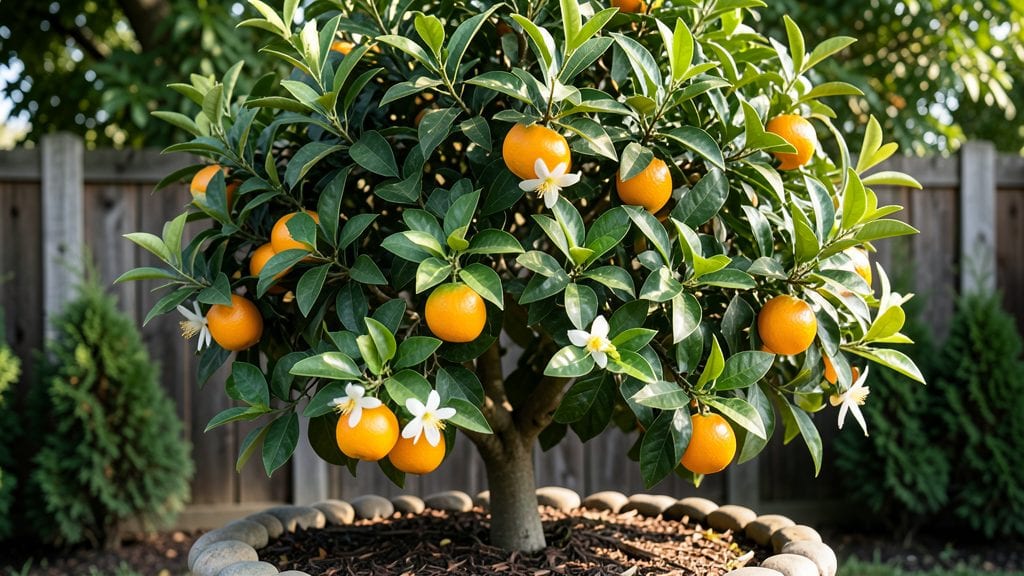
Growing plants with bright orange flowers in containers is one of the easiest ways to add bold color to any space—whether it's a sunny patio, balcony, or even a windowsill. 🌼 I’ve grown marigolds, bougainvillea, and citrus trees in pots, and the secret isn’t complicated: the right mix of sunlight, well-draining soil, and consistent care turns these plants into nonstop bloomers.
The first time I saw my marigolds pop with orange petals just weeks after planting, I was hooked.
You’ll need containers with drainage holes (at least 10 inches deep for most orange-flowering plants), a balanced potting mix, and a sunny spot getting 6-8 hours of light daily. Bougainvillea and citrus trees thrive in containers but need slightly larger pots and occasional fertilizer boosts.
The payoff? Fragrant blooms that last from spring through fall with minimal effort—no digging, no weeding, just pure color.
Watering is where most people trip up: let the top inch of soil dry out between waterings, but never let the roots sit in soggy soil. A morning watering routine keeps roots healthy and blooms vibrant.
Prune spent flowers regularly to encourage more blooms, and watch as your container garden becomes the neighborhood’s brightest spot. The best part? These plants repel pests naturally, so you skip the chemicals.
Whether you’re growing marigolds for their pest-fighting power, bougainvillea for its cascading blooms, or citrus trees for edible fruit, containers make it possible. Start with one plant, master the care routine, and soon you’ll be overflowing with orange flowers—and maybe even a few extra lemons.
Let’s get those pots planted!
📚 In This Guide
- What you need
- Instructions
- Tips and common mistakes
- Wrapping up and next steps
What you need
- ● Orange flower plant: A healthy nursery-grown sapling (check for vibrant leaves and no pests). Pro tip: Choose a variety like Murraya paniculata (orange jasmine) or Citrus aurantium (bitter orange) for fragrant blooms!
- ○ Container (if potted): A 5–7 gallon pot with drainage holes (terracotta or fabric pots work best). Optional: Add a saucer to catch excess water.
- ● Well-draining potting mix: A blend of 60% potting soil, 20% perlite, and 20% compost. Why? Orange flowers hate soggy roots!
- ● Gravel or pebbles: 1–2 inches for the pot’s bottom layer (improves drainage).
- ● Slow-release fertilizer: Balanced 10-10-10 or citrus-specific granules (follow package rates).
- ● Pruning shears: Sharp, clean shears for trimming (sterilize with rubbing alcohol).
- ● Watering can or hose: With a gentle spray nozzle (avoid overwatering!).
- ● Sunlight gauge: A sun calculator app or timer to track 6+ hours of sunlight daily.
- ● Climate zone: USDA Zones 9–11 (or indoors with grow lights in cooler zones). Cold-hardy tip: Move pots indoors if temps drop below 20°F (-6°C)!
- ● Sunlight: Full sun (6+ hours/day). Partial shade? Place near a south-facing window or use a grow light.
- ○ Water access: A drip irrigation system (optional but helpful for consistent moisture).
- ● Patience: Orange flowers may take 2–3 years to bloom fully—stay consistent!
- ● Epsom salt (1 tbsp/month) for magnesium boosts.
- ● Mulch (2 inches) to retain moisture (use bark or straw).
- ● Humidity tray (for indoor pots in dry climates).
- ● Pest control: Neem oil or insecticidal soap (prevents aphids/spider mites).
- ● Trellis or stake (if growing Citrus aurantium—it can get bushy!).
Step-by-step instructions for cultivating fragrant orange-blooming plants
Here’s my foolproof method for growing vibrant orange flowers in containers—fragrant, healthy, and ready to bloom.
🌱 Step 1: Select the Right Orange-Blooming Variety for Containers
Not all orange flowers thrive in pots, so choose compact varieties like Mexican Orange Blossom (Choisya ternata), Orange Jasmine (Murraya paniculata), or Orange Tree (Citrus × aurantium). These stay manageable in 15-20 gallon containers and produce stunning blooms. Avoid large shrubs like Orange Tree unless you’re using a 30+ gallon pot—their roots outgrow small spaces quickly.
If starting from seeds, use orange blossom seeds (available from specialty nurseries) and expect 1-2 years for flowering. For faster results, buy 1-2 gallon container-grown plants from a local nursery. Check the root ball—it should be dense but not root-bound, with no circling roots. If roots are tightly packed, gently tease them apart before planting.
🪴 Step 2: Prepare the Container and Soil for Optimal Drainage
Use a 15-20 gallon container with drainage holes—orange-blooming plants hate soggy roots. If your pot lacks holes, drill them yourself using a 1/4-inch bit. Line the bottom with 2-3 inches of gravel or broken pottery to prevent clogging while allowing excess water to escape.
Fill the pot with a mix of 60% high-quality potting soil, 30% perlite or pumice, and 10% compost. This blend ensures aeration and drainage while retaining enough moisture for deep roots. Avoid garden soil—it compacts in containers and suffocates roots. Tap the pot gently to settle the soil, then water it thoroughly until water runs freely from the drainage holes.
☀️ Step 3: Plant and Position for Maximum Sunlight
Dig a hole in the soil twice as wide as the root ball but no deeper. Place the plant in, ensuring the top of the root ball sits 1 inch below the pot’s rim—this prevents erosion and gives you room to water without overflow. Fill the hole with soil, pressing lightly to remove air pockets but not compacting too tightly.
Orange-blooming plants crave full sun (6-8 hours daily). Position your container in a south- or west-facing spot where it gets unfiltered light. If you’re in a hot climate, provide afternoon shade to prevent leaf scorch. Watch for yellowing leaves—this signals either too much sun or underwatering. Adjust accordingly by moving the plant or increasing watering frequency.
💧 Step 4: Water and Fertilize for Continuous Blooms
Water deeply once a week during the growing season, allowing the top 2-3 inches of soil to dry out between waterings. Stick your finger in the soil—if it feels dry, it’s time to water. Overwatering is the #1 killer of container-grown orange bloomers, so always check before adding more moisture. In summer, you may need to water every 4-5 days, depending on heat and humidity.
Feed your plant every 4-6 weeks with a balanced, water-soluble fertilizer (10-10-10 or 20-20-20) diluted to half strength. This encourages lush foliage and abundant blooms. Stop fertilizing in late summer to allow the plant to prepare for dormancy. If you notice leaf drop or sparse blooms, it’s a sign of over- or under-fertilizing—adjust your schedule accordingly.
✂️ Step 5: Prune and Maintain for Long-Term Health
Prune your orange-blooming plant in early spring to shape it and encourage bushier growth. Cut back 1/3 of the oldest stems to the nearest leaf node, and remove any dead, diseased, or crossing branches. This promotes airflow and reduces the risk of fungal issues. After flowering, trim back spent blooms to just above a set of leaves—this redirects energy into new growth rather than seed production.
Rotate your container a quarter turn weekly so the plant grows evenly toward the light. If you notice leggy growth or pale leaves, it’s a sign the plant isn’t getting enough light—move it closer to a sunny window or supplement with a grow light. In winter, reduce watering to every 2-3 weeks and move the plant to a cooler spot if possible, mimicking its natural dormancy period.
Tips & tricks for cultivating fragrant orange-blooming plants
Here's what I learned after years of growing these aromatic beauties—tricks that make all the difference between a struggling plant and one that bursts with vibrant orange blooms.
Variety Matters: When selecting your plant, don't just grab any orange-blooming variety. Mexican Orange Blossom (Choisya ternata) and Orange Jasmine (Murraya paniculata) are my top picks for containers—they're compact enough for 15-20 gallon pots and produce the most intense fragrance. If you're going with Orange Tree (Citrus × aurantium), you'll need that 30+ gallon pot to accommodate its root system, or it'll become root-bound quickly.
Root Health is Everything: Before planting, always check the root ball for circling roots—a common issue with nursery plants. Gently tease them apart with your fingers to encourage outward growth. This simple step prevents root-bound stress that can stunt your plant's growth and reduce flowering. I've seen plants double in size within months after this adjustment!
Soil Science: That 60-30-10 soil blend (potting soil/perlite/compost) isn't just arbitrary—it's about balance. The perlite creates air pockets that prevent soggy roots, while the compost provides essential nutrients without compacting. Pro tip: After filling your container, tap it gently on the counter to settle the soil, then water thoroughly until it drains completely. This prevents air pockets that can suffocate roots.
Light Management: Those crucial 6-8 hours of sunlight aren't just about quantity—they're about quality. If you're in a hot climate, don't just move your plant to shade during peak afternoon sun. Instead, provide filtered shade or move it to an east-facing window where it gets gentle morning light. This prevents leaf scorch while still giving your plant the light it craves for photosynthesis and flowering.
Pro Tips for Plant Orange Flower
- Here's what I learned after years of growing these aromatic beauties—tricks that make all the difference between a struggling plant and one that bursts with vibrant orange blooms.
- Variety Matters: When selecting your plant, don't just grab any orange-blooming variety.
- Root Health is Everything: Before planting, always check the root ball for circling roots—a common issue with nursery plants.
Frequently asked questions
Got questions about growing plant orange flower? You’re not alone! Here are answers to the most common queries—whether you're a beginner or a seasoned gardener looking to troubleshoot.
What’s the best time of year to plant orange flower plants?
For most Osmanthus fragrans (orange flower) varieties, late spring or early summer is ideal—after the last frost but before scorching summer heat. If you’re in a mild climate (like zones 7-10), fall planting works too! Just ensure the soil is warm enough to encourage root growth. Pro tip: Container-grown plants can be planted year-round in warm regions.
How long does it take for orange flowers to bloom?
Patience is key! Young orange flower plants may take 2-3 years to produce their first fragrant blooms, depending on care and growing conditions. Once established, they’ll reward you with heavy, sweet-smelling flowers in late spring or fall. Boost blooms: Prune lightly after flowering and fertilize with a balanced, low-nitrogen mix in early spring.
Can I grow orange flower plants in containers, and what size pot do I need?
These plants thrive in containers, even on patios or balconies. Use a pot at least 12-18 inches wide and deep with drainage holes. Smaller pots may stunt growth, while larger ones (20+ inches) give roots room to spread. Container tip: Mix well-draining soil with compost and repot every 2-3 years to refresh nutrients.
Why aren’t my orange flower plants blooming, and how do I fix it?
Common culprits include over-fertilizing (too much nitrogen), poor sunlight, or stress from transplant shock. To encourage blooms:
- Ensure 6+ hours of sunlight daily (they love partial shade but need light to flower).
- Use a low-phosphorus fertilizer (like 5-10-10) in early spring.
- Prune dead or crowded branches to improve airflow.
What are some fragrant alternatives to orange flower plants?
If orange flowers aren’t your style, try these fragrant, container-friendly picks:
- Jasmine (Jasminum): Night-blooming, intensely sweet, and perfect for trellises.
- Gardenia (Gardenia jasminoides): Creamy white blooms with a tropical scent (loves humidity!).
- Lavender (Lavandula): Drought-tolerant and calming—great for pollinators too.
- Sweet Olive (Osmanthus × burkwoodii): A hardier cousin with silvery foliage and tiny, fragrant flowers.
Wrapping up and next steps
Growing plant orange flower—like the fragrant Murraya paniculata—is a rewarding journey that brings vibrant color and sweet scents to your space, even in containers! With the right care, patience, and a sunny spot, you’ll soon enjoy their lush blooms and citrusy charm.
Whether you’re a beginner or a seasoned gardener, these resilient plants are perfect for adding a tropical touch to patios, balconies, or indoor gardens.
Ready to take the next step? Start by selecting healthy cuttings or young plants, then nurture them with love—and maybe a little extra sunshine. Your fragrant orange blossoms await! 🌸