
Shrubs
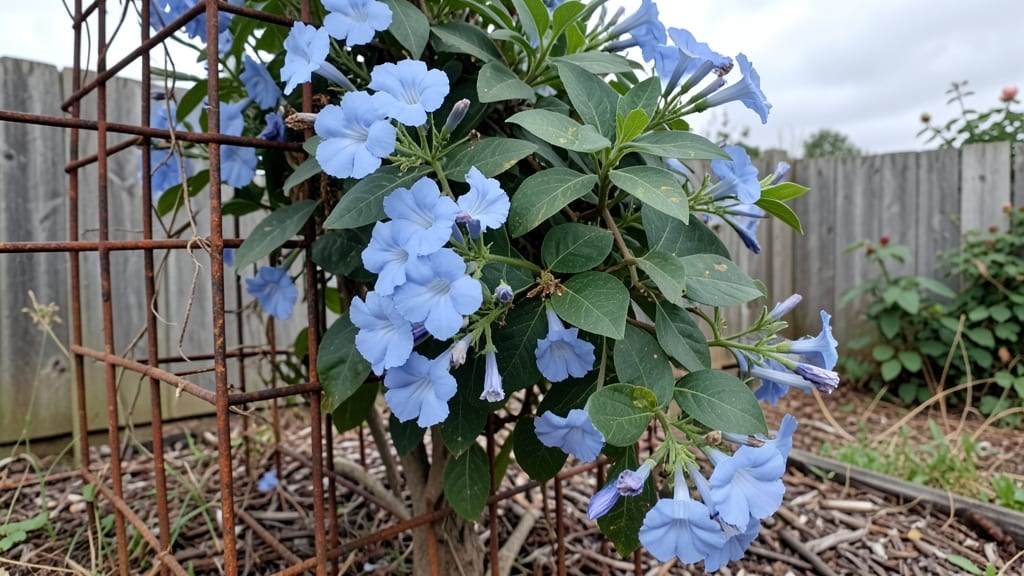
The flowering plumbago Imperial Blue shrub is my secret weapon for effortless color—its sky-blue cascades thrive on neglect and turn even the dullest Pacific Northwest space into a dreamy, drought-proof oasis. blooms reliably from spring to frost with almost no fuss.
The key? Planting it in well-draining soil, giving it full sun, and letting it drink deeply but infrequently.
Most gardeners underestimate how forgiving this shrub is—it handles poor soil, coastal winds, and even occasional dry spells like a champ. Just avoid soggy roots, and you’ll get a plant that’s as low-maintenance as it is stunning.
I’ve seen mine rebound from pruning mistakes and still produce flowers, proving it’s the perfect choice for busy gardeners or those with rocky, sandy soil.
By midsummer, your Plumbago will be a vibrant blue waterfall, attracting bees and hummingbirds while staying compact enough for small spaces. The secret to keeping it lush? A light trim after blooming to shape it, and you’re done. No deadheading, no fuss—just endless color. Let’s get yours growing!
Whether you’re lining a path, filling a basket, or training it up a fence, this shrub adapts beautifully. Even in cooler PNW summers, it thrives where other plants wilt. Ready to add some effortless elegance to your garden? Here’s how to make it happen.
📚 In This Guide
- What you need
- Instructions
- Tips and common mistakes
- Wrapping up and next steps
What you need
- ● Plumbago imperialis plants: 1–3 nursery-grown shrubs (3–4 ft tall, established roots preferred) or seeds (if starting from scratch).
- ● Well-draining potting mix: 5–10 gallons (for containers) or amended garden soil (sandy loam + compost).
- ● Organic fertilizer: Balanced 10-10-10 or slow-release granular (1 lb per shrub).
- ● Mulch: 2–3 inches of wood chips or gravel (to retain moisture and suppress weeds).
- ● Drip irrigation or soaker hose: For consistent watering (especially during establishment).
- ● Garden trowel or spade: For digging holes (12–18 inches wide/deep).
- ● Pruning shears: Sharp, sterilized (for shaping and deadheading).
- ● Gloves & knee pads: Comfort is key—this shrub’s thorns are playful but persistent!
- ○ pH testing kit (optional): Ideal soil pH: 6.0–7.0 (adjust with lime or sulfur if needed).
- ○ Container (optional): 15–20 gallon pot with drainage holes (for urban gardens or patios).
- ● Sunlight: Full sun (6+ hours/day) or light shade (morning sun + afternoon shade in hotter microclimates).
- ● Hardiness zone: USDA Zones 8–11 (use a greenhouse or overwinter indoors in colder PNW areas).
- ● Water source: Access to regular watering (drought-tolerant once established, but needs consistent moisture for 6–12 months).
Step-by-Step guide to planting and caring for Plumbago Imperial Blue
Here's how to establish this drought-tolerant beauty in your Pacific Northwest garden.
Choose the Perfect Planting Location
Plumbago Imperial Blue thrives in full sun to partial shade, making it ideal for Pacific Northwest gardens where afternoon shade helps prevent leaf scorch. Select a spot with at least 6 hours of direct sunlight daily, though it tolerates 4-5 hours in hotter microclimates. The shrub's deep root system makes it perfect for slopes or areas with poor drainage—just avoid waterlogged spots where roots can suffocate.
I always check the site's afternoon sun exposure by observing how neighboring plants perform over a week. If nearby shrubs show signs of stress (yellowing leaves or stunted growth), it's likely too harsh for Plumbago. A west-facing location often works best—enough sun without the intense midday heat of south exposures.
Prepare the Soil for Optimal Growth
This drought-tolerant shrub prefers well-draining soil with a slightly alkaline pH between 6.5-7.5. Amend heavy clay soils with 3-4 inches of compost or organic matter mixed into the top 12 inches of soil. For sandy soils, incorporate 2-3 inches of peat moss or coconut coir to improve moisture retention without compacting.
Dig a hole twice as wide as the root ball but only as deep. The top of the root ball should sit 1 inch above ground level—this prevents water from pooling around the stem. I always loosen the roots slightly if they're circling before placing the plant in the hole, which encourages outward growth rather than root-bound stress.
Plant and Establish Proper Watering Routines
Place the Plumbago in the prepared hole and backfill with native soil mixed with a handful of bone meal for phosphorus. Water deeply immediately after planting to settle the soil and eliminate air pockets. The first 2-3 weeks are critical—water every other day until new growth appears. After that, reduce to once weekly, allowing the top 2 inches of soil to dry out between waterings.
Mulch with 2-3 inches of wood chips or gravel to conserve moisture and suppress weeds. I avoid organic mulches like straw near the base, as they can retain too much moisture and invite fungal issues. Pacific Northwest's cool, damp springs mean we often water less than expected—always check soil moisture before watering.
Prune for Shape and Encourage Blooming
Prune Plumbago Imperial Blue in early spring before new growth begins. Cut back one-third of the oldest stems to encourage fresh, vigorous growth. Remove any dead, diseased, or crossing branches to improve airflow. I never prune in fall, as the plant needs its foliage to store energy for winter.
Light shearing after flowering helps maintain shape and promotes bushier growth. Never remove more than 25% of the plant's foliage in one session—this shrub recovers well but responds best to gradual shaping. The Pacific Northwest's mild winters mean you can prune later than in colder climates, but avoid heavy cuts after mid-August to prevent tender new growth from forming before frost.
Maintain Year-Round for Long-Term Health
Fertilize lightly in early spring with a balanced 10-10-10 fertilizer applied at half-strength. Plumbago thrives on neglect but responds well to a single feeding. Avoid high-nitrogen fertilizers, which encourage leafy growth at the expense of flowers. I always water the soil thoroughly before applying fertilizer to prevent root burn.
Monitor for common Pacific Northwest pests like aphids or spider mites. A strong blast of water usually removes aphids, while neem oil controls mites. The shrub's drought tolerance means it rarely suffers from fungal diseases, but powdery mildew can occur in shaded, humid conditions. Improve airflow by pruning nearby plants and avoid overhead watering to prevent this issue.
Tips & tricks for perfect Plumbago Imperial Blue planting and care
These practical insights will help you establish a thriving Plumbago Imperial Blue that blooms beautifully in your Pacific Northwest garden.
Sun Exposure Strategy: In Step 1, when evaluating sunlight, pay special attention to afternoon sun intensity. While the shrub needs at least 6 hours of sunlight, the Pacific Northwest's afternoon sun can be particularly harsh. I've found that a west-facing location provides the perfect balance—enough sunlight for vibrant blooms without the extreme heat of south exposures. If your garden has limited sun options, prioritize the morning sun hours and supplement with afternoon shade.
Soil Preparation Secret: For Step 2's soil amendments, focus on creating that ideal slightly alkaline environment. If you're unsure about your soil's pH, test it before amending. I've seen gardeners overcorrect by adding too much lime, which can actually harm the plant. For clay soils, mix in the 3-4 inches of compost only into the top 12 inches—this prevents compaction deeper in the soil profile while improving drainage at the root zone where it matters most.
Watering Wisdom: The critical 2-3 week watering routine in Step 3 is where many gardeners go wrong. Instead of sticking to a rigid schedule, check soil moisture by sticking your finger 2 inches down. The Pacific Northwest's unpredictable spring weather means you might need to water every other day or even daily during rainy periods. Once established, the shrub's drought tolerance becomes apparent—it's better to underwater slightly than overwater, which can lead to root rot.
Pruning Precision: When you're ready for Step 4's pruning, remember that less is often more with Plumbago. The goal is to encourage new growth, not create a hedge. I typically cut back one-third of the oldest stems first, then assess the plant's shape. For shaping after flowering, use sharp pruning shears and make clean cuts just above a leaf node. Avoid cutting into old wood, which won't regrow—always leave some green growth to maintain the plant's health.
Pro Tips for Plumbago Imperial Blue Flowering Shrub
- These practical insights will help you establish a thriving Plumbago Imperial Blue that blooms beautifully in your Pacific Northwest garden.
- Sun Exposure Strategy: In Step 1, when evaluating sunlight, pay special attention to afternoon sun intensity.
- Soil Preparation Secret: For Step 2's soil amendments, focus on creating that ideal slightly alkaline environment.
Frequently asked questions
How fast does Plumbago imperial blue grow, and when will it flower?
The Plumbago imperial blue grows at a moderate pace—about 12 inches per year under ideal conditions. With proper care, it typically reaches 3–6 feet tall and wide within 2–3 years. Flowers usually appear in late spring to early summer, with sporadic blooms into fall if deadheaded regularly. Pro tip: Prune lightly after flowering to encourage bushier growth and more blooms next season!
Is Plumbago imperial blue frost-tolerant? Can it survive PNW winters?
This shrub is semi-evergreen and can handle brief frost down to 20–25°F, but prolonged cold or heavy snow may damage foliage. In the Pacific Northwest, it thrives best in USDA Zones 8–11. For colder areas (Zone 7 or below), plant it in a sheltered spot or use mulch to protect roots. Watch for: Brown leaves in winter—this is normal and won’t harm the plant!
How often should I water Plumbago imperial blue, especially during PNW droughts?
Once established (after 1–2 years), this drought-tolerant shrub needs minimal watering—about once every 2–3 weeks during dry spells. Water deeply but infrequently to encourage strong root growth. In summer heatwaves, check soil moisture; if the top 1–2 inches are dry, give it a drink. Avoid: Overwatering, which can lead to root rot—this shrub prefers well-draining soil!
What are some low-maintenance alternatives to Plumbago imperial blue for PNW gardens?
If you love the Plumbago’s blue blooms and drought tolerance but want other options, consider these PNW-friendly shrubs:
- Ceanothus ("California Lilac") – Thrives in dry soil, attracts pollinators, and blooms in shades of blue/purple.
- Lavender (e.g., Lavandula angustifolia) – Drought-resistant, fragrant, and loves full sun.
- Cotoneaster (e.g., Cotoneaster dammeri) – Evergreen, handles frost, and has red berries for winter interest.
- Salvia ("Pineapple Sage" or Salvia greggii) – Heat-tolerant, blooms in pink/purple, and attracts hummingbirds.
Why aren’t my Plumbago flowers opening, or are they falling off?
If your Plumbago buds aren’t opening or flowers drop early, check these common issues:
- Too much shade – Needs 6+ hours of sun for best blooms.
- Overwatering or poor drainage – Roots need air and dry spells.
- Nutrient deficiency – Feed with a balanced fertilizer in early spring.
- Pests (e.g., aphids, spider mites) – Spray with neem oil if you spot tiny bugs.
Wrapping up and next steps
The Plumbago Imperial Blue isn’t just a shrub—it’s a statement for your Pacific Northwest garden, blending resilience with breathtaking beauty. 🌿 With its drought tolerance, vibrant blooms, and easy-care nature, it’s the perfect choice for adding color and charm while keeping maintenance simple. Ready to transform your outdoor space?
Take the next step: sketch your garden layout, gather your supplies, and plant your first Imperial Blue shrub this season! Whether you’re a seasoned gardener or just starting, this shrub makes it easy to grow stunning results.