Flowers
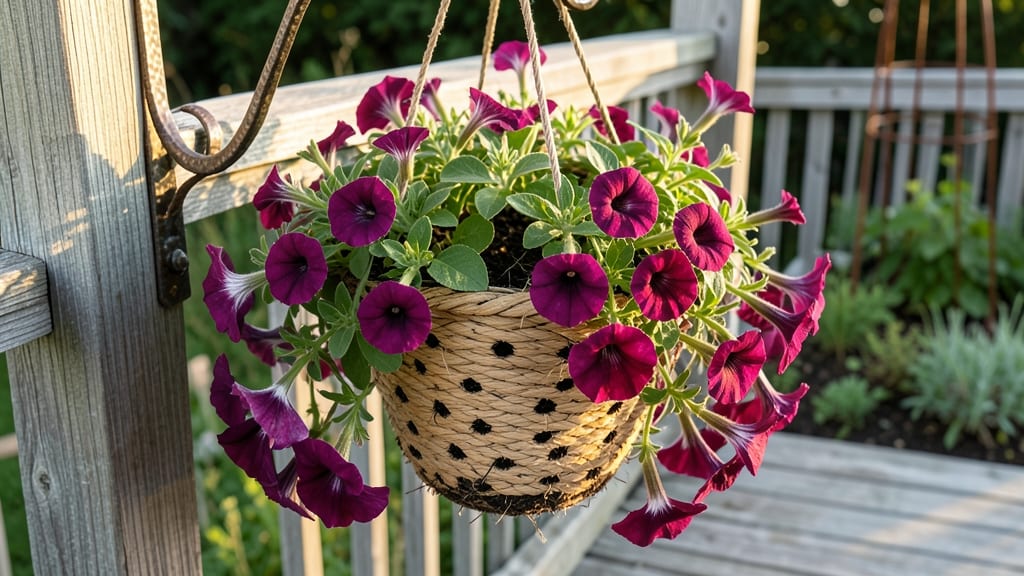
Your porch flower baskets can turn into a nonstop summer showpiece—just like the cascading petunias I grew last year that had neighbors stopping to take photos.
The secret isn’t complicated: it’s about choosing the right mix of trailing blooms, sturdy foliage, and a container that won’t sag under the weight of growth. I’ve designed baskets that stayed vibrant for three full months without wilting, even in the hottest afternoons.
Start with a 14-inch hanging basket and a well-draining potting mix designed for containers. For effortless color, mix two trailing flowers—like sweet potato vine or lobelia—with a filler plant (like impatiens or ferns) and a thriller (like dusty miller or caladiums).
The key is spacing: pack plants tightly at first so they fill in fast, and water every morning for the first week to help roots establish. This setup needs minimal fuss—just a weekly feed with liquid fertilizer once blooms appear.
Imagine this: velvety petals spilling over the edges, the scent of jasmine drifting up as you sip your morning coffee, and a display that stays lush even when you’re busy.
My baskets attract hummingbirds within days, and the trailing vines create a living curtain that shades your porch from the midday sun. The best part? Swap out plants in late summer for mums or pansies to extend the show until frost.
Works for any porch style—rustic galvanized metal, sleek modern planters, or even repurposed colanders for a whimsical touch. The same principles apply whether you’re hanging under a covered porch or battling full sun.
Let’s make your porch the envy of the block with baskets that bloom like clockwork—no green thumb required.
📚 In This Guide
- What you need
- Instructions
- Tips and common mistakes
- Wrapping up and next steps
What you need
- ● Porch flower baskets: 2-4 baskets (10"-14" diameter, with drainage holes). Pro tip: Choose lightweight, rust-resistant materials like woven plastic or metal.
- ● Potting soil: 1-2 bags of high-quality, well-draining hanging basket mix (avoid garden soil—it compacts!). Look for labels with "moisture control" or "orchid mix" for extra airflow.
- ● Slow-release fertilizer: 1-2 packets of time-release granules (12-14 month) or liquid fertilizer (20-20-20 ratio). 💡 Mix granules into the soil for steady nutrition!
- ● Hanging hardware: 2-4 porch hooks (adjustable, 3"-6" long) or ceiling mounts (for overhead installation).
- ● 4-8 zip ties or heavy-duty wire (for securing baskets to hooks).
- ● Drainage layer: Pebbles, perlite, or coconut coir (1-2 cups per basket). ✨ Prevents root rot by improving airflow!
- ● Trailing plants (for cascading effect): 1-2 petunias (spiller variety, 6-12 plants per basket).
- ● 1-2 nasturtiums or lobelia (for vibrant color).
- ● 1 fuchsia or begonia (for lush foliage).
- ● Filler plants (for volume): 3-5 geraniums or impatiens (compact varieties).
- ● 1 calibrachoa (mini petunia lookalike, drought-tolerant).
- ○ Optional add-ons: Decorative basket liners (for easy soil cleanup).
- ● Watering globes or drip irrigation (for low-maintenance hydration).
- ● Shears or scissors (for trimming dead blooms).
- ● A sunny or partially shaded porch (6+ hours of sunlight for most flowers). 🌡️ Adjust plant choices for shadier spots!
- ● Basic gardening gloves (to protect hands from soil and thorns).
- ● Access to a water source (hose or watering can with a long spout).
Step-by-Step instructions for creating porch flower baskets
Transform your porch into a vibrant oasis with these sturdy, long-blooming hanging gardens.
Select and Prepare the Baskets
Choose pre-formed, sturdy plastic or coconut fiber baskets with at least 10-12 inches in diameter—they hold more soil and plants, ensuring better water retention and root growth. I prefer plastic because it lasts years and won’t decompose, but coconut fiber baskets add a rustic charm and allow better airflow to roots. Rinse any new baskets thoroughly with water to remove manufacturing residues that could harm plants.
Drill two evenly spaced drainage holes in the bottom of each basket if they don’t already have them. These prevent root rot by allowing excess water to escape. Place the baskets in a stable location while working—you’ll want to move them less once planted. For a 4-basket setup, position them evenly along your porch railing, spacing them 12-18 inches apart to create a balanced visual flow.
Layer the Soil and Moisture-Retention Materials
Line the bottom of each basket with a 1-inch layer of moisture-retention granules—these are essential for preventing soil from drying out too quickly in hanging positions. Next, add a 2-inch layer of high-quality potting mix designed for containers. Avoid garden soil; it compacts easily and drains too slowly, leading to root suffocation. Gently press down the soil to remove air pockets but don’t compact it too firmly—roots need space to expand.
For longer bloom times, I mix in a slow-release fertilizer (about 1 tablespoon per basket) into the top 2 inches of soil. This ensures a steady supply of nutrients without the risk of burning tender new roots. Water the soil lightly until it’s evenly moist but not soggy—this helps settle the mix and prepares it for planting.
Plant a Thriving Flower Combination
For nonstop blooms, plant a mix of trailing plants (like petunias or lobelia) for cascading beauty and upright flowers (like geraniums or verbena) for height and structure. Start by placing 3-4 trailing plants around the edges of the basket, spacing them 3-4 inches apart. Their roots will spread outward, creating a lush, full look. Then, add 2-3 upright plants in the center—these will grow taller and fill the middle of the basket as the trailing plants spill over the sides.
Press the soil gently around each plant to secure it without burying stems too deeply. Water immediately after planting to help the soil settle and eliminate air gaps. Place the baskets in partial shade for the first 24 hours to reduce transplant shock. This gives the roots time to adjust before they’re exposed to full sun.
Position for Optimal Sunlight and Watering
Move the baskets to a location with at least 6 hours of direct sunlight daily—most flowering plants thrive with morning sun and afternoon shade to prevent wilting. If your porch gets intense afternoon sun, rotate the baskets a quarter turn every few days so all sides receive even light exposure. This prevents uneven growth and ensures blooms stay vibrant.
Water the baskets deeply every morning, soaking the soil until water runs out the drainage holes. In hot, dry weather, you may need to water twice daily—once in the morning and again in the late afternoon. Check the soil moisture by sticking your finger 1 inch deep; if it feels dry, it’s time to water. Overwatering is just as harmful as underwatering, so always let the top layer dry slightly between waterings.
Maintain for Continuous Blooms
Deadhead spent blooms weekly to encourage new flowers and prevent the plants from putting energy into seed production. Pinch off faded flowers with your fingers or use small pruning shears—this keeps the plants bushy and promotes longer bloom cycles. Fertilize every 2-3 weeks with a balanced liquid fertilizer (like 10-10-10) to replenish nutrients lost through blooming and watering.
By mid-summer, you may notice leggy growth or sparse blooms—a sign the plants need a little rejuvenation. Trim back one-third of the leggiest stems to encourage compact, bushier growth. This also stimulates fresh foliage and more flowers. With consistent care, your porch flower baskets will stay lush and blooming until the first frost, giving you a stunning display all season long.
Tips & tricks for perfect porch flower baskets
These practical tips will help you create hanging gardens that burst with color and thrive all summer long.
Basket Selection Matters: When choosing between plastic and coconut fiber baskets, consider your climate. Plastic baskets retain moisture better in hot, dry conditions, while coconut fiber allows more airflow—ideal for humid areas. I've found that plastic baskets last 3-4 seasons with proper care, while coconut fiber typically needs replacing after 1-2 years. For a rustic look, opt for the fiber baskets, but if longevity is your priority, plastic is the clear winner.
Soil Layering Technique: The 1-inch layer of moisture-retention granules in Step 2 is non-negotiable for hanging baskets—they prevent soil from drying out too quickly. Pro tip: Mix a handful of perlite into your potting soil for additional aeration. This creates tiny air pockets that help roots breathe while maintaining moisture. I've seen baskets without proper drainage materials dry out completely within 24 hours on hot days.
Plant Placement Strategy: For that perfect cascading effect, arrange your trailing plants slightly higher than the upright varieties when planting. This creates the illusion of more height and volume as they grow. When placing 3-4 trailing plants around the edges, stagger their positions so they don't all grow in the same direction—this creates a fuller, more natural look. Think of it like arranging a living curtain rather than just placing plants randomly.
Watering Wisdom: The deep morning watering routine in Step 4 is crucial, but timing matters too. Water when the soil is still cool from the night air—this prevents evaporation and helps water penetrate deeper. I've found that watering between 6-8am gives plants a full day to absorb moisture before afternoon heat sets in. For extra insurance against evaporation, water from the bottom by placing baskets in a shallow tray of water for 10 minutes before your regular watering.
Pro Tips for Porch Flower Baskets
- These practical tips will help you create hanging gardens that burst with color and thrive all summer long.
- Basket Selection Matters: When choosing between plastic and coconut fiber baskets, consider your climate.
- Soil Layering Technique: The 1-inch layer of moisture-retention granules in Step 2 is non-negotiable for hanging baskets—they prevent soil from drying out too quickly.
Frequently asked questions
Got questions about porch flower baskets?
You’re not alone! Here are answers to the most common queries to help you create a stunning, low-maintenance hanging garden that thrives all season.
What’s the best time of year to plant porch flower baskets?
Plant your baskets after the last frost in spring (usually late April to early June, depending on your zone). This ensures tender plants aren’t shocked by cold snaps. For a head start, pre-plant annuals indoors 4–6 weeks before the frost date. Pro tip: If you’re in a warm climate, you can plant in early fall for a winter display!
How often should I water porch flower baskets?
Water baskets daily during hot, dry weather—they dry out faster than in-ground plants. Check the soil moisture by sticking your finger 1–2 inches deep; if it’s dry, water thoroughly until it drains from the bottom. Morning watering is best to reduce evaporation. Add mulch (like coconut coir) to retain moisture and prevent soil compaction.
Can I reuse last year’s soil in my flower baskets?
Not ideal! Old soil loses nutrients and may harbor pests or diseases. Instead, refresh with a lightweight potting mix designed for containers (look for blends labeled “hanging baskets” or “annuals”). Mix in slow-release fertilizer or compost for a nutrient boost. Pro tip: Sterilize old pots with a 10% bleach solution if reusing them!
How do I keep pests like aphids or spider mites out of my baskets?
Prevent pests with neem oil or insecticidal soap applied weekly as a preventive spray. Encourage beneficial insects (like ladybugs) by planting companion flowers like marigolds or basil. If you spot pests, isolate the basket, rinse off insects with water, and treat with organic sprays. Early action is key—don’t wait for an infestation!
What are some low-maintenance porch flower basket alternatives?
If you want easy-care options, try:
- Succulents (e.g., sedum, echeveria): Drought-tolerant and thrive with minimal water.
- Herbs (e.g., thyme, oregano, rosemary): Fragrant, pest-resistant, and edible!
- Trailing petunias or calibrachoa: Bloom nonstop with basic care.
- Air plants (tillandsias): Need no soil—just mist occasionally.
For color without fuss, opt for pre-mixed “thug” plants (like Lantana or Zinnia) that self-clean and spread easily.
Wrapping up and next steps
Transforming your porch with porch flower baskets is a rewarding way to bring color, life, and charm to your outdoor space! Whether you’re a seasoned gardener or just starting out, these hanging gardens offer endless creativity and seasonal beauty.
Now that you’re armed with the best materials, tips, and answers to common questions, it’s time to get your hands dirty—literally! 🌸
Ready to take the next step? Start by picking your favorite blooms, gathering your supplies, and hanging those baskets with confidence. Watch as your porch becomes a vibrant, fragrant oasis that neighbors will envy. Happy gardening! 🌿✨