
Container Gardens
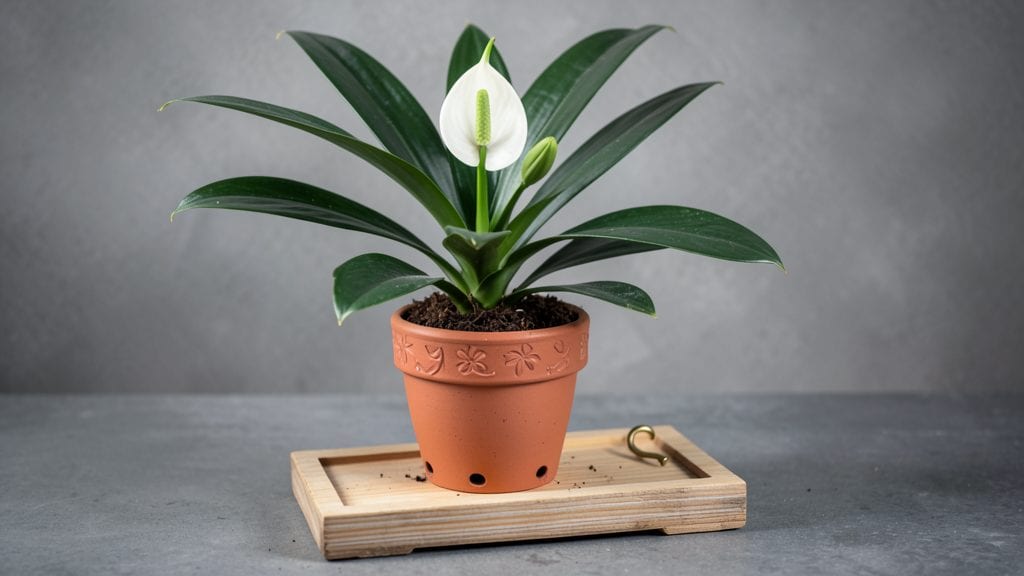
Growing potted indoor flowers that stay vibrant all year isn’t just possible—it’s easier than you’d think. I’ve spent years perfecting a foolproof system for blooms that thrive without fuss, using plants that forgive mistakes and containers that fit any space.
The key? Matching the right flowers to your light, watering only when needed, and skipping the guesswork with simple care routines.
My go-to varieties include spider plants, African violets, and peace lilies—each chosen for their resilience and ability to bloom indoors. You’ll need well-draining potting mix, containers with drainage holes, and a bright spot (even artificial light works).
Watering once a week, or when the top inch of soil feels dry, keeps roots happy without drowning them. A balanced fertilizer every 6-8 weeks ensures those blooms keep coming, season after season.
What you’ll end up with is a collection of lush, fragrant potted flowers that brighten your space without demanding your time. The leaves stay glossy, the blooms stay vibrant, and you’ll never again wonder why your last indoor plant met an early demise.
This method works for apartments, offices, or sunrooms—anywhere with a little light and a windowsill.
We’ll cover everything from selecting the toughest varieties to troubleshooting common issues like yellow leaves or pests. No green thumb required—just follow along, and you’ll have a thriving indoor garden that’s actually enjoyable to maintain. Let’s get those pots blooming!
📚 In This Guide
- What you need
- Instructions
- Tips and common mistakes
- Wrapping up and next steps
What you need
- ● 1-3 potted indoor flowers (choose low-maintenance varieties like snake plants, pothos, peace lilies, or African violets)
- ● Containers with drainage holes (size depends on plant type; 6-12 inches in diameter works for most)
- ● High-quality potting mix (1-2 bags, well-draining and enriched with organic matter)
- ● Watering can or spray bottle (for gentle hydration)
- ● Small hand trowel or spoon (for repotting or adjusting soil)
- ○ Fertilizer (optional but helpful) (balanced liquid fertilizer or slow-release granules)
- ○ Gloves (optional) (to keep hands clean while handling soil or thorny plants)
- ● Self-watering planters (for busy plant parents who love set-it-and-forget-it care)
- ● Decorative pebbles or moss (to enhance drainage and aesthetics)
- ● Grow lights (LED or fluorescent) (if your space lacks natural sunlight)
- ● Humidity tray or pebble tray (for tropical plants that love moisture in the air)
- ● Plant labels or markers (to keep track of your green babies!)
How to grow thriving potted indoor flowers
Let's create a lush indoor garden with flowers that bloom reliably—no green thumb required.
Select the Right Containers and Drainage
Start with pots that have drainage holes—this is non-negotiable for indoor flowers. I recommend terracotta or ceramic containers because they breathe and prevent root rot. Each pot should be at least 6 inches deep to accommodate root growth and hold 1-2 gallons of soil for proper stability. If your chosen pot lacks holes, drill them yourself using a ¼-inch bit. Place a piece of mesh or broken pottery over each hole to keep soil in place while allowing excess water to escape.
Choose pots that match your flower's mature size. A 12-inch pot works well for medium-sized blooms like geraniums or impatiens, while smaller flowers like African violets thrive in 5-inch pots. Overpotting leads to soil staying too wet, while underpotting restricts growth. The key is balance—enough room for roots to spread but not so much that moisture lingers.
Prepare the Soil and Plant
Fill the pot with a well-draining potting mix designed for indoor plants. Avoid garden soil—it compacts and suffocates roots. Mix in a slow-release fertilizer or compost at a rate of 1 tablespoon per gallon of soil to provide nutrients over time. Press the soil down gently to remove air pockets, but don’t pack it too tightly. This ensures roots can easily penetrate and access moisture.
When planting, dig a hole slightly deeper than the flower’s root ball. Gently remove the plant from its nursery pot and place it in the hole, ensuring the top of the root ball sits ½ inch below the pot’s rim. This prevents soil from washing over the roots during watering. Fill the hole with soil and press lightly around the base to secure the plant. Water thoroughly until water runs out the drainage holes—this settles the soil and eliminates air gaps.
Position for Optimal Light
Most indoor flowers need 4-6 hours of bright, indirect light daily. Place your pots near a south- or west-facing window, where light is strongest without direct sunburn. If your space lacks natural light, supplement with a grow light positioned 12-18 inches above the plants. Keep the light on for 12-14 hours daily to mimic natural daylight cycles. You’ll notice leaves stretching toward the light if they’re not getting enough—this is a clear sign to adjust placement or increase light exposure.
Avoid placing pots in drafty areas or near heating vents. Temperature swings and dry air stress flowers, causing buds to drop before opening. Ideal conditions keep indoor temperatures between 65-75°F and humidity around 40-50%. If your home runs dry, place a tray of water with pebbles near the plants to add moisture to the air without soaking the soil.
Water and Maintain Consistency
Water when the top inch of soil feels dry to the touch. Stick your finger 1 inch deep into the soil—if it’s dry, it’s time to water. Use room-temperature water and pour slowly until it drains from the bottom. Discard any water that collects in the saucer after 15 minutes to prevent root rot. Overwatering is the fastest way to kill indoor flowers, so always err on the side of underwatering. Yellowing leaves or wilting stems are red flags to cut back on watering immediately.
Feed your flowers every 4-6 weeks during the growing season (spring and summer) with a balanced liquid fertilizer diluted to half strength. Follow the package instructions carefully—over-fertilizing burns roots and causes leaf damage. In fall and winter, reduce feeding to every 8-12 weeks as growth slows. Deadhead spent blooms by pinching or snipping them off at the base. This encourages new flowers to form and keeps your plants looking tidy.
Monitor and Adjust for Longevity
Check your flowers weekly for pests like spider mites or aphids. These tiny invaders thrive in dry indoor air and can defoliate plants quickly. Wipe leaves with a damp cloth or spray with neem oil if you spot any. Rotate pots ¼ turn weekly so all sides receive even light, preventing lopsided growth. If you notice leaves turning yellow or dropping, it’s often a sign of overwatering or poor drainage. Adjust your care routine accordingly—less water and better drainage solve 90% of indoor flower problems.
Repot every 1-2 years or when roots circle the pot’s bottom. Choose a container 2 inches larger in diameter and refresh the soil with a new potting mix. This rejuvenates the plant and prevents nutrient depletion. With consistent light, water, and care, your indoor flowers will reward you with vibrant blooms for months. The secret? Pay attention to the plant’s signals—it’ll tell you exactly what it needs.
Tips & tricks for perfect potted indoor blooms
Here's how to transform your indoor flowers from struggling survivors to thriving showstoppers—without the guesswork.
Drainage is Everything: When selecting pots in Step 1, don't just check for holes—test them! Fill with water and let it drain completely. If water pools at the bottom, your mesh covering isn't working properly. I've seen plants drown in pots that looked like they had drainage. For extra insurance, use cache pots with saucers that collect excess water but still allow airflow to the roots below.
Light Matters More Than You Think: In Step 3, those 4-6 hours of light aren't just about quantity—they're about quality. South-facing windows provide the best natural light, but if that's not an option, supplement with a grow light. Position it 12-18 inches above your plants and keep it on for 12-14 hours daily. You'll know you're doing it right when your plants grow toward the light instead of stretching away from it—this is called etiolation, and it's a clear sign they're light-deprived.
Watering Wisdom: The 1-inch dry soil test in Step 4 is your golden rule, but there's a trick to it: use your finger to check moisture at the same time every day. Morning is ideal because plants typically use more water during daylight hours. And here's a pro move—water thoroughly until it drains from the bottom, then empty the saucer after 15 minutes. This prevents root rot while ensuring your plants get what they need without drowning.
Seasonal Care Adjustments: The 4-6 week feeding schedule works great for spring and summer, but winter care needs tweaking. During colder months, reduce watering to every 2-3 weeks and stop fertilizing entirely. Many indoor flowers go dormant in winter, and overwatering or feeding can actually harm them. Watch for signs like wilting or yellowing leaves—they're telling you to back off on the care routine.
Pro Tips for Potted Indoor Flowers
- Here's how to transform your indoor flowers from struggling survivors to thriving showstoppers—without the guesswork.
- Drainage is Everything: When selecting pots in Step 1, don't just check for holes—test them!
- Light Matters More Than You Think: In Step 3, those 4-6 hours of light aren't just about quantity—they're about quality.
Frequently asked questions
Got questions about keeping your potted indoor flowers happy and blooming? You’re not alone! Here are answers to the most common queries—so you can enjoy lush greenery without the guesswork.
How often should I water potted indoor flowers?
Watering depends on the plant, but a general rule is to check the top inch of soil—if it’s dry, it’s time! Most indoor flowers prefer moderate moisture (not soggy). Overwatering is the #1 killer, so let excess water drain, and avoid soggy saucers. Pro tip: Use a moisture meter or stick your finger in the soil for a quick check!
Can I keep potted indoor flowers in low-light areas?
Some flowers thrive in low light (like ZZ plants or snake plants), but most need bright, indirect light to bloom. If your space is dim, rotate pots weekly for even exposure or supplement with a grow light. Watch for leggy growth—this is a red flag for insufficient light!
How do I know if my potted flowers need repotting?
Root-bound plants show signs like roots circling the pot’s edge, slow growth, or soil drying out too fast. If you see roots poking through drainage holes or your flower’s leaves yellow despite good care, it’s time to upgrade! Choose a pot 1–2 inches wider and refresh the soil for a fresh start.
What should I do if my potted indoor flowers get pests?
Start with neem oil or insecticidal soap for mild infestations (like spider mites or aphids). Isolate the plant to prevent spreading, and wipe leaves with a damp cloth. For stubborn pests, try horticultural oil or introduce beneficial insects like ladybugs. Prevent future issues by keeping your space dust-free and avoiding overwatering!
Are there low-maintenance indoor flowers for beginners?
Try peace lilies (tolerate low light), pothos (nearly indestructible), or African violets (colorful and forgiving). Even succulents (like jade plants) are great for forgetful waterers. Start with one that matches your light conditions and care style—no green thumb required!
Wrapping up and next steps
Bringing life and color indoors with potted indoor flowers is easier than you think! 🌿 With the right zero-fuss care—like choosing the perfect soil, providing gentle light, and keeping watering simple—you’ll enjoy thriving blooms year-round.
Whether you’re a beginner or a seasoned plant parent, these tips make it effortless to create a vibrant, green sanctuary.
Ready to transform your space? Start by picking one low-maintenance plant from our guide, then watch it grow with confidence! 🌸 Next, explore creative ways to style your pots or even expand your indoor garden—one bloom at a time.