
Flowers
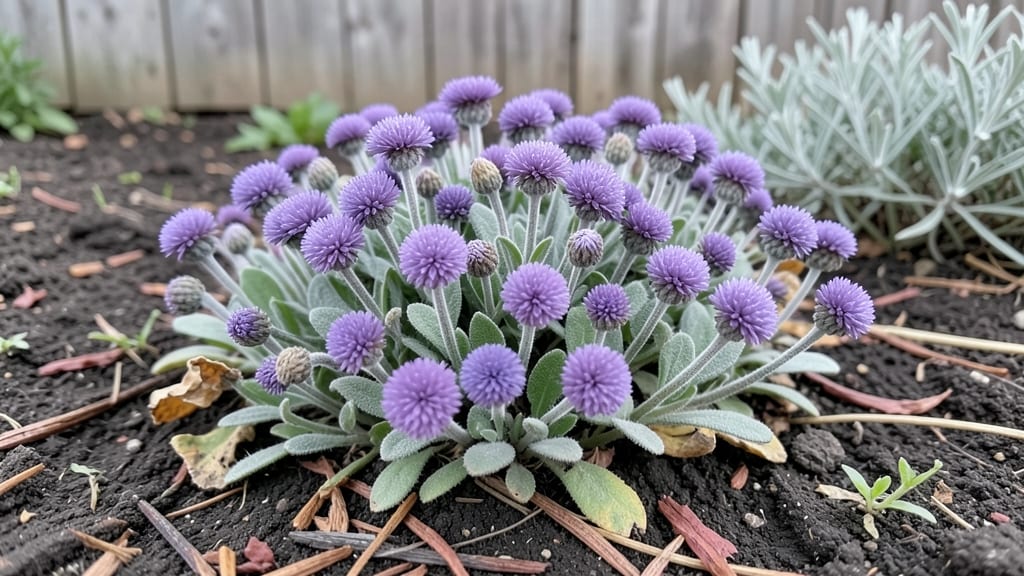
The purple candytuft flower brings frost-proof charm to Pacific Northwest gardens with its velvety clusters and resilient nature. ✨ I fell in love with it after seeing how it thrived through our damp winters—still blooming when other perennials had given up.
Its silvery foliage and lavender-pink flowers make it a standout in borders or as an edging plant that needs almost no fuss.
This low-maintenance perennial thrives in well-draining soil and full sun to partial shade, making it perfect for rocky slopes or coastal gardens where moisture lingers. Plant it in early spring or fall when temperatures are mild, spacing plants about 12 inches apart for that lush, cascading effect.
Water lightly after planting, then let nature take over—it’s surprisingly drought-tolerant once established.
By late spring, you’ll see those frost-resistant blooms appearing, drawing bees and butterflies while staying pest-free. Prune back spent flowers in early summer to encourage more blooms, and watch it spread gently over time. The best part? It handles our rainy winters like a champ, coming back stronger every year.
Whether you’re lining a path, filling a rocky crevice, or adding texture to a border, purple candytuft delivers color and resilience with minimal effort. Let’s get yours planted—it’s the kind of plant that rewards patience with effortless beauty.
📚 In This Guide
- What you need
- Instructions
- Tips and common mistakes
- Wrapping up and next steps
What you need
- ● Purple candytuft plants: 3–5 nursery-grown plants (6-inch pots) or seeds (if starting from scratch). Choose Iberis sempervirens for its classic purple blooms.
- ● Well-draining soil: Mix 60% native soil with 40% perlite or coarse sand (critical for preventing root rot!). Aim for a pH of 6.0–7.5.
- ● Compost or organic fertilizer: 1–2 cups of aged compost or a balanced 10-10-10 fertilizer per plant (sprinkle lightly at planting time).
- ● Mulch: 1–2 inches of gravel or pine bark (keeps roots cool and conserves moisture).
- ● Garden trowel or spade: For digging holes (6 inches deep and wide for each plant).
- ● Watering can or hose with a gentle spray nozzle: Avoid disturbing soil when watering.
- ● Gloves and knee pads: Protect your hands and knees during planting!
- ○ Pruning shears: Optional but handy for trimming spent blooms or shaping plants.
- ● Sunlight: Full sun (6+ hours daily) for optimal blooms. Partial shade (4–6 hours) works in hotter PNW summers.
- ● Hardiness zone: Purple candytuft thrives in zones 3–9 (perfect for the PNW’s mild winters!).
- ● Watering schedule: Water deeply 1–2 times per week (adjust for rain). Drought-tolerant once established!
- ● Spacing: Plant 12–18 inches apart to allow airflow and prevent disease.
Step-by-Step instructions for planting purple candytuft in Pacific Northwest gardens
Here's how I establish vibrant purple candytuft that thrives through our region's wet winters and mild summers.
🌱 Step 1: Select and Prepare Planting Sites
Purple candytuft (Iberis sempervirens) thrives in full sun to partial shade, making it perfect for Pacific Northwest gardens where afternoon shade helps prevent leaf scorch. Choose sites with well-draining soil—this plant despises soggy roots. I always test drainage by digging a 6-inch hole, filling it with water, and checking if it drains within 30 minutes. If not, amend with 2-3 inches of coarse sand or gravel.
This perennial spreads slowly but forms dense mats over time. Space plants 12-18 inches apart in rows 18-24 inches apart to allow for air circulation and easy maintenance. In shady spots, reduce spacing to 10-12 inches since growth will be more compact. I mark planting locations with stakes to avoid overcrowding—trust me, you'll thank me when pruning becomes easier.
🪴 Step 2: Plant Bare-Root or Container-Grown Plants
For bare-root plants, soak roots in lukewarm water for 10-15 minutes before planting to revive them. Dig holes slightly deeper than the root ball but no wider—this encourages vertical root growth. Gently loosen roots if they're circling the container. For container-grown plants, remove them carefully, preserving the root ball's integrity.
Place each plant in its hole, ensuring the top of the root ball sits ½ inch below soil level. This prevents crown rot from winter moisture. Backfill with native soil mixed with 1 cup of compost per plant—this gives them a gentle nutrient boost without overwhelming them. Press soil firmly around the base to eliminate air pockets, then water deeply until moisture reaches 6 inches down.
☀️ Step 3: Establish Mulch and Watering Routine
Apply 2-3 inches of organic mulch (like shredded bark or straw) around each plant, keeping it 2 inches away from stems to prevent rot. This conserves moisture and regulates soil temperature—critical in our region's fluctuating spring weather. Water 2-3 times per week for the first month, keeping soil evenly moist but not soggy. You'll know it's right when the top 1 inch of soil feels damp but not wet.
After the first month, reduce watering to once weekly unless we experience hot, dry spells (which happen more often than you'd expect in the PNW). Purple candytuft is drought-tolerant once established, but young plants need consistent moisture to develop strong root systems. I always water in the early morning to reduce evaporation and fungal risks.
✂️ Step 4: Prune for Bushier Growth and Seasonal Bloom
Prune immediately after flowering (typically late spring to early summer) by cutting back one-third of the plant's height with clean, sharp shears. This encourages a second flush of blooms later in the season and prevents leggy growth. I always sterilize my shears with rubbing alcohol between cuts to prevent disease spread—this is non-negotiable in humid climates.
In late summer or early fall, give plants a light trim to remove any dead or yellowing foliage. This keeps them tidy and prepares them for winter. Purple candytuft is frost-hardy to USDA Zone 5, so no winter protection is needed in the Pacific Northwest. The key is to avoid heavy pruning in fall—this can stimulate new growth that won't harden off before winter.
🌿 Step 5: Divide and Maintain for Long-Term Health
Every 3-4 years, divide mature clumps in early spring or fall to rejuvenate plants. Dig up the entire plant, separate it into sections with 3-5 stems each, and replant immediately. This prevents overcrowding and keeps blooms abundant. I always divide on a cool, overcast day to reduce transplant shock—hot sun stresses newly divided plants.
Fertilize lightly in early spring with a balanced 10-10-10 fertilizer applied at half strength. Purple candytuft doesn't need much—too much nitrogen promotes leafy growth at the expense of flowers. I also monitor for aphids or whiteflies, common pests in our region. A strong spray of water usually removes them, but severe infestations may require neem oil treatment.
Tips & tricks for perfect purple candytuft planting
These insider tricks will help you cultivate thriving purple candytuft that blooms beautifully year after year in our challenging Pacific Northwest climate.
Drainage Test: That 30-minute drainage test in Step 1 is non-negotiable—purple candytuft roots rot faster than you'd think in our wet winters. If your soil fails the test, mix in 2-3 inches of coarse sand or perlite rather than just gravel. The goal is to create a sponge-like environment that drains quickly but still holds moisture. I've seen plants saved by this simple adjustment after just one soggy season.
Spacing Strategy: The 12-18 inch spacing in Step 1 might seem generous, but trust me—it's worth it. Tight spacing leads to crowded plants with fewer blooms and increased disease risk from poor air circulation. In particularly shady spots, you can reduce to 10-12 inches, but mark these locations clearly so you remember during pruning. I use colored stakes to distinguish between sun and shade plantings.
Root Revival Technique: For bare-root plants, that 10-15 minute soak in lukewarm water in Step 2 is your secret weapon. Cold water shocks the roots, while hot water can damage them. I always use water that's warm enough to feel comfortable to your wrist but not scalding. After soaking, gently shake off excess water before planting—this prevents waterlogging that can cause root rot.
Pruning Precision: When you cut back one-third of the plant's height in Step 4, aim for clean cuts just above leaf nodes. This encourages bushier growth and more blooms. I use sterilized pruning shears and make cuts at a 45-degree angle to prevent water from pooling on the stems. For large clumps, I work in sections to avoid over-stressing the plant—never prune more than one-third at a time.
Pro Tips for Purple Candytuft Flower
- These insider tricks will help you cultivate thriving purple candytuft that blooms beautifully year after year in our challenging Pacific Northwest climate.
- Drainage Test: That 30-minute drainage test in Step 1 is non-negotiable—purple candytuft roots rot faster than you'd think in our wet winters.
- Spacing Strategy: The 12-18 inch spacing in Step 1 might seem generous, but trust me—it's worth it.
Frequently asked questions
Got questions about growing purple candytuft? You’re not alone! Here are some of the most common queries—plus quick, practical answers to help you nurture these charming perennials with confidence.
How fast does purple candytuft grow?
Purple candytuft (Iberis sempervirens) is a moderate grower. Expect 6–12 inches of height in its first year, with full maturity (12–18 inches tall) by year two or three. It spreads slowly via rhizomes, so spacing plants 12–18 inches apart prevents overcrowding. Patience pays off—these tough beauties reward you with long-lasting blooms!
Is purple candytuft truly frost-resistant?
This Pacific Northwest favorite thrives in USDA Zones 3–8 and handles light frost without flinching. While it may temporarily lose leaves in harsh winters, it rebounds vigorously in spring. For extra protection, mulch around the base with 2–3 inches of shredded bark—but avoid smothering the crown.
When is the best time to plant purple candytuft?
Plant in early spring (March–April) or fall (September–October) for optimal root establishment. Spring planting gives roots time to settle before summer heat, while fall planting (6–8 weeks before frost) allows growth before winter dormancy. Avoid planting in mid-summer’s heat—stress increases transplant shock.
What if my purple candytuft isn’t blooming?
No flowers? Don’t panic! Common culprits include:
- Overcrowding: Thin plants to 12–18 inches apart for better airflow and light.
- Poor soil: Amend with compost or bone meal (high in phosphorus) to encourage blooms.
- Deadheading delay: Snip spent flowers to prompt more blooms.
- Shady spot: Relocate to full sun (6+ hours/day)—this sun-worshipper needs it!
Are there purple candytuft alternatives for pollinators?
If you love candytuft’s pollinator appeal but want variety, try these Pacific Northwest-friendly alternatives:
Flower
Color
Height
Bloom Time
Dianthus ‘Firewitch’
Magenta-pink
12–18"
Spring–fall
Arabis ‘Rosenschale’
Soft pink
6–12"
Spring–early summer
Thrift (Armeria maritima)
Purple-blue
6–12"
Spring–summer
Wrapping up and next steps
The purple candytuft flower is a stunning, low-maintenance perennial that thrives in the Pacific Northwest’s climate—adding charm, texture, and pollinator-friendly beauty to your garden.
With its frost-resistant nature and easy-care requirements, it’s the perfect choice for both beginners and seasoned gardeners. Ready to transform your garden? Grab your gloves, pick a sunny spot, and start planting—your future blooms will thank you!
🌱 Next Steps:
- Check your soil pH and amend if needed (aim for 6.0–7.0).
- Order seeds or young plants from a trusted nursery.
- Mark your calendar for spring planting (March–May)!