
Flowers
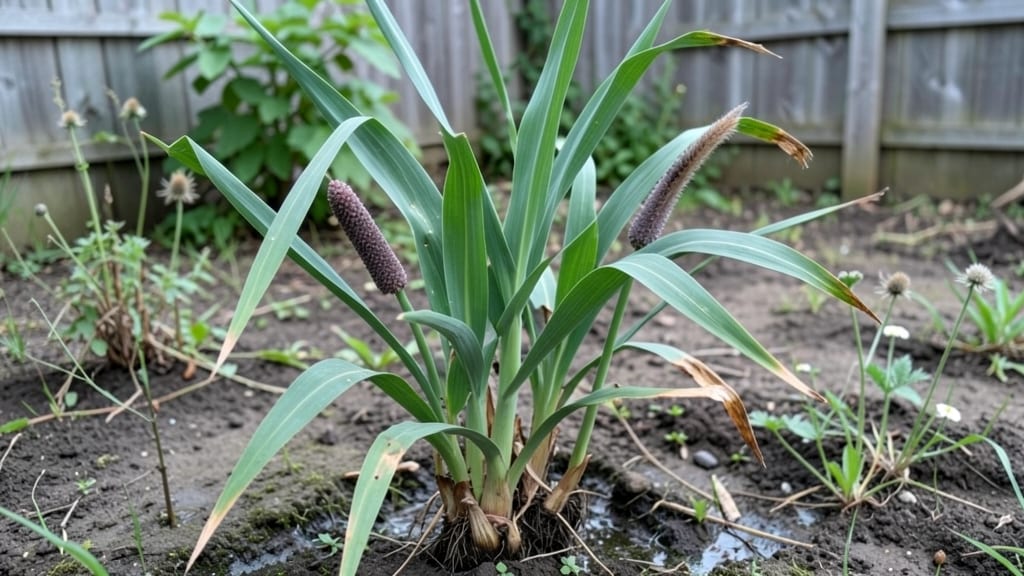
The purple cattail flower isn’t just striking—it’s a showstopper that turns any water garden into a living work of art. 🌿 I’ve used these velvety plumes to anchor my rain garden, and they pair perfectly with deep purples like coneflowers or the soft blues of iris.
The contrast is magnetic, especially when backlit by golden afternoon sun.
These cattails thrive where others falter—boggy soil, shallow water, or even a container with their feet wet. They’re low-maintenance yet high-impact, making them ideal for naturalistic landscapes or modern containers. Pair them with sedges or rushes for texture, and suddenly your garden feels like a secret wetland retreat.
Beyond beauty, they’re edible—you can steep the young shoots for tea or use the blooms as garnishes. The deep purple hue adds drama to any dish, and the texture is delicate enough to complement salads or cocktails.
Imagine a summer dinner where the centerpiece is a vase of these blooms, their color echoing the plates below.
Whether you’re designing a full wetland garden or just a striking container, purple cattails bring effortless elegance. They’re the perfect bridge between wild and refined, and once you see them in person, you’ll wonder how you ever lived without them.
📚 In This Guide
- What you need
- Instructions
- Tips and common mistakes
- Wrapping up and next steps
What you need
- ● Purple cattail flowers: Foraged from wild, pesticide-free areas (ensure proper identification—Typha latifolia or Typha angustifolia varieties are safe) OR cultivated from seeds or rhizomes (see notes below).
- ● Clean water: Filtered or distilled water for rinsing (2–3 gallons).
- ● Cutting tools: Sharp kitchen shears OR a clean chef’s knife (for harvesting).
- ● Pruning shears (if cutting from stems in the wild).
- ● Colander or fine-mesh strainer: For rinsing flowers thoroughly.
- ● Paper towels or clean kitchen towel: To pat flowers dry.
- ● Air-tight container: Glass jar or food-grade plastic (for storage).
- ○ Mortar and pestle (optional but recommended): For crushing flowers into tea or garnishes.
- ● Fine-mesh sieve: For straining tea or separating petals for garnishes.
- ○ Food processor (optional): For blending flowers into powders or syrups.
- ● Small saucepan: For making infused oils, teas, or syrups.
- ● Measuring spoons: For precise quantities in recipes (e.g., 1 tsp dried flowers per cup of water).
- ● Cattail seeds or rhizomes: Available from specialty nurseries or online seed banks.
- ● Sunny location: Full sun (6+ hours daily) near a water source (ponds, marshes, or wet soil).
- ● Well-draining, moist soil: Sandy loam or clay with consistent water access.
- ● Patience: Cattails take 1–2 years to mature and produce edible flowers!
- ● ✨ Always forage responsibly: Avoid areas near roads, farms, or industrial sites to prevent contamination.
- ● 💡 Test for edibility: Start with a small amount to check for allergies or sensitivities.
- ● 🌡️ Harvest at peak: Collect flowers when fully open but before they turn brown (late spring to early summer).
- ● 🎯 Store properly: Keep dried flowers in a cool, dark place for up to 6 months in an airtight container.
How to grow and harvest purple cattail flowers for edible uses
Here's the straightforward method I use to cultivate these striking blooms—perfect for teas, garnishes, and decorative dishes.
🌱 Step 1: Select the Right Location and Prepare the Soil
Purple cattails thrive in wet, marshy conditions—think streams, ponds, or even a shallow container filled with 6-12 inches of water. Choose a spot with full sun (at least 6-8 hours daily) and rich, organic soil if growing in moist ground. I always test the water depth first—too deep, and the roots suffocate; too shallow, and the plant won’t establish properly.
If planting in a container, use a 10-15 gallon pot with drainage holes and fill it with a mix of equal parts potting soil and compost. Add a 2-inch layer of sand or gravel at the bottom to prevent root rot. Purple cattails love nutrients, so I top-dress with a balanced, water-soluble fertilizer (10-10-10) every 4-6 weeks during the growing season.
☀️ Step 2: Plant and Maintain Water Levels
Plant bare-root cattail rhizomes in early spring when soil temperatures reach 50°F or warmer. Bury them 2-3 inches deep in the soil or just below the waterline if growing in a pond. Space plants 12-18 inches apart—they spread aggressively, so contain them if needed. Keep the water level consistent (never let it drop below the rhizomes) to encourage strong growth.
Watch for new shoots emerging within 2-3 weeks. These will develop into tall, slender stems (up to 8 feet) topped with the iconic purple-brown flower spikes. If growing in containers, refill water as needed—evaporation can drop levels quickly in hot weather. Mulch around the base with 2-3 inches of organic mulch to retain moisture and suppress weeds.
✂️ Step 3: Harvest at Peak Edibility and Preserve for Use
Harvest young flower buds (before they open) for the best flavor and texture. Look for tight, purple-tinged spikes—these are perfect for steeping in tea or using as culinary garnishes. Cut stems with clean pruners, leaving at least 6 inches of growth to allow the plant to regenerate. Harvest in morning hours when moisture levels are highest for fresher blooms.
To dry for later use, tie small bundles of harvested spikes and hang them upside down in a well-ventilated, dark space for 1-2 weeks. Once fully dried, store in an airtight container away from light. For immediate use, rinse gently under cold water to remove dirt, then pat dry with a clean kitchen towel. Avoid washing with soap—it leaves residue that affects flavor.
🌿 Step 4: Encourage Regrowth and Seasonal Care
After harvesting, fertilize lightly with a low-nitrogen, high-potassium formula (like 5-10-10) to support recovery. Purple cattails are perennial, so they’ll return year after year if winter care is right. In cold climates, mulch heavily with straw or leaves to protect rhizomes from freezing. In containers, move pots to a garage or unheated shed if temperatures drop below 20°F.
Prune dead or damaged foliage in early spring to make room for new growth. If your cattails spread too aggressively, divide rhizomes every 2-3 years to control growth. I do this in late winter—dig up clumps, separate into 3-4 inch sections, and replant. This keeps plants healthy and prevents overcrowding.
Tips & tricks for perfect purple cattail flower cultivation
Here's what I've learned from growing these stunning edible blooms—tricks that'll help you avoid common pitfalls and get the most from your cattails.
The Location Factor: Purple cattails need that 6-8 hours of full sun daily—don't compromise on sunlight. I've seen them struggle in partial shade, producing weak stems with less vibrant flowers. Place your container or pond spot where it gets unfiltered sun from morning until afternoon. If you're in a shaded area, consider moving your container to sunnier spots throughout the day.
Water Level Wisdom: Maintaining that 6-12 inch water depth is crucial—too shallow and roots dry out, too deep and they suffocate. I use a simple ruler to check water levels weekly, especially during hot summers when evaporation happens fast. For containers, I've found adding a floating plant like water hyacinth helps regulate water temperature and reduces evaporation.
Harvesting Timing: Those tight, purple-tinged spikes need to be harvested at just the right moment—before they open but after they've fully formed. I check them every other day in late spring/early summer. A good test is to gently squeeze the bud—it should feel firm but yield slightly, like a ripe peach. Once they open, the flavor becomes bitter and the texture woody.
Seasonal Care Strategy: In cold climates, I've learned that protecting your rhizomes from freezing is everything. After the first frost, I move my container to an unheated garage where temperatures stay above 20°F. For in-ground plants, I've had success with a thick layer of straw mulch (6-8 inches) that acts like insulation. The key is keeping the rhizomes from freezing solid—they can handle some cold but not prolonged freezing.
Pro Tips for Purple Cattail Flower
- Here's what I've learned from growing these stunning edible blooms—tricks that'll help you avoid common pitfalls and get the most from your cattails.
- The Location Factor: Purple cattails need that 6-8 hours of full sun daily—don't compromise on sunlight.
- Water Level Wisdom: Maintaining that 6-12 inch water depth is crucial—too shallow and roots dry out, too deep and they suffocate.
Frequently asked questions
Got questions about harvesting, using, or growing purple cattail flowers? You’re not alone! Here are some of the most common queries—plus quick answers to keep your culinary adventures on track.
1. Are purple cattail flowers safe to eat?
Yes! When properly identified and prepared, Typha latifolia (common cattail) flowers are edible and packed with nutrients. Always harvest from unpolluted areas (away from roads or pesticides) and rinse thoroughly. The young shoots and flower spikes are the most commonly used parts—just avoid the fibrous base.
2. When is the best time to harvest purple cattail flowers?
The ideal time is late spring to early summer, when the flower spikes are tightly closed (bud stage) but haven’t yet released pollen. For garnishes or tea, harvest the purple-tinged tips of the spikes. If you’re after seeds (for flour or snacks), wait until the fluffy seed heads turn golden-brown in late summer.
3. How do I store harvested purple cattail flowers?
Fresh flowers last 3–5 days in the fridge, wrapped in a damp paper towel. For longer storage, dry them in a cool, dark place (like a dehydrator or air-dry on a screen) for 2–3 days. Once dried, store in an airtight container for up to 6 months. Freezing works too—blanch in boiling water for 30 seconds before freezing for teas or cooking.
4. What can I substitute if I can’t find purple cattail flowers?
If you’re craving a similar earthy, slightly sweet flavor, try these alternatives:
- Lilac flowers (mild floral taste, great for garnishes)
- Dandelion flowers (bitter but versatile for tea or salads)
- Daylily buds (crunchy texture, similar to cattail shoots)
- Cornflower petals (bright color, mild flavor—best for decor)
Pro tip: If you’re using them in soups or stews, a pinch of saffron or turmeric can mimic the cattail’s earthy depth!
5. Why did my purple cattail flowers turn bitter or slimy?
Bitter or slimy textures usually mean overharvesting old flowers or contamination. Check these fixes:
- Harvest younger spikes—older ones develop bitterness.
- Rinse thoroughly in cool water to remove dirt or sap.
- Avoid wilted or moldy flowers—discard if they smell off.
- For tea blends, steep for only 5–10 minutes to prevent bitterness.
If the issue persists, your cattails might be from a polluted area—when in doubt, skip it!
Wrapping up and next steps
The purple cattail flower is a hidden gem in the world of edible blooms—versatile, visually stunning, and packed with culinary potential!
Whether you’re sipping a fragrant tea, elevating a dish with a delicate garnish, or simply admiring its beauty, these blooms bring a touch of nature’s elegance to your table. 🌸
Ready to explore more? Start small: Grow your own cattails in a wetland-friendly spot, experiment with recipes, or share your creations with fellow plant enthusiasts. The world of edible flowers is just blooming—what will you create next? 🌿✨