Flowers
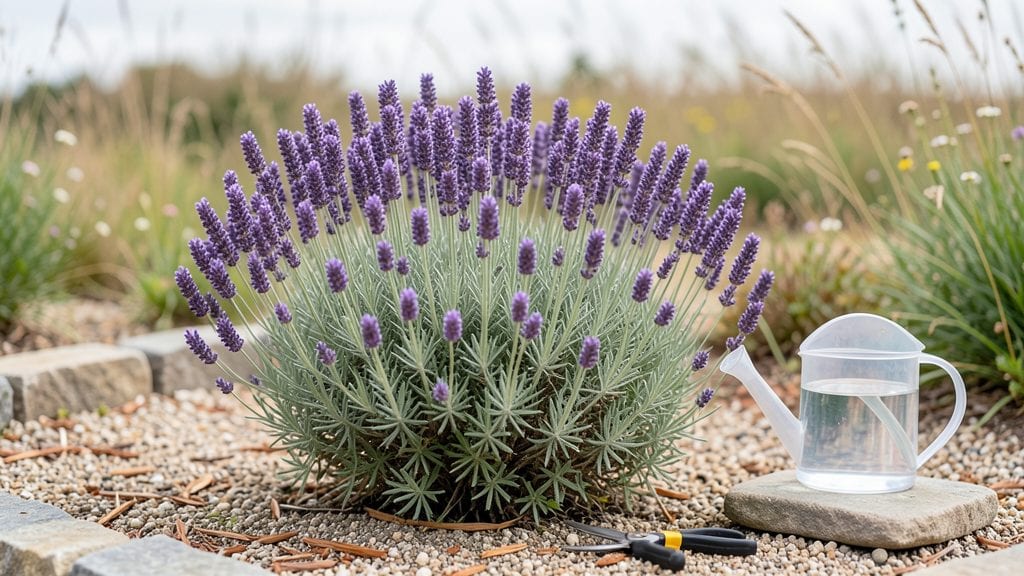
Purple lavender flowers transform any garden into a fragrant, hummingbird magnet. 🌿 Their velvety blooms and intoxicating scent make them the star of borders, containers, and cottage-style beds. I’ve used them to soften modern landscapes and create pollinator havens—each plant draws bees, butterflies, and those iridescent hummers like nothing else.
Pair them with silver foliage plants like lamb’s ear or dusty miller for a striking contrast, or tuck them beside salvias and catmint for a nonstop bloom parade. In containers, they thrive with rosemary and thyme, creating a fragrant, drought-tolerant combo perfect for patios.
The key? Plant them in full sun with well-draining soil—they reward you with years of effortless beauty and that signature lavender aroma.
Imagine your garden in late summer: the air thick with their scent, hummingbirds darting between stems, and blooms that stay vibrant long after most flowers fade. Purple lavender doesn’t just look good—it works hard for your garden’s ecosystem while keeping its charm.
Whether you’re designing a formal border or a wildflower meadow, these plants deliver.
They adapt to everything from Mediterranean-style gardens to rustic cottage plots, making them the ultimate versatile beauty. Start with a few plants this season, and you’ll wonder how you ever lived without them. Here’s how to make them shine in your space—no matter your style.
📚 In This Guide
- What you need
- Instructions
- Tips and common mistakes
- Wrapping up and next steps
What you need
- ● Purple lavender plants: 6–10 mature plants (e.g., Lavandula angustifolia or Lavandula x intermedia)
- ○ Optional: Dwarf varieties (like ‘Hidcote’ or ‘Munstead’) for containers
- ● Soil: Well-draining potting mix (or garden soil amended with 50% perlite/sand)
- ○ Optional: Slow-release fertilizer (10-10-10 ratio) for nutrient boost
- ● Sunlight access: 6+ hours of full sun daily (critical for blooms!)
- ● Garden trowel or small shovel
- ● Pruning shears (for trimming spent blooms)
- ● Watering can (with a rose nozzle for gentle hydration)
- ○ Optional: Decorative pots (terracotta or galvanized metal for rustic charm)
- ● Hummingbird feeders (to complement your lavender haven!)
- ● Dried lavender bundles (for crafts or potpourri)
- ● Check your USDA Hardiness Zone (lavender thrives in Zones 5–9)
- ● Test soil pH (6.0–7.5 is ideal; adjust with lime if needed)
- ● Pro tip: 💡 Plant lavender in spring or early fall to avoid heat stress!
Step-by-Step guide to growing fragrant purple lavender
Let’s grow these pollinator magnets with confidence—here’s my foolproof method for lush, fragrant lavender that thrives season after season.
🌱 Step 1: Choose the Right Variety and Planting Site
Opt for English lavender (Lavandula angustifolia) or Spanish lavender (Lavandula stoechas) for their vibrant purple blooms and strong fragrance. These varieties handle heat and drought better than others, which is key for long-term success. Avoid French lavender (Lavandula dentata)—it’s less fragrant and often flops in hot climates.
Select a sun-drenched spot with 6+ hours of direct sunlight daily. Lavender despises soggy roots, so choose well-draining soil or amend heavy clay with 2-3 inches of coarse sand or perlite. I always test the soil first—if water pools after 30 minutes, I know I need to improve drainage. A slight slope helps prevent water accumulation around the base.
🪴 Step 2: Plant at the Correct Depth and Spacing
Dig holes twice as wide as the root ball but only as deep as the container’s base. Press the soil firmly around the roots to eliminate air pockets—this ensures roots anchor quickly. Space plants 18-24 inches apart for proper airflow, which prevents fungal diseases like root rot. Crowding leads to weak stems and fewer blooms, so don’t skimp on space.
Plant in early spring or fall when temperatures hover between 50-75°F. Avoid summer planting—lavender struggles to establish roots in extreme heat. Water deeply once after planting, then let the soil dry completely before watering again. Overwatering at this stage suffocates roots and triggers rot.
☀️ Step 3: Prune for Bushier Growth and Continuous Blooms
Prune right after flowering in late spring or early summer to encourage a second flush of blooms. Cut back one-third of the woody stems using clean, sharp shears—never ragged cuts. I always sanitize my tools with 70% isopropyl alcohol to prevent disease spread. Avoid cutting into old wood (the brown, leafless stems) as lavender won’t regrow from there.
Shape the plant lightly in early spring by trimming any leggy or overgrown stems. This keeps the plant compact and prevents flopping. Never prune into the bare wood—always leave some green growth. You’ll see new shoots emerge within 2-3 weeks, signaling healthy regrowth.
💧 Step 4: Water and Feed for Optimal Growth
Lavender is drought-tolerant once established, but young plants need consistent moisture. Water deeply every 7-10 days until the soil feels bone-dry 2 inches below the surface. Overwatering is the #1 killer—yellowing leaves or wilting despite damp soil are red flags. If this happens, reduce watering immediately and improve drainage.
Feed once in early spring with a low-nitrogen, high-phosphorus fertilizer (like 5-10-10). Too much nitrogen produces leafy growth at the expense of flowers. I swear by granular organic fertilizer—it releases nutrients slowly and won’t burn tender roots. Skip fertilizing after midsummer to encourage dormancy.
✂️ Step 5: Harvest and Preserve for Year-Round Enjoyment
Harvest just before full bloom when buds are still tight but beginning to open. Cut stems early in the morning after dew has evaporated—this preserves oil content and fragrance. Bundle stems and hang them upside down in a dark, dry, well-ventilated space for 2-3 weeks until completely dry. Test dryness by crushing a leaf—if it crumbles easily, it’s ready.
Use dried lavender in sachets, potpourri, or culinary dishes. For fresh bouquets, trim stems at an angle and place in lukewarm water—lavender stems absorb water poorly, so adding a drop of bleach or vinegar prevents bacterial growth. Replace water every 2-3 days to keep stems crisp. You’ll get 3-4 harvests per season with proper care.
Tips & tricks for perfect purple lavender cultivation
Here's what I've learned after growing lavender for over a decade—these tricks ensure your purple blooms thrive and attract those hummingbirds all season.
Soil Test Tip: Before planting, dig a hole and fill it with water. If it drains completely within 30 minutes, your soil is perfect. If water remains after an hour, you need to add 2-3 inches of coarse sand or perlite to prevent root rot. I've seen lavender plants die from soggy roots even in full sun, so this test is non-negotiable.
Pruning Precision: When you're pruning in Step 3, focus on cutting just above a leaf node where new growth emerges. This encourages bushier growth and more blooms. I always make clean cuts with sharp shears and avoid ragged edges—they invite disease. The one-third rule is critical: never cut more than that or you'll sacrifice next year's blooms.
Harvesting Timing: Harvesting just before full bloom is everything. Look for buds that are 70% open—they'll continue opening after cutting, giving you a longer-lasting bouquet. I harvest early morning when dew has evaporated but before the sun intensifies. This preserves the essential oils that make lavender so fragrant and attractive to pollinators.
Watering Wisdom: The 7-10 day watering schedule in Step 4 is a guideline, not a rule. Check soil moisture by sticking your finger 2 inches deep—if it feels bone-dry, water deeply. If it's still damp, wait another day. I've seen lavender plants recover from drought but never from overwatering. The key is patience—lavender stores water in its woody stems, so it can handle dry spells once established.
Pro Tips for Purple Lavender Flowers
- Here's what I've learned after growing lavender for over a decade—these tricks ensure your purple blooms thrive and attract those hummingbirds all season.
- Soil Test Tip: Before planting, dig a hole and fill it with water.
- Pruning Precision: When you're pruning in Step 3, focus on cutting just above a leaf node where new growth emerges.
Frequently asked questions
Got questions about purple lavender flowers?
Here are some of the most common ones—plus quick, helpful answers to keep your garden thriving and hummingbirds buzzing!
How do I know when purple lavender is fully mature?
Purple lavender typically reaches full maturity in 1-2 years after planting. Look for woody stems, dense foliage, and abundant flower spikes (3–6 inches tall). Young plants may bloom lightly in their first year, but they’ll hit peak fragrance and color by their second spring. Pro tip: Prune spent blooms in early summer to encourage bushier growth!
Can I grow purple lavender indoors?
While possible, lavender thrives best outdoors in full sun (6+ hours/day). If you’re trying an indoor pot, place it near a south-facing window and use well-draining soil. Expect smaller flowers and less fragrance—outdoor plants are the real showstoppers! For best results, grow lavender in a container on a sunny patio or balcony instead.
Why aren’t hummingbirds visiting my lavender?
Hummingbirds love lavender, but a few things might deter them:
- Timing: Plant English lavender (Lavandula angustifolia)—it blooms longer and attracts pollinators better than other varieties.
- Location: Ensure your garden is hummingbird-friendly with other nectar sources (like bee balm or salvia).
- Pesticides: Avoid chemicals—they harm both flowers and hummingbirds! Opt for organic solutions.
If blooms are sparse, prune in early spring to encourage new growth and more nectar!
What’s the best alternative if I can’t grow lavender?
If your climate is too hot, humid, or wet, try these hummingbird-magnet alternatives with purple blooms:
- Catmint (Nepeta) – Drought-tolerant and long-blooming.
- Salvia (especially Salvia nemorosa) – Loves heat and attracts pollinators.
- Russian Sage (Perovskia) – Fragrant, deer-resistant, and thrives in poor soil.
All three are perennials and pair beautifully with lavender if you can grow it!
Why is my purple lavender turning yellow or brown?
Lavender is drought-resistant, but overwatering or poor drainage are common culprits for yellow/brown leaves. Check for:
- Root rot: Ensure pots have drainage holes and soil dries between waterings.
- Fungal issues: Space plants for airflow and avoid wetting foliage.
- Nutrient burn: Too much fertilizer can scorch leaves—use a low-phosphorus, high-potassium blend sparingly.
Fix it fast: Trim affected stems and adjust watering to once a week (or less) in dry climates.
Wrapping up and next steps
Purple lavender flowers aren’t just a feast for the eyes—they’re a must-have for gardeners and wildlife lovers alike! 🌸 Their intoxicating scent and vibrant hue make them a hummingbird magnet, while their easy-care nature ensures they thrive year after year.
Whether you’re planting them for beauty, pollinators, or both, lavender is a win-win.
Ready to transform your garden into a hummingbird haven? Start small—grab a few purple lavender plants or seeds, follow the tips above, and watch your space bloom with life (and visitors!). Happy gardening! 🌿✨