
Flowers
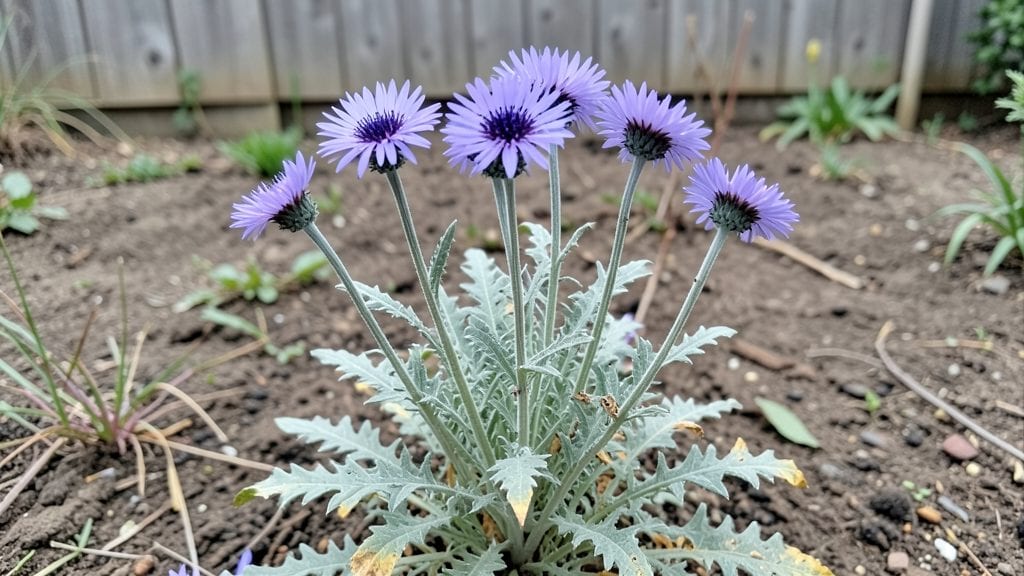
Nothing beats the sight of purple mountain cornflower thriving in your garden, especially when it survives frost like a champ. 🌿 I’ve grown these hardy blooms for years in my Pacific Northwest garden, and they’ve never failed to deliver those stunning lavender-blue flowers from early spring through summer.
Their resilience isn’t just about surviving cold snaps—it’s about thriving where other flowers would give up.
These plants are low-maintenance but love full sun and well-draining soil, making them perfect for borders or cottage-style gardens. You’ll need minimal watering once established, and they self-seed happily, so you’ll have new plants popping up year after year.
The key is getting them planted in early spring or fall, while the soil is still cool but workable.
By mid-spring, you’ll be rewarded with clusters of delicate, daisy-like blooms that attract bees and butterflies. The flowers last for weeks, and the plants stay compact, so they won’t crowd out neighbors.
Whether you’re filling gaps in a flower bed or adding height to a border, these tough beauties deliver effortless charm.
They’re also deer-resistant, which is a bonus if you’re dealing with hungry critters in your yard. Once you try them, you’ll wonder why you didn’t plant them sooner—they’re the kind of flower that makes gardening feel like a breeze.
📚 In This Guide
- What you need
- Instructions
- Tips and common mistakes
- Wrapping up and next steps
What you need
- ● Seeds: 1 packet of purple mountain cornflower seeds (approx. 50-100 seeds per packet). Look for organic or heirloom varieties for best results!
- ● Well-draining soil: A mix of garden soil and compost (ratio: 70% soil, 30% compost). Test soil pH (ideal range: 6.0-7.0).
- ● Sunlight access: A spot with full sun (6+ hours/day). PNW gardens often need extra sun to thrive!
- ● Watering can or hose: With a gentle spray nozzle for even moisture.
- ○ Plant markers (optional but helpful): Small stakes or labels to track your blooms.
- ● Gloves: A pair of gardening gloves to protect your hands from thorns and soil.
- ● Trowel or hand fork: For planting seeds and loosening soil.
- ○ Mulch (optional): Straw or shredded leaves to retain moisture and suppress weeds.
- ● Frost cloth (PNW-specific!): Lightweight fabric to protect young seedlings if late frosts are forecasted.
- ● Patience! 🌱 Purple mountain cornflower seeds can take 10-14 days to germinate—don’t rush it!
- ● 🌡️ Timing: Start seeds indoors 4-6 weeks before your last frost date (PNW: typically mid-April).
- ● ✨ Soil prep: Mix in a slow-release fertilizer (like 10-10-10) at planting for extra vigor.
- ● 💧 Watering: Keep soil consistently moist but not soggy—overwatering can drown seeds!
Step-by-step instructions for planting purple mountain cornflower
Here's how to grow these hardy, drought-tolerant blooms that thrive in Pacific Northwest conditions.
🌱 Step 1: Choose the Perfect Planting Location
Purple Mountain Cornflower loves full sun—at least 6 hours daily—but tolerates partial shade in hotter afternoons. In the Pacific Northwest, I plant mine in south-facing beds where they get morning sun and afternoon shade from nearby shrubs. The key is well-draining soil—they hate soggy roots.
Test your soil by squeezing a handful: if it holds together like clay, amend with 1 part compost to 3 parts soil. These plants are tough but won't forgive waterlogged feet. In containers, use a mix of 50% potting soil, 30% perlite, and 20% compost to ensure proper drainage.
🌱 Step 2: Plant Seeds or Transplants at the Right Time
For direct sowing, plant seeds ¼ inch deep in late spring after the last frost—typically mid-April to May in the PNW. I like to scatter seeds 12-18 inches apart in rows 18-24 inches apart to give them room to grow without crowding. Press them lightly into the soil and cover with a thin layer of mulch to protect from wind.
If using transplants, wait until nighttime temperatures stay above 50°F. Gently remove seedlings from their containers, loosen the roots if they're root-bound, and place them in the ground at the same depth they were growing before. Water immediately after planting to help settle the soil around the roots.
☀️ Step 3: Water Deeply and Maintain Low-Maintenance Care
Water newly planted cornflowers deeply once a week—about 1 inch of water per week—unless you're having a particularly dry spell. The key is to water at the base of the plant rather than overhead to prevent fungal diseases. You'll know they're getting enough water when the soil feels dry to touch 1-2 inches below the surface.
Once established, these plants are incredibly drought-tolerant. In fact, overwatering is more likely to harm them than underwatering. Mulch around the base with 2-3 inches of straw or wood chips to retain moisture and keep weeds at bay. Fertilizer isn't necessary, but if your soil is particularly poor, a light application of balanced 10-10-10 fertilizer in early spring can give them a boost.
✂️ Step 4: Deadhead and Prune for Longer Blooms
To encourage continuous blooming, deadhead spent flowers by pinching off the faded blooms with your fingers or using clean pruners. I do this every 2-3 weeks during the blooming season, which typically runs from mid-summer to fall. This simple step redirects the plant's energy from seed production to growing more flowers.
If your plants start to look leggy or overgrown, you can trim them back by one-third in early summer. This promotes bushier growth and more blooms. Just be sure to cut just above a leaf node where new growth can emerge. Avoid heavy pruning late in the season, as it can reduce winter hardiness.
⏰ Step 5: Prepare for Winter and Enjoy Next Year's Blooms
Purple Mountain Cornflower is one of the most frost-resistant perennials, but a little preparation goes a long way. In late fall, cut back the stems to 2-3 inches above the ground and add a 2-inch layer of mulch around the base. This protects the roots from freezing temperatures and helps the plant establish strong growth in the spring.
These plants are self-seeding, so you'll often find new volunteers popping up in the spring. If you don't mind a little natural propagation, let them be. If you prefer to control where they grow, pull up any unwanted seedlings in early spring before they become established. With proper care, your Purple Mountain Cornflower will reward you with stunning blooms for years to come.
Tips & tricks for perfect purple mountain cornflower growth
These simple tricks will help you grow the hardiest, most vibrant Purple Mountain Cornflowers in your Pacific Northwest garden.
Sunlight Strategy: While these plants thrive in full sun, I've found they perform best with morning sun and afternoon shade in our PNW climate. This prevents afternoon heat stress while still giving them the 6 hours of sunlight they need. If planting in containers, position them where they get morning sun and move to shaded areas during peak afternoon heat.
Soil Test Hack: The soil test method works wonders—if your soil holds together like clay, the 1:3 compost-to-soil ratio is perfect for creating that well-draining environment. For container gardening, I've had great success using the 50-30-20 mix (potting soil, perlite, compost) which mimics ideal garden conditions while preventing waterlogging.
Timing Secret: When planting seeds in late spring after the last frost (typically mid-April to May in the PNW), I like to set a reminder for 2 weeks after planting to check for germination. If you don't see sprouts within 3 weeks, gently scratch the soil surface to see if seeds need more moisture or warmth.
Winter Prep: That 2-inch layer of mulch in late fall is crucial for winter protection, but I've learned to add an extra 1-inch layer of straw mulch on top of that. This creates an insulating blanket that protects roots from freezing temperatures while still allowing water to penetrate. It's especially helpful in our colder PNW winters.
Pro Tips for Purple Mountain Cornflower
- These simple tricks will help you grow the hardiest, most vibrant Purple Mountain Cornflowers in your Pacific Northwest garden.
- Sunlight Strategy: While these plants thrive in full sun, I've found they perform best with morning sun and afternoon shade in our PNW climate.
- Soil Test Hack: The soil test method works wonders—if your soil holds together like clay, the 1:3 compost-to-soil ratio is perfect for creating that well-draining environment.
Frequently asked questions
Got questions about growing purple mountain cornflower? You’re not alone! Here are some of the most common queries from gardeners—especially those in the Pacific Northwest—along with quick answers to help you thrive.
Is purple mountain cornflower really frost-resistant?
This hardy perennial (Centaurea cyanus) thrives in USDA Zones 3-8 and can handle light frosts after germination. In colder climates (like PNW winters), it may go dormant but rebounds in spring. Pro tip: Sow seeds in early spring or late summer for best frost tolerance.
How long does it take to grow from seed to bloom?
Patience pays off! Purple mountain cornflower typically takes 60-90 days to mature from seed to its iconic blue-purple blooms. In cooler PNW regions, expect slower growth—start seeds indoors 4-6 weeks before last frost for a head start. Bonus: Deadheading spent flowers encourages a second flush of blooms!
Can I grow purple mountain cornflower in containers?
Yes, but choose deep containers (12+ inches) with well-draining soil. This plant has a tall, sturdy stalk (18-36 inches), so containers need stability—add a cactus/succulent mix to prevent root rot. Container hack: Pair it with dwarf companions like thyme or alyssum for a balanced look.
Why aren’t my seeds germinating?
Cold stratification helps! Purple mountain cornflower seeds often need 2-4 weeks in the fridge (moist paper towel method) to break dormancy. If soil is too warm (above 70°F), germination stalls. Fix: Sow in cool spring soil (50-65°F) or pre-chill seeds. Patience is key—some seeds take 2-3 weeks to sprout.
What are some great alternatives if I can’t grow purple mountain cornflower?
If your site lacks sun or drainage, try these low-maintenance PNW-friendly perennials with similar charm:
Design tip: All three pair beautifully with purple mountain cornflower for a cottage-garden vibe!
Wrapping up and next steps
Growing purple mountain cornflower in your Pacific Northwest garden is a rewarding way to add bold color and resilience to your landscape. This hardy perennial thrives with minimal fuss, offering stunning blooms and frost resistance—perfect for gardeners who love low-maintenance beauty. 🌸
Ready to transform your garden? Start by planting a few seeds or transplants this season and watch your space come alive with vibrant purple blooms. Happy gardening! 🌱