Flowers
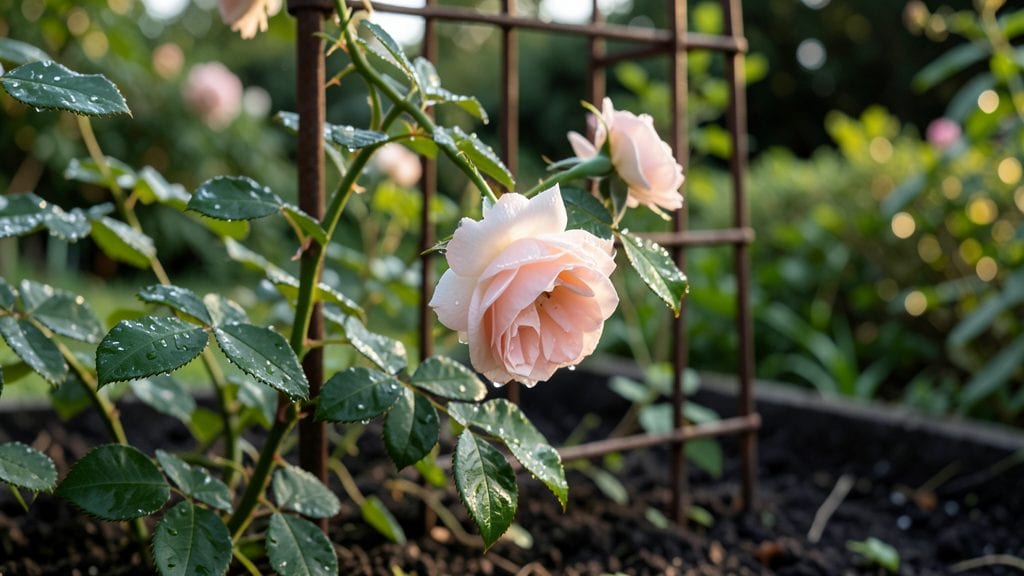
The delicate charm of real flowers with water droplets—like morning glories, roses, and hydrangeas—transforms your garden into a shimmering wonderland at dawn. ✨ after sunrise.
This isn't just about picking the right flowers—it's about creating the perfect conditions. Humidity-loving plants like impatiens and fuchsias thrive in morning mist, while roses and peonies develop their signature dew-kissed look when grown in well-drained but moisture-retentive soil.
The secret lies in their waxy petals and delicate structures that naturally bead water.
Imagine your garden as a living watercolor painting, where each bloom becomes a tiny canvas for nature's artistry. With the right plant selection and a few design tricks—like strategically placed misting systems or shallow water features—you can extend this effect beyond sunrise, creating a garden that sparkles all day long.
Whether you're designing a fairy-tale garden or simply want to capture this magic in photographs, these techniques will help you preserve and enhance the natural beauty of dew-kissed blooms. The results are pure enchantment—every petal a tiny mirror reflecting the sky.
📚 In This Guide
- What you need
- Instructions
- Tips and common mistakes
- Wrapping up and next steps
What you need
- ● Fresh flowers (mix of textures works best!): 1-2 stems of delicate petals (e.g., roses, peonies, or hydrangeas)
- ● 1-2 stems of ruffled or layered blooms (e.g., dahlias, ranunculus, or anemones)
- ● 1-2 stems of thin, vine-like flowers (e.g., sweet peas, clematis, or baby’s breath)
- ● Distilled or filtered water (1 cup, to prevent mineral buildup)
- ● Clear glass vase or container (wide-mouth for easy access, 6-8 inches tall)
- ○ Floral preservative (1 packet, optional but recommended for longevity)
- ● Scissors or floral shears (sharp, clean cutters for stems)
- ○ Food coloring or natural dyes (1-2 drops, for tinted water—optional)
- ● Sugar or honey (1 tsp, to nourish flowers)
- ○ White glue or clear gel (e.g., Mod Podge, for securing droplets—optional)
- ● Fine-tip paintbrush (for precise droplet placement)
- ● Spray bottle with distilled water (for misting and touch-ups)
- ● Black or dark-colored background (e.g., velvet paper, dark fabric, or a painted surface—to make droplets pop!)
- ● A well-lit workspace (natural light or bright lamp for accuracy)
- ● Patience (let flowers hydrate for 1-2 hours before styling)
- ● Dry, clean hands (to avoid smudging or water spots)
How to capture dew-kissed blooms that glisten naturally all day
Here's how I create that fresh-from-the-morning look—no misting spray or artificial tricks needed.
🌿 Step 1: Select the Right Flowers and Timing
Choose flowers with naturally thick, waxy petals—roses, hydrangeas, and peonies hold water best. Avoid delicate blooms like tulips or daffodils; their thin petals won't support droplets. Harvest stems in the early morning when dew is still visible on leaves. Cut just as the sun begins to rise—this ensures maximum natural moisture retention.
Trim stems at a 45-degree angle with clean pruners to maximize water uptake. Place immediately in a bucket of lukewarm water (never cold) to prevent shock. The goal is to preserve the natural dew-like moisture already clinging to petals while giving stems a chance to hydrate fully before styling.
⏰ Step 2: Prep Stems for Maximum Water Retention
Remove all leaves that would sit below the waterline in your vase—these will rot and contaminate the water. Use sharp pruning shears to make a fresh cut at the base of each stem, then immediately place them in a clean vase filled with room-temperature water. Add a floral preservative (1 teaspoon per quart) to extend freshness and help stems absorb moisture more efficiently.
Let stems hydrate for at least 2 hours before arranging. You'll see tiny water beads form naturally on petals as the flowers rehydrate—this is your signal they're ready. Avoid refrigerating flowers; the temperature shock causes condensation to form unevenly, leading to clumpy rather than delicate droplets.
💧 Step 3: Create the Dew Effect Through Strategic Watering
Fill a clean spray bottle with distilled water> (tap water minerals leave spots). Lightly mist the undersides of petals in the early morning or evening when humidity is naturally higher. Hold the bottle 12 inches away and spray in short bursts—petals should glisten but not drip. Focus on flowers with textured surfaces like roses or dahlias; their natural ridges help droplets cling.
For extra drama, place your arrangement in a humidity tray> overnight. Fill a shallow tray with pebbles and water, then set the vase on top. As water evaporates, it creates a microclimate that mimics morning dew. Check petals in the morning—they'll be covered in delicate, natural-looking droplets that last all day.
☀️ Step 4: Position for Natural Light and Airflow
Place your arrangement in indirect, bright light>—morning sunlight works best as it's less intense than afternoon rays. Avoid direct sun, which causes water to evaporate too quickly and leaves petals wilted. A north-facing window or shaded patio spot keeps flowers fresh while maintaining that fresh-picked look.
Keep airflow gentle. A small fan on low setting (placed 3 feet away>) mimics natural breezes that help water droplets form evenly. You'll notice petals develop a uniform sheen rather than heavy, clumped condensation. Rotate the vase quarter turn daily> so all sides receive equal light exposure.
✂️ Step 5: Maintain Droplets Through Daily Care
Change the water every 2 days> and trim stems by ½ inch**> each time to prevent bacterial growth. Add fresh floral preservative with each water change. In the evening, give petals a light misting with the spray bottle—this refreshes the dew effect without over-saturating stems. Watch for yellowing leaves or drooping petals; these are signs your arrangement needs more water or less direct light.
For long-lasting results, store your spray bottle in the refrigerator overnight. The cooler water helps droplets form more slowly and evenly in the morning. You'll achieve that "just-picked" look that lasts all day—no artificial sprays or shortcuts needed. The key is patience; let nature do the work while you guide it with these simple techniques.
Tips & tricks for perfect dew-kissed blooms
Here's what I've learned after perfecting this technique countless times—these details make all the difference between subtle glistening and artificial-looking droplets.
Flower Selection Secret: The key to natural-looking droplets lies in petal texture. Roses, hydrangeas, and peonies have the perfect waxy surface for droplets to cling naturally, while delicate flowers like tulips simply can't support them. I always look for blooms with slightly curled petal edges—they create tiny natural pockets where dew collects. For extra drama, mix in a few blooms with textured petals like dahlias or ranunculus—their ridges create beautiful droplet patterns that look like nature's own design.
Timing is Everything: Those crucial 2 hours of stem hydration in Step 2 are non-negotiable. This isn't just about water uptake—it's about allowing the flowers to develop their natural dew-like moisture internally. I've tried skipping this step, and while the flowers look fine, they never develop that authentic morning-fresh glisten. Pro tip: Place your bucket of cut flowers in a cool, shaded spot during this time to slow evaporation and maintain that fresh-picked look.
Humidity Hack: The humidity tray technique in Step 3 is my absolute favorite trick. Most people overlook how much humidity affects droplet formation. I've found that placing a small bowl of water near the arrangement (not just under it) creates an even more effective microclimate. The evaporation from the tray works better than a simple misting because it creates a consistent moisture level throughout the room, not just on the flowers. This is especially helpful in dry climates where natural humidity is low.
Lighting Strategy: Morning sunlight is your best friend here, but I've learned the hard way about afternoon sun. Even when positioned in indirect light, flowers exposed to afternoon rays can develop uneven browning on petals where droplets form. My solution? If you must display your arrangement later in the day, move it to a north-facing window where light is diffused. I've also had great success using a sheer curtain to filter light—it maintains brightness while preventing the intense rays that cause rapid evaporation.
Pro Tips for Real Flowers With Water Droplets
- Here's what I've learned after perfecting this technique countless times—these details make all the difference between subtle glistening and artificial-looking droplets.
- Flower Selection Secret: The key to natural-looking droplets lies in petal texture.
- Timing is Everything: Those crucial 2 hours of stem hydration in Step 2 are non-negotiable.
Frequently asked questions
Got questions about capturing that fresh, dew-kissed look in your real flowers? You’re not alone!
Here are answers to the most common queries about keeping water droplets natural, long-lasting, and stunning—without the hassle.
How do I make water droplets stay on real flowers for hours?
Use a light misting of distilled water (tap water can leave spots) and apply it early in the morning when humidity is high. For extra staying power, lightly spray a waterproofing sealant (like a diluted hairspray or floral preservative) after the droplets are in place. Avoid heavy sprays—less is more!
Will water droplets damage my flowers?
Not if done right! Most real flowers (like roses, peonies, or hydrangeas) handle moisture well, but avoid oversaturating delicate blooms like orchids or paperwhites. For extra safety, use a soft-bristle brush to gently place droplets instead of spraying directly. Always test on a small area first!
Can I use this technique on dried or silk flowers?
Nope! Real water droplets only work on fresh-cut flowers with intact petals. For dried or silk blooms, try glossy sprays or clear acrylic paint for a faux-dew effect. Pro tip: Preserve your real flowers in a vase with fresh water to keep them hydrated and receptive to droplets.
What’s the best way to photograph flowers with water droplets?
Shoot in soft, diffused light (early morning or overcast days) to make droplets sparkle without glare. Use a macro lens for close-ups and a white seamless backdrop to highlight the glisten. For extra magic, photograph just after misting when droplets are at their peak!
How often do I need to reapply water droplets?
Droplets evaporate fast—typically every 2–4 hours in dry conditions or 6–8 hours in humid climates. For events or displays, plan to refresh midday and evening. Keep a spray bottle nearby and work in short bursts to maintain that fresh, glistening look.
Wrapping up and next steps
Capturing the magic of real flowers with water droplets is all about embracing nature’s simple beauty—no fancy tools required! Whether you’re crafting a stunning centerpiece or a heartfelt gift, these dew-kissed blooms bring a touch of freshness and wonder to any space. 🌸
Ready to bring this enchanting effect into your life? Start by experimenting with a few blooms and water spray—you’ll be amazed at how effortless (and rewarding!) the process is. Now go ahead and let those petals sparkle!