
Blooming
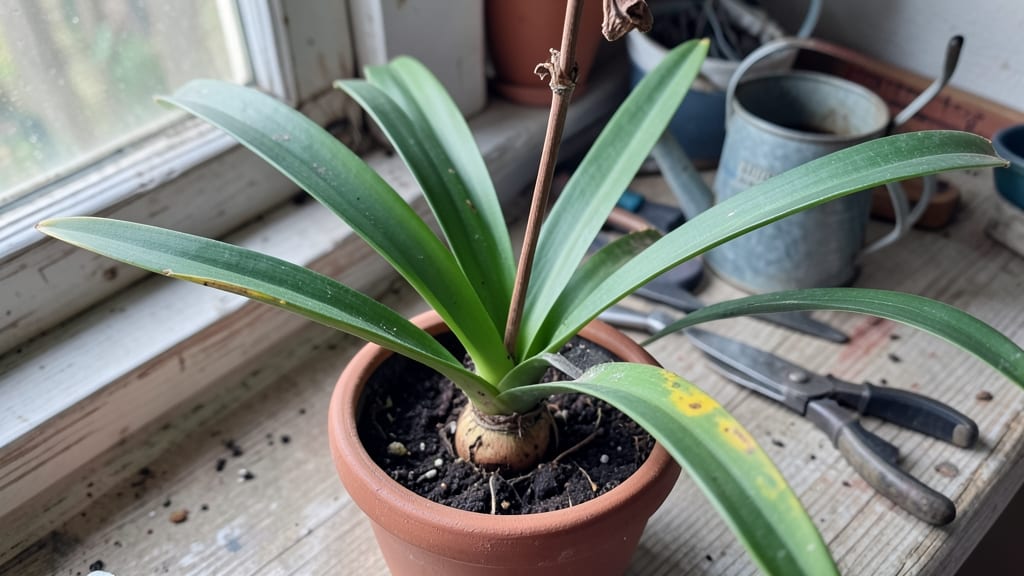
To rebloom, mastering where to cut amaryllis after flowering—right above the second set of leaves from the top—is your golden ticket. ✨ I’ve watched bulbs wither away after over-pruning, only to... see others thrive when cut just right, and the difference comes down to this one step.
The timing matters too: wait until the flower stalk turns brown and crispy before cutting, usually 2-3 weeks after blooming. Grab a clean pair of pruners or scissors, and make the cut at a slight angle to prevent water from pooling.
This isn’t just trimming—it’s redirecting the bulb’s energy back into leaf growth, which fuels next season’s blooms.
Once you’ve cut, keep the bulb in bright, indirect light and water sparingly—just enough to keep the soil slightly moist. Fertilize lightly every 4-6 weeks with a balanced houseplant food, and watch as those leaves grow thick and vibrant.
By summer, you’ll have a full, healthy bulb ready to repeat the show.
Indoor amaryllis need this care year-round, while outdoor varieties can enjoy a dormant period in cooler months. The key is consistency: don’t rush the process, and avoid cutting too low, which can damage the bulb’s stored energy. With this method, you’ll turn one season’s blooms into next year’s showstopper.
📚 In This Guide
- What you need
- Instructions
- Tips and common mistakes
- Wrapping up and next steps
What you need
- ● Sharp pruning shears or clean scissors – Sterilize with rubbing alcohol to prevent disease.
- ● Well-draining potting mix – Use a blend of peat moss, perlite, and sand (or a cactus/succulent mix).
- ● 6-inch or larger pot – Ensure drainage holes are present!
- ● Balanced, water-soluble fertilizer – Look for a 10-10-10 or 20-20-20 NPK ratio.
- ● Watering can with a narrow spout – Avoid overwatering—aim for moist (not soggy) soil.
- ● Grow lights or a sunny windowsill – 6–8 hours of bright light daily is ideal.
- ● Rooting hormone – Speeds up regrowth if you’re propagating offsets.
- ● Moisture meter – Prevents over- or underwatering.
- ● Decorative pot or cachepot – For a polished look once blooming season returns.
- ● Plant food with micronutrients – Boosts bulb health for stronger reblooms.
Instructions for cutting back amaryllis after flowering
Here’s the precise method I’ve used for years to coax my amaryllis into a second round of blooms.
✂️ Step 1: Wait Until Flowers Are Fully Dead
Don’t rush—wait until the last flower stalk is completely brown and crispy before cutting. This ensures the plant has redirected all its energy into storing nutrients in the bulb for next season. I usually see this happen about 6-8 weeks after blooming, depending on your climate.
If you cut too soon, you’ll remove the bulb’s food source before it’s ready. You’ll know it’s time when the stalk snaps easily at the base with a dry, papery sound—no green or flexible stems left.
✂️ Step 2: Trim the Flower Stalk at the Base
Use clean, sharp scissors or pruners to cut the entire flower stalk off at the base, just above the bulb. Avoid leaving any stubs—these can rot and invite disease. I like to sterilize my tools with rubbing alcohol first to prevent any contamination.
Don’t worry about the foliage yet. The leaves will continue growing for several months, and they’re crucial for recharging the bulb. Just focus on removing that dead stalk now.
🌱 Step 3: Let the Foliage Yellow Naturally
Once the flower stalk is gone, leave the leaves alone until they turn completely yellow and start wilting. This process can take 8-12 weeks, depending on your light and temperature. The longer you can keep those leaves healthy, the more energy they’ll store in the bulb.
Here’s the thing—if you cut the leaves too soon, you’re cutting off the bulb’s power supply. I’ve seen amaryllis bulbs skip blooming entirely when the foliage was removed prematurely. Be patient.
✂️ Step 4: Trim the Foliage When It’s Fully Dormant
Once the leaves are completely brown and crispy, you can trim them back to about 1 inch above the bulb. Use clean scissors to avoid tearing the bulb’s skin. This is the signal that your amaryllis is entering dormancy and preparing for its next bloom cycle.
After cutting, let the bulb rest in its pot for 8-10 weeks in a cool, dark place (around 55-60°F). This mimics the natural dormancy period and helps the bulb recharge for next season’s blooms.
☀️ Step 5: Resume Care for Next Season’s Blooms
After the dormancy period, move the pot back to a bright, warm spot (around 70-75°F) and water lightly to encourage new growth. You’ll see new shoots emerge within 4-6 weeks, and with proper care, your amaryllis will bloom again next season.
Real talk: The key to reblooming is patience. Skipping any of these steps—especially letting the foliage yellow fully—will reduce your chances of a second bloom. But if you follow this guide, you’ll have stunning flowers year after year.
Tips & tricks for perfect amaryllis reblooming
These simple but crucial steps will help you maximize your amaryllis's chances of reblooming beautifully next season.
The Patience Factor: In Step 1, those 6-8 weeks until the flower stalk is fully dead might feel long, but it's essential. The bulb needs this time to redirect all its energy from blooming to storing nutrients. I've seen amaryllis owners cut too soon and end up with a bulb that won't bloom again for years. Trust me on this—wait until that stalk is completely brown and crispy.
Tool Prep Matters: Before you start cutting in Step 2, sterilize your scissors or pruners with rubbing alcohol. I learned this the hard way after my amaryllis developed a fungal infection from using dirty tools. The small effort prevents bigger problems down the road. Also, make sure your tools are sharp—dull blades can crush the bulb's skin, leading to rot.
Foliage Timing Secret: Step 3's 8-12 week wait for foliage yellowing is where most people fail. Between us, I've cut leaves too early more times than I'd admit, and each time my amaryllis either bloomed poorly or not at all. The leaves are the bulb's solar panels—they're converting sunlight into energy that gets stored in the bulb. Don't cut them until they're completely brown and crispy, even if it takes longer than expected.
Dormancy Conditions: For the 8-10 week dormancy period in Step 4, the temperature range of 55-60°F is crucial. I've found that a closet or basement works perfectly for this. If your home stays warmer than 60°F, consider moving the pot to a cooler location. The goal is to mimic winter conditions, signaling the bulb to rest and recharge. A dark space is also important—light during dormancy can confuse the bulb.
Pro Tips for Rebloom Where To Cut Amaryllis After Flowering
- These simple but crucial steps will help you maximize your amaryllis's chances of reblooming beautifully next season.
- The Patience Factor: In Step 1, those 6-8 weeks until the flower stalk is fully dead might feel long, but it's essential.
- Tool Prep Matters: Before you start cutting in Step 2, sterilize your scissors or pruners with rubbing alcohol.
Frequently asked questions
Got questions about reviving your amaryllis after it blooms? You’re not alone! Here are answers to the most common concerns—so you can get back to growing those stunning flowers next season.
When is the best time to cut the amaryllis flower stalk?
The ideal time to cut the flower stalk is after the blooms wilt and the stalk turns yellow or brown. This usually happens 2–4 weeks after flowering. Cutting too early can stress the bulb, while waiting too long may drain its energy. Aim for a clean cut 1–2 inches above the bulb to avoid moisture buildup.
Can I cut the stalk too late and still save the bulb?
If you miss the window and the stalk is already fully brown and crispy, don’t panic! Your bulb can still recover. Just remove the dead stalk at the base, reduce watering slightly, and keep it in bright, indirect light. The bulb may take longer to rebound, but it can still store energy for next season’s blooms.
What if my amaryllis doesn’t produce a new stalk after cutting?
If your amaryllis skips reblooming, it might need a rest period. After cutting the stalk, let the bulb rest in cool (60–65°F), dry conditions for 6–8 weeks. Overwatering, lack of sunlight, or using old bulbs can also stunt growth. Try repotting in fresh soil and placing it in a sunny spot—patience is key!
Do I need to cut the leaves after the flowers fade?
No—never cut the leaves! They’re the bulb’s food factory, converting sunlight into energy for next year’s blooms. Only remove yellowed or dead leaves at the base. If leaves turn brown but stay upright, leave them until they wither naturally. Healthy leaves = happier reblooms!
Can I force my amaryllis to rebloom faster?
While you can’t rush nature, you can optimize conditions for faster recovery. After cutting the stalk, move the bulb to a sunny window (6+ hours of light daily) and resume regular watering. A balanced fertilizer (like 10-10-10) every 4–6 weeks can also boost growth. Just avoid overwatering—soggy soil = bulb rot!
Wrapping up and next steps
Mastering the art of cutting your amaryllis after flowering is your secret weapon for stunning reblooms next season! 🌱 With the right tools, timing, and care, you’ve got everything you need to encourage another vibrant display. Don’t let hesitation stop you—every snip is a step toward more beauty.
Ready to transform your amaryllis into a year-round blooming star? Start by marking your calendar for next year’s cutting schedule and keep an eye on your plant’s health. With patience and practice, you’ll be enjoying those dramatic blooms again and again!